
Do you often hear that sleeping less means you’re getting more done? It sounds like a badge of honor—cutting down on sleep to squeeze in extra work or projects.
But is losing sleep really a sign of high productivity, or could it be holding you back? What if the secret to doing more isn’t working longer hours but working smarter with enough rest? Keep reading to discover the surprising truth about sleep and productivity—and how you can boost your output without burning out.
Quick Navigation
Sleep And Productivity Link
Sleep and productivity have a strong connection. Many believe that working more hours means doing more. But sleep plays a key role in how well the brain works. Without enough rest, the mind slows down and makes mistakes.
Understanding this link helps us see why less sleep is not always better. Quality sleep supports energy, focus, and decision-making. It fuels the brain to perform at its best during work.
How Sleep Affects Brain Function
Sleep helps the brain clean out waste and repair itself. It improves memory and learning by organizing information. Without enough sleep, concentration drops and problem-solving becomes hard. Creativity also suffers when the brain is tired.
Rest restores attention and sharpens thinking. It supports emotional balance, reducing stress and mood swings. Poor sleep can cause slower reactions and less productivity over time.
Common Myths About Sleep And Work
Many think sleeping less means more work gets done. Some believe success comes from pushing through tiredness. Others say sleep is a waste of time. These ideas ignore how important rest is for the brain.
Cutting sleep short often leads to burnout and mistakes. Real productivity depends on balance, not just long hours. Good rest helps maintain steady energy and clear focus throughout the day.
Signs Of High Productivity
High productivity shows in many ways. It is not just about doing more tasks or working longer hours. Real productivity is about how well you use your time and energy. Recognizing the signs helps you focus on what truly matters. It also helps you avoid burnout and stay effective.
Let’s explore some clear signs of high productivity. These signs reveal the quality of work and how efficiently tasks get done.
Quality Vs Quantity Of Work
High productivity means producing quality work, not just more work. Finishing many tasks with low quality does not count as productivity. Good work meets goals and solves problems well. It shows attention to detail and care. Quality work saves time later by avoiding redoing tasks. Focus on doing fewer tasks better.
Efficiency Indicators
Efficiency is a key sign of productivity. It means doing tasks quickly and correctly. Efficient workers use tools and methods that save time. They plan and organize their work clearly. They avoid distractions and stay focused. Finishing important tasks ahead of time is a strong sign. Efficiency means less wasted effort and better results.
Consequences Of Reduced Sleep
Sleeping less may seem like a way to get more done. Many believe cutting sleep hours boosts productivity. Yet, reduced sleep carries serious consequences. It affects the brain and the body in many ways. Understanding these effects helps us see the true cost of less sleep.
Short-term Cognitive Effects
Reduced sleep makes it hard to focus and remember things. Tasks take longer, and mistakes increase. Reaction times slow down, creating risks in daily activities. Mood swings and irritability often follow. These problems lower productivity instead of raising it.
Long-term Health Risks
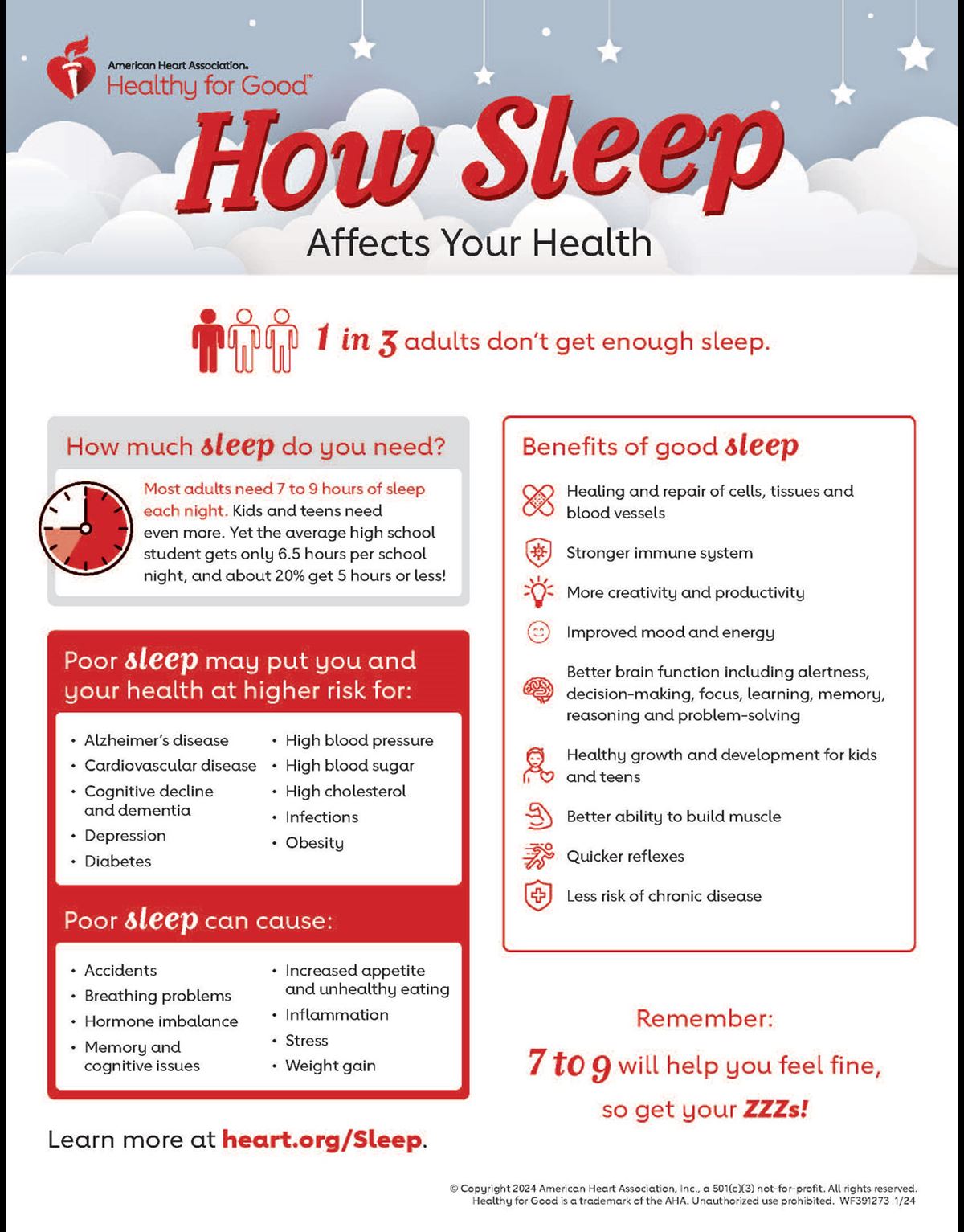
Chronic sleep loss harms the heart and immune system. It raises risks of diabetes, obesity, and high blood pressure. Mental health suffers, increasing anxiety and depression chances. Over time, the body’s ability to repair weakens. These health issues reduce life quality and work capacity.
Sleep Patterns Of Successful People
Successful people often have unique sleep patterns. Some sleep very little but achieve a lot. Others maintain regular sleep habits yet remain highly productive. Understanding these patterns helps us see if less sleep really means more work done.
Famous Examples
Many famous leaders and creators slept only a few hours daily. Thomas Edison slept about 4-5 hours. Elon Musk reportedly sleeps around 6 hours. Margaret Thatcher managed with just 4 hours of sleep. These examples suggest some people function well on less rest.
Yet, these are exceptions, not rules. Their success also comes from strong focus and discipline. Sleeping less did not cause their achievements alone.
Realistic Sleep Habits
Most successful people follow consistent sleep routines. They prioritize 6 to 8 hours of good sleep. Regular sleep helps improve memory, focus, and decision-making. Good rest supports long-term productivity and health.
Short-term sleep loss may feel productive but reduces efficiency over time. Balanced sleep helps avoid burnout and mistakes. Success often depends on quality rest, not just fewer hours.
Balancing Sleep And Productivity
Balancing sleep and productivity means finding the right amount of rest to do your best work. Sleep helps the brain stay sharp and the body stay healthy. Without enough sleep, focus and energy drop fast.
Many people think sleeping less means working more. The truth is, good sleep boosts how well you work. Balancing both is key to lasting success and health.
Time Management Tips
Plan your day with clear goals. Use a simple schedule to set work and rest times. Break tasks into small parts. This reduces stress and improves focus. Avoid multitasking to keep your mind clear. Take short breaks to refresh your brain. Proper time use helps finish work faster and frees time for sleep.
Prioritizing Rest For Performance
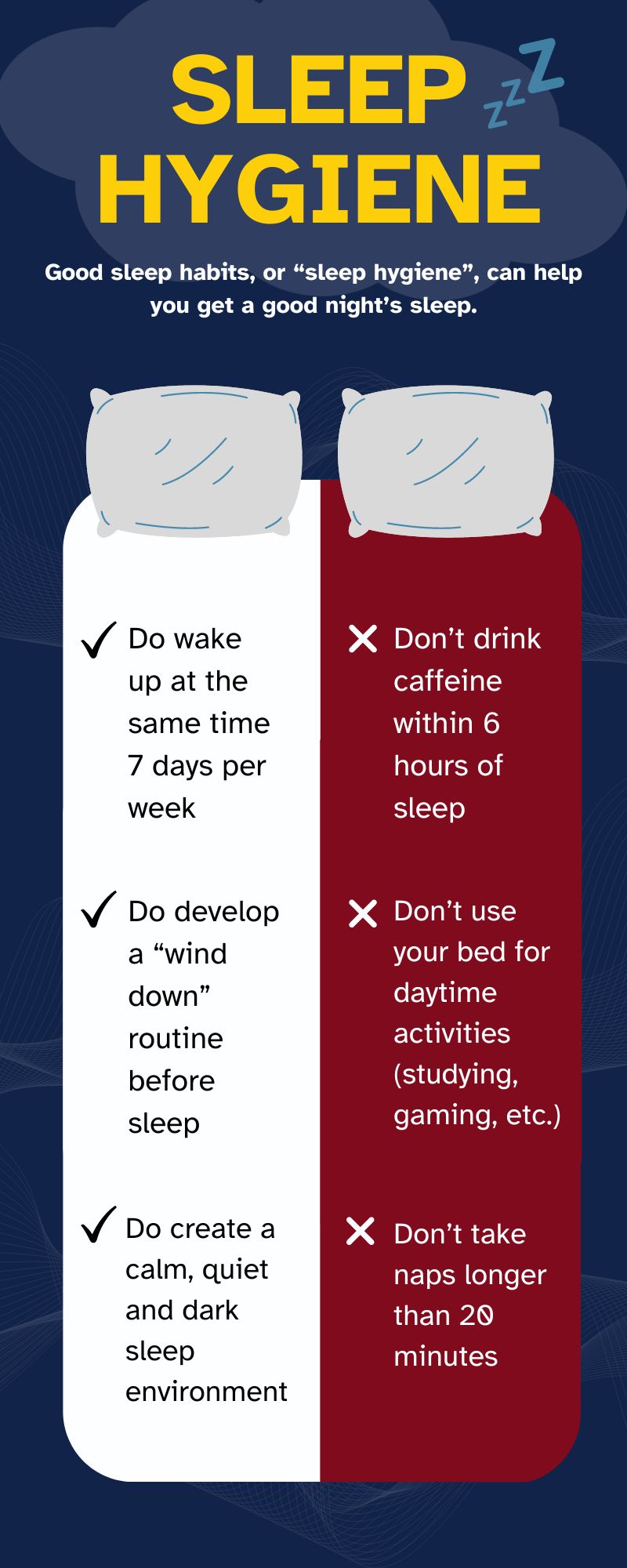
Sleep is not a waste of time. It repairs your body and clears your mind. Aim for 7 to 9 hours of sleep each night. Create a calm bedtime routine. Avoid screens and bright lights before bed. Good rest improves memory and problem-solving skills. When rested, you work smarter, not harder.
Technology And Sleep
Technology plays a big role in our daily lives. It helps us work, learn, and stay connected. But technology also affects how we sleep. Many people use phones, tablets, or computers before bed. These devices can make it hard to fall asleep or stay asleep.
Understanding how technology affects sleep can help us improve rest. Better sleep supports higher productivity and good health.
Impact Of Screens On Sleep Quality
Screens emit blue light, which can confuse our brain. This light stops the production of melatonin, the hormone that makes us sleepy. Using screens at night can delay sleep and reduce sleep quality. Many people feel tired the next day after screen use before bed.
Besides light, screens keep our minds active. Watching videos or reading messages can make it harder to relax. This mental activity can delay falling asleep. Poor sleep lowers focus, memory, and energy.
Tools To Improve Sleep
Several tools can help reduce the negative effects of technology on sleep. Blue light filters on phones and computers reduce harmful light. These filters change screen color to warmer tones in the evening. Setting devices to “night mode” helps the brain prepare for rest.
Other tools include apps that remind you to stop screen use before bed. Some apps play calming sounds or guide breathing to relax the mind. Using these tools can improve sleep quality and support better productivity.
Frequently Asked Questions
Does Sleeping Less Really Mean Higher Productivity?
Sleeping less does not guarantee higher productivity. Lack of sleep often reduces focus, creativity, and decision-making ability. True productivity thrives on balanced rest and work.
Can Reduced Sleep Improve Work Performance?
Reduced sleep temporarily may boost alertness but harms long-term work performance. Consistent sleep deprivation impairs memory, attention, and problem-solving skills.
How Much Sleep Is Ideal For Productivity?
Most adults need 7-9 hours of sleep to function optimally. Proper sleep supports cognitive functions, energy, and overall productivity.
Is Sleep Deprivation Sustainable For High Achievers?
Sleep deprivation is not sustainable for high achievers. It leads to burnout, health issues, and decreased efficiency over time.
Conclusion
Sleeping less does not always mean working more. Rest helps your brain and body stay strong. People who sleep enough often think clearer and solve problems faster. Cutting sleep might hurt your health and slow your work. Balance matters most.
Good rest supports steady productivity every day. Think about quality, not just hours awake. Productivity grows when you feel well and focused. Prioritize sleep to do your best work.