
As an Amazon Associate I earn from qualifying purchases.
Have you ever wondered if simply getting better sleep could solve your health problems? Imagine waking up feeling refreshed, energized, and ready to take on the day—without pain, stress, or constant fatigue holding you back.
What if the key to fixing many of your health issues lies not in complicated treatments or expensive medications, but in improving something as natural as your sleep? You’ll discover how good sleep impacts your body and mind, and whether it really can be the game-changer your health needs.
Keep reading to find out how unlocking the power of rest might transform your life.
Quick Navigation
Role Of Sleep In Health
Sleep is a vital part of a healthy life. It helps the body repair and grow. Without enough sleep, many body systems do not work well. Sleep affects energy, mood, and overall health. It supports both the body and mind to stay strong.
Good sleep helps fight illness and keeps the mind sharp. It lowers the risk of many health problems. Understanding sleep’s role can help improve health and well-being.
Sleep And Immune Function
Sleep boosts the immune system. During sleep, the body makes proteins called cytokines. These proteins help fight infection and inflammation. Lack of sleep lowers cytokine production. This makes it harder to fight colds and flu. People who sleep well recover faster from sickness.
Impact On Mental Health
Sleep affects mood and thinking. Poor sleep can cause anxiety and depression. It makes it hard to focus and remember things. Good sleep helps the brain rest and heal. It supports emotional balance and clear thinking.
Sleep And Chronic Diseases
Sleep plays a role in preventing chronic diseases. Poor sleep increases the risk of heart disease and diabetes. It also raises blood pressure and inflammation. Good sleep helps regulate blood sugar and heart health. It lowers the chance of long-term health problems.
Limits Of Sleep Benefits
Good sleep plays a key role in overall health. It helps the body repair and the mind refresh. Sleep supports the immune system and boosts mood. Yet, sleep has its limits. It cannot fix every health problem alone. Understanding these limits helps manage health better.
Conditions Not Resolved By Sleep
Sleep cannot cure serious diseases like cancer or diabetes. These conditions need specific treatments and care. Mental health disorders such as depression and anxiety also require therapy or medication. Sleep may ease symptoms but does not replace medical help. Chronic illnesses often demand ongoing management beyond good rest.
When Medical Intervention Is Necessary
Some health issues require doctors’ attention immediately. Severe infections, injuries, and heart problems need urgent care. Sleep supports recovery but does not treat the cause. Regular check-ups are vital to catch diseases early. Never rely only on sleep if symptoms worsen or persist.
How Sleep Supports Healing
Sleep plays a key role in healing the body and mind. It helps repair damage and restore energy. Without enough sleep, healing slows down. The body uses sleep time to fix tissues and refresh the brain.
Understanding how sleep supports healing shows why rest is so important. Below are two main ways sleep aids recovery and growth.
Tissue Repair And Growth
During sleep, the body produces growth hormones. These hormones help fix damaged tissues and build new cells. Muscles recover and grow stronger with enough rest. Skin repairs itself faster. The immune system also gets a boost. This helps the body fight infections and heal wounds.
Cognitive Restoration
Sleep clears out toxins from the brain. It helps improve memory and focus. The brain processes information and stores important memories. Rest also supports emotional health by balancing mood chemicals. Without sleep, mental functions weaken and healing slows.
Risks Of Poor Sleep
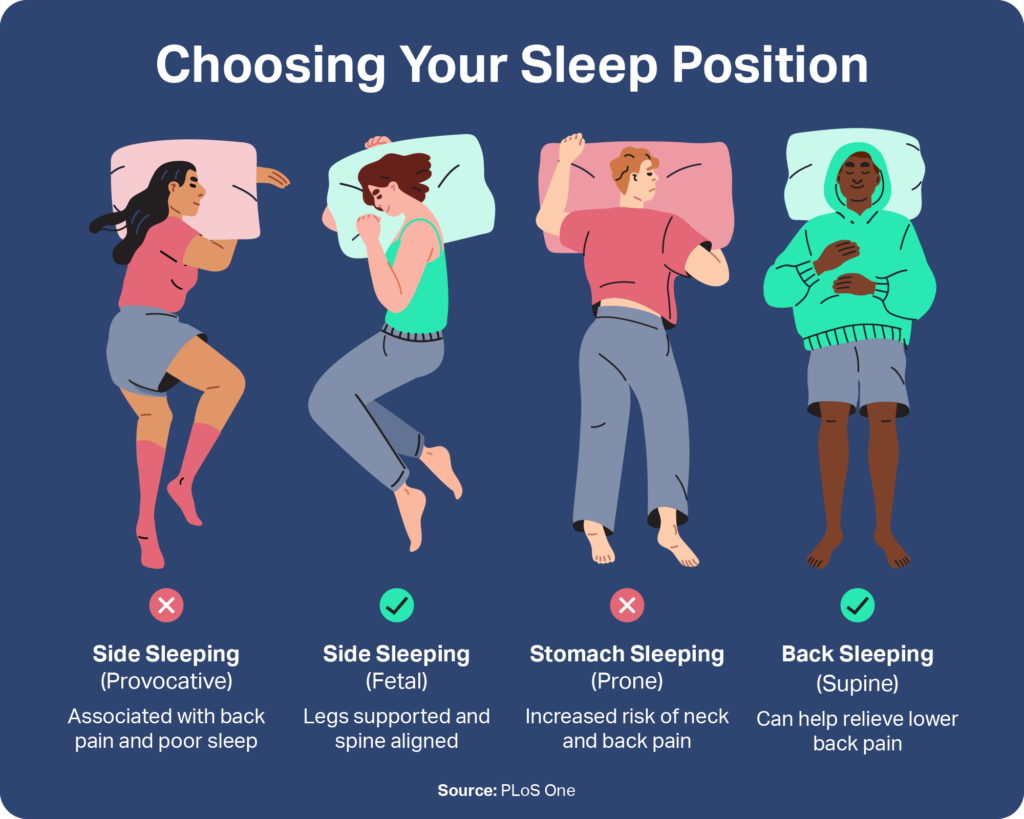
Poor sleep harms health in many ways. It affects the body and mind deeply. Lack of rest can cause serious problems over time. Understanding these risks helps to see why good sleep matters.
Increased Disease Risk
Poor sleep raises the chance of getting many diseases. Heart problems, diabetes, and obesity link closely to bad sleep. The immune system weakens without enough rest. This makes it harder to fight infections. Blood pressure often rises with sleep loss. Long-term lack of sleep can shorten life span.
Effects On Mood And Performance
Sleep loss changes mood quickly. People feel irritable, anxious, or depressed. Concentration and memory become poor. Tasks take longer and mistakes increase. Sleep affects how the brain works daily. Energy drops, making it hard to stay active. Good sleep is key for mental balance.
Tips For Better Sleep
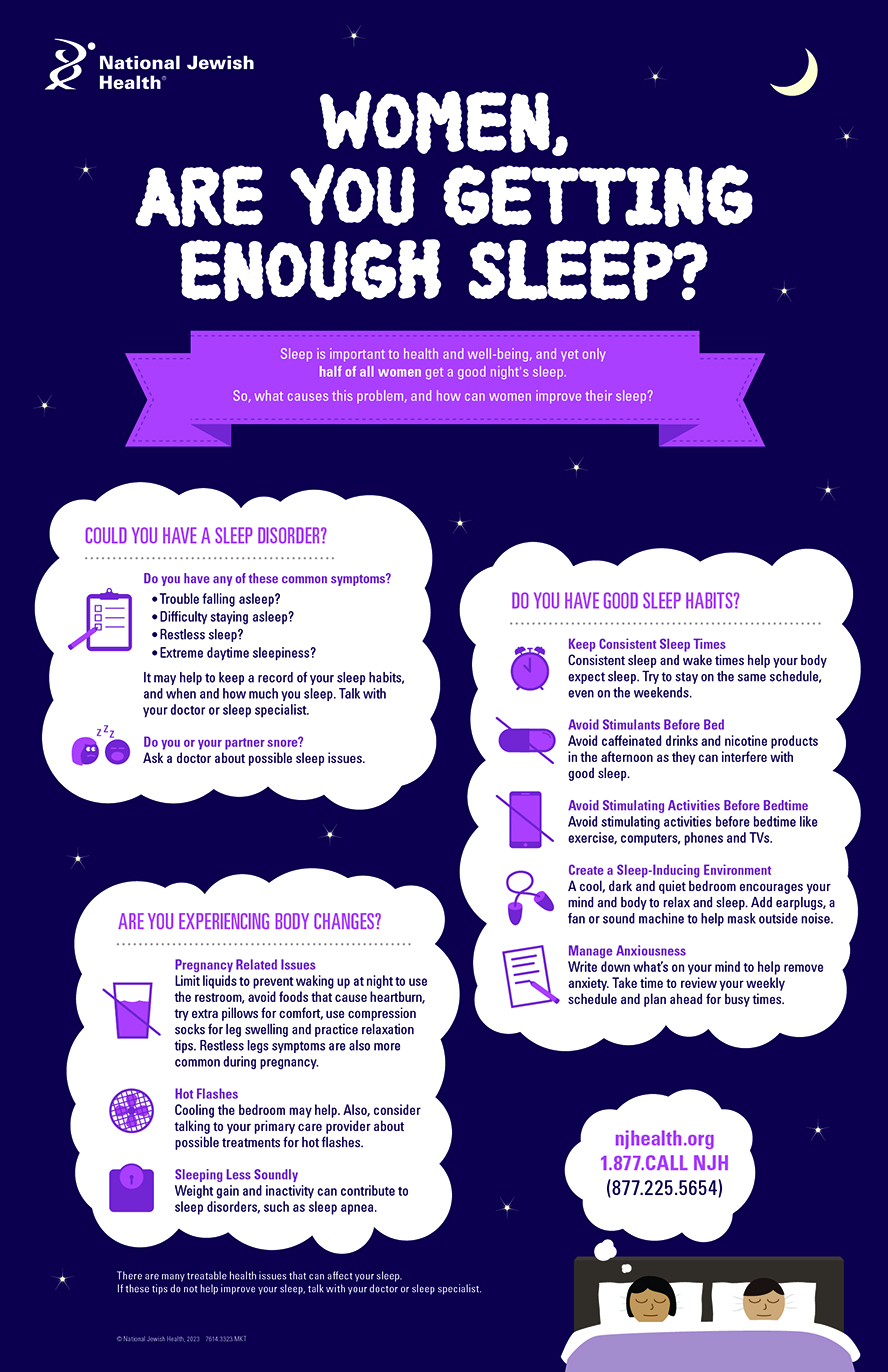
Good sleep is key to feeling healthy and strong. Many health problems link to poor sleep. Improving sleep can help your body heal and work better. Small changes in your habits and surroundings can make a big difference. Here are some simple tips for better sleep.
Creating A Sleep-friendly Environment
Make your bedroom calm and quiet. Use thick curtains or blinds to block light. Keep the room cool and fresh. Remove noise that can wake you up. A good mattress and pillows support your body well. Clear clutter to help your mind relax. Avoid screens and bright lights before bed.
Healthy Sleep Habits
Go to bed and wake up at the same time every day. This helps your body know when to sleep. Avoid heavy meals or caffeine close to bedtime. Try to relax with a book or soft music. Exercise during the day helps you sleep better at night. Avoid naps late in the afternoon. These habits build a strong sleep routine.
When To Seek Help
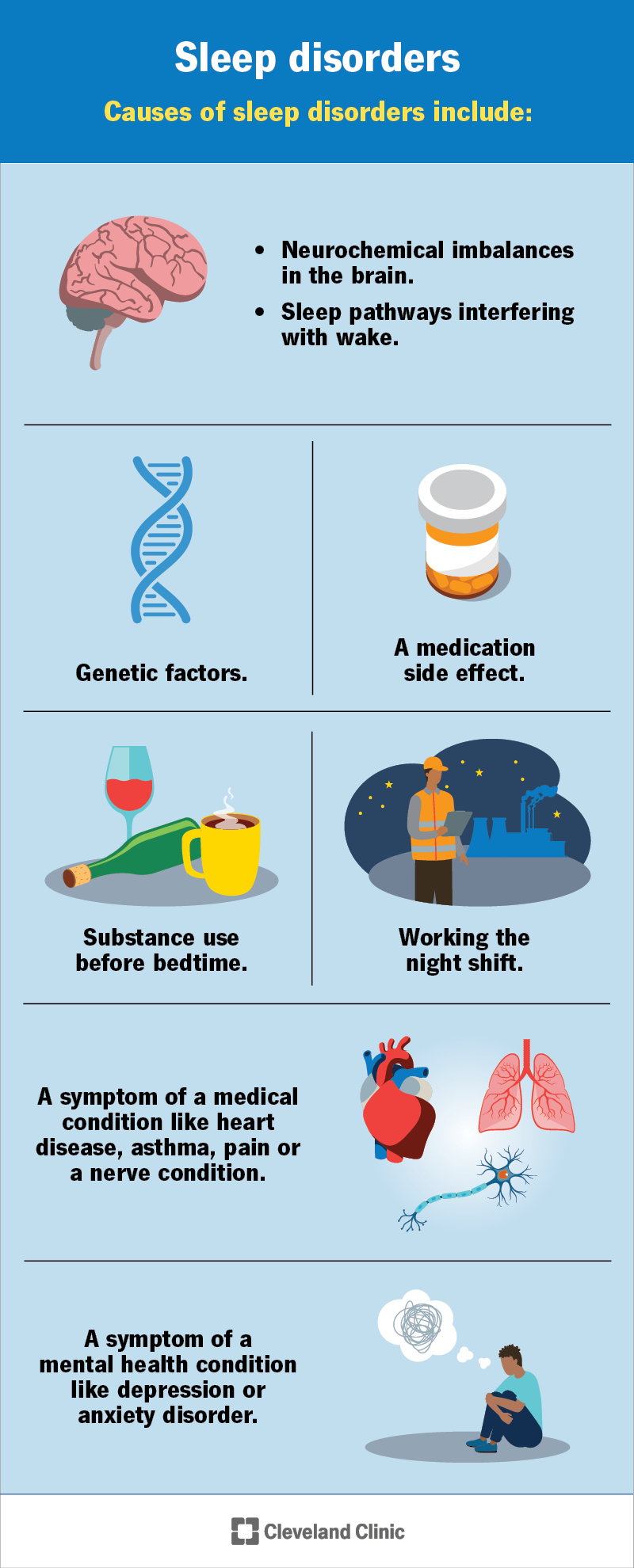
Good sleep is essential for health, but it does not solve every problem. Sometimes, sleep troubles signal deeper issues. Knowing when to seek help can protect your well-being. Early action can prevent more serious health concerns.
Signs Of Sleep Disorders
Difficulty falling asleep or staying asleep is a common sign. Waking up very tired or feeling sleepy during the day also matters. Loud snoring, gasping for air at night, or pauses in breathing can indicate sleep apnea. Restless legs, frequent night waking, or nightmares may signal other disorders. If these signs appear often, professional advice is important.
Professional Treatments
Doctors use different tests to find sleep problems. Sleep studies record brain activity, breathing, and heart rate during sleep. Treatments vary by condition. For sleep apnea, a CPAP machine helps keep airways open. Medications or therapy may help with insomnia or restless legs. Lifestyle changes often support treatment. Seeking help leads to better rest and health.
Frequently Asked Questions
Can Good Sleep Cure All Health Problems?
Good sleep improves overall health but cannot cure all problems. It supports immune function, mental health, and healing. However, some conditions need medical treatment beyond sleep. Sleep is vital but not a standalone cure.
How Does Sleep Affect Mental Health?
Sleep regulates mood and cognitive function. Poor sleep increases risks of anxiety and depression. Quality sleep helps improve memory, focus, and emotional stability. Mental well-being relies heavily on consistent, restful sleep.
Can Lack Of Sleep Cause Chronic Diseases?
Yes, chronic sleep deprivation increases risks of heart disease, diabetes, and obesity. It disrupts hormone balance and immune function. Long-term poor sleep can worsen existing conditions and impair healing.
Is 8 Hours Of Sleep Necessary For Good Health?
Generally, 7-9 hours of sleep is recommended for adults. Individual needs vary by age and lifestyle. Consistent sleep within this range supports physical and mental health effectively.
Conclusion
Good sleep plays a big role in keeping us healthy. It helps our body heal and our mind stay clear. Yet, sleep alone cannot fix every health problem. A healthy diet, exercise, and medical care matter too. Sleep is one piece of the puzzle.
Taking care of all parts brings the best results. Remember, rest well, but also live well. Balance is key for a strong, healthy life.