
You might reach for decaf coffee expecting to skip the caffeine buzz entirely. But have you ever wondered if decaf is truly caffeine-free?
Understanding what’s really in your cup can change how you think about your daily coffee routine. If you want to know how much caffeine you’re actually getting and whether decaf is the right choice for you, keep reading. This article will clear up common myths and give you the facts you need to make smarter coffee decisions.
:max_bytes(150000):strip_icc()/How-Is-Decaf-Coffee-Made-FT-BLOG1223-f746f5fe9fb448519d484d11676a77ff.jpg)
Quick Navigation
What Is Decaf Coffee?
Decaf coffee is a popular choice for those who want less caffeine. But what exactly is decaf coffee? It is coffee made from beans that have most of their caffeine removed. This process helps people enjoy coffee without the strong effects of caffeine.
The taste of decaf coffee is similar to regular coffee. It keeps the flavor but lowers the caffeine content. Many people choose decaf to avoid jitters or trouble sleeping.
How Is Decaf Coffee Made?
The caffeine is removed using water, steam, or chemicals. These methods take out caffeine but keep the coffee flavor. The beans go through a special process before roasting.
Does Decaf Coffee Contain Any Caffeine?
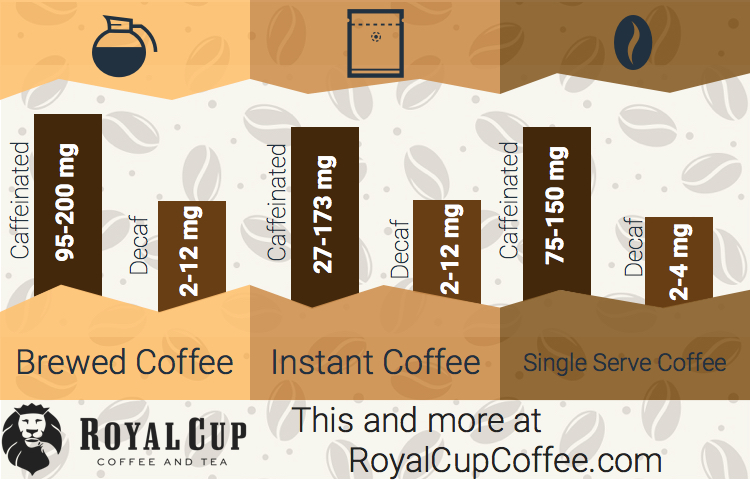
Decaf coffee is not fully caffeine-free. It still has a small amount of caffeine left. Usually, it contains about 2 to 5 mg per cup. Regular coffee has much more, around 70 to 140 mg.
Why Do People Choose Decaf Coffee?
Some people are sensitive to caffeine. Others want to drink coffee later in the day. Decaf helps them enjoy coffee without side effects. It is a good option for those avoiding caffeine for health reasons.
How Decaf Coffee Is Made
Decaf coffee starts as regular coffee beans. The caffeine is removed before roasting. This process keeps most of the flavor but lowers caffeine. Different methods remove caffeine in various ways. Each way affects taste and caffeine level.
Common Decaffeination Methods
One method uses water to wash out caffeine. Beans soak in water, and caffeine dissolves. Another method uses a solvent to pull caffeine out. Solvents include chemicals like methylene chloride or ethyl acetate. A third way uses carbon dioxide under pressure. This gas extracts caffeine but keeps flavor.
Effectiveness Of Each Method
Water method removes about 97% of caffeine. Solvent methods also remove near 97% caffeine. Carbon dioxide method can remove up to 99% caffeine. None of these methods remove all caffeine. Small amounts remain in decaf coffee. Taste changes depend on the method used.
Caffeine Content In Decaf Coffee
Decaf coffee is often thought to be free of caffeine. This is not entirely true. It contains a small amount of caffeine. Understanding the caffeine content helps set the right expectations.
Typical Caffeine Levels
Decaf coffee usually has 2 to 5 milligrams of caffeine per cup. Regular coffee can have 70 to 140 milligrams. So, decaf has much less caffeine but is not zero. The exact amount varies by brand and brewing method.
Factors Affecting Residual Caffeine
The decaffeination process affects how much caffeine stays in the beans. Different methods remove different amounts. Water, chemical solvents, or carbon dioxide are common methods. Bean type and roast level also matter. Darker roasts may have slightly less caffeine. Brewing time and coffee-to-water ratio change caffeine levels too.

Health Implications Of Residual Caffeine
Decaf coffee is popular among those who want to reduce caffeine intake. But it is not fully caffeine-free. Small amounts of caffeine remain after the decaffeination process. These residual amounts can affect health in subtle ways. Understanding the health implications of residual caffeine is important.
Who Should Avoid Even Small Amounts?
People sensitive to caffeine should avoid decaf coffee. This includes pregnant women. Even small caffeine amounts can increase risk during pregnancy. Those with heart problems must be cautious too. Caffeine can raise heart rate and blood pressure. Individuals with anxiety or sleep disorders should avoid it. Caffeine can worsen these conditions. Children and teenagers also benefit from avoiding caffeine. Their bodies are more sensitive to its effects.
Potential Benefits Of Decaf
Decaf coffee offers many benefits despite residual caffeine. It has antioxidants that protect cells. It may improve liver health and reduce disease risk. Decaf can provide the coffee taste without strong stimulation. This helps people enjoy coffee without sleep disruption. It also lowers chances of caffeine-related side effects. Decaf is a good choice for those reducing caffeine slowly.
Comparing Decaf With Regular Coffee
Comparing decaf coffee with regular coffee helps us understand their key differences. Both come from the same coffee beans. The main change is the caffeine content. This change affects taste and nutrition. These differences matter to many coffee drinkers.
Taste Differences
Decaf coffee usually tastes milder than regular coffee. The process to remove caffeine can also remove some flavors. This leads to a less bitter and less rich taste. Regular coffee has a stronger, bolder flavor. Some people prefer decaf because it is softer on the palate. Others choose regular coffee for its full taste and aroma.
Nutritional Differences
Decaf coffee contains very little caffeine but is not caffeine-free. Regular coffee has about 70-140 mg of caffeine per cup. Decaf usually has 2-5 mg per cup. Both types have similar amounts of antioxidants and nutrients. These nutrients can help protect the body from damage. Decaf coffee may be better for those sensitive to caffeine. Both drinks offer some health benefits without many calories or fat.
Tips For Choosing Decaf Coffee
Choosing the right decaf coffee can be tricky. Not all decaf options are the same. Some still have small amounts of caffeine. It helps to know what to check before buying. This guide shares simple tips to pick the best decaf coffee for you.
Label Reading
Always read the coffee label carefully. Look for the word “decaffeinated” or “decaf.” Check the caffeine content if listed. Some labels show “99.9% caffeine removed.” This means tiny caffeine traces may remain. Note the decaffeination method used. Water process and CO2 methods are natural and safer. Avoid coffees that use chemicals like methylene chloride. Labels often mention the process type. Choose the one you trust most.
Trusted Brands
Pick brands known for quality and safety. Trusted brands follow strict rules. They ensure low caffeine levels in decaf coffee. These companies often share details about their decaf process. Reviews and ratings can help find good options. Choose brands that test their products regularly. This reduces the risk of caffeine surprises. Sticking with trusted names brings peace of mind.
Frequently Asked Questions
Is Decaf Coffee Completely Free Of Caffeine?
No, decaf coffee is not entirely caffeine-free. It contains about 2-5 mg of caffeine per cup, much less than regular coffee. The caffeine is mostly removed but small traces remain naturally.
How Is Caffeine Removed From Decaf Coffee?
Caffeine is removed using water, chemical solvents, or carbon dioxide methods. These processes extract most caffeine while preserving flavor. The method affects how much caffeine remains in the coffee.
Can Decaf Coffee Affect Sleep Or Cause Jitters?
Decaf coffee has minimal caffeine, so it rarely causes jitters or sleep issues. Sensitive individuals may still react to small caffeine amounts. Generally, it is safer for those avoiding caffeine effects.
Why Does Decaf Coffee Still Taste Like Regular Coffee?
Decaf coffee retains coffee’s natural flavors since only caffeine is removed. The roasting and brewing process keeps the taste profile similar. This makes decaf a good alternative for flavor without the caffeine.
Conclusion
Decaf coffee is not completely free of caffeine. It contains a small amount, usually much less than regular coffee. This small caffeine level may not affect most people. But those sensitive to caffeine should be careful. Choosing decaf can help reduce caffeine intake.
It offers a good option for those wanting less caffeine. Understanding this helps you make better coffee choices. Enjoy your coffee with the right knowledge.