
Do you often wake up feeling restless and wonder if it means your sleep was poor? Restlessness during the night can be frustrating, leaving you tired and out of focus the next day.
But is it always a sign that your sleep wasn’t good? Understanding what restlessness really means can help you take control of your nights and improve how you feel every morning. Keep reading to discover the surprising truths about restlessness and sleep—and find out what you can do to wake up refreshed and energized.
Quick Navigation
Restlessness And Sleep Quality
Restlessness can affect sleep quality in many ways. It does not always mean poor sleep. Sometimes, restlessness is a normal part of the sleep process. Understanding how restlessness shows up can help identify if sleep quality is truly affected.
Sleep quality depends on several factors. Restlessness may be one sign, but it is not the only one. Knowing what causes restlessness helps to improve sleep habits and overall rest.
How Restlessness Manifests During Sleep
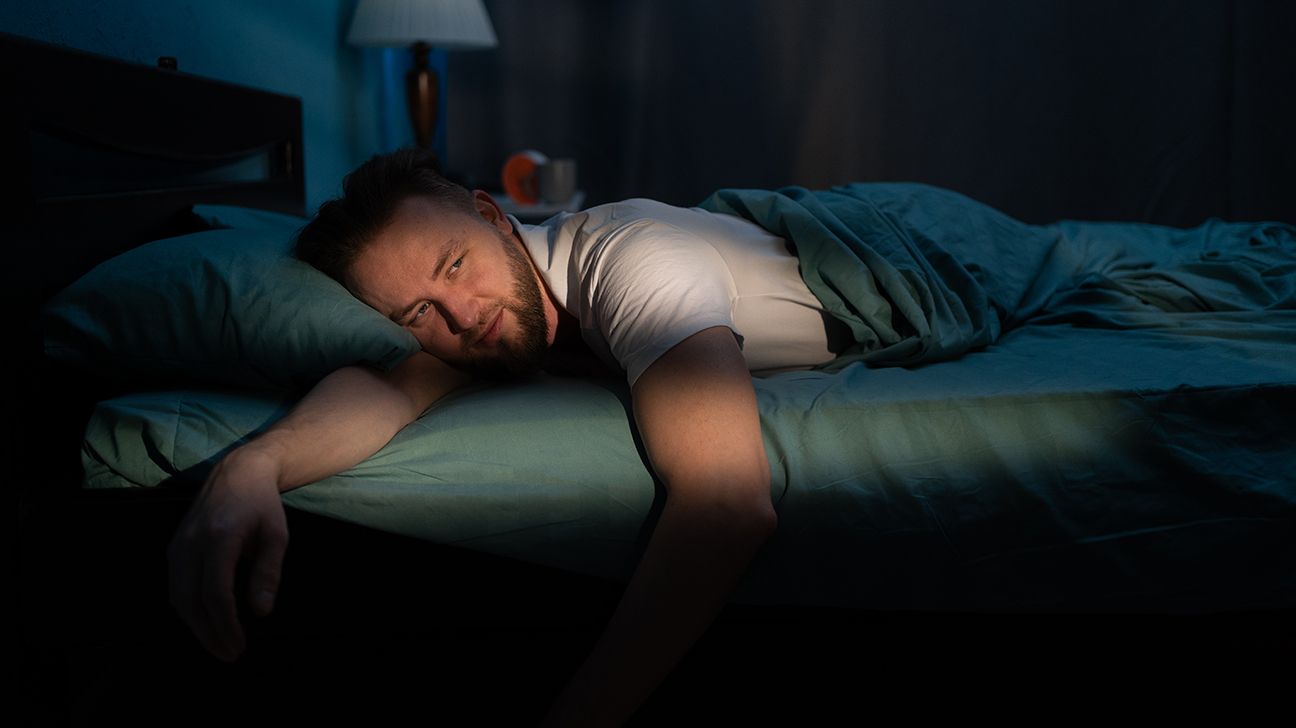
Restlessness appears as tossing and turning in bed. People may wake up several times at night. Muscle twitches or sudden movements also show restlessness. Sometimes, restlessness causes brief awakenings without full awareness. These movements can disrupt deep sleep stages. Not all restlessness means a bad night’s sleep. Some movements are natural and help the body adjust.
Common Causes Of Restless Nights
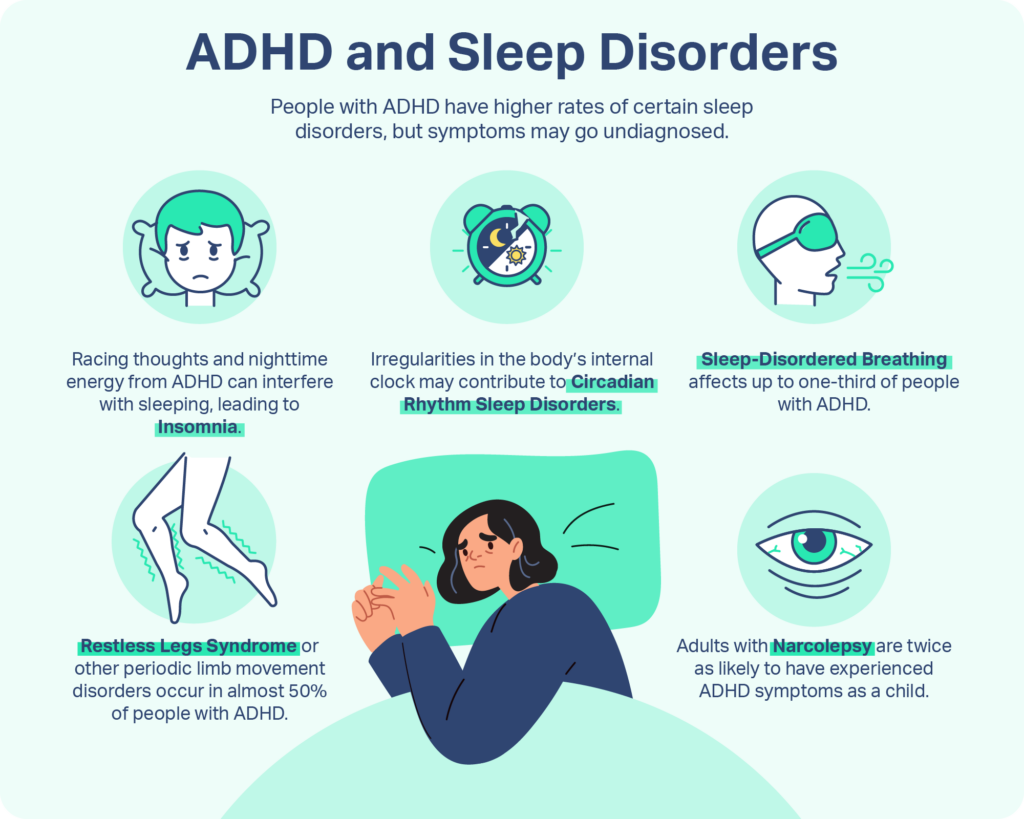
Stress is a frequent cause of restless sleep. Anxiety makes it hard to relax and stay asleep. Poor sleep environment, like noise or light, triggers restlessness. Medical conditions such as restless leg syndrome cause involuntary movements. Consuming caffeine or heavy meals before bed can increase restlessness. Lack of physical activity during the day also affects sleep quality. Identifying these causes can help reduce restless nights.
When Restlessness Signals Poor Sleep
Restlessness during sleep can sometimes point to poor sleep quality. Not every movement means bad sleep. But frequent tossing and turning might signal a deeper problem. Understanding when restlessness affects sleep helps improve overall health.
Sleep is a complex process with different stages. Restlessness can interrupt these stages and reduce their benefits. Recognizing this link is important to identify poor sleep patterns.
Impact On Sleep Stages
Restlessness often breaks the natural cycle of sleep stages. Deep sleep, crucial for body repair, gets shorter. Light sleep stages may increase, causing frequent awakenings. This leads to fragmented sleep and less rest. REM sleep, important for memory and mood, can also decrease. Poor sleep stages reduce how refreshed a person feels.
Effects On Daytime Functioning
Restless sleep affects how the body works during the day. It causes tiredness and lack of focus. Mood swings and irritability become more common. Physical energy drops, making daily tasks harder. Poor sleep also weakens the immune system. Long-term restlessness may increase risks of health problems.
Restlessness Without Sleep Problems
Restlessness often signals poor sleep. Yet, some people feel restless without sleep problems. This restlessness can happen even after a full night’s rest. Understanding why restlessness occurs without sleep issues helps find the right solutions.
Physical And Mental Factors
Restlessness can come from many physical reasons. Muscle discomfort, pain, or illness may cause constant movement. Some medicines also lead to feeling restless. On the mental side, stress and anxiety often cause restlessness. The brain stays active, making stillness hard. Sometimes, restlessness occurs from excitement or anticipation. The body reacts even if sleep is fine.
Temporary Vs Chronic Restlessness
Temporary restlessness lasts a short time. It may follow a stressful day or too much caffeine. This type usually goes away on its own. Chronic restlessness stays for weeks or months. It might signal a health issue or a sleep disorder not yet diagnosed. Tracking restlessness patterns helps doctors find causes. Treatment varies based on how long restlessness lasts.
Other Reasons Behind Restless Behavior
Restlessness does not always mean poor sleep. Several other factors can cause restless behavior. Understanding these reasons helps to address the problem better.
Sometimes, restlessness comes from things beyond sleep quality. It can be linked to mental or physical health. Recognizing these causes is important for finding relief.
Stress And Anxiety
Stress and anxiety often cause restlessness. The mind stays active and uneasy. This makes it hard to relax or stay still.
Worrying about daily problems or future events can trigger this. It affects both sleep and awake times. People may feel restless even after good sleep.
Managing stress through simple steps can reduce restlessness. Deep breathing, meditation, or gentle exercise helps calm the mind. Talking to someone about worries also provides relief.
Medical Conditions And Medications
Certain medical conditions cause restlessness too. Thyroid problems, restless leg syndrome, and chronic pain are common causes. These conditions affect the body’s ability to relax.
Some medications list restlessness as a side effect. Stimulants, antidepressants, and asthma drugs may cause this. Always discuss side effects with a doctor.
Proper diagnosis and treatment of medical issues reduce restless behavior. Doctors can adjust medications or suggest therapies to help.
Improving Restlessness And Sleep Health
Restlessness during sleep can feel frustrating and tiring. It affects how you feel during the day. Improving restlessness helps you get better sleep and more energy. Simple steps can make a big difference in your sleep health.
Lifestyle Changes
Daily habits impact how well you sleep. Avoid caffeine and heavy meals before bedtime. Try to keep a regular sleep schedule, even on weekends. Exercise helps, but not right before sleep. Relax with calm activities like reading or light stretching.
Sleep Environment Tips
Your bedroom should be quiet, dark, and cool. Use comfortable pillows and mattresses. Remove electronic devices that can disturb sleep. Block out noise with earplugs or white noise machines. Keep your room clean and clutter-free for calmness.
When To Seek Professional Help
Restlessness that lasts for weeks needs attention. Talk to a doctor if tiredness affects your daily life. Sleep disorders like insomnia or restless leg syndrome need expert care. A professional can suggest treatments or tests to help you sleep better.
:max_bytes(150000):strip_icc()/Health-Sleep-Disorders-GettyImages-1455777191-BLUE-horiz-d240b58860bd457a83ed710700ed23d7.jpg)
Frequently Asked Questions
What Causes Restlessness Besides Poor Sleep?
Restlessness can stem from stress, anxiety, caffeine, or medical conditions. It’s not always linked to sleep quality but can affect it indirectly.
Can Poor Sleep Always Lead To Restlessness?
Poor sleep often causes restlessness, but not always. Other factors like lifestyle and mental health also influence restlessness during the day.
How Can I Improve Sleep To Reduce Restlessness?
Improving sleep hygiene, reducing caffeine, managing stress, and maintaining a consistent sleep schedule helps reduce restlessness and enhances overall sleep quality.
Is Restlessness A Symptom Of Sleep Disorders?
Yes, restlessness can indicate sleep disorders like restless leg syndrome or insomnia. If frequent, consult a healthcare professional for diagnosis.
Conclusion
Restlessness does not always mean poor sleep. Many things can cause it, like stress or health issues. Sometimes, you might move a lot but still sleep well. Knowing why you feel restless helps find the right solution. Pay attention to your body and habits.
Good sleep is about quality, not just restlessness. If restlessness affects your day, talk to a doctor. Taking small steps can improve your sleep and health. Sleep well, feel better, and stay active.