
As an Amazon Associate I earn from qualifying purchases.
Are you struggling to get a good night’s rest? You’ve probably tried everything from blackout curtains to calming teas.
Now, you might be wondering if sleep apps can really help you sleep better. These apps promise to track your sleep, give you tips, and even lull you into dreamland. But do they actually make a difference, or are they just another gadget taking up space on your phone?
Keep reading to find out how sleep apps work, what science says about their effectiveness, and whether they could be the key to improving your sleep tonight.

Quick Navigation
How Sleep Apps Work
Sleep apps use technology to help you understand your sleep better. They collect data while you sleep and give insights. This process involves several steps that work together.
Tracking Sleep Patterns
Sleep apps track your movements and sounds during the night. They use sensors in your phone or wearable devices. These sensors detect when you fall asleep, wake up, and your sleep cycles. This data helps map your sleep pattern over time.
Analyzing Sleep Quality
The app studies the collected data to measure sleep quality. It looks at how long you spend in deep and light sleep. It also checks for interruptions and restlessness. This analysis shows how well you sleep each night.
Providing Sleep Recommendations
Based on your sleep data, the app offers tips to improve sleep. These may include bedtime routines, avoiding screens, or relaxation exercises. The advice aims to help you sleep more soundly and feel rested.
Benefits Of Using Sleep Apps
Sleep apps have become popular tools for people trying to improve their sleep quality. These apps offer more than just tracking. They help users understand their sleep patterns and encourage better routines. Using a sleep app can bring several benefits that support healthier sleep habits and greater awareness.
Raising Sleep Awareness
Sleep apps track sleep cycles and provide clear data. Users see how long and how well they sleep each night. This insight helps identify problems like waking up too often. Knowing sleep habits raises awareness about personal sleep quality. It motivates users to make changes for better rest.
Encouraging Healthy Habits
Many apps suggest simple steps to improve sleep. These may include setting a regular bedtime or reducing screen time. Some apps offer relaxation exercises or calming sounds. These features promote habits that support falling asleep faster. Following these tips can lead to more consistent, restful sleep.
Convenience And Accessibility
Sleep apps are easy to use on smartphones. Users can check sleep data anytime and anywhere. This convenience makes it simple to stay on track with sleep goals. No need for special equipment or visits to sleep clinics. Accessibility helps more people work on improving their sleep daily.
Limitations And Challenges
Sleep apps promise better rest by tracking sleep patterns and offering tips. Yet, they come with limits and challenges. These factors can affect their effectiveness and user trust. Knowing these issues helps users make smart choices about using sleep apps.
Accuracy Of Data
Sleep apps rely on sensors in phones or wearables. These sensors may not capture all sleep details correctly. Movements, heart rate, or noise can be misread. This may lead to wrong sleep stage reports. Users might get false comfort or unnecessary worry from app data.
Overreliance On Technology
Some users trust apps too much for sleep advice. This can stop them from seeking real medical help. Apps cannot diagnose sleep disorders or replace doctors. Overdependence on technology might delay proper treatment. Sleep habits need personal attention beyond just app suggestions.
Privacy Concerns
Sleep apps collect sensitive personal data like sleep patterns and health stats. This data might be shared with third parties. Many apps lack strong privacy protection. Users risk losing control over their private information. It’s important to read privacy policies before using any sleep app.
Scientific Evidence On Effectiveness
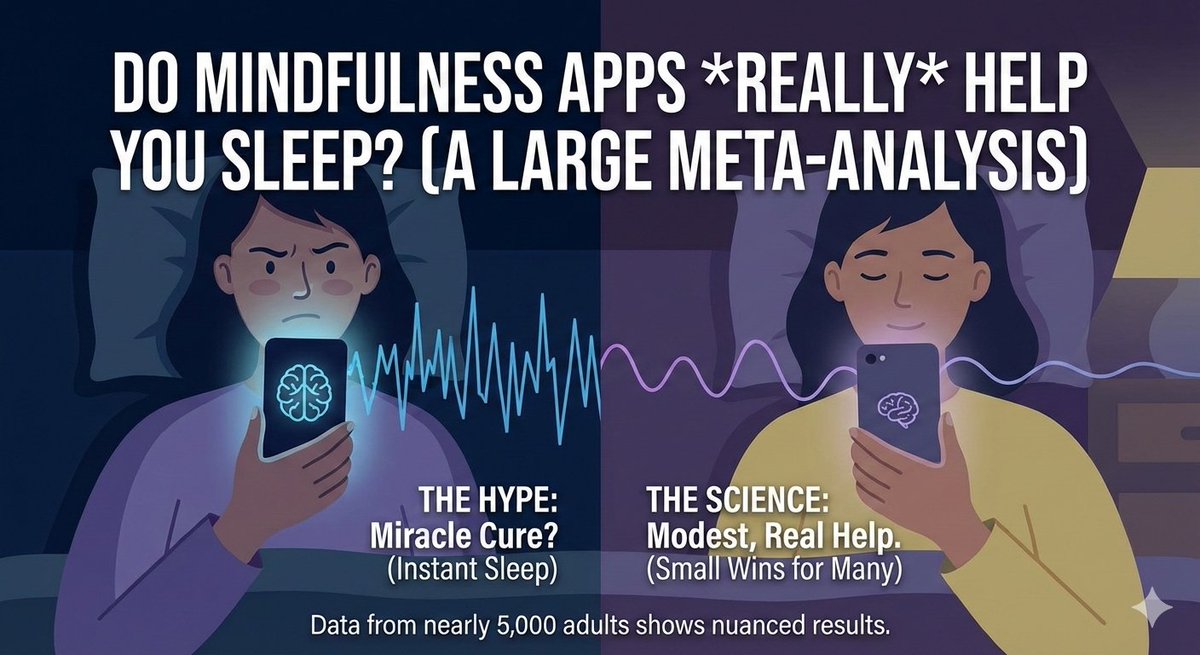
Many people use sleep apps hoping for better rest. These apps track sleep patterns and offer tips. But do they really help improve sleep quality? Scientists have studied sleep apps to find out their true effects. The results show a mix of promising and weak evidence. Understanding these studies helps you decide if a sleep app fits your needs.
Studies Supporting Sleep Apps
Some research shows sleep apps can help users sleep better. These studies find users fall asleep faster and wake less at night. Apps that combine tracking with relaxation exercises show good results. One study found improved sleep quality after four weeks of app use. Many apps teach good sleep habits, which can lead to lasting change. Tracking sleep patterns also raises awareness of sleep problems. This awareness can motivate users to seek better sleep routines.
Research Highlighting Shortcomings
Other studies point out limits of sleep apps. Some apps lack accuracy in tracking sleep stages. They often confuse light sleep with awake time. Many studies rely on self-reported data, which can be unreliable. The placebo effect may influence positive feedback. Some users improve sleep due to changes in behavior, not the app itself. Also, few apps are tested by medical experts. Sleep disorders need professional diagnosis, which apps cannot provide. Users should be cautious and not rely solely on apps for serious sleep issues.
Alternatives To Sleep Apps
Sleep apps offer help, but they are not the only solution. Many people find better rest through other methods. Alternatives can suit different needs and habits. These options often focus on habits, professional support, and lifestyle changes. They may lead to more lasting sleep improvements.
Traditional Sleep Hygiene Techniques
Good sleep starts with simple habits. Keep a regular sleep schedule by going to bed and waking up at the same time daily. Avoid caffeine and heavy meals before bedtime. Create a calm and dark bedroom environment. Limit screen time an hour before sleep. These small changes help your body relax and prepare for rest.
Professional Sleep Therapy
Some sleep problems need expert help. Sleep therapists use techniques like cognitive behavioral therapy for insomnia (CBT-I). This therapy changes thoughts and habits that harm sleep. Professionals can also diagnose sleep disorders such as sleep apnea. Therapy sessions provide personalized plans and support. This method often brings long-term sleep improvements.
Lifestyle Changes
Daily habits affect sleep quality. Exercise regularly but not close to bedtime. Manage stress with relaxation exercises or meditation. Avoid nicotine and alcohol late in the day. Drinking water earlier helps prevent waking at night. These lifestyle changes support deeper and more restful sleep over time.
Tips For Choosing The Right Sleep App
Choosing the right sleep app can help improve your sleep quality. Many apps offer different tools and features. Picking the best one depends on your needs. Some apps track sleep cycles while others provide calming sounds. It is important to know what matters most to you before downloading.
Features To Look For
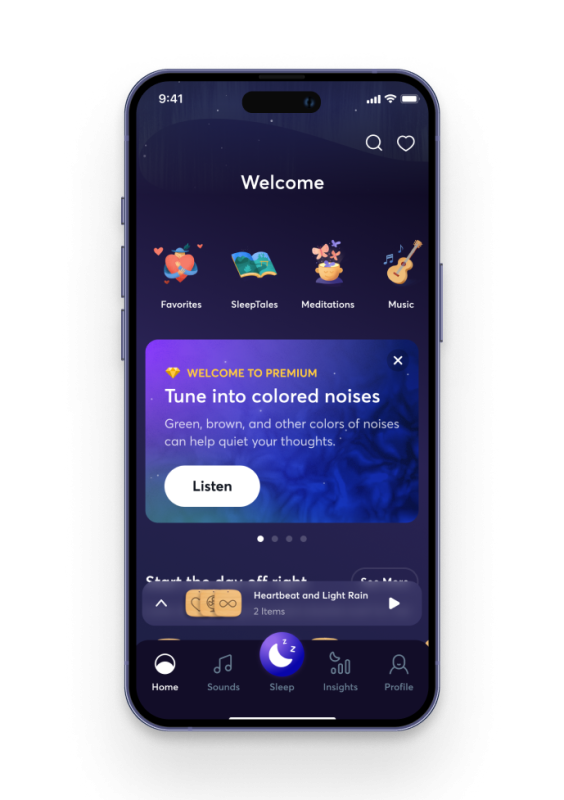
Find apps with clear sleep tracking and easy-to-read data. Look for options that include soundscapes or guided meditations. Some apps offer smart alarms that wake you gently. A simple interface helps avoid confusion at night. Check if the app gives personalized tips based on your sleep patterns.
User Reviews And Ratings
Read user reviews to learn about real experiences. High ratings often show that many people trust the app. Pay attention to comments about accuracy and ease of use. See if users mention good customer support or regular updates. Negative reviews might warn you about bugs or poor design.
Compatibility And Cost
Make sure the app works with your phone or device. Some apps require newer models or specific operating systems. Check if the app is free or requires payment. Free apps may have limited features or ads. Decide if a paid app offers enough value for better sleep help.
Frequently Asked Questions
Do Sleep Apps Really Help Improve Sleep Quality?
Sleep apps can help track sleep patterns and identify issues. They provide insights to improve sleep habits. However, effectiveness varies by app and user commitment. Apps alone don’t guarantee better sleep but can support healthier routines.
How Accurate Are Sleep Tracking Apps?
Sleep tracking apps use sensors to estimate sleep stages and movements. While useful, they are less accurate than clinical sleep studies. Accuracy depends on device quality and user behavior. Use app data as a general guide, not a medical diagnosis.
Can Sleep Apps Diagnose Sleep Disorders?
Most sleep apps cannot diagnose disorders like sleep apnea or insomnia. They detect sleep patterns but lack clinical precision. For diagnosis, consult a healthcare professional or sleep specialist. Apps are tools for awareness, not medical evaluation.
What Features Make A Sleep App Effective?
Effective sleep apps offer accurate tracking, personalized advice, and relaxation aids. Features like smart alarms and sleep coaching enhance user experience. Integration with wearable devices improves data quality. Choose apps with positive reviews and scientific backing for best results.
Conclusion
Sleep apps can help track and improve your sleep habits. They give useful data about your sleep patterns. Some people find them helpful to sleep better. But apps are not a cure for serious sleep problems. Good sleep also needs healthy habits and a calm mind.
Try apps as a tool, not a full solution. Listen to your body and seek advice if needed. Sleep well, live well.