
As an Amazon Associate I earn from qualifying purchases.
Have you ever wondered if skipping your pillow could actually improve your sleep and health? You might be surprised to learn that sleeping without a pillow could change the way you feel when you wake up.
Your neck, back, and even your skin might benefit from this simple change. But is it really better for you, or just a strange trend? Keep reading to discover the truth about sleeping without a pillow and find out if it’s the right choice for your body and well-being.
Quick Navigation
Benefits Of Sleeping Without A Pillow
Sleeping without a pillow offers several health benefits. Many people find their body feels better and pain reduces. It can help the spine stay in a natural position. Breathing might also improve during sleep. Skin health can see positive changes too. These benefits make skipping a pillow worth trying for some.
Improved Spinal Alignment
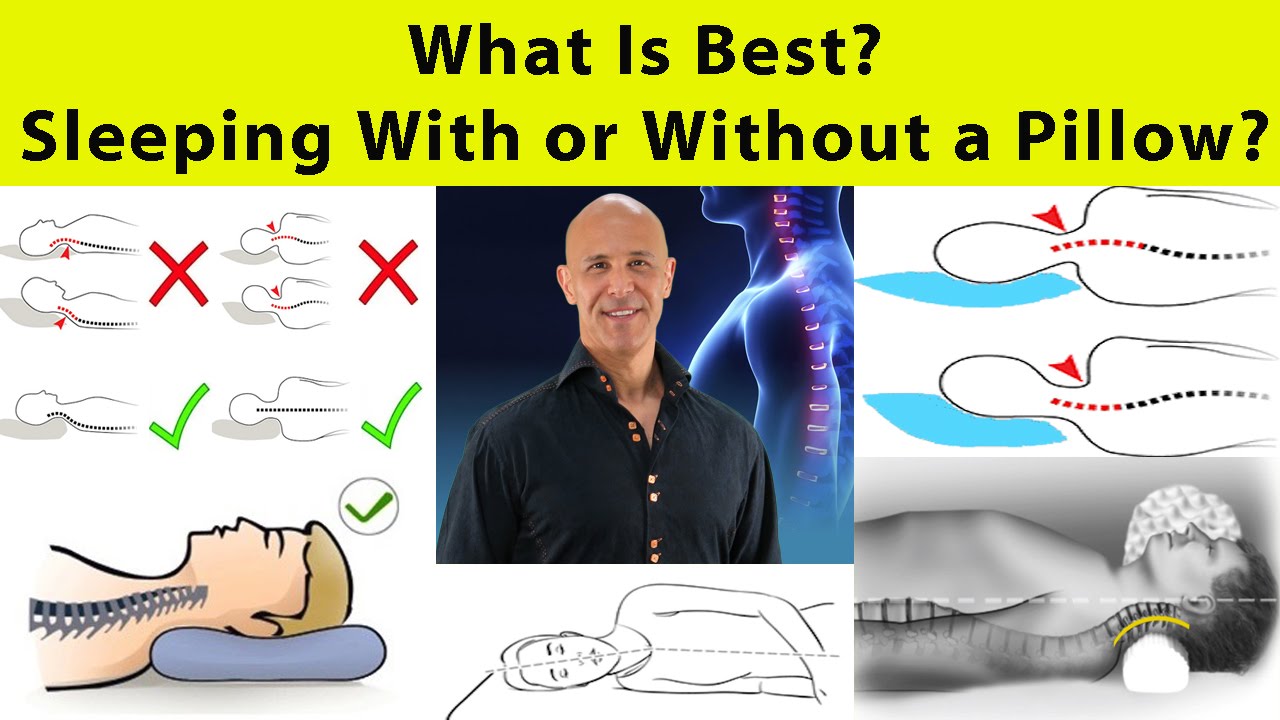
Without a pillow, the head stays level with the spine. This helps keep the neck straight. A straight spine reduces stress on muscles and joints. It prevents unnatural bending that causes discomfort. Proper alignment supports better posture during the day.
Reduced Neck And Back Pain
Using no pillow can relieve neck pressure. It stops the neck from bending too much. Less strain means less pain in the neck and back. Many people report feeling less stiffness in the morning. Sleeping flat may help muscles relax fully.
Enhanced Breathing And Airflow
Sleeping without a pillow can open airways more. This allows easier and deeper breaths. Better airflow reduces snoring and sleep apnea risks. It supports improved oxygen flow to the body. Good breathing helps the body rest and recover.
Prevention Of Wrinkles And Skin Issues
Skipping a pillow lowers face pressure on bedding. Less pressure means fewer wrinkles over time. Skin can breathe better without constant rubbing. This reduces irritation and acne chances. A smooth, healthy face feels more refreshed.
Potential Drawbacks To Consider
Sleeping without a pillow might seem natural or healthy to some people. Still, it can cause problems for others. Before deciding to ditch your pillow, know the possible downsides. These drawbacks may affect your comfort and sleep quality. Understanding them helps you make a better choice for your sleep habits.
Discomfort For Side Sleepers
Side sleepers often need support to keep their neck aligned. Without a pillow, the head may tilt down or up. This can cause neck pain or stiffness. The lack of cushioning might also put pressure on the shoulder. Side sleepers may find it hard to stay comfortable all night.
Impact On Sleep Quality
Good sleep depends on comfort and body support. Sleeping without a pillow might cause tossing and turning. Poor neck and spine alignment can lead to waking up tired. Some people may experience headaches or muscle aches. These issues reduce the overall quality of sleep.
Adjustment Period Challenges
Changing sleep habits takes time and patience. The body may feel strange at first without a pillow. You might wake up with soreness or discomfort. This adjustment period can last days or weeks. Many give up too soon before the body adapts.
Who Should Avoid Sleeping Without A Pillow
Not everyone benefits from sleeping without a pillow. Some people may feel pain or discomfort by skipping a pillow. Understanding who should avoid this practice helps protect your health and sleep quality.
People With Certain Medical Conditions
People with neck or back problems should keep using a pillow. A pillow supports the spine’s natural curve. Without it, pain and stiffness can increase.
Those with arthritis or disc issues in the neck or upper back may find their pain worsens. A pillow helps reduce pressure on these areas.
People with acid reflux or breathing problems also need a pillow. Elevating the head helps keep airways open and reduces acid flow.
Those With Specific Sleep Disorders
People with sleep apnea should avoid sleeping flat without a pillow. Proper head support helps keep the airway open during sleep.
Those with snoring issues may find symptoms worse without a pillow. It can cause the tongue to block the throat.
People with insomnia or restless sleep often need a pillow for comfort. Removing it can cause tossing and turning.
Tips For Transitioning To Pillow-free Sleep
Switching to sleeping without a pillow takes time and care. The body needs to adjust to new sleep positions and support. Small steps help avoid discomfort and improve sleep quality. Follow these tips to make the change easier and more comfortable.
Gradual Reduction Techniques
Start by using a thinner pillow each night. Slowly lower the pillow height over days or weeks. This helps your neck and back get used to less support. Try sleeping without a pillow for short naps first. Gradual change reduces strain and helps your muscles relax.
Alternative Support Options
Use a rolled towel or small cushion under your neck. This gives gentle support while you adjust. Some people prefer a neck roll for natural spine alignment. Avoid thick or soft pillows that may strain your neck. Choose firm but gentle support to stay comfortable.
Creating A Comfortable Sleep Environment
Make sure your mattress is firm and supports your body well. Keep your bedroom cool and quiet for better rest. Use breathable bedding to avoid overheating during the night. A calm, cozy space helps your body relax without a pillow. Good sleep habits ease the transition and improve comfort.
Comparing Pillow Types And Their Effects
Choosing the right pillow affects sleep quality and health. Different pillow types offer various support levels and comfort. Some help keep the spine aligned, while others focus on softness. Understanding pillow types helps in making the best choice for restful sleep.
Memory Foam Vs. Traditional Pillows
Memory foam pillows mold to the head and neck shape. They provide firm support and reduce pressure points. Traditional pillows, like feather or polyester, are softer and less supportive. Memory foam helps maintain spine alignment better than traditional types. Some people find memory foam too hot. Traditional pillows may lose shape quickly. Both have pros and cons for comfort and health.
Ergonomic Pillow Designs
Ergonomic pillows are made to support natural neck curves. They help reduce neck pain and stiffness. These pillows often have a contoured shape for better alignment. People with neck problems may benefit from ergonomic designs. They come in various sizes and firmness levels. Ergonomic pillows can improve breathing and reduce snoring. Not all ergonomic pillows suit every sleeper though.
Natural Material Pillows
Natural pillows use materials like cotton, wool, or latex. They often breathe better and stay cooler during sleep. These pillows are usually hypoallergenic and good for sensitive skin. Natural latex pillows offer firm support and durability. Cotton and wool pillows feel soft but may need frequent fluffing. Choosing natural materials can enhance comfort and reduce allergies. Each natural pillow type has unique benefits to consider.
Expert Opinions And Research Findings
Experts and researchers have studied the effects of sleeping without a pillow. Opinions vary about whether it is healthier or not. Some studies suggest benefits, while some doctors advise caution. Understanding these views helps you make an informed choice.
Studies Supporting Pillow-free Sleep
Some research shows that sleeping without a pillow can improve spinal alignment. It may reduce neck and back pain for certain people. A study found that people who sleep on their back without a pillow felt less strain on their neck. Others report better posture and fewer headaches. These findings suggest pillow-free sleep might help some individuals.
Contrasting Medical Advice
Many doctors recommend using a pillow for proper support. Pillows help keep the neck aligned with the spine. Without a pillow, the neck may bend unnaturally, causing discomfort. Medical experts warn that pillow-free sleep may worsen neck pain for some. They advise choosing a pillow that suits your sleep position. This advice aims to prevent pain and improve sleep quality.

Frequently Asked Questions
Is Sleeping Without A Pillow Better For Your Spine?
Sleeping without a pillow can help maintain natural spine alignment for some people. It may reduce neck and back pain. However, it depends on your sleeping position and body type. Side sleepers usually need a pillow for proper support.
Can Sleeping Without A Pillow Improve Breathing?
Yes, sleeping without a pillow can improve breathing by keeping airways open. It reduces neck bending, which may decrease snoring and sleep apnea. However, results vary based on individual anatomy and sleep habits.
Who Should Avoid Sleeping Without A Pillow?
People with neck pain, spinal issues, or side sleepers should avoid skipping pillows. Pillows provide crucial support for head and neck alignment. Consult a healthcare professional before changing your sleep setup.
Does Sleeping Without A Pillow Prevent Wrinkles?
Sleeping without a pillow may reduce facial wrinkles caused by pillow pressure. It lessens skin compression and friction during sleep. However, overall skincare and hydration play bigger roles in wrinkle prevention.
Conclusion
Sleeping without a pillow can help some people feel more comfortable. It may improve neck and spine alignment for certain sleepers. But not everyone will benefit the same way. Choosing the right sleep position matters a lot. Listen to your body’s signals each night.
Try different options to find what feels best. Good sleep supports health and daily energy. Small changes can lead to better rest. Sleep well, feel better, and enjoy your days.