
Have you ever wondered if taking a nap during the day helps or hurts your overall sleep? You might feel refreshed after a short rest, but does it affect your ability to fall asleep at night?
Understanding whether naps are good or bad for your sleep can change the way you feel every day. You’ll discover surprising facts about naps that could improve your energy, focus, and nighttime rest. Keep reading to find out how to make naps work for you, not against you.

Quick Navigation
Benefits Of Napping
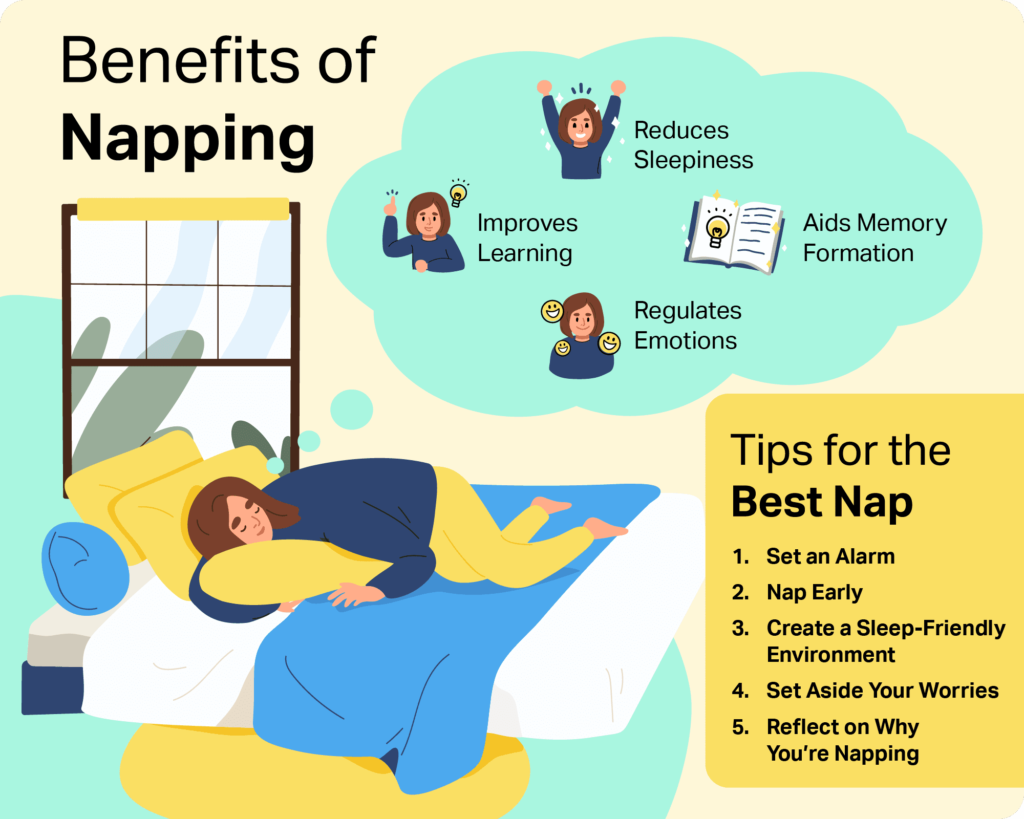
Napping offers many benefits for both the mind and body. Short naps can refresh energy levels and improve how well you function. They provide a quick break from daily tasks and help the brain recharge. Naps also support overall health by improving mental focus and reducing tiredness. Here are some key benefits of napping that make it a healthy habit for many people.
Boosting Alertness And Performance
Naps help increase alertness, making you more awake and focused. A quick rest can reduce feelings of tiredness and improve reaction time. This boost helps with work, study, and daily activities. Even a short nap can enhance your ability to pay attention and complete tasks better.
Enhancing Memory And Learning
Napping supports memory by helping the brain process and store information. After learning something new, a nap can improve recall and understanding. It gives your brain time to organize thoughts and strengthen learning. This makes naps useful for students and anyone who needs to remember details.
Supporting Heart Health
Taking naps can lower stress on the heart and reduce blood pressure. Studies show people who nap regularly may have a lower risk of heart problems. A calm rest period helps the body relax and recover. This rest supports a healthy heart and better overall health.
Reducing Stress Levels
Naps help lower stress by giving your mind a break from daily worries. Resting can calm the nervous system and reduce anxiety. This leads to a better mood and less tension. A short nap can be a simple way to feel more relaxed and refreshed.
Potential Downsides Of Napping
Napping can refresh the mind and body. Yet, naps have some downsides that people should know. These issues can affect how well you sleep at night and how you feel after waking. Understanding these risks helps in making better choices about napping.
Impact On Nighttime Sleep
Naps taken late in the day can make falling asleep at night harder. They may reduce deep sleep needed for full rest. This can lead to shorter sleep duration and tiredness the next day. Nighttime sleep quality often suffers after long or late naps.
Sleep Inertia And Grogginess
Waking up from a nap sometimes causes sleep inertia. This means feeling groggy, confused, or sluggish. The effect can last for several minutes or longer. Short naps under 30 minutes reduce this risk, but longer naps increase it.
Napping And Sleep Disorders
People with sleep disorders may find naps worsen their condition. Naps can confuse the body’s natural sleep cycle. This may increase symptoms of insomnia or sleep apnea. Doctors often advise against napping for those with serious sleep problems.
Effect Of Long Naps On Sleep Quality
Long naps, over 60 minutes, can disrupt normal sleep patterns. They may cause the body to skip important sleep stages. This leads to less restful sleep overall. Long naps also increase the chance of waking up feeling tired or disoriented.
Ideal Nap Duration
Naps can help recharge your body and mind. But the length of your nap plays a big role in how good it feels and how it affects your night sleep. Choosing the right nap time is key to feeling refreshed without feeling groggy or disrupting your regular sleep.
Short Power Naps
Short naps last about 10 to 20 minutes. They boost alertness and energy quickly. These naps avoid deep sleep, so you wake up feeling fresh. A power nap fits well into busy days. It helps improve focus without making you tired afterward.
Longer Naps And Sleep Cycles
Long naps can last 60 to 90 minutes. This length allows your body to complete a full sleep cycle. Full cycles include light sleep, deep sleep, and REM sleep. These naps help with memory and creativity. But waking up during deep sleep can cause grogginess. Timing matters to avoid feeling worse.
Finding Your Optimal Nap Length
Try different nap lengths to see what suits you best. Notice how you feel after short and long naps. Some people need only 15 minutes. Others benefit from a full sleep cycle. Choose a nap that fits your daily routine. Avoid napping too late in the day. This helps keep your night sleep strong and steady.
Best Time To Nap
Napping can boost energy and focus. The timing of naps plays a big role in how well they help. Choosing the right time to nap can improve your overall sleep quality. Let’s explore the best times for napping.
Early Afternoon Naps
The early afternoon is the best time to nap. This usually falls between 1 PM and 3 PM. During this time, your body naturally feels a dip in energy. A short nap now can refresh you without disturbing nighttime sleep. Keep naps between 10 to 30 minutes for best results.
Avoiding Late-day Naps
Napping late in the day can cause trouble falling asleep at night. Avoid naps after 3 PM to prevent sleep problems. Late naps can confuse your body’s internal clock. This may lead to restless nights and tired mornings.
Aligning Naps With Circadian Rhythms
Your body follows a natural sleep-wake cycle called circadian rhythm. Napping during the early afternoon matches this rhythm well. It supports natural energy dips and boosts alertness. Align naps with your body’s schedule for better rest and recovery.
Napping Tips For Better Sleep
Napping can be helpful or harmful to your sleep. Knowing how to nap well helps you feel rested. Follow simple tips to enjoy better naps without hurting your night sleep.
Good naps boost energy and mood. Bad naps make it hard to sleep at night. These tips guide you to nap smartly.
Creating A Relaxing Environment
Choose a quiet, dark place to nap. Dim the lights and reduce noise. Use a comfortable chair or bed. Keep the room cool but not cold. A calm space helps your body relax fast.
Consistency In Nap Schedule
Nap at the same time each day. This trains your body to expect rest. Avoid napping late in the afternoon. Early naps prevent trouble falling asleep later. Regular naps improve your overall sleep cycle.
Listening To Your Body’s Needs
Pay attention to your tiredness signals. Take a nap only when you feel sleepy. Avoid forcing naps if you are wide awake. Short naps of 20 minutes work best. Long naps may leave you groggy or disrupt night sleep.
Napping And Different Age Groups
Napping habits vary widely across different age groups. Each stage of life has unique sleep needs and challenges. Understanding how naps affect children, adults, and older adults helps improve overall sleep quality. It also shows the best ways to use naps for better health and alertness.
Naps For Children And Teens
Children need more sleep than adults. Naps help young kids recharge and grow. Toddlers often take one or two naps daily. These naps support brain development and mood stability. Teens may feel sleepy in the afternoon. Short naps can boost their focus and energy. Too long naps might interfere with night sleep though.
Adult Napping Habits
Adults usually need less sleep than kids. Naps can help reduce tiredness during busy days. A quick nap of 10 to 30 minutes refreshes the mind. Longer naps might cause grogginess or disrupt nighttime sleep. Adults who do shift work or miss sleep benefit most from naps. Regular napping is not needed for everyone.
Napping In Older Adults
Older adults often experience changes in sleep patterns. Nighttime sleep may become shorter or lighter. Naps help them meet total sleep needs. Short naps improve mood and alertness in seniors. Long or late naps might cause difficulty falling asleep at night. Keeping naps brief and early in the day is best.

Frequently Asked Questions
Are Short Naps Beneficial For Overall Sleep Quality?
Short naps, lasting 10-20 minutes, boost alertness and mood without affecting nighttime sleep. They enhance cognitive function and reduce fatigue effectively.
Can Long Naps Disrupt Nighttime Sleep Patterns?
Yes, naps longer than 30 minutes can cause sleep inertia and interfere with falling asleep at night. Avoid long naps late in the day.
How Do Naps Affect People With Insomnia?
Napping may worsen insomnia by reducing sleep drive at night. Insomnia sufferers should limit or avoid naps to improve nighttime sleep.
What Is The Best Time Of Day To Take A Nap?
The ideal nap time is early afternoon, around 1-3 PM. This aligns with the body’s natural dip in alertness and avoids nighttime sleep disruption.
Conclusion
Naps can help improve focus and energy during the day. Short naps, around 20 minutes, work best for most people. Long naps might make it harder to sleep at night. Everyone’s body reacts differently to naps and rest. Listen to your body and find what feels right.
Good sleep habits matter more than just napping. Balance naps with a regular sleep schedule for best results. Rest well and stay healthy.

