
Do you find yourself scrolling on your phone late into the night, hoping it won’t keep you awake? You’ve probably heard that switching to night mode screens can protect your sleep.
But is it really enough? Your sleep quality depends on more than just a blue light filter. If you want to understand what actually helps your brain wind down and get the rest you need, keep reading. This article will reveal surprising facts about night mode screens and what you can do to truly protect your sleep.
Don’t let restless nights take over—discover the truth now.

Quick Navigation
Impact Of Light On Sleep
Light plays a big role in how well we sleep. Our bodies use light signals to know when to be awake and when to rest. Bright light, especially from screens, can confuse this natural rhythm. This confusion can make falling asleep harder and reduce sleep quality. Understanding how light affects sleep helps us find better ways to protect our rest.
Blue Light And Melatonin
Blue light is a type of light emitted by phone and computer screens. It affects the brain by lowering melatonin, the hormone that controls sleep. When melatonin levels drop, the body feels less tired. This makes it difficult to fall asleep at night. Reducing blue light exposure before bed helps the body prepare for sleep.
Screen Time Effects
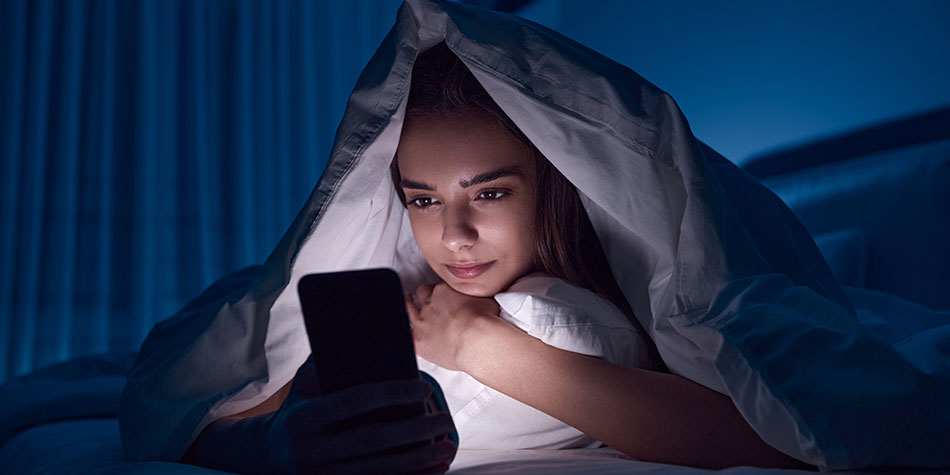
Spending time on screens before bed can delay sleep. The brightness and blue light from devices keep the brain alert. This delay causes less total sleep and poorer sleep quality. Even with night mode screens, some blue light still reaches the eyes. Limiting screen time before bed improves chances of better sleep.
What Night Mode Does
Night mode is a popular feature on many screens today. It aims to reduce eye strain and help improve sleep quality. This mode changes how the screen looks, especially in low light. Understanding what night mode does helps us see if it truly protects our sleep.
Night mode mainly adjusts the colors on your screen. It also lowers the amount of blue light you see. These changes can make a difference in how your eyes and brain react before bedtime.
Color Temperature Shift
Night mode changes the color temperature of your screen. It makes the screen look warmer by adding more red and yellow tones. This shift reduces harsh white and blue light. Warm colors are softer on the eyes and less likely to disrupt sleep.
This shift helps your eyes relax. It may also reduce headaches caused by bright screens. Warmer colors create a more comfortable viewing experience at night.
Reduction In Blue Light
Blue light is a strong light that affects your sleep cycle. Night mode lowers the blue light emitted by the screen. This reduction can help your body produce melatonin. Melatonin is a hormone that controls your sleep-wake cycle.
Less blue light means your brain gets a signal that it is evening. This signal helps you feel sleepy at the right time. Lower blue light exposure can improve sleep quality and duration.
Limitations Of Night Mode
Night mode on screens aims to reduce eye strain and help sleep. It changes the screen colors to warmer tones. Yet, it does not solve all issues. Some limits affect how well night mode protects sleep.
Incomplete Blue Light Blocking
Night mode lowers blue light but does not remove it fully. Blue light still reaches your eyes. This light can disrupt your sleep cycle. The screen remains a source of blue light even in night mode. True blue light filters or glasses block more effectively.
Brightness And Screen Glare
Screen brightness often stays high despite night mode. Bright screens can keep your brain alert. Glare from the screen also causes discomfort. This makes it harder to relax before bed. Reducing brightness and glare helps more than color changes alone.
Scientific Studies On Night Mode
Scientific studies explore how night mode screens affect sleep. Researchers focus on light exposure and sleep patterns. Night mode reduces blue light, which can disrupt sleep hormones. Studies test if this change helps people fall asleep faster or sleep better. Results vary, with some benefits seen but not always strong enough to solve sleep problems.
Sleep Quality Research
Many studies measure sleep quality with and without night mode. Some find small improvements in how fast people fall asleep. Others show little change in total sleep time or deep sleep stages. Blue light affects melatonin, a hormone that controls sleep. Night mode lowers blue light but may not block it completely. This means sleep may still be affected, especially with long screen use.
Comparisons With Other Methods
Scientists also compare night mode to other ways to protect sleep. Wearing blue light blocking glasses often shows better results. Limiting screen time before bed works well too. Using dim, warm lighting in the evening helps the body prepare for sleep. Night mode alone may not be enough for people who use screens a lot at night. Combining methods can improve sleep more effectively.
Alternative Ways To Protect Sleep
Night mode screens reduce blue light but may not fully protect sleep. Other methods help improve rest and reduce sleep problems. These steps create better habits and environments for deeper sleep.
Using Blue Light Filters
Blue light filters lower the harsh light from screens. Many devices have built-in filters to adjust light colors. These filters reduce eye strain and help the brain prepare for sleep. Apps can also change screen colors to softer tones in the evening.
Limiting Screen Time Before Bed
Turning off screens an hour before sleep helps the brain relax. Avoid watching TV, phones, or tablets close to bedtime. Instead, try reading a book or listening to calm music. Less screen time means less blue light and better sleep quality.
Creating A Sleep-friendly Environment
Dark, quiet rooms help the body signal it is time to rest. Use blackout curtains to block outside light. Keep the room cool and comfortable to improve sleep. Remove electronics from the bedroom to avoid distractions and light exposure.
Practical Tips For Better Sleep
Sleep quality depends on many factors beyond just screen settings. Small changes in habits and device use can improve rest. Simple tips help reduce blue light effects and calm the mind before bed. Follow these practical steps for better sleep.
Device Settings Adjustments
Use night mode on all screens to lower blue light. Set devices to warm colors after sunset. Lower screen brightness in the evening. Avoid bright notifications and sounds at night. Use apps that limit screen time before bed. Turn off devices at least 30 minutes before sleeping.
Adopting Healthy Nighttime Habits
Create a relaxing bedtime routine to signal your body to sleep. Read a book or listen to soft music instead of screens. Avoid caffeine and heavy meals late in the day. Keep your bedroom cool, dark, and quiet. Try to go to bed and wake up at the same time daily. Practice deep breathing or light stretching before sleep.
Frequently Asked Questions
Does Night Mode Reduce Blue Light Exposure Effectively?
Night mode lowers blue light emission by using warmer colors. However, it does not eliminate blue light entirely. It helps reduce eye strain but may not fully protect your sleep quality.
Can Night Mode Screens Improve Sleep Quality?
Night mode screens can slightly improve sleep by reducing blue light exposure. Yet, other factors like screen time and brightness also affect sleep. Using night mode alone is not enough for optimal sleep protection.
Is Blue Light The Main Cause Of Sleep Disruption?
Blue light affects melatonin production, which regulates sleep. Excess blue light before bed can disrupt your sleep cycle. However, stress and screen time also play significant roles in sleep disruption.
Should I Use Additional Methods Besides Night Mode?
Yes, combining night mode with screen time limits and dim lighting is best. Avoid screens 1 hour before bed to improve sleep quality. Night mode alone is insufficient for complete protection.
Conclusion
Night mode screens reduce blue light but do not fully protect sleep. Other habits matter too, like limiting screen time before bed. Darkness helps your body prepare for rest. Try reading a book or meditating instead of staring at screens.
Small changes make a big difference in sleep quality. Protect your rest by combining night mode with healthy routines. Sleep well, feel better.

