
As an Amazon Associate I earn from qualifying purchases.
Have you ever woken up feeling tired, even after a full night’s sleep? The way you sleep might be the hidden reason behind it.
When you lie on your back, your airway can sometimes collapse, making it hard to breathe properly while you rest. This can lead to restless nights and leave you feeling exhausted during the day. Understanding how back sleeping affects your airway is key to improving your sleep quality and overall health.
Keep reading to discover why this happens and what you can do to breathe easier and wake up refreshed.
Quick Navigation
Back Sleeping And Airway Collapse
Back sleeping and airway collapse connect closely. The position affects how air flows during sleep. Many people do not realize how much posture matters. Understanding this link helps improve sleep quality and reduce problems.
How Sleeping Position Affects Airway
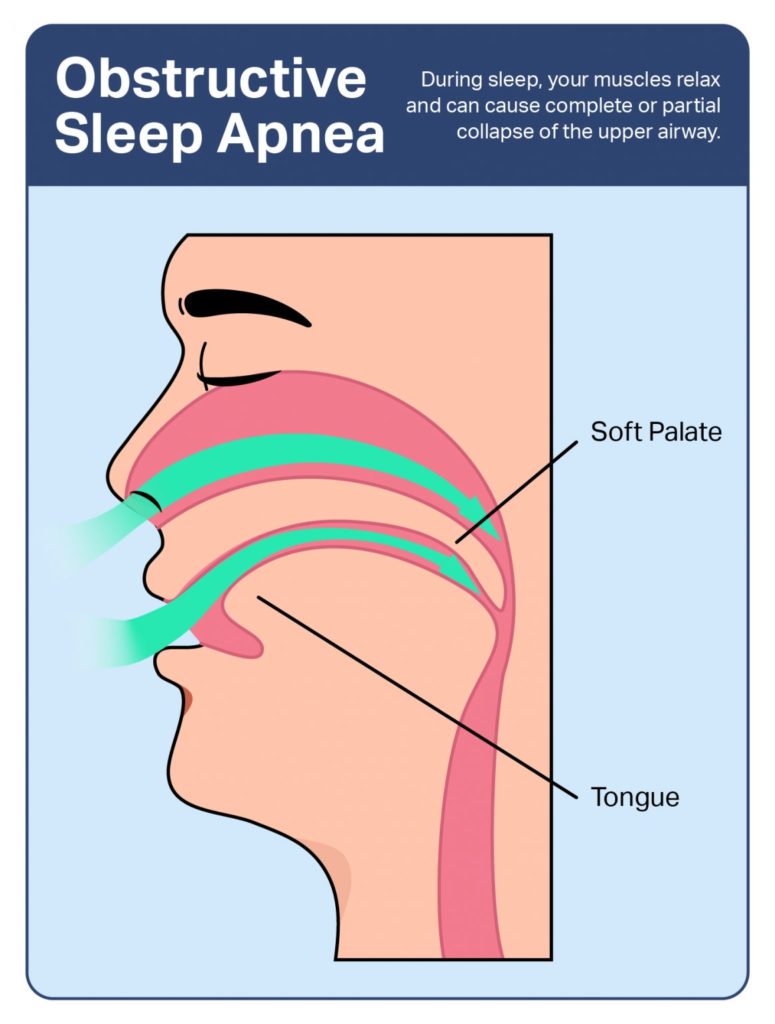
Back sleeping allows the tongue to fall backward. This can block the airway partially or fully. Gravity pulls soft tissues down, narrowing the breathing path. The airway becomes smaller and harder to keep open. Side sleeping usually keeps the airway clearer and more open.
Mechanics Of Airway Collapse
The airway is a flexible tube made of soft tissue. During sleep, muscles relax and lose tone. In back sleeping, the relaxed tongue and throat tissues can sag. This causes the airway walls to collapse. Air struggles to pass through, causing breathing pauses. This collapse can lead to snoring or sleep apnea.
Common Symptoms Linked To Back Sleeping
People who sleep on their back often snore loudly. They may wake up feeling tired or choking. Morning headaches and dry mouth are common. Breathing can become shallow or irregular. These signs may point to airway collapse during sleep.
Risks Of Airway Collapse
Airway collapse during sleep poses serious health risks. It happens when the throat muscles relax too much. This blocks the airway and stops normal breathing. Back sleeping often makes this worse. The position allows the tongue and soft tissues to fall backward. This increases the chance of airway blockage. Understanding these risks helps in managing and preventing related problems.
Sleep Apnea And Breathing Disruptions
Airway collapse is a major cause of sleep apnea. This condition causes repeated breathing pauses during sleep. Breathing stops for a few seconds to minutes. It disrupts sleep and lowers oxygen levels in the body. Many people do not realize they have sleep apnea. It can cause loud snoring and gasping for air. Untreated sleep apnea can lead to serious health issues.
Impact On Heart And Brain Health
Blocked airways reduce oxygen supply to vital organs. The heart works harder to pump blood. This can raise blood pressure and cause heart disease. The brain also suffers from low oxygen during airway collapse. It can cause memory problems and increase stroke risk. Long-term oxygen shortage damages brain cells. The risk of cognitive decline grows over time.
Daytime Fatigue And Cognitive Effects
Interrupted breathing leads to poor sleep quality. This causes tiredness and lack of energy during the day. Concentration and focus become difficult tasks. People may feel sleepy while working or driving. Mood changes like irritability and depression are common. Daytime fatigue lowers overall quality of life and safety.
Identifying Airway Collapse At Night
Identifying airway collapse at night is crucial for better sleep and health. When you sleep on your back, the airway can narrow or close. This makes breathing hard. It can cause snoring, choking, or pauses in breathing. These signs mean your airway might be collapsing. Knowing what to watch for helps you act early.
Signs To Watch For
Snoring loudly and often is a common sign. Pauses in breathing during sleep are serious. Gasping or choking sounds can wake you up suddenly. Feeling very tired during the day is another clue. Morning headaches may also happen. Restlessness or tossing and turning at night could mean trouble. These signs suggest your airway is not fully open.
When To Seek Medical Advice
See a doctor if you notice breathing pauses at night. Frequent gasping or choking needs attention. Daytime sleepiness that affects daily life is a warning. Loud and regular snoring should not be ignored. If you wake up with headaches, get help. Early diagnosis can prevent serious problems. Don’t wait until symptoms get worse.
Diagnostic Tools And Tests
Doctors use sleep studies to check airway health. Polysomnography records brain waves, oxygen, and breathing. Home sleep apnea tests offer a simpler option. These tests show how often your airway collapses. Imaging tests may look at airway structure. These tools help doctors find the cause. Proper diagnosis leads to better treatment plans.
Solutions For Back Sleepers
Back sleepers often face airway collapse during sleep. This can cause breathing problems and poor sleep quality. Finding the right solutions helps keep airways open. It also improves breathing and rest. Some simple changes and devices offer great help.
Positional Therapy Techniques
Changing sleep position can reduce airway collapse. Avoiding flat back sleeping helps prevent airway blockage. Use pillows or special wedges to keep the body tilted. This stops the tongue and soft tissues from blocking airflow. Some wear belts or devices that gently remind them to avoid back sleeping. These methods can improve breathing without medicine.
Use Of Cpap And Other Devices
CPAP machines push air through a mask to keep airways open. Many back sleepers find relief using CPAP during sleep. Other devices include oral appliances that adjust jaw position. These help prevent airway collapse by opening the throat. Devices are fitted by sleep specialists for best results. Consistent use supports better airflow and deeper sleep.
Lifestyle Changes To Improve Airflow
Simple lifestyle habits can reduce airway problems in back sleepers. Losing weight eases pressure on the throat. Avoiding alcohol before bed keeps muscles from relaxing too much. Quitting smoking reduces throat inflammation and improves breathing. Regular exercise strengthens muscles used in breathing. These changes support healthy airflow and better sleep quality.
Preventing Airway Collapse
Preventing airway collapse during sleep is essential for better breathing and quality rest. Airway collapse happens when soft tissues block the throat, making it hard to breathe. Simple steps can reduce this risk and improve sleep comfort.
Sleeping Environment Adjustments
Keep your bedroom cool and quiet. A calm space helps your muscles relax and stay open. Use pillows that support your head and neck well. Elevating your head slightly can stop tissues from blocking your airway. Avoid sleeping flat on your back. Try sleeping on your side to keep your airway clear.
Exercise And Weight Management
Regular exercise strengthens breathing muscles. It also helps reduce excess weight. Extra weight around the neck can squeeze the airway. Losing weight lowers this pressure and eases breathing. Aim for at least 30 minutes of activity most days. Simple walks or light exercises can help.
Avoiding Triggers Before Bedtime
Avoid heavy meals and alcohol before sleeping. They relax throat muscles too much, causing collapse. Smoking irritates airways and makes breathing harder. Stop smoking or avoid it near bedtime. Limit caffeine late in the day. It can disturb your sleep and worsen breathing problems.

Frequently Asked Questions
What Causes Airway Collapse During Back Sleeping?
Airway collapse in back sleeping occurs when throat muscles relax, narrowing the airway. Gravity pulls the tongue backward, blocking airflow and causing breathing difficulties during sleep.
How Does Back Sleeping Affect Breathing And Airway Health?
Back sleeping can worsen airway obstruction by increasing airway collapse risk. This position reduces muscle tone, leading to snoring and sleep apnea in susceptible individuals.
Can Changing Sleep Position Prevent Airway Collapse?
Yes, sleeping on your side reduces airway collapse risk. This position keeps the airway open, improving airflow and reducing snoring and apnea episodes.
What Are Common Symptoms Of Airway Collapse While Back Sleeping?
Symptoms include loud snoring, choking, gasping during sleep, and daytime fatigue. These signs indicate disrupted breathing and possible sleep apnea caused by airway collapse.
Conclusion
Back sleeping can affect your airway and breathing during sleep. It may cause your throat muscles to relax and block airflow. This can lead to snoring or sleep apnea. Changing your sleep position might help improve breathing. Side sleeping often keeps the airway open better.
Small changes can bring better rest and health. Understanding how back sleeping impacts your airway is key. Pay attention to your sleep habits and comfort. Good sleep supports your overall well-being.