
Have you ever woken up with a stiff neck or back pain? The way you sleep might be the hidden cause.
Back sleeping is often praised as one of the best positions for your spine, but are you doing it right? Your spinal alignment during sleep plays a huge role in how refreshed and pain-free you feel each day. You’ll discover why back sleeping could be the key to a healthier spine and how small changes can make a big difference in your comfort and well-being.
Keep reading to learn how to protect your back while you rest.

Quick Navigation
Benefits Of Back Sleeping
Back sleeping offers many health benefits, especially for your spine. It helps keep your body in a natural position during sleep. This reduces stress on your back and neck. Many people find back sleeping comfortable and good for their overall health.
Reduced Pressure On Spine
Sleeping on your back spreads your weight evenly. This stops too much pressure on any one part of your spine. The spine stays in a neutral position, which helps prevent pain. Less pressure means your back can relax and heal overnight.
Improved Posture Support
Back sleeping supports the natural curve of your spine. It keeps your head, neck, and back aligned. This helps improve your posture over time. Good posture reduces the risk of aches and injuries during the day.
Enhanced Breathing And Circulation
Sleeping on your back opens your chest and throat. This allows better airflow and easier breathing. Blood flows more freely, which helps your body heal and stay healthy. Better circulation means you wake up feeling refreshed.
Spinal Alignment Basics
Spinal alignment plays a crucial role in overall health. Proper alignment supports body balance and reduces pain. Back sleeping can help keep the spine aligned. Understanding spinal alignment basics helps improve sleep quality and comfort.
Natural Spine Curves
The spine has three natural curves. These curves help absorb shock and keep balance. The neck curves inward, the upper back curves outward, and the lower back curves inward. Maintaining these curves is important for good posture and spinal health.
Common Misalignments
Misalignments happen when the spine curves too much or too little. A flat or overly curved spine can cause pain and stiffness. Poor sleeping positions, like curling up too much, can worsen misalignments. Back sleeping can reduce these problems by supporting the natural curves.
Effects Of Poor Alignment
Poor spinal alignment causes discomfort and pain in the back and neck. It can lead to headaches and muscle tension. Over time, bad alignment may affect nerve function. Good spinal alignment reduces these risks and promotes better sleep and health.
Choosing The Right Mattress
Choosing the right mattress plays a big role in back sleeping and spinal alignment. The mattress supports your body and helps keep your spine straight. Picking the best one can reduce pain and improve sleep quality. Focus on firmness, material, and how well it supports your spine.
Firmness Levels
Firmness affects how well the mattress holds your body. Too soft, and your body sinks, causing spine misalignment. Too hard, and pressure points form, leading to discomfort. Medium-firm mattresses often work best for back sleepers. They balance support and comfort for proper spinal alignment.
Material Options
Mattresses come in foam, innerspring, latex, and hybrids. Foam molds to your body, easing pressure points. Innerspring offers bounce and good airflow. Latex is durable and responsive, with natural support. Hybrids combine foam and springs to give balanced comfort and support.
Impact On Spine Support
The mattress should keep your spine in a natural curve. It must support the lower back without causing sagging. Proper support helps muscles relax and prevents back pain. A mattress that adapts to your shape and weight offers the best spine alignment.
Pillow Selection For Back Sleepers
Choosing the right pillow is key for back sleepers to keep the spine in a healthy position. The right pillow supports the neck and head without pushing them too far forward or letting them fall back. This balance helps reduce pain and improves sleep quality.
Each back sleeper has unique needs based on their body shape and mattress firmness. Picking a pillow that fits those needs supports the natural curve of the neck. It also keeps the spine aligned from head to tailbone.
Neck Support Needs
Back sleepers need pillows that support the neck’s natural curve. A pillow too flat or too high can cause strain. Proper neck support keeps the airway open and reduces snoring. Look for pillows with firm but gentle support.
Ideal Pillow Height
The pillow height matters a lot for spine alignment. A pillow that is too thick pushes the head forward. Too thin, and the head tilts backward. The ideal pillow height keeps the head level with the spine.
Specialty Pillow Types
Memory foam and contour pillows help maintain neck and head alignment. These shapes cradle the neck and reduce pressure points. Some pillows have adjustable fills for custom comfort. These options suit many back sleepers well.
Proper Back Sleeping Techniques
Proper back sleeping techniques help keep your spine in a natural position. They reduce strain and pain in your back and neck. Sleeping correctly improves your overall sleep quality and body health.
Head And Neck Positioning
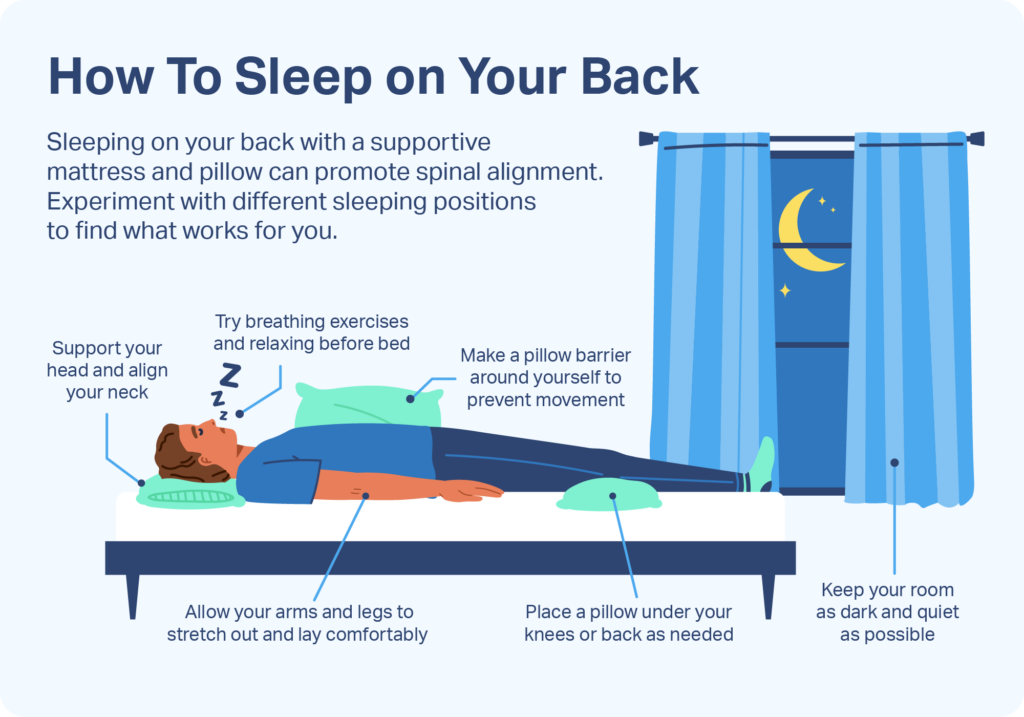
Keep your head aligned with your spine. Use a pillow that supports the natural curve of your neck. Avoid pillows that are too high or too flat. Your head should not tilt forward or backward.
Knee And Leg Placement
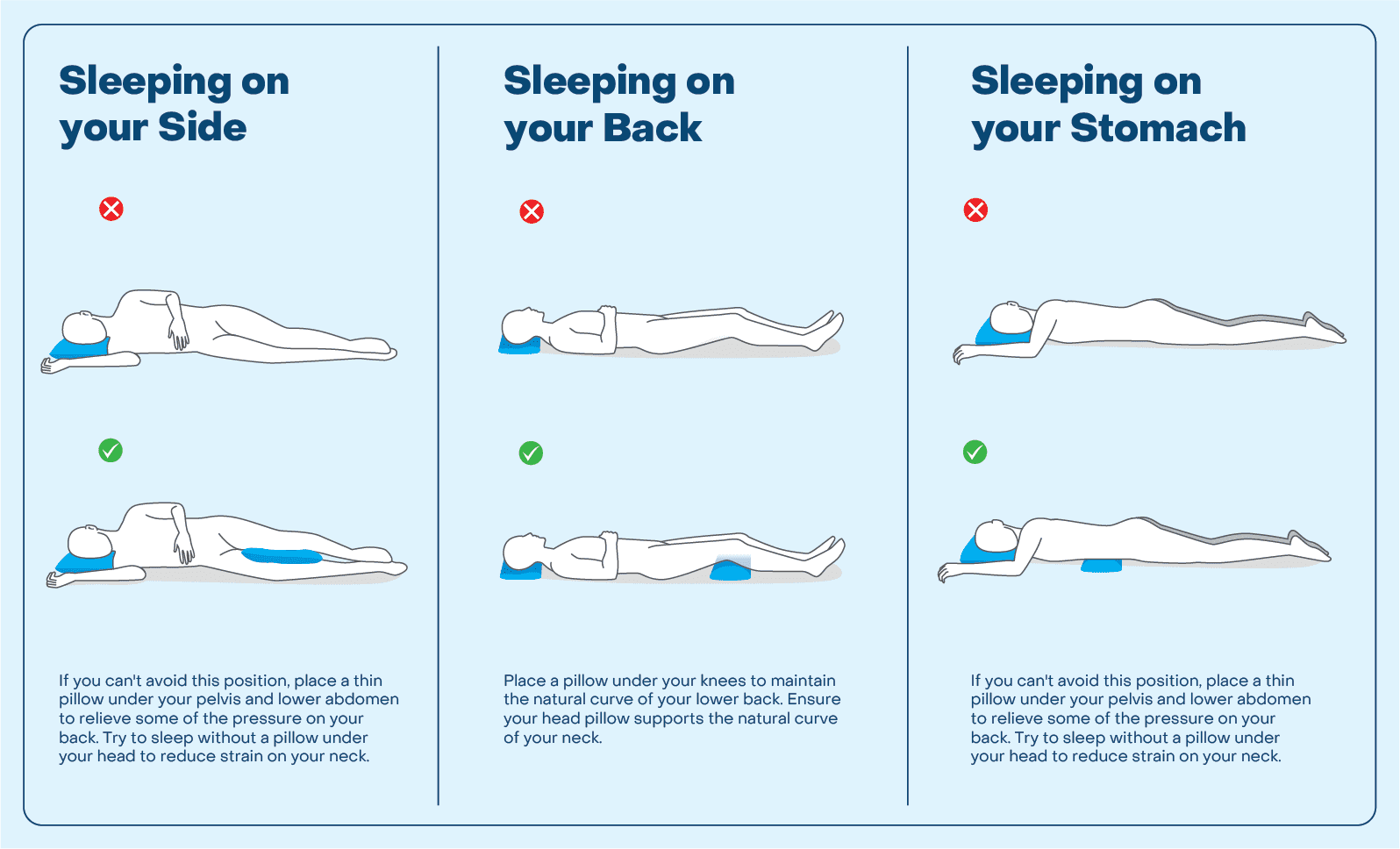
Bend your knees slightly to reduce pressure on your lower back. Place a pillow under your knees for extra support. This helps keep your spine in a neutral position. Avoid locking your legs straight while sleeping.
Using Supportive Accessories
Use a firm mattress that supports your back evenly. Avoid soft mattresses that cause your body to sink. Consider adding a lumbar roll or small pillow under your lower back. These accessories keep your spine aligned and comfortable.
Common Pain Issues And Solutions
Back sleeping can support good spinal alignment. Yet, some pain issues may arise. These pains often come from poor posture or wrong pillow use. Understanding common pain problems helps find easy solutions. Proper habits can reduce discomfort and improve sleep quality.
Lower Back Pain Relief
Lower back pain often comes from weak support under the lumbar spine. Placing a small pillow or rolled towel under the knees helps. This keeps the natural curve of the lower back. Choosing a mattress that is firm but not too hard also supports the spine well. Stretching and gentle exercises can ease tension in the lower back.
Neck Pain Management
Neck pain occurs if the pillow is too high or too flat. The head should rest in a neutral position. Use a pillow that fills the space between the neck and mattress. Memory foam or contour pillows offer good support. Avoid sleeping with multiple pillows that push the head forward. Neck stretches before bed can reduce stiffness.
Preventing Shoulder Discomfort
Shoulder pain happens if the shoulders sink too deep into the mattress. A mattress with balanced firmness helps keep the shoulders aligned. Avoid sleeping with arms above the head or under the pillow. These positions strain shoulder muscles. Keeping arms relaxed by the sides reduces pressure on the shoulders. Gentle shoulder rolls can improve blood flow and ease pain.
Lifestyle Tips For Spinal Health
Taking care of your spine is important for overall health and comfort. Good lifestyle habits support spinal alignment and reduce pain. Small daily actions can protect your back and improve posture. The right routine helps keep your spine strong and flexible.
Daily Stretching Routines
Stretching every day helps keep your spine flexible. Focus on gentle stretches for your back and neck. Try reaching your arms overhead and twisting your torso slowly. Hold each stretch for about 20 seconds without bouncing. This reduces stiffness and improves blood flow to spinal muscles.
Ergonomic Practices
Set up your workspace to support good posture. Use a chair with proper back support. Keep your feet flat on the floor and knees at a right angle. Position your computer screen at eye level. Avoid slouching or leaning forward for long periods. These habits reduce strain on your spine during the day.
Exercise Recommendations
Choose exercises that strengthen your core and back muscles. Walking, swimming, and yoga are gentle on the spine. Strong muscles help hold your spine in the correct position. Avoid high-impact sports that cause sudden twists or heavy lifting. Regular exercise boosts spinal health and reduces pain risk.
Frequently Asked Questions
Does Back Sleeping Improve Spinal Alignment?
Yes, back sleeping promotes natural spinal alignment by keeping the spine neutral. It reduces pressure on the neck and back, preventing pain and stiffness.
What Pillow Is Best For Back Sleepers?
A medium-firm pillow that supports the natural curve of the neck is best. It keeps the head aligned with the spine, reducing strain.
Can Back Sleeping Reduce Back Pain?
Back sleeping can reduce back pain by evenly distributing body weight. It minimizes pressure points and supports the spine’s natural curve, easing discomfort.
Is Back Sleeping Better Than Side Sleeping For Posture?
Back sleeping generally supports better spinal posture by maintaining alignment. Side sleeping can cause spinal misalignment if the pillow and mattress are not supportive.
Conclusion
Sleeping on your back helps keep your spine in a natural position. It reduces pressure on your neck and back muscles. Using a proper pillow supports your head and neck well. This position can improve your overall comfort and reduce pain.
Try to maintain this posture for better spinal health. Small changes in sleep habits can make a big difference. A good night’s rest supports your body’s alignment and wellness. Give back sleeping a chance and notice the benefits. Your spine will thank you for it.