
Choosing the right color for your bedroom might seem simple, but it can actually change how well you sleep every night. Have you ever wondered why some rooms feel calm and relaxing, while others make it hard to unwind?
The colors around you play a big role in your mood and rest. You’ll discover the best bedroom colors that help you fall asleep faster and wake up feeling refreshed. Ready to transform your space into a peaceful sleep haven?
Keep reading to find out which shades work best for your bedroom and why they matter for your sleep quality.

Quick Navigation
Calming Blues
Blue shades bring calmness to any bedroom. They help lower stress and create a peaceful mood. Blue is often linked to the sky and sea. These natural elements make blue a perfect color for better sleep. Different blue tones affect the room’s feeling in unique ways. Explore calming blues that support restful nights.
Soft Pastel Blues
Soft pastel blues are light and airy. They make a room feel open and fresh. These shades are gentle on the eyes. They create a soothing space for quiet rest. Pastel blues work well with white or cream furniture. This mix keeps the bedroom calm and inviting.
Deep Navy Tones
Deep navy tones offer a rich, cozy atmosphere. They make the room feel warm and safe. Navy blue helps slow the mind before sleep. Use navy on one wall or in accents. Pair navy with soft lighting for a restful vibe.
Blue-green Blends
Blue-green blends combine calm blue with refreshing green. These shades bring balance and nature indoors. They create a tranquil environment for sleep. Blue-green colors work well in modern or traditional rooms. Add natural textures like wood or plants to enhance the calm.
Soothing Greens
Green is a calm and peaceful color. It brings nature inside your bedroom. This color helps your mind relax and prepares you for sleep. Green tones can make your room feel fresh and restful. Choosing the right green shade can improve your sleep quality and room mood.
Mint And Sage Shades
Mint and sage are soft, light greens. These shades create a gentle and cool atmosphere. They are perfect for small bedrooms or rooms with little natural light. Mint green feels fresh and clean. Sage green offers a muted, earthy vibe. Both colors reduce stress and calm your thoughts. They help your eyes rest, easing you into sleep.
Forest And Olive Greens
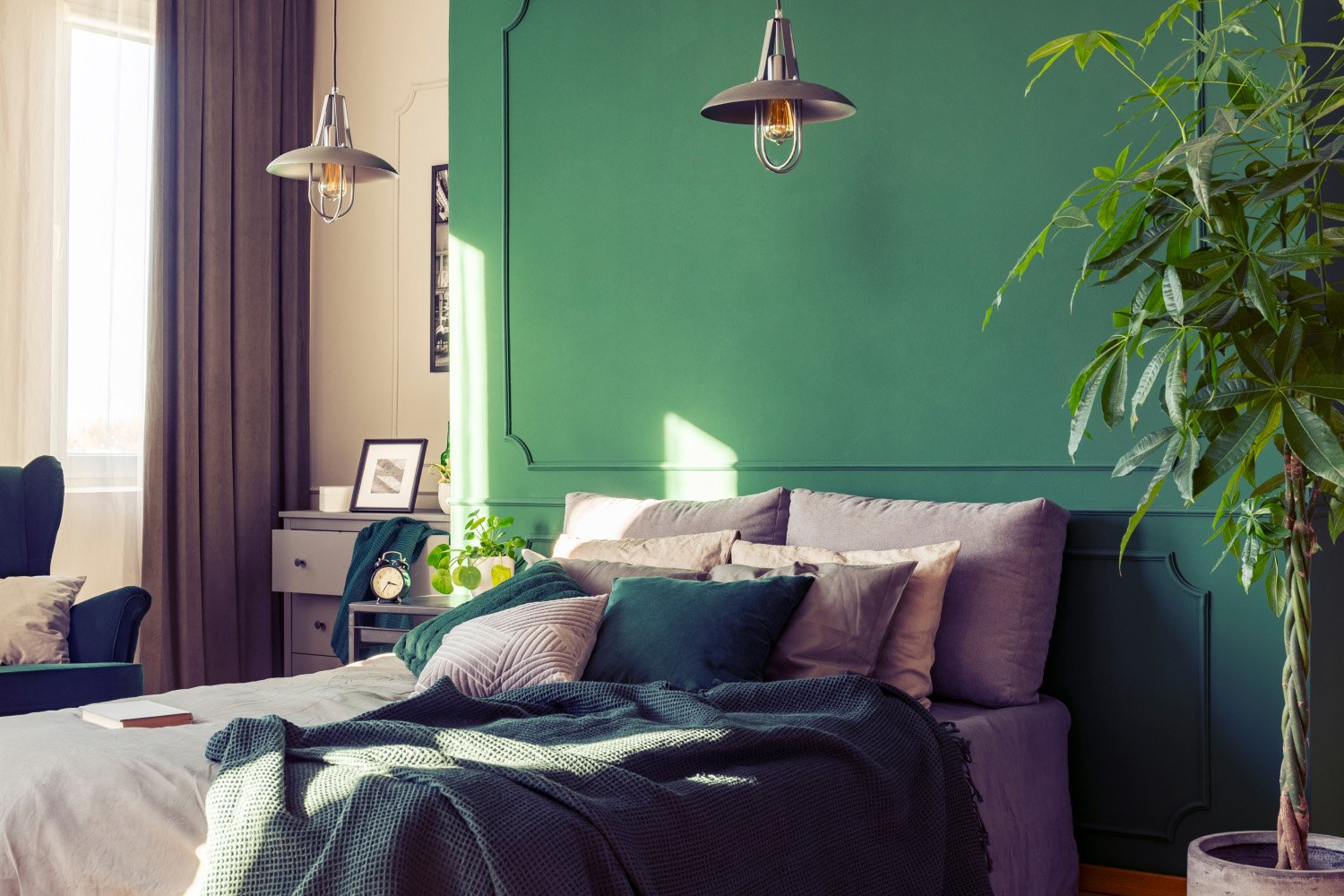
Forest and olive are deeper, richer greens. These colors add warmth and a cozy feeling to the room. Forest green is like the deep woods, strong and grounding. Olive green feels natural and balanced. These shades create a restful space that feels safe. They help slow your mind and body before bed. Dark greens work well with soft lighting for a peaceful room.
Warm Neutrals
Warm neutrals create a calm and cozy bedroom atmosphere. These colors help the mind relax and prepare for sleep. They do not distract or overstimulate. Instead, warm neutrals offer a soft, inviting feel that soothes the senses. These shades work well with many decor styles and lighting conditions. They make the bedroom a peaceful retreat.
Beige And Taupe
Beige and taupe are classic warm neutrals. They bring warmth without being too bold. These colors blend well with wood tones and soft fabrics. Beige offers a sandy, natural look. Taupe has a bit more depth with gray undertones. Both create a balanced and restful space. They help calm the mind and body before sleep.
Creamy Whites
Creamy whites add softness and light to any bedroom. They are warmer than pure white, which can feel cold. Creamy whites reflect natural light gently. This makes the room feel open and airy. These shades create a clean, peaceful backdrop. They help promote relaxation and better sleep.
Warm Gray Variations
Warm gray is a modern neutral that feels cozy and calm. It mixes gray with brown or beige tones. This softens the color and adds warmth. Warm gray suits many bedroom styles. It pairs well with natural textures like wood and linen. Using warm gray helps create a quiet space for rest and sleep.
Gentle Lavenders
Gentle lavenders create a calm and peaceful bedroom atmosphere. These soft purple shades help your mind relax. They prepare you for restful sleep. The colors bring a touch of nature indoors. Lavender tones feel light and airy, perfect for a bedroom. They are subtle but still add personality. Let’s explore different gentle lavender options for your sleep space.
Light Purple Hues
Light purple hues are soft and soothing. They blend blue’s calm with a hint of purple. These shades reduce stress and quiet the mind. Light purple walls create a cool, cozy vibe. They work well with white or cream accents. This color helps your eyes rest after a long day. It also makes the room feel spacious and bright.
Lavender And Lilac Mixes
Mixing lavender with lilac adds depth and warmth. Lilac is a bit pinker and softer than lavender. Together, they create a gentle, inviting look. This combination feels fresh and comforting. It encourages a peaceful mood for sleep. Use this mix on walls, bedding, or decor. The blend adds a touch of charm without overwhelming the space.
Earthy Browns
Earthy browns create a calm and cozy bedroom. These colors connect us with nature. They bring warmth and comfort to the space. Earthy browns help the mind relax, making it easier to fall asleep. These shades work well with soft lighting and natural fabrics. They create a peaceful atmosphere for rest.
Soft Mocha Colors
Soft mocha colors are gentle and soothing. They have a light brown tone with a hint of cream. This shade feels warm without being too dark. Soft mocha helps reduce stress and calm the senses. It pairs well with white or pastel accents. This color creates a relaxed and inviting bedroom.
Rich Chocolate Browns
Rich chocolate browns add depth and comfort. They are darker and more intense than mocha. This color feels strong but still cozy. Rich chocolate can make a room feel safe and secure. It works well with natural wood and soft textiles. Use this shade for a restful and grounded sleep space.
Avoiding Stimulating Colors
Choosing the right colors for your bedroom helps improve sleep quality. Some colors can make your mind active and restless. These colors are called stimulating colors. Avoiding these bright and lively colors helps create a calm and peaceful space. Your bedroom should feel like a relaxing retreat, not a place that keeps you awake.
Bright Reds And Oranges
Bright reds and oranges are strong and energetic colors. They can raise your heart rate and make you feel alert. These colors are great for kitchens or gyms, but not for bedrooms. Red and orange walls can cause restlessness and trouble falling asleep. Soft, muted tones work better for a calming bedroom.
Vivid Yellows And Neon Shades
Vivid yellows and neon shades are very bright and eye-catching. They stimulate the brain and make it hard to relax. These colors increase feelings of excitement and energy. Neon colors especially create a harsh light effect in the room. Choose gentle, pastel yellows or other soft hues instead for better sleep.
Tips For Choosing Bedroom Colors
Choosing the right bedroom colors helps create a calm space for better sleep. The colors set the mood and affect how restful the room feels. Thoughtful color choices make the bedroom a relaxing retreat after a long day.
Consider several factors when picking bedroom colors. These tips help find shades that bring peace and comfort.
Considering Room Lighting
Natural light changes the look of colors throughout the day. Dark rooms may need lighter shades to feel open and fresh. Bright rooms can handle deeper colors without feeling cramped. Test paint samples at different times to see how light affects them.
Matching Furniture And Decor
Choose colors that blend well with your furniture and decorations. Soft, neutral tones often match many styles. Bold colors work if your furniture is simple. Balance the palette so the room feels unified and inviting.
Personal Preference And Mood
Your feelings about colors matter most. Some find blue calming, others prefer warm tones. Pick shades that make you feel relaxed and happy. The right color helps your mind unwind and prepares you for sleep.

Using Color Psychology For Better Sleep
Choosing the right bedroom color can help improve sleep quality. Color psychology studies how colors affect emotions and behaviors. Using this science, you can pick colors that calm your mind and body. These colors create a peaceful space for restful sleep.
How Colors Affect Relaxation
Colors influence mood and energy levels. Some colors make you feel alert and active. Others bring calm and peace. Warm colors like red or orange can increase heart rate. Cool colors like blue or green slow down your mind. Slow heart rate and relaxed muscles help you fall asleep faster.
Colors That Promote Calmness
Soft blues and greens are best for calming the mind. Light blue reduces stress and lowers blood pressure. Pale green connects you to nature and soothes the eyes. Lavender and soft gray also create a quiet, restful feeling. Avoid bright or flashy colors that keep your brain awake.
Frequently Asked Questions
What Colors Promote Better Sleep In Bedrooms?
Soft blues, greens, and neutral tones promote better sleep. These colors create a calm and relaxing atmosphere, reducing stress and helping you unwind. Avoid bright or intense colors that can disrupt your sleep cycle.
Why Are Cool Colors Ideal For Bedroom Walls?
Cool colors like blue and green slow down your heart rate and lower blood pressure. They create a peaceful environment that encourages deep sleep. These shades help calm the mind and reduce anxiety before bedtime.
Can Bedroom Color Affect Sleep Quality?
Yes, bedroom color significantly impacts sleep quality. Certain hues influence mood and relaxation levels, making it easier to fall asleep. Choosing soothing colors helps reduce restlessness and improves overall sleep patterns.
Which Bedroom Colors Should Be Avoided For Sleep?
Avoid bright reds, oranges, and neon shades in bedrooms. These colors can stimulate the brain and increase alertness, making it harder to fall asleep. Stick to muted or pastel tones for a restful environment.
Conclusion
Choosing the right bedroom colors helps improve your sleep quality. Soft blues, gentle greens, and warm neutrals create calm spaces. These colors reduce stress and make your room feel cozy. Avoid bright or bold shades that can keep you awake.
Small changes in color can bring big comfort. Your bedroom should feel like a peaceful retreat. Try these colors to rest better every night. Sleep well, wake refreshed.

