
As an Amazon Associate I earn from qualifying purchases.
Are you waking up with shoulder pain that just won’t go away? The way you sleep could be the hidden cause behind your discomfort.
Finding the best sleep position for shoulder pain can make a huge difference in how you feel each morning. Imagine waking up refreshed, pain-free, and ready to take on your day. You’ll discover simple, effective sleep positions that ease shoulder pain and help you get the restful night you deserve.
Keep reading to unlock the secrets to better sleep and a healthier, happier shoulder.
Quick Navigation
Causes Of Shoulder Pain
Shoulder pain affects many people and can make daily tasks hard. Understanding the causes helps find the best ways to reduce pain. Pain may come from injuries, ongoing health issues, or how you sleep. Each cause affects the shoulder differently and needs specific care.
Common Injuries
Injuries often cause sharp or constant shoulder pain. Sprains and strains happen from sudden movements or lifting heavy things. A torn rotator cuff is a frequent injury causing weakness and pain. Dislocations or fractures also lead to intense shoulder discomfort. These injuries need rest and proper treatment to heal.
Chronic Conditions
Long-term health problems often cause ongoing shoulder pain. Arthritis makes joints stiff and sore, limiting movement. Tendinitis causes inflammation in the shoulder tendons, leading to ache. Frozen shoulder results in tightness and pain during motion. These conditions worsen without care and may need medical help.
Impact Of Sleep Positions
How you sleep affects shoulder pain greatly. Sleeping on the same side puts pressure on the shoulder joint. This pressure causes stiffness and pain by morning. Sleeping on the stomach twists the neck and shoulders unnaturally. Back sleeping with poor support also strains shoulder muscles. Changing sleep positions can ease pain and improve rest.
Sleep Positions To Avoid
Choosing the right sleep position is important for reducing shoulder pain. Some positions can make the pain worse. Avoiding these positions can help protect your shoulder and improve sleep quality.
Sleeping On The Affected Shoulder
Sleeping directly on the painful shoulder puts extra pressure on it. This can cause more pain and stiffness. It limits blood flow and slows healing. The shoulder muscles stay tense all night. This position often leads to poor sleep and discomfort.
Stomach Sleeping Risks
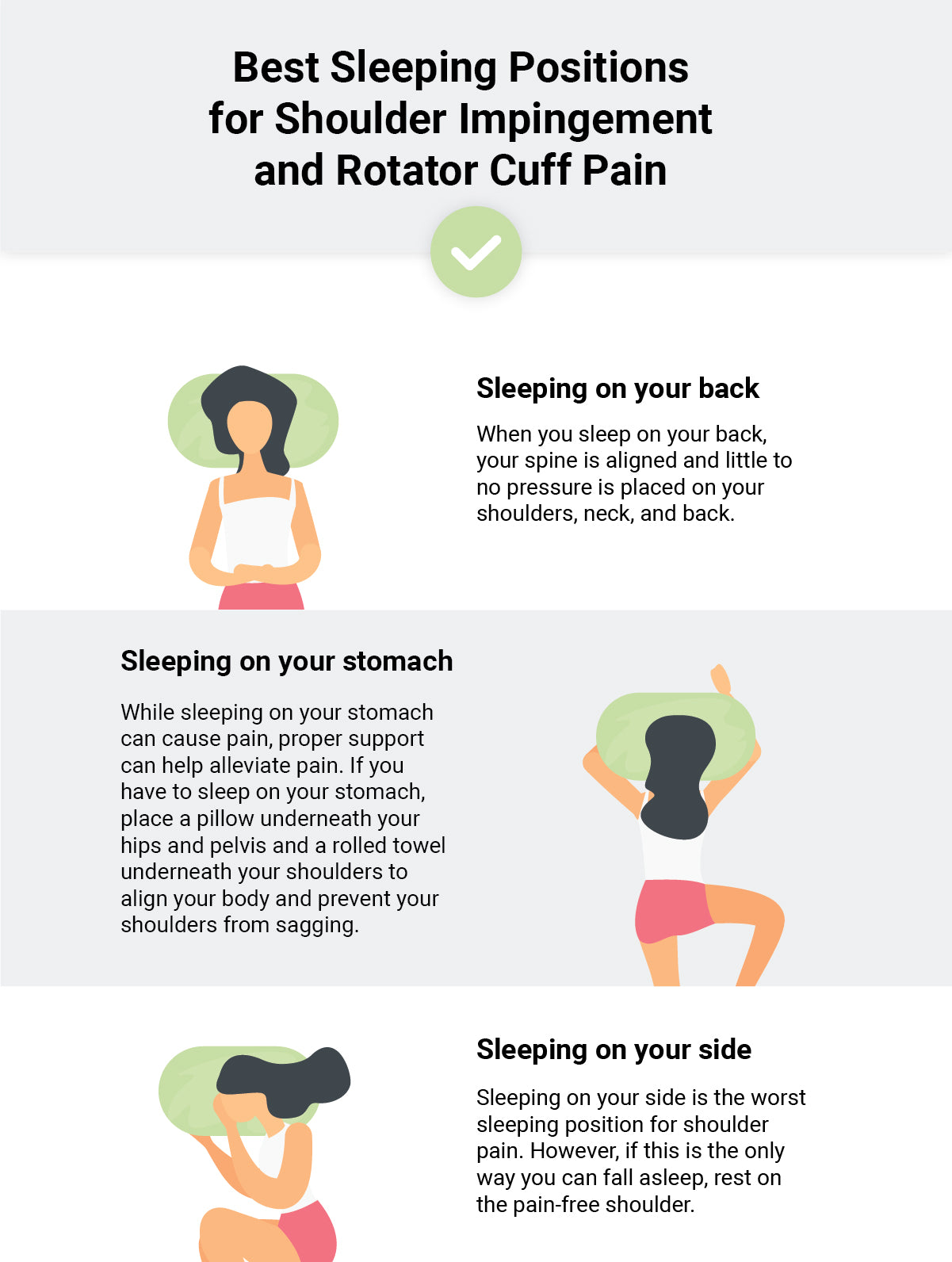
Sleeping on your stomach twists your neck and shoulders. This puts strain on the shoulder joints. Your arm may get stuck under your body. This position causes shoulder pain and numbness. It also makes it hard to keep the spine aligned. Avoid stomach sleeping to protect your shoulders.
Best Sleep Positions For Shoulder Pain
Finding the right sleep position helps reduce shoulder pain. Sleeping in the wrong way can make pain worse. Choosing a good position supports healing and comfort. It also helps you rest better through the night. Here are some of the best sleep positions for shoulder pain relief.
Sleeping On The Opposite Side
Sleeping on the side opposite the sore shoulder reduces pressure. This position keeps weight off the painful area. Use a soft mattress to avoid extra strain. Keep your arm relaxed and close to your body. This helps reduce stiffness and soreness by morning.
Back Sleeping Benefits
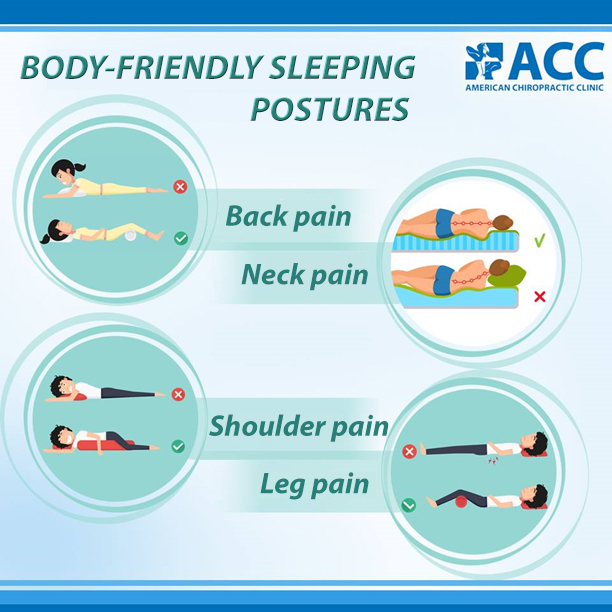
Lying on your back spreads weight evenly across the body. It prevents the shoulder from bearing too much pressure. Place a small pillow under the affected arm for extra support. This position keeps the spine and neck aligned well. It also reduces tension in the shoulder muscles.
Use Of Supportive Pillows
Supportive pillows help keep the shoulder in a good position. Place a pillow under your arm to avoid dropping it. You can also hug a pillow to support your shoulder. Use a firm pillow under your neck to keep alignment. Pillows reduce strain and improve comfort during sleep.
Pillow Types And Placement
Choosing the right pillow and placing it correctly helps reduce shoulder pain during sleep. Pillows support your head, neck, and shoulders. The right pillow keeps your spine aligned. This eases pressure on your shoulder joints. It also improves comfort and rest quality. Understanding pillow types and how to place them is key to better sleep.
Memory Foam Pillows
Memory foam pillows mold to the shape of your head and neck. They offer firm support and reduce pressure points. These pillows help keep your shoulder in a neutral position. This prevents pain caused by uneven pressure. Memory foam also absorbs movement, which is good if you change positions often.
Body Pillows
Body pillows support your entire body, especially your shoulders and hips. Placing a body pillow between your arms and knees keeps your spine straight. This reduces twisting of your shoulders. It helps maintain good posture while you sleep. Body pillows are ideal for side sleepers with shoulder pain.
Adjusting Pillow Height
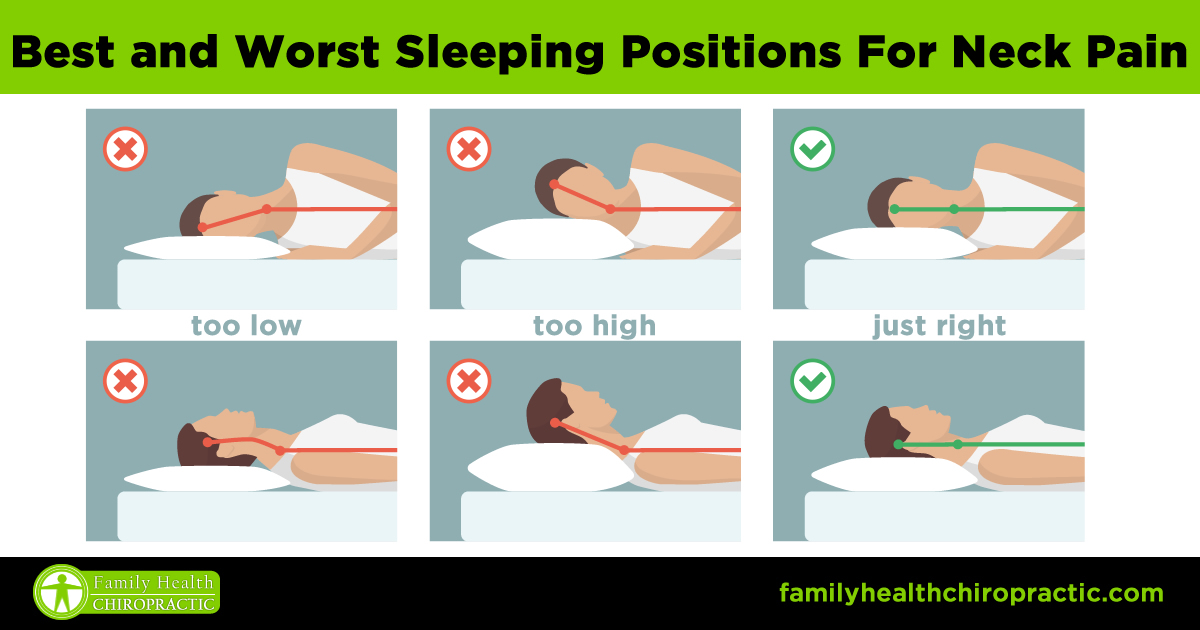
Pillow height affects how your shoulders align with your neck. Too high or too low causes strain and discomfort. Choose a pillow height that fills the space between your neck and mattress. This keeps your spine straight and shoulders relaxed. Adjust the height by adding or removing pillow layers.
Additional Tips For Shoulder Pain Relief
Finding the best sleep position for shoulder pain is important. Yet, other actions help reduce discomfort too. These additional tips can improve your shoulder health. They support healing and ease pain during the night and day.
Stretching And Exercises
Gentle stretching helps keep your shoulder flexible. Simple exercises strengthen muscles around the joint. This support reduces strain and improves movement. Try slow arm circles or shoulder rolls daily. Stop any exercise that causes sharp pain.
Temperature Therapy
Cold packs reduce swelling and numb sharp pain. Apply ice for 15 minutes after any activity. Heat relaxes tight muscles and increases blood flow. Use a warm towel or heating pad for 20 minutes. Choose cold or heat based on what feels best.
When To See A Doctor
Seek medical help if pain lasts more than a week. Visit a doctor if you feel numbness or weakness. Severe pain after an injury also needs a check-up. Early treatment can prevent long-term damage. Do not ignore persistent shoulder pain.
Frequently Asked Questions
What Is The Best Sleep Position For Shoulder Pain Relief?
Sleeping on your back with a pillow under your arm is ideal. This position reduces pressure on the shoulder and promotes proper alignment. Avoid sleeping on the painful shoulder to prevent further irritation and pain during the night.
Can Side Sleeping Cause Shoulder Pain?
Yes, side sleeping on the affected shoulder can increase pain. It puts direct pressure on the joint and muscles, causing inflammation. Using a supportive pillow between the arms can help reduce discomfort if side sleeping is preferred.
How Can Pillows Improve Shoulder Pain During Sleep?
Pillows provide support and help maintain proper alignment. Placing a pillow under the injured shoulder or between your arms relieves pressure. This reduces muscle strain and promotes healing, making sleep more comfortable and pain-free.
Is Stomach Sleeping Bad For Shoulder Pain?
Stomach sleeping can worsen shoulder pain by twisting the neck and shoulders. It places uneven pressure on the joints, increasing discomfort. It’s best to avoid stomach sleeping and try back or side positions instead.
Conclusion
Sleeping in the right position can ease shoulder pain a lot. Try lying on your back or the opposite side to your pain. Use a soft pillow that supports your neck well. Avoid sleeping on the painful shoulder to prevent more pain.
Small changes in how you sleep can bring big relief. Remember, good sleep helps your body heal and feel better. Keep trying different positions until you find what feels best. Your shoulders will thank you with less pain and better rest.