
Have you ever pushed yourself hard at the gym, only to find it tougher to fall asleep that night? You might be surprised to learn that overtraining can actually hurt your sleep.
When you work out too much without enough rest, your body struggles to recover, and your sleep quality takes a hit. If you want to feel energized and rested, understanding how overtraining affects your sleep is key. Keep reading to discover why balancing exercise and rest is crucial for your health and how you can avoid the hidden sleep traps of overtraining.

Quick Navigation
How Overtraining Affects Sleep Quality
Overtraining can harm your sleep quality in many ways. When your body works too hard without enough rest, it struggles to recover. This struggle affects how well and how long you sleep. Understanding these effects helps you avoid poor sleep and stay healthy.
Stress hormones rise with overtraining. These hormones disturb the natural process of falling and staying asleep. Your body also feels more tired but cannot rest properly at night.
Impact On Sleep Duration
Overtraining often shortens sleep time. Your body stays alert even when you try to rest. This alertness reduces the total hours of deep and restful sleep. Less sleep time means your body cannot heal fully.
Disruption Of Sleep Cycles
Sleep happens in cycles of light and deep stages. Overtraining breaks these natural cycles. It causes frequent awakenings during the night. Without full cycles, sleep loses its healing power.
Increased Sleep Latency
Sleep latency is the time it takes to fall asleep. Overtraining can increase this time. Your mind and body stay tense and alert longer. This delay makes it harder to get enough rest each night.
Physical Stress And Its Role
Physical stress plays a big role in how overtraining affects sleep. Exercising too much puts strain on the body. This strain can disturb the balance needed for good rest. The body needs time to recover from physical stress. Without enough recovery, sleep quality can drop. Understanding physical stress helps explain why overtraining can hurt sleep.
Hormonal Imbalances
Physical stress from overtraining changes hormone levels. Hormones control many body functions, including sleep. Overtraining can lower melatonin, the hormone that helps sleep. It can also reduce serotonin, which affects mood and sleep cycles. These imbalances make it hard to fall asleep or stay asleep. Proper hormone balance is key to good sleep.
Elevated Cortisol Levels
Cortisol is the body’s stress hormone. Overtraining raises cortisol levels too high. High cortisol keeps the body alert and awake. This makes it difficult to relax before bed. It shortens deep sleep phases needed for recovery. Lowering cortisol is important for restful and peaceful sleep.
Muscle Soreness And Discomfort
Overtraining causes muscle soreness and stiffness. These aches can wake people up at night. Pain makes it hard to find a comfortable sleeping position. Muscle discomfort also reduces overall sleep quality. Rest and gentle stretching can help ease muscle pain for better sleep.
Mental Effects Of Overtraining
Overtraining affects more than just muscles. It impacts the mind deeply. Mental strain from too much exercise can disrupt your sleep patterns. Understanding these mental effects helps you avoid sleep problems linked to overtraining.
Heightened Anxiety And Restlessness
Overtraining raises stress hormones in the body. This increase causes anxiety and nervousness. Your mind stays alert, making it hard to relax. Restlessness follows, keeping you awake at night. The constant mental buzz prevents deep, restful sleep.
Mood Swings And Sleep Disturbance
Too much exercise can cause mood changes. You may feel irritable or sad without clear reasons. These mood swings affect your ability to fall asleep. Poor sleep then worsens your mood, creating a cycle. Breaking this cycle requires balancing exercise with rest.
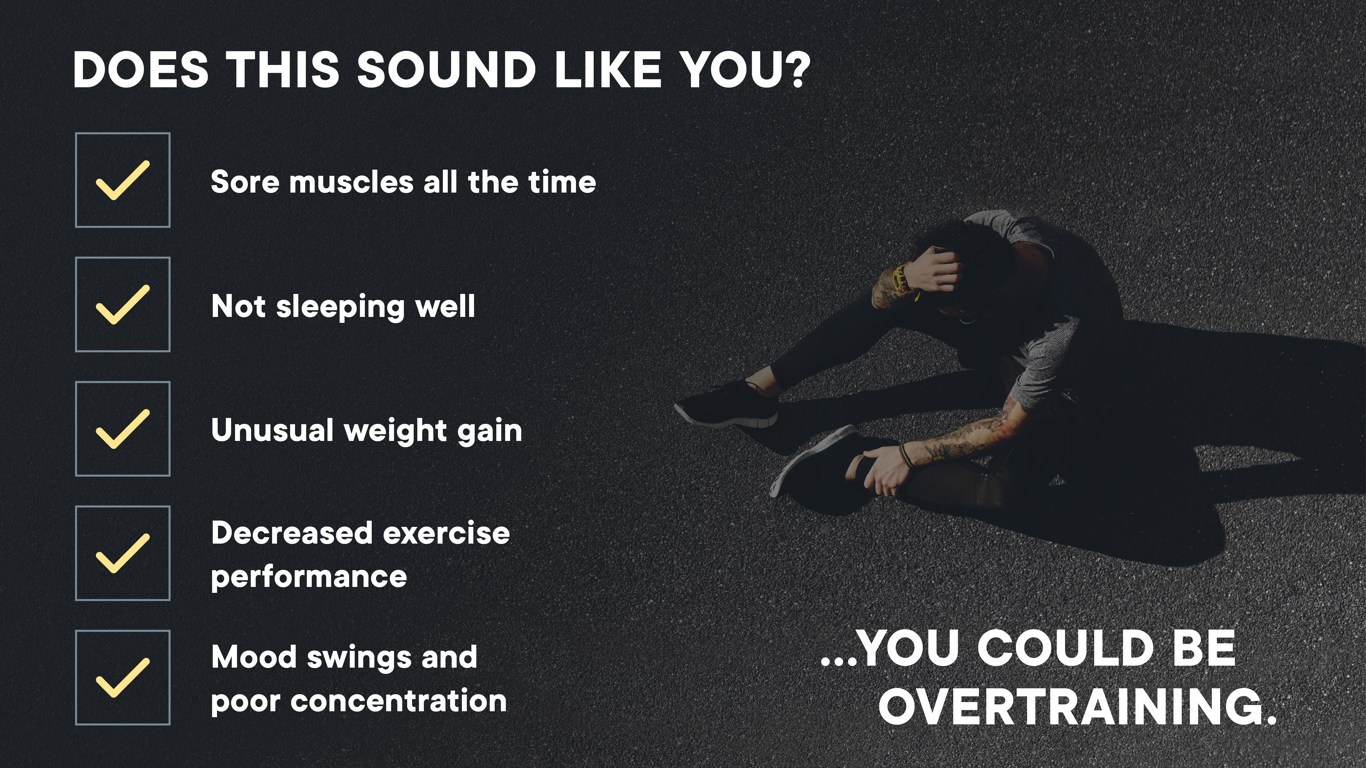
Signs You’re Overtraining
Overtraining can quietly harm your body and mind. Recognizing its signs helps you take action early. Your sleep may suffer if you push too hard. Watch for these clear signals that show you might be overtraining.
Persistent Fatigue
Feeling tired all day? This is a common sign of overtraining. Your body struggles to recover from constant exercise. Rest becomes less refreshing. Fatigue lasts longer than normal after workouts.
Declining Performance
Are your workouts getting harder? Overtraining can lower your strength and speed. You may lift less weight or run slower. Progress stops or even reverses. This drop means your body needs a break.
Trouble Falling Asleep
Overtraining affects your sleep quality. Your mind might feel restless at night. It becomes hard to fall asleep or stay asleep. Poor sleep worsens recovery and increases fatigue. A cycle of bad rest and overtraining begins.
Strategies To Improve Sleep Post-training
Good sleep is key after training. It helps your body heal and grow stronger. Overtraining can make sleep hard. Use these strategies to improve rest after workouts.
Adjusting Workout Intensity
Heavy workouts near bedtime can keep you awake. Reduce exercise intensity in the evening. Choose lighter activities like walking or stretching. This helps your body relax and prepares you for sleep.
Incorporating Rest Days
Rest days let your muscles recover. Skipping rest can cause tiredness and poor sleep. Plan regular breaks from hard exercise. Your body will thank you with better sleep and more energy.
Relaxation Techniques Before Bed
Try calming activities before sleep. Deep breathing, meditation, or gentle yoga ease the mind. Avoid screens and bright lights. These habits help you fall asleep faster and sleep deeper.
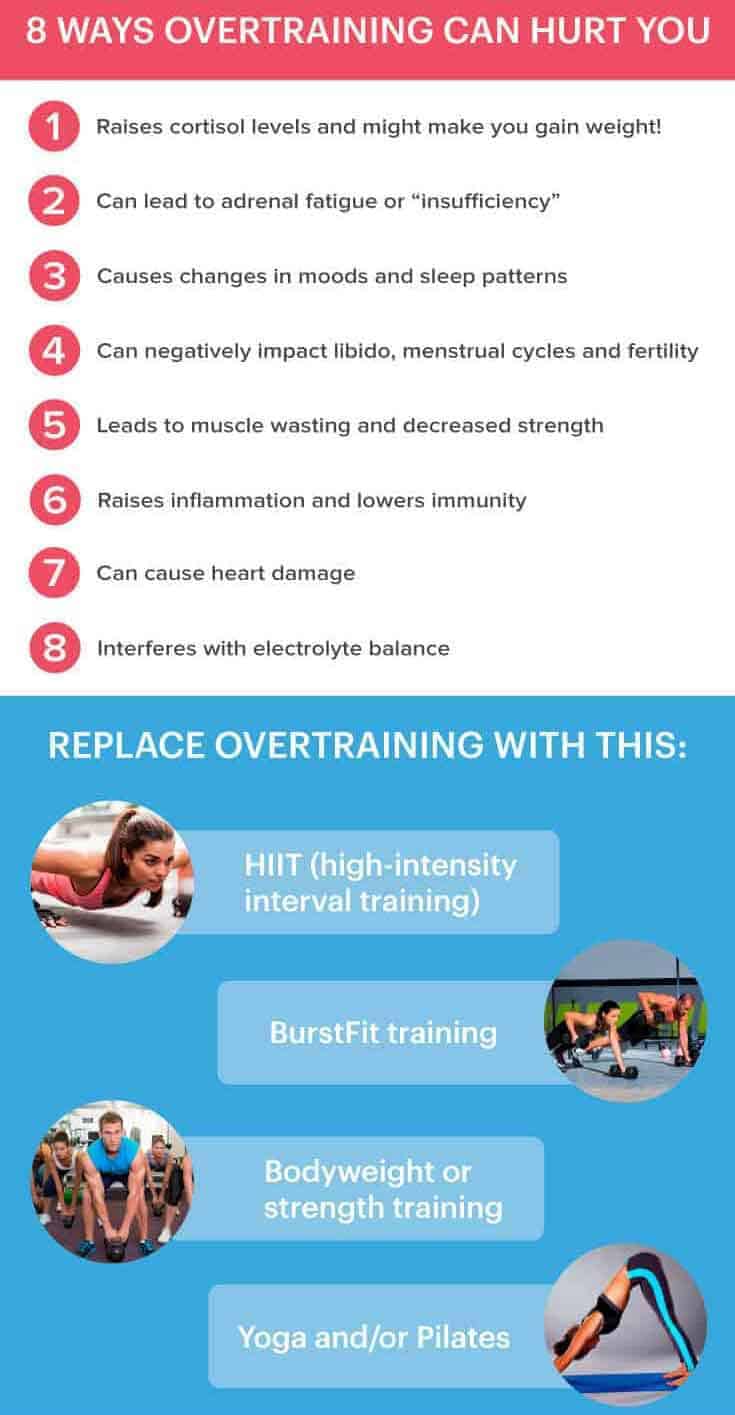
When To Seek Professional Help
Overtraining can affect sleep in many ways. Most people recover with rest and good habits. Sometimes, problems last longer and need expert advice. Knowing when to seek help protects your health and improves sleep.
Chronic Sleep Issues
Sleep troubles lasting more than two weeks need attention. Difficulty falling asleep or staying asleep signals a problem. Poor sleep can harm your body and mind. A doctor or sleep specialist can find the cause. They suggest treatments to restore good sleep patterns.
Severe Overtraining Symptoms
Overtraining causes more than tiredness. Signs like constant muscle pain, weakness, and mood swings show severity. Feeling exhausted even after rest is a warning. Changes in heart rate or appetite also matter. These symptoms require medical evaluation to prevent harm.
Frequently Asked Questions
Can Overtraining Cause Poor Sleep Quality?
Yes, overtraining can disrupt sleep by increasing stress hormones. This imbalance leads to difficulty falling and staying asleep.
How Does Overtraining Affect Sleep Duration?
Excessive exercise can shorten sleep duration. The body struggles to relax, resulting in less restorative sleep cycles.
What Are Signs Of Overtraining Impacting Sleep?
Symptoms include insomnia, restless nights, and frequent waking. Fatigue despite rest may indicate overtraining affecting sleep quality.
Can Rest Improve Sleep After Overtraining?
Adequate rest helps restore balance and improves sleep. Reducing exercise intensity allows the body to recover and sleep better.
Conclusion
Overtraining can disturb your sleep and make rest hard to find. Your body needs time to heal after tough workouts. Pushing too much might keep your mind and muscles too active at night. Balance exercise with good rest to feel your best.
Pay attention to signs like tiredness or trouble falling asleep. Adjust your workout if sleep problems appear. Healthy sleep helps your body grow stronger and recover well. Taking care of both exercise and rest leads to better health overall.

