
As an Amazon Associate I earn from qualifying purchases.
Do you find yourself waking up with neck pain or discomfort because you sleep on your stomach? You’re not alone.
Many stomach sleepers wonder if they can change this habit for better sleep and health. The good news is, retraining your sleep position is possible—and it can make a big difference in how you feel every morning. Keep reading to discover simple, effective ways you can start shifting your sleep habits tonight.
Your body will thank you.
Quick Navigation
Why Stomach Sleeping Is Common
Stomach sleeping is a common position for many people around the world. It feels natural and soothing for some. This habit often starts in childhood and continues into adulthood. Many find comfort in lying on their stomach, which can make it hard to change.
Comfort And Habit Factors
Stomach sleeping can reduce feelings of restlessness. The firm surface beneath the stomach gives a sense of security. Some people feel less anxious in this position. Over time, the body gets used to this way of sleeping. Habits form because the position feels familiar and relaxing.
Impact On Sleep Quality
Sleeping on the stomach may help some fall asleep faster. It can ease mild snoring and sleep apnea in certain cases. However, this position may cause neck and back pain. Poor spinal alignment can disrupt deep sleep cycles. Despite this, many choose stomach sleeping for comfort over posture concerns.
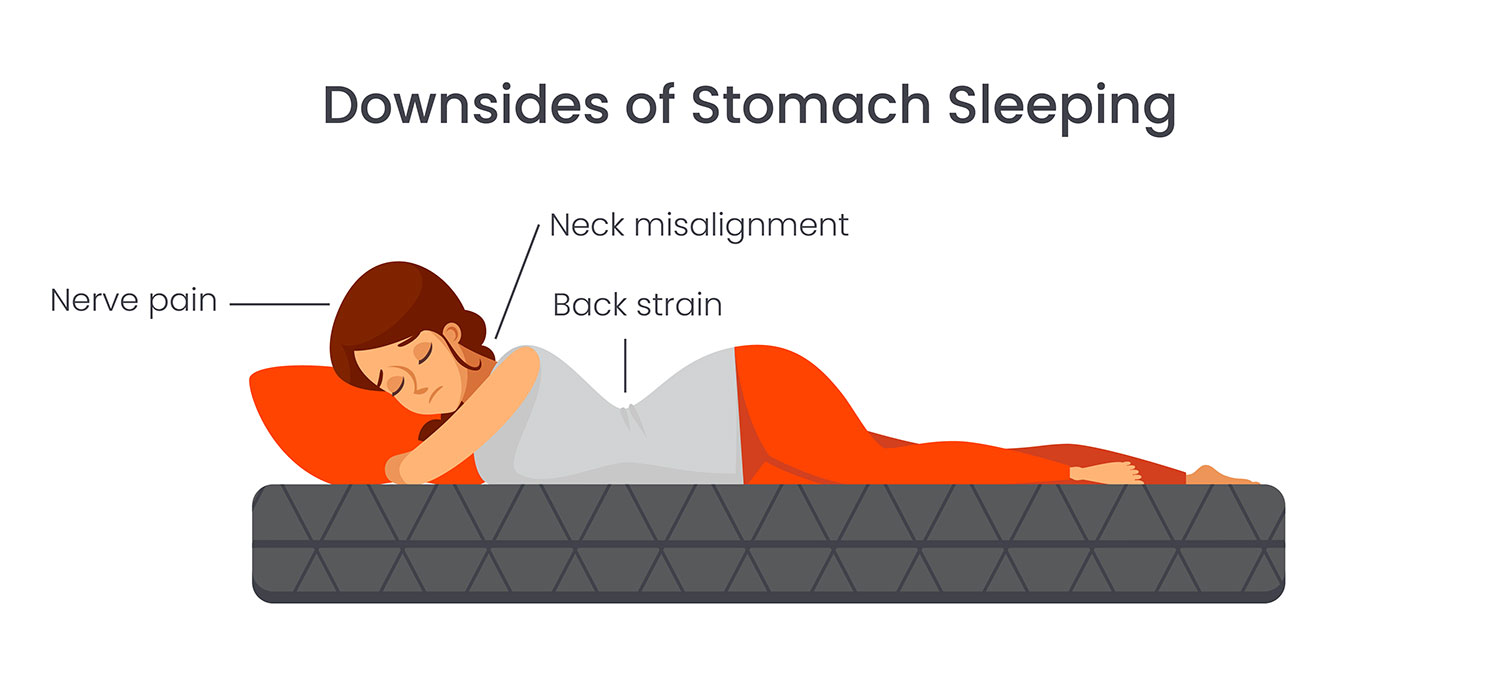
Risks Of Sleeping On Your Stomach
Sleeping on your stomach may feel comfortable for some. Yet, it carries several risks that affect your health and sleep quality. Understanding these dangers can help you decide if changing your sleep position is right.
Neck And Back Strain
Stomach sleeping forces your neck to turn sideways. This position strains neck muscles and joints. Your spine also loses its natural curve. Over time, this leads to back pain and stiffness. Poor spinal alignment can cause discomfort during the day.
Breathing Difficulties
Lying face down restricts your breathing. It puts pressure on your chest and lungs. This makes it harder to breathe deeply and fully. Reduced airflow can lower oxygen intake. This affects your sleep quality and overall health.
Long-term Health Effects
Continued stomach sleeping may cause lasting problems. Chronic neck and back pain can develop. Poor breathing patterns might lead to headaches and fatigue. It can also worsen conditions like acid reflux. These issues reduce your well-being over time.
Benefits Of Changing Sleep Positions
Changing sleep positions can bring many health benefits. Stomach sleepers often face challenges like neck and back pain. Shifting to a different position helps reduce these problems. It also improves overall sleep quality and breathing during the night.
Improved Spinal Alignment
Sleeping on your stomach can put pressure on your spine. This causes discomfort and misalignment. Changing to your back or side helps keep your spine in a neutral position. Proper alignment reduces pain and stiffness. Your muscles and joints relax more easily this way.
Enhanced Breathing
Stomach sleeping can make breathing harder. Your chest and lungs get compressed in this position. Side or back sleeping opens up your airways. This allows better airflow and easier breathing. Improved breathing supports better oxygen flow to your body.
Better Sleep Quality
Changing your sleep position can lead to deeper rest. Reduced pain and easier breathing help you fall asleep faster. You wake up less during the night. Restorative sleep boosts your mood, energy, and focus during the day.

Techniques To Shift Away From Stomach Sleeping
Changing sleep habits takes time and patience. Stomach sleepers can learn to rest in new ways. Techniques to shift away from stomach sleeping can help improve comfort and health. Using simple tools and mindful habits can make a big difference. Here are some effective methods to try.
Using Pillows For Support
Pillows can guide the body into new positions. Place a pillow under your side to prevent rolling onto your stomach. A firm pillow behind your back acts as a barrier. Use a thin pillow under your head for neck comfort. Experiment with pillow placement until you find what feels right. Pillows provide gentle reminders to stay off your stomach.
Sleep Positioning Devices
Special devices help keep you off your stomach during sleep. These include wedges, belts, or wearable alarms. Wedges elevate your upper body and reduce stomach pressure. Positioning belts gently stop you from turning over. Wearable alarms alert you when you begin stomach sleeping. These tools support new habits by making stomach sleeping uncomfortable or less likely.
Mindful Sleep Practices
Being aware of your sleep habits can ease the change. Try to fall asleep on your side or back. Practice deep breathing or gentle stretches before bed. Keep a regular sleep schedule to improve rest quality. Notice your body’s signals and adjust positions during the night. Mindfulness helps you stay conscious of your sleep posture and encourages lasting change.
Building New Sleep Habits
Changing how you sleep takes time and effort. Building new sleep habits helps your body adjust to a new position. This process needs small, steady steps every night. It means training your mind and body to feel comfortable in a different way.
Patience is key. Your body will slowly get used to the new habit. It can improve your sleep quality and reduce aches from old positions. Keep in mind that changing sleep habits is a gradual journey.
Consistency And Patience
Going to bed the same way each night helps form new habits. Try to keep the same sleep position even if it feels strange. Over time, your body will accept the new posture. Avoid switching back to old positions too soon. Stay patient and consistent for the best results.
Tracking Progress
Note how you sleep each night. Write down the position you woke up in. Track any pain or comfort you feel. This helps you see progress and areas to improve. Use a sleep diary or a simple app to keep records. Seeing progress motivates you to continue.
Managing Discomfort
New positions can cause discomfort at first. Use pillows to support your body and ease pressure. Adjust pillow height or firmness to find comfort. Stretch before bed to relax muscles. If pain lasts, try small changes until it feels better. Comfort helps your body accept the new habit.
Expert Tips For Lasting Change
Changing your sleeping position takes time and effort. Stomach sleepers often find it hard to switch to a better posture. Experts suggest using smart strategies for lasting change. These tips help make the process easier and more effective.
Small, steady steps work best. Learning from specialists and adjusting daily habits can support the change. Every person’s needs differ. Tailoring the approach increases success and comfort.
Consulting Sleep Specialists
Sleep specialists understand the challenges of changing sleep positions. They offer advice based on your body and habits. Specialists can identify problems like neck pain or breathing issues. They may suggest exercises or tools to help you sleep better. Getting professional guidance makes the transition safer and smoother.
Combining Lifestyle Adjustments
Simple lifestyle changes support new sleep habits. Avoid heavy meals or caffeine before bed. Create a calm, dark, and cool bedroom environment. Use pillows to support your sides and back. Practice relaxation techniques to reduce stress. These adjustments improve sleep quality and ease position changes.
Tailoring Approaches To Individual Needs
Each person has unique body shapes and comfort levels. Find the right pillow height and mattress firmness for you. Try different positions slowly and notice what feels best. Listen to your body’s signals to avoid pain. Personalizing your approach helps build a natural, lasting sleep pattern.
Frequently Asked Questions
Can Stomach Sleepers Change Their Sleeping Position?
Yes, stomach sleepers can retrain their position with patience. Gradual adjustments and supportive pillows help ease the transition to back or side sleeping.
How Long Does It Take To Retrain Sleep Position?
Retraining sleep position usually takes a few weeks. Consistency and persistence are key to creating new sleep habits comfortably.
What Methods Help Stop Stomach Sleeping At Night?
Using body pillows, placing pillows under knees, and taping the back gently help reduce stomach sleeping. These methods encourage side or back sleeping.
Is Retraining Sleep Position Beneficial For Health?
Yes, changing from stomach sleeping reduces neck and back pain. It also improves breathing and spinal alignment for better overall health.
Conclusion
Changing your sleep position takes time and patience. Start by making small changes each night. Use pillows to support your body and reduce discomfort. Your muscles will slowly adjust to the new position. Keep your bedroom calm and relaxing to help sleep better.
Remember, consistency is the key to success. With effort, stomach sleepers can find comfort on their side or back. Good sleep improves health and energy. Stay committed and give your body a chance to adapt. Better sleep habits lead to better days.