
Have you ever reached for an energy drink to power through the day, only to find yourself tossing and turning at night? You’re not alone.
Many people wonder if energy drinks mess with your sleep more than a simple cup of coffee. Understanding how these drinks affect your rest can help you make better choices and wake up feeling refreshed. Keep reading to discover the surprising truth about energy drinks, coffee, and your sleep quality.

Quick Navigation
Caffeine Content Comparison
Caffeine affects sleep by blocking sleep-inducing chemicals in the brain. Both energy drinks and coffee have caffeine, but their amounts differ. Understanding caffeine content helps see which disrupts sleep more.
Typical Amounts In Energy Drinks
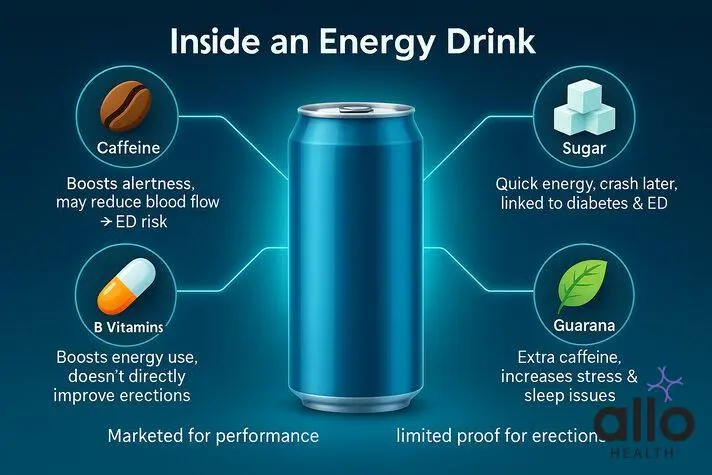
Energy drinks usually contain 70 to 200 milligrams of caffeine per can. Some brands pack even more caffeine. Besides caffeine, these drinks often have sugar and other additives. These extra ingredients can boost energy but may affect sleep.
Average Caffeine In Coffee
A standard cup of coffee has about 95 milligrams of caffeine. This varies by type and brewing method. Espresso shots have less volume but more caffeine per ounce. Coffee’s natural caffeine may affect the body differently than energy drinks.
Impact Of Other Ingredients
Energy drinks include taurine, guarana, and sugar. These can increase caffeine’s effects on the body. Sugar may cause energy spikes and crashes, disturbing sleep patterns. Coffee usually lacks these additives, making its impact simpler.
How Caffeine Affects Sleep
Caffeine is a natural stimulant found in coffee, energy drinks, and other products. It affects the brain and body in many ways. One of the most common effects is on sleep. Understanding how caffeine affects sleep helps explain why energy drinks might disrupt sleep more than coffee.
Caffeine blocks a chemical called adenosine. Adenosine makes you feel tired and ready to sleep. When caffeine blocks it, you stay awake and alert. This can change how your body moves through sleep cycles, how quickly you fall asleep, and how long caffeine stays in your system.
Caffeine And Sleep Cycles
Sleep has different stages: light sleep, deep sleep, and REM sleep. Caffeine can reduce the time spent in deep sleep. Deep sleep is very important for feeling rested. Less deep sleep means waking up tired. Caffeine may also lower REM sleep, which affects memory and mood.
Latency And Sleep Quality
Latency means the time it takes to fall asleep. Caffeine increases sleep latency, so falling asleep takes longer. This delay can make you feel frustrated and less rested. Sleep quality also drops because caffeine causes more awakenings during the night.
Duration Of Effects
Caffeine stays in the body for several hours. Its half-life is about 3 to 5 hours, but effects can last up to 8 hours. Energy drinks often have higher caffeine amounts than coffee. This means the disruption to sleep can last longer after drinking energy drinks.
Energy Drinks Vs Coffee On Sleep
Energy drinks and coffee both provide a caffeine boost. Many people use them to stay awake. Yet, their effects on sleep can differ. Understanding these differences helps choose wisely. This section compares energy drinks and coffee on sleep.
Differences In Absorption Rates
Caffeine in energy drinks absorbs faster than in coffee. Drinks often contain caffeine with added chemicals. These chemicals speed up absorption. Coffee releases caffeine more slowly into the blood. Fast absorption can cause a sudden energy spike. This spike may disrupt sleep more deeply.
Role Of Sugar And Additives
Energy drinks usually have high sugar levels. Sugar causes a quick rise in energy. Later, energy crashes, making sleep harder. Additives like taurine and guarana affect the body too. They can increase heart rate and alertness. Coffee rarely contains these extra ingredients. This makes coffee’s effect on sleep less intense.
Case Studies And Research Findings
Studies show energy drinks delay sleep more than coffee. Participants drinking energy drinks fell asleep slower. Their sleep quality also dropped. Coffee caused milder delays in sleep start time. Research links sugar and additives to poor sleep. Results suggest energy drinks disrupt sleep more strongly.
Individual Sensitivity Factors
People react differently to energy drinks and coffee. Some feel wide awake after a small sip. Others might not notice much. These differences affect how sleep is disrupted by caffeine. Understanding individual sensitivity helps explain why energy drinks might affect some more than coffee.
Genetic Variations
Genes play a big role in how the body processes caffeine. Some people have genes that break down caffeine fast. Others process it slowly. Slow processors feel caffeine’s effects longer. This means energy drinks can keep them awake more than coffee.
Tolerance Levels
Regular caffeine users develop tolerance. Their bodies get used to caffeine over time. This reduces its sleep-disrupting effects. People who rarely drink caffeine feel stronger effects. Energy drinks often have more caffeine than coffee. So, they can disrupt sleep more in low-tolerance users.
Timing And Consumption Habits
The time of day caffeine is consumed matters. Drinking caffeine late in the day can cause sleep problems. Energy drinks are often consumed in the afternoon or evening. Coffee is usually drunk in the morning. This timing difference can make energy drinks more disruptive to sleep.
Health Risks Beyond Sleep
Energy drinks and coffee affect more than just sleep. Both have health risks that many do not consider. These risks can impact the heart, mind, and overall health over time.
Understanding these risks helps you make better choices about what you drink daily. Let’s explore the main health concerns linked to these popular beverages.
Cardiovascular Concerns
Energy drinks often contain high caffeine and sugar levels. These can raise heart rate and blood pressure quickly. Such spikes strain the heart and blood vessels.
Some studies show energy drinks may cause irregular heartbeats. This risk is higher for people with heart problems. Coffee also affects the heart but usually in smaller amounts.
Mental Health Effects
Both energy drinks and coffee impact the brain. Energy drinks can cause anxiety and restlessness due to high caffeine. They may also increase feelings of nervousness or panic.
Coffee can improve mood and focus but too much leads to jitters. Energy drinks often have added stimulants, which may worsen stress and mood swings.
Long-term Implications
Regular consumption of energy drinks may lead to addiction and tolerance. Over time, this can cause fatigue and poor concentration. Coffee also can cause dependence but less commonly.
High sugar in many energy drinks raises the risk of obesity and diabetes. Long-term heart and mental health risks may increase with heavy use. Moderation is key for both drinks to avoid lasting harm.
Tips For Minimizing Sleep Disruption
Sleep disruption from energy drinks and coffee can hurt your rest. Small changes help protect your sleep. Choosing the right drink, timing consumption, and trying alternatives can reduce problems. These tips keep energy up without losing good sleep.
Choosing The Right Beverage
Pick drinks with less caffeine. Energy drinks often have more caffeine than coffee. Check labels to find lower caffeine options. Herbal teas or decaf coffee can work well. Avoid sugary drinks that cause energy crashes.
Optimal Consumption Times
Drink caffeine early in the day. Avoid energy drinks or coffee late afternoon or evening. Caffeine stays in the body for hours. Stopping caffeine intake six hours before bed helps sleep.
Alternatives To Boost Energy
Try natural ways to feel awake. Short walks or light exercise increase alertness. Drink water to stay hydrated and alert. Breathing fresh air helps clear the mind. Small snacks with protein or fruit can boost energy safely.
Frequently Asked Questions
Do Energy Drinks Affect Sleep More Than Coffee?
Energy drinks often disrupt sleep more than coffee due to higher caffeine and sugar content. They can cause faster heart rate and increased alertness, making it harder to fall asleep and stay asleep.
How Long Does Caffeine From Energy Drinks Stay In The Body?
Caffeine from energy drinks can stay in the body for 4 to 6 hours. This duration varies based on individual metabolism, age, and sensitivity, potentially leading to prolonged sleep disturbances.
Can Energy Drinks Cause Insomnia Compared To Coffee?
Yes, energy drinks can cause insomnia more frequently than coffee. Their combination of caffeine and stimulants can intensify alertness, delaying sleep onset and reducing overall sleep quality.
Is It Safe To Consume Energy Drinks Before Bedtime?
No, consuming energy drinks before bedtime is not safe. Their high caffeine and stimulant levels interfere with natural sleep cycles and reduce the ability to fall asleep quickly.
Conclusion
Energy drinks often contain higher caffeine than coffee. This can cause stronger effects on your sleep. Some people feel more restless after energy drinks. Coffee’s impact varies depending on how much you drink. Both drinks can make it harder to fall asleep.
Choosing water or herbal tea at night helps better rest. Pay attention to how your body reacts. Good sleep supports your health and daily energy. Balance your caffeine intake for better nights and days.

