
Have you ever wondered if monks and soldiers really need less sleep than the rest of us? It’s a question that sparks curiosity because both groups face intense physical and mental demands every day.
What if you could learn their secrets to functioning well with fewer hours of rest? Understanding this could change how you approach your own sleep and productivity. Keep reading to discover surprising facts about their sleep patterns and what they might mean for your daily life.
Quick Navigation
Sleep Patterns Of Monks
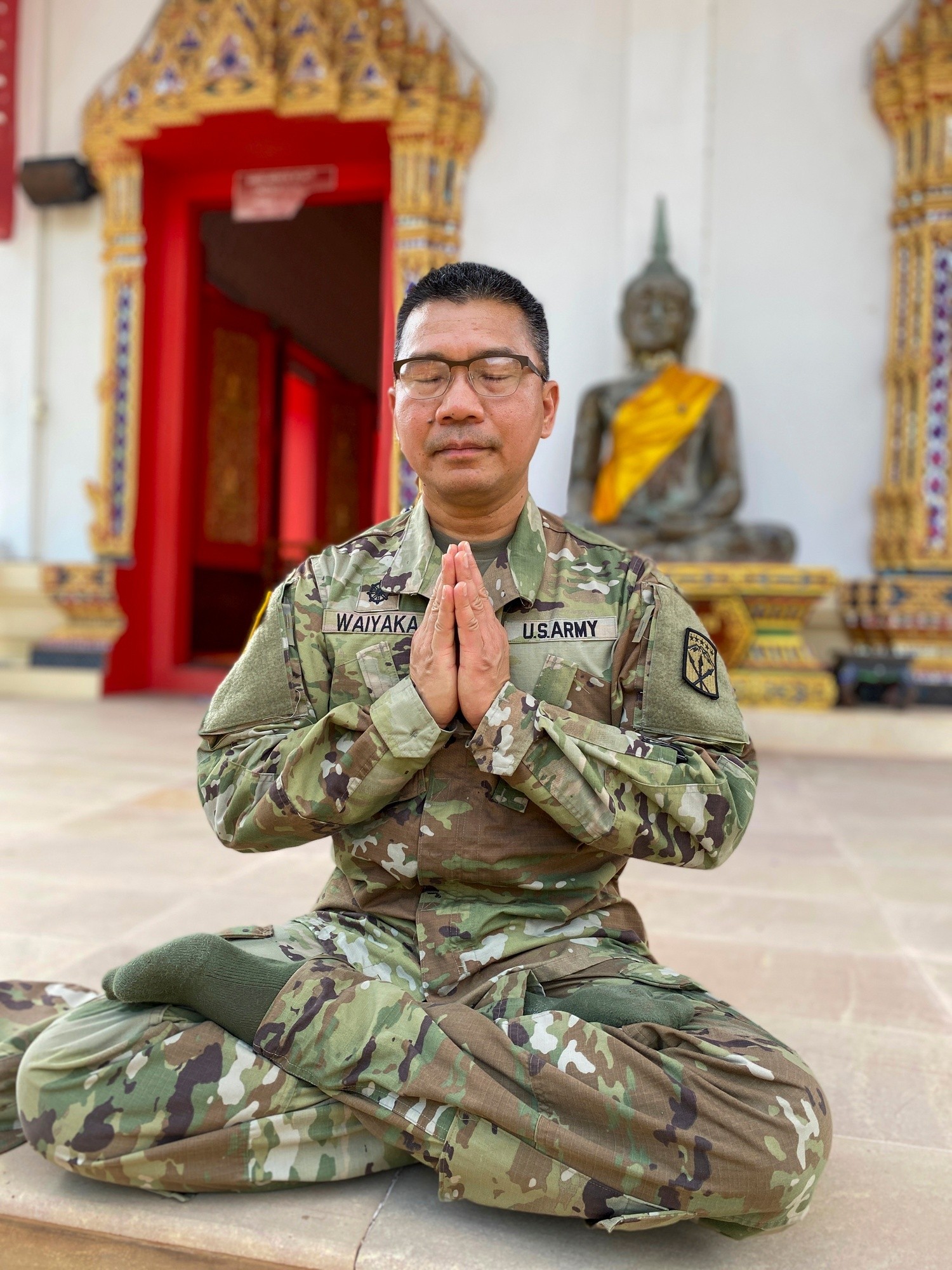
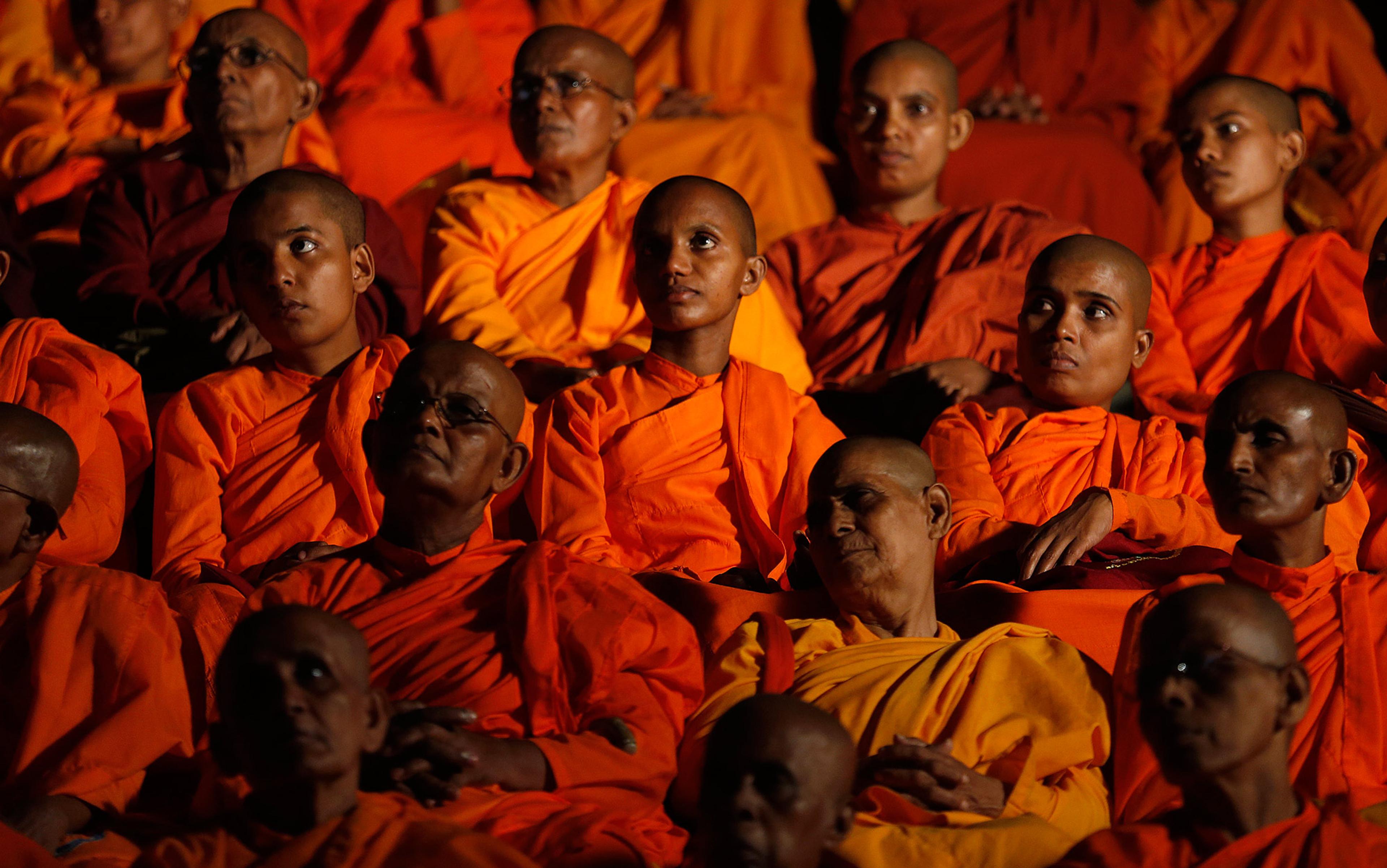
Monks follow unique sleep patterns shaped by their simple lifestyle and spiritual goals. Their daily habits focus on mindfulness and balance. Sleep is not just rest but part of their overall well-being. Understanding how monks sleep can reveal insights about human rest and discipline.
Daily Routines And Sleep
Monks rise early, often before sunrise. Their days include prayer, meditation, and community work. This schedule limits late-night activities. Sleep usually happens in short segments. Many monks take brief naps during the day to refresh. Their routine promotes a natural sleep rhythm aligned with daylight.
Meditation’s Impact On Rest
Meditation helps monks relax their minds deeply. It reduces stress and calms brain activity. This mental state can improve sleep quality. Some monks report needing less sleep due to meditation. Their brains enter restful states faster and more fully. Meditation acts as a tool to enhance rest without extra hours of sleep.
Sleep Duration And Quality
Monks often sleep between four to six hours nightly. Their sleep tends to be deep and restorative. Quality matters more than length. Consistent sleep times help maintain this quality. Shorter but focused sleep supports their active and mindful lifestyle. This pattern challenges the idea that everyone needs eight hours of sleep.
Sleep Needs Of Soldiers
Soldiers face unique challenges that affect their sleep needs. Their bodies and minds must stay alert and ready. Sleep is crucial for their physical health and mental focus. Yet, the demands of military life often reduce their sleep time. Understanding how soldiers manage sleep helps us see their resilience and limits.
Training And Sleep Deprivation
Military training is tough and pushes soldiers hard. Long hours and intense drills often cut into sleep time. Sleep deprivation tests their endurance and mental strength. Training simulates stressful conditions to prepare soldiers for real missions. This lack of sleep can impair decision-making and reaction time.
Combat Situations And Rest
Combat brings unpredictable and dangerous conditions. Soldiers may get only brief moments to rest. Sleep is often fragmented and light during missions. Stress and noise make deep sleep rare. Despite this, even short naps can boost alertness and performance.
Recovery Sleep Strategies
After missions, soldiers focus on catching up on sleep. They use recovery sleep to repair their bodies and minds. Longer sleep periods help restore energy and memory. Napping during the day also supports recovery. Proper sleep after stress improves resilience for future challenges.
Comparing Monks And Soldiers
Monks and soldiers lead very different lives. Yet, both often have unique sleep patterns. Understanding their sleep needs helps us see how lifestyle affects rest. Monks focus on meditation and calm. Soldiers face high physical and mental demands. Comparing these groups shows how stress and fatigue shape sleep habits.
Stress Levels And Sleep
Monks experience low stress during meditation and prayer. Their calm lifestyle helps them sleep deeply. Soldiers face high stress in training and combat. This stress can make sleep harder and less restful. Stress affects how long and well they sleep each night.
Physical Vs. Mental Fatigue
Soldiers often feel physical tiredness from hard work and exercise. Their bodies need sleep to recover muscle and strength. Monks mostly deal with mental fatigue from long hours of focus. Their rest helps clear the mind and restore calm. Both types of fatigue require sleep but affect the body differently.
Adaptations To Sleep Requirements
Monks may sleep less but take short naps to stay alert. Their meditation helps reduce the need for long sleep. Soldiers sometimes get less sleep due to duty schedules. They train their bodies to function on less rest. Both adapt their sleep to fit their daily demands and survive well.
Scientific Insights On Reduced Sleep
Scientists study why monks and soldiers often need less sleep. Their lifestyle and training might change how their bodies handle rest. Research shows their sleep patterns differ from the average person’s. Understanding this can help us learn about sleep and health.
Effects Of Meditation On Sleep
Meditation helps monks calm their minds. This calmness lowers stress and anxiety levels. Reduced stress improves the quality of sleep. Meditation also changes brain waves to a more relaxed state. This allows monks to feel rested with less sleep time.
Sleep Efficiency And Recovery
Sleep efficiency means how well the body recovers during sleep. Soldiers train their bodies to recover quickly. Their sleep is often deep and restful, even if short. Good sleep efficiency means less time is needed to feel refreshed. This ability helps soldiers stay alert with fewer hours of sleep.
Genetic Factors Influencing Sleep
Some people have genes that reduce their sleep needs. These genes affect brain function and energy use. Scientists found certain gene variants in both monks and soldiers. These genes help them stay active and alert with less sleep. Genetics plays a strong role in how much sleep a person needs.
Practical Lessons For Everyone
Monks and soldiers often sleep less than most people. Yet, they still stay strong and alert. Their lifestyles teach us useful lessons about sleep. These lessons help us improve how we rest and live.
Improving Sleep Quality
Quality of sleep matters more than quantity. Deep, restful sleep helps the body heal and the mind refresh. Create a calm and dark place for sleep. Avoid screens and bright lights before bed. This helps you fall asleep faster and sleep better.
Balancing Activity And Rest
Both monks and soldiers balance work and rest well. They stay active during the day to feel tired at night. Regular physical activity improves sleep quality. It also helps reduce stress and anxiety. Rest periods during the day can boost energy and focus.
Incorporating Mindfulness Practices
Mindfulness helps calm the mind and body. Monks use meditation to relax and clear their thoughts. Soldiers use breathing techniques to stay calm under pressure. Practicing mindfulness before bed can improve sleep. It reduces worries and helps you fall asleep peacefully.
Frequently Asked Questions
Do Monks Really Need Less Sleep Than Average People?
Monks often sleep less, around 4-6 hours, due to disciplined routines and meditation. Their rest quality compensates for shorter sleep duration.
How Much Sleep Do Soldiers Typically Require?
Soldiers usually need 6-8 hours of sleep but often get less during missions. Training helps them function on limited rest temporarily.
Can Meditation Reduce Overall Sleep Needs?
Yes, meditation improves sleep quality and mental rest, potentially lowering total sleep needs without harming health or performance.
Why Do Monks And Soldiers Have Different Sleep Patterns?
Monks focus on mental clarity and spiritual practice, while soldiers prioritize alertness and physical readiness, influencing their sleep habits.
Conclusion
Monks and soldiers often sleep less than most people. Their bodies adapt to less rest over time. Still, sleep needs vary from person to person. Good sleep helps keep the mind sharp and the body strong. Even with training, skipping too much sleep can cause problems.
Balance is key for health and performance. Understanding sleep habits helps us learn from their lifestyle. Everyone should find the right sleep amount for their own life. Sleep well, live well.

