
As an Amazon Associate I earn from qualifying purchases.
Do you really need 8 hours of sleep every night? You’ve probably heard this advice countless times, but is it true for everyone?
What if the secret to feeling energized and sharp isn’t about hitting a magic number on the clock? Imagine waking up refreshed, focused, and ready to take on your day without dragging through endless hours in bed. You’ll discover what science says about sleep, how much rest your body truly needs, and simple ways to improve your sleep quality.
Keep reading—your best night’s sleep might be closer than you think.
Quick Navigation
Why 8 Hours Became A Standard
The idea of needing 8 hours of sleep each night feels like a rule everyone knows. But why exactly did 8 hours become the standard? The number did not come from one single study or expert. It grew over time, shaped by culture, science, and health advice. Understanding this history helps us see if 8 hours truly fits everyone.
Historical Sleep Recommendations
Long ago, people slept in two parts. They called these “first sleep” and “second sleep.” Nighttime was for rest and quiet activity. The total sleep time often added up to about 7 to 9 hours.
In the early 20th century, work schedules changed with the rise of factories. People needed a clear, consistent sleep time to fit their jobs. Doctors began to suggest 8 hours as a simple, easy goal.
Modern Sleep Guidelines
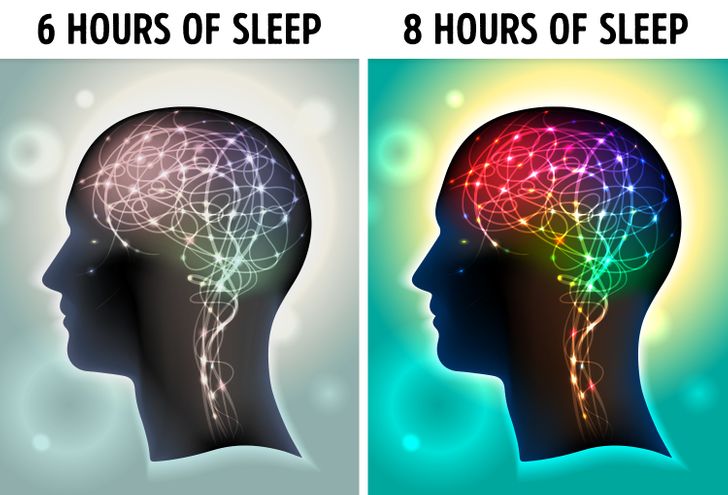
Today, health groups recommend 7 to 9 hours of sleep for most adults. Scientists base this on many studies about how sleep affects the body and mind. They found that less sleep can hurt memory, mood, and health.
Still, some people feel great with a bit less or more sleep. The 8-hour mark serves as a general guide, not a strict rule for everyone. Personal needs can vary widely.
Individual Sleep Needs Vary
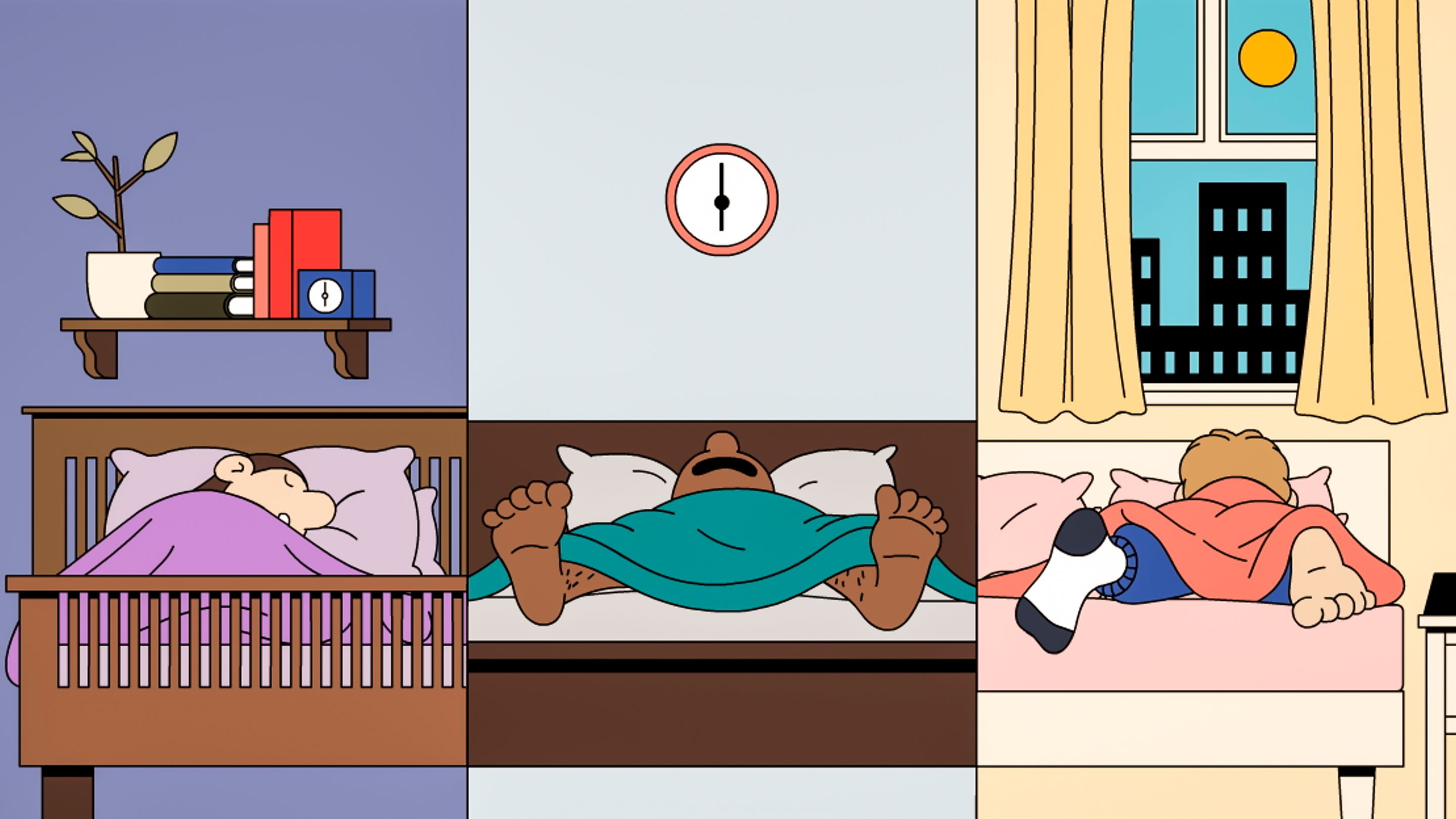
Sleep is not one size fits all. Each person needs a different amount of rest for their body to feel good and work well. Many factors change how much sleep is right for someone. Understanding these can help you find your best sleep time.
Genetics And Sleep Duration
Genes play a big role in sleep length. Some people naturally need less sleep than others. This difference is part of their DNA. Studies show that certain genes affect how long you sleep. So, your body clock might tell you eight hours is too much or too little.
Age And Sleep Requirements
Age changes how much sleep your body needs. Babies and kids need much more sleep than adults. Older adults often need less sleep but may wake up more during the night. As you grow, your sleep pattern shifts, and your body adjusts its rest needs.
Lifestyle Factors
Your daily habits affect sleep needs too. People who exercise a lot may need more rest to recover. Stress and work hours also change how well you sleep. Diet and screen time before bed impact sleep quality. These lifestyle choices can make your sleep needs grow or shrink.
Quality Vs Quantity
Many people believe sleep is just about the hours spent in bed. The truth is, sleep quality matters more than quantity. You can spend 8 hours sleeping but still feel tired. Good sleep restores the body and mind. Poor sleep leaves you drained. Understanding the difference helps improve your health and energy.
What Is Sleep Quality?
Sleep quality means how well you sleep through the night. It includes deep sleep and REM sleep stages. These stages help your brain and body recover. Good quality sleep means fewer awakenings and feeling refreshed in the morning. It is not just about the total hours but how restful those hours are.
Effects Of Poor Sleep Quality
Poor sleep quality can cause many problems. It lowers your focus and memory. You may feel tired and moody during the day. Poor sleep also weakens the immune system. It increases the risk of heart disease and diabetes. Even with enough hours, bad quality sleep harms your health.
How To Improve Sleep Quality
Create a calm and dark bedroom environment. Avoid screens at least one hour before bed. Stick to a regular sleep schedule every day. Limit caffeine and heavy meals in the evening. Try relaxation techniques like deep breathing or meditation. These habits help you get deeper and more restful sleep.

Consequences Of Too Little Sleep
Sleep is crucial for a healthy life. Not getting enough sleep can cause many problems. These problems affect the body, mind, and daily abilities. Understanding these risks helps you see why sleep matters.
Physical Health Risks
Too little sleep raises the chance of heart disease. It can increase blood pressure and cause weight gain. The immune system weakens without enough rest. This means getting sick more often. Chronic sleep loss may also lead to diabetes.
Mental Health Impact
Sleep affects mood and emotions. Without enough sleep, feelings of sadness and anxiety grow. It can make stress harder to handle. Long-term sleep problems link to depression. Rest is key to keeping a balanced mind.
Cognitive Performance
Sleep improves memory and focus. Lack of sleep reduces attention and slows thinking. It makes learning new things tough. Decision-making skills also drop. Sleep helps the brain work at its best.
Risks Of Oversleeping
Sleep is vital for health, but too much can cause harm. Oversleeping may affect your body and mind in many ways. Understanding the risks helps you find the right balance for rest.
Health Concerns Linked To Excessive Sleep
Sleeping more than nine hours regularly can increase health problems. It may raise the risk of heart disease and diabetes. Too much sleep can also cause headaches and back pain. Some studies link oversleeping with weight gain and depression. Your body needs rest, but excess sleep might disrupt natural rhythms. This imbalance can weaken your immune system and lower energy.
When Too Much Sleep Signals A Problem
Long sleep hours may show an underlying health issue. Conditions like sleep apnea, hypothyroidism, or depression often cause excessive sleep. Persistent tiredness, despite long sleep, deserves medical advice. Oversleeping can also mean poor sleep quality at night. Watch for sudden changes in sleep patterns or mood. These signs point to problems beyond just sleeping too much.
Tips For Finding Your Ideal Sleep Time
Finding the right amount of sleep can change how you feel every day. Not everyone needs exactly eight hours. Some people feel great with less, and others need more. The key is to discover what works best for you.
Here are some tips to help you find your ideal sleep time. These steps can guide you to better rest and more energy.
Tracking Your Sleep Patterns
Start by keeping a simple sleep diary. Write down when you go to bed and when you wake up. Note how you feel each morning. Tired or refreshed?
Use a sleep app or a wearable device if you can. These tools show your sleep quality and duration. Watch for trends over several weeks. This helps you see your natural sleep needs clearly.
Listening To Your Body’s Signals
Pay close attention to your energy levels during the day. Are you sleepy in the afternoon? Do you wake up before your alarm feeling rested? Your body sends clear signs about how much sleep you need.
Notice how you feel after different amounts of sleep. Some days might need more rest. Other days less. Trust your body’s signals to guide your sleep time.
Adjusting Sleep Based On Daily Needs
Life changes your sleep needs daily. Stress, exercise, and diet can affect how much rest you need. Adjust your bedtime or wake time accordingly.
Try going to bed 15 minutes earlier or later. See how you feel the next day. Small changes can make a big difference in energy and focus.
Common Sleep Myths Debunked
Sleep has many myths that confuse people. These myths can affect how we think about rest. Understanding the truth helps us make better choices for health.
Many believe in sleep ideas that are not true. Let’s clear up some common mistakes about sleep.
Myth About Catching Up On Sleep
People often think lost sleep can be made up later. Sleeping more on weekends will fix weekday sleep loss. Science shows this is not fully true. Missing sleep causes damage that extra rest cannot erase. Your body needs regular, good sleep every night. Catching up only feels helpful but does not restore full energy.
Myth About Sleep And Productivity
Some say less sleep means more work done. Cutting sleep to gain extra hours seems smart. Studies show less sleep lowers focus and memory. Poor sleep reduces problem-solving and creativity. Tired people make more mistakes and work slower. Good sleep improves brain function and productivity over time.
Frequently Asked Questions
How Many Hours Of Sleep Do Adults Really Need?
Most adults require 7 to 9 hours of sleep per night for optimal health. Sleep needs vary by individual but staying within this range promotes physical and mental well-being.
Can Less Than 8 Hours Of Sleep Be Healthy?
Yes, some people function well with 6 to 7 hours of sleep. Quality matters more than quantity, but regularly getting less than 6 hours can harm health over time.
What Happens If You Consistently Get Too Little Sleep?
Chronic sleep deprivation leads to poor concentration, weakened immunity, and increased risk of heart disease. It also affects mood and increases stress levels.
Is It Bad To Sleep More Than 8 Hours Regularly?
Sleeping more than 9 hours regularly can signal underlying health issues. Excessive sleep may be linked to depression, diabetes, or heart problems.
Conclusion
Sleep needs can vary from person to person. Eight hours is a good guideline, not a strict rule. Some may feel great with less sleep. Others need more to stay healthy and focused. Quality of sleep matters as much as quantity.
Pay attention to how you feel each day. Rest well, and your body will thank you. Keep a regular sleep schedule for best results. Good sleep supports your mind and body daily.