
Have you ever wondered if the blue light from your phone or computer is really ruining your sleep? You’ve probably heard that it’s bad for your rest, but is that always true?
Understanding how blue light affects your sleep can help you make smarter choices at night. Keep reading to discover the surprising facts about blue light and learn what you can do to protect your sleep without giving up your favorite devices.
Your best night’s rest might be closer than you think.
Quick Navigation
Blue Light And Sleep Basics
Blue light and sleep have a close connection. Understanding this link helps us protect our rest. Light guides our body’s natural clock. Blue light plays a special role in this process.
Many wonder if blue light always harms sleep. To answer this, we must learn the basics. What blue light is and how it works in the body matters.
What Is Blue Light?
Blue light is a type of visible light. It has short wavelengths and high energy. The sun is the main source of blue light. Many devices like phones and computers also emit it. Blue light helps us stay alert during the day. It affects how we see colors and shapes. But too much exposure at night can cause issues.
How Blue Light Affects Circadian Rhythm
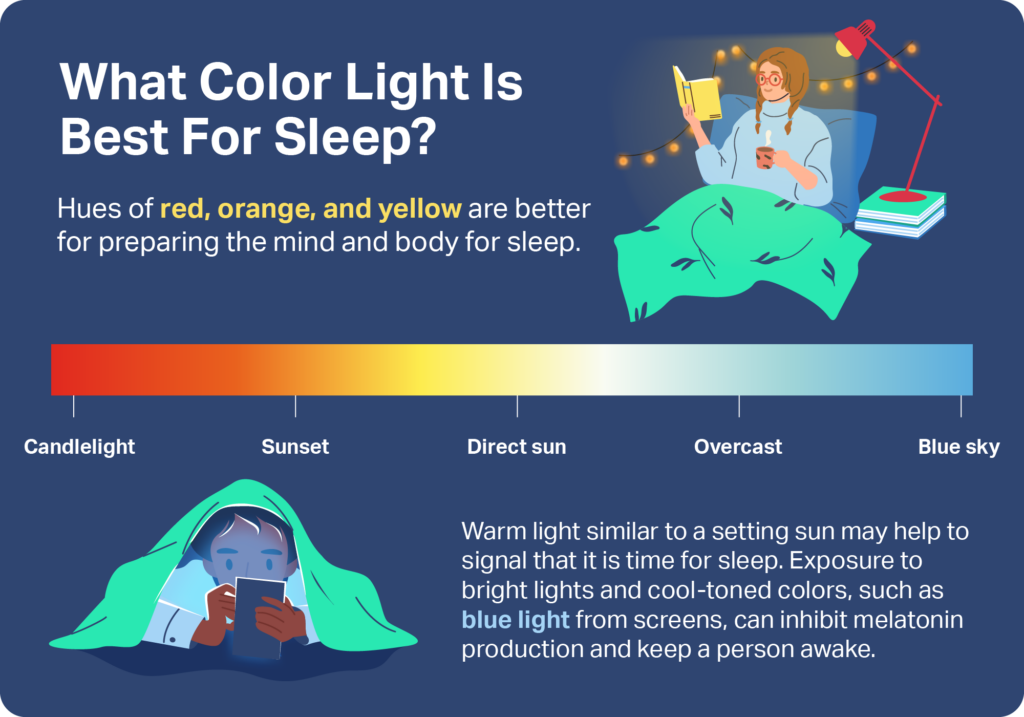
The circadian rhythm is our body’s internal clock. It controls sleep and wake cycles. Blue light signals the brain to stay awake. It lowers the production of melatonin, the sleep hormone. This can make falling asleep harder. Exposure to blue light at night can shift the rhythm. This leads to poor sleep quality and tired mornings.
Sources Of Blue Light
Blue light comes from many sources in our daily lives. Some come from nature. Others come from devices we use every day. Knowing these sources helps us understand how blue light affects sleep.
Not all blue light is the same. Some types are helpful. Others can disturb our sleep. Let’s explore where blue light comes from and how it reaches us.
Natural Vs Artificial Blue Light
Sunlight is the main natural source of blue light. It helps control our body clock and mood. During the day, natural blue light keeps us alert and awake.
Artificial blue light comes from man-made sources. It is common in screens and LED lights. Unlike sunlight, artificial blue light often reaches us at night. This can confuse our body’s sleep signals.
Common Devices Emitting Blue Light
Many devices emit blue light. Smartphones, tablets, and computers are the biggest sources. People use these devices for hours daily.
Other sources include TVs, LED bulbs, and some car lights. These lights add up and increase blue light exposure. Nighttime use of these devices can disrupt sleep patterns.
Myths About Blue Light And Sleep
Many people believe blue light always harms sleep. This idea spreads fast. Yet, it is not fully true. Understanding myths helps to use blue light smartly. It shows what really affects sleep and what does not.
Blue Light Is Always Harmful
Blue light is not always bad for sleep. It helps to wake up in the morning. It boosts mood and alertness during the day. The problem is too much exposure at night. Bright screens close to bedtime can delay sleep. But small amounts of blue light do not ruin rest.
Blocking Blue Light Solves Sleep Issues
Blocking blue light does not fix all sleep problems. Many factors affect sleep quality. Stress, noise, and room temperature matter a lot. Blue light filters or glasses help some people. But they are not a cure for poor sleep. Good sleep habits are more important than just blocking blue light.
Scientific Findings On Blue Light Impact
Scientists have studied how blue light affects sleep for many years. Their findings show that blue light can change sleep patterns. But the effects are not the same for everyone. Understanding these results helps us know when blue light may harm sleep.
Studies On Blue Light Exposure And Sleep Quality
Research shows blue light exposure can reduce melatonin, the sleep hormone. Lower melatonin makes it harder to fall asleep. Many studies find that using screens before bed delays sleep time. People report feeling less rested after blue light exposure at night. Yet, some studies show small or no effects on sleep quality. Differences in study results may come from the amount and timing of blue light.
Factors Influencing Blue Light Effects
Age plays a role; children and teens are more sensitive to blue light. The time of day matters most; blue light in the evening is more harmful. The brightness and duration of exposure also affect sleep. Using blue light filters or glasses can reduce its impact. Personal habits, like screen use before bed, influence how blue light affects sleep.
Practical Tips To Manage Blue Light
Managing blue light is key to better sleep. Too much blue light before bedtime can disturb your natural sleep cycle. Simple changes can reduce its impact and help you rest well. Here are practical tips to control blue light effectively.
Using Blue Light Filters And Glasses
Many devices have blue light filters. Turn them on in the evening. These filters lower the blue light your screen emits. Blue light blocking glasses are also helpful. Wear them a few hours before sleep. They reduce eye strain and improve sleep quality.
Adjusting Screen Time Before Bed
Try to stop using screens at least one hour before bed. This limits blue light exposure. Instead, read a book or listen to calm music. Avoid intense activities on your phone or computer. This helps your brain wind down naturally.
Creating A Sleep-friendly Environment
Keep your bedroom dark and quiet. Use blackout curtains to block outside light. Dim the lights at home as bedtime nears. Choose warm, soft lighting instead of bright white or blue lights. A cozy environment signals your body that it is time to sleep.

When To Seek Professional Advice
Blue light can affect sleep, but not always. Sometimes, sleep problems go beyond screen use. Knowing when to get help is important. Professional advice can guide you to better rest and health.
Do not ignore ongoing sleep issues. Early action can prevent more serious problems. Experts can offer tests, treatments, and advice tailored to your needs.
Recognizing Persistent Sleep Problems
Struggling to fall asleep most nights? Waking up tired even after hours in bed? These signs show deeper sleep issues. Nightmares, frequent waking, or daytime sleepiness also matter. If sleep troubles last over two weeks, consider expert help.
Persistent problems may signal conditions like insomnia or sleep apnea. They need proper diagnosis and care. Self-help might not fix these issues.
Role Of Sleep Specialists
Sleep specialists study sleep and its disorders. They use tools like sleep studies and questionnaires. Specialists find causes of poor sleep beyond blue light. Their advice includes lifestyle changes and medical treatments.
Experts personalize plans to improve your sleep quality. They may recommend therapy, devices, or medication. Seeking help leads to better rest and health.
Frequently Asked Questions
Does Blue Light Always Disrupt Sleep Quality?
Blue light can disrupt sleep by suppressing melatonin. However, its impact depends on exposure timing and intensity. Evening exposure is more harmful. Daytime blue light may boost alertness without affecting sleep.
How Does Blue Light Affect Melatonin Production?
Blue light reduces melatonin, the hormone that controls sleep cycles. Less melatonin makes falling asleep harder. Avoiding blue light before bedtime helps maintain natural melatonin levels and improves sleep quality.
Can Using Blue Light Filters Improve Sleep?
Yes, blue light filters reduce exposure from screens. They help preserve melatonin levels and support better sleep. Using filters in the evening can minimize blue light’s negative effects on sleep patterns.
Is All Blue Light Harmful To Sleep?
Not all blue light is harmful. Natural blue light during the day supports alertness and mood. Only excessive exposure to artificial blue light at night tends to disrupt sleep.
Conclusion
Blue light does not always ruin sleep. Small amounts may not cause harm. Bright screens before bed can make falling asleep hard. Using dim lights and limiting screen time helps. Some people are more sensitive to blue light. Wearing glasses that block blue light might help.
Good sleep habits matter most for restful nights. Try to relax and avoid screens before sleep. Balance is key for healthy sleep and daily life.

