
Are you struggling to get a good night’s sleep? You might be wondering if something as simple as sleeping with a fan could help.
Many people swear by the gentle breeze and white noise a fan provides, claiming it helps them fall asleep faster and stay asleep longer. But does sleeping with a fan really improve your sleep quality, or is it just a comforting habit?
Keep reading to discover the surprising science behind this common practice and find out if turning on that fan could make a difference in how well you rest each night.
Quick Navigation
How Fans Affect Sleep
Fans can change how we sleep in several ways. They affect air movement, sound, and room moisture. These factors can help or hurt sleep quality. Understanding how fans work during sleep helps you decide if using one is right for you.
Cooling And Air Circulation
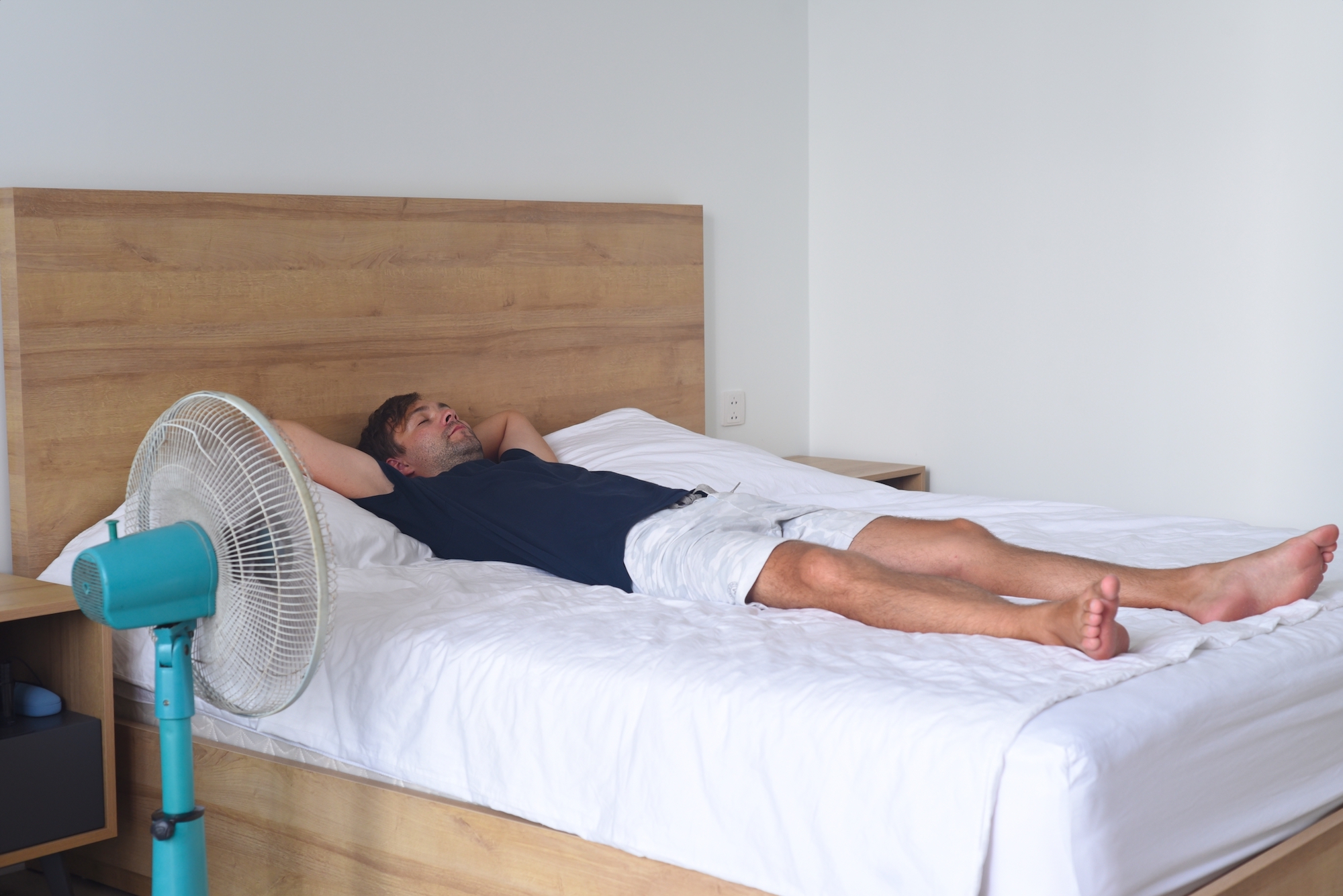
Fans move air around the room. This helps cool the body by speeding up sweat evaporation. A cooler body temperature often leads to better sleep. Stale air can feel stuffy. Fans keep air fresh, reducing discomfort during the night.
White Noise Benefits
Fans create a steady, soft sound called white noise. This noise can block out sudden sounds that wake people. White noise helps the brain relax. It creates a calm background that some find soothing for sleep.
Humidity And Comfort Levels
Fans affect room humidity by moving air. This can lower moisture, making the room feel less damp. Dry air may help people who dislike humidity sleep better. But, too much air movement can cause dry skin or throat irritation. Finding a balance is key for comfort.
Health Benefits Of Using A Fan
Using a fan while sleeping offers more than just cool air. It can improve your health in small but meaningful ways. Fans help create a better sleep environment. This can lead to better rest and fewer sleep problems.
Here are some key health benefits of using a fan during sleep.
Improved Breathing
A fan helps move air around the room. This prevents the air from becoming stale. Fresh air supports easier and clearer breathing. It reduces the chance of feeling stuffy at night. This is especially helpful for people with mild breathing issues.
Reduced Allergens
Fans keep air moving. This can stop dust and allergens from settling. A gentle breeze helps keep allergy triggers low. It may reduce sneezing, itching, and other allergy symptoms. Cleaner air means a more comfortable sleep.
Prevention Of Night Sweats
Fans help regulate your body temperature. They provide a cooling effect that stops overheating. This cooling reduces night sweats and discomfort. Staying cool helps you fall asleep faster and stay asleep longer.
Potential Drawbacks
Sleeping with a fan has benefits, but it can also cause problems. Some issues might affect your sleep quality and health. Understanding these drawbacks helps you decide if using a fan is right for you.
Dryness And Irritation
Fans blow air that can dry out your skin and eyes. Dry air may cause irritation in your nose and throat. This can make breathing uncomfortable and disturb your sleep. People with sensitive skin may feel more irritation.
Noise Disruptions
Fans create constant noise, which some find soothing. Others may find the sound distracting or annoying. Loud or irregular fan noise can interrupt deep sleep. This noise may cause you to wake up more often.
Allergic Reactions
Fans can spread dust, pollen, and other allergens in the room. This can trigger allergies or worsen symptoms like sneezing and coughing. People with asthma or allergies should be careful using fans. Cleaning the fan regularly helps reduce allergens.
Choosing The Right Fan
Choosing the right fan can make a big difference in your sleep quality. A fan that suits your needs cools the room, moves air well, and does not disturb your rest. Picking the best fan means thinking about how it works, the sound it makes, and where to put it. These factors help create a comfortable sleep space.
Types Of Fans
There are many types of fans to pick from. Table fans sit on a desk or floor and blow air directly. Tower fans are tall and slim, moving air quietly in many directions. Ceiling fans spin above and cool the whole room without taking floor space. Each type offers different airflow and noise levels. Choose one that fits your room size and cooling needs.
Noise Levels To Consider
Noise matters for good sleep. Some fans hum softly, while others can be loud. A quiet fan helps you fall asleep faster and stay asleep longer. Look for fans labeled “quiet” or “sleep mode.” The steady white noise from a fan can also block other sounds. Avoid fans that make sharp or uneven noises. That can disturb your rest.
Placement Tips
Where you place your fan changes how well it works. Put the fan near a window to bring in fresh air. Point the fan toward your bed for direct cooling. Keep the fan away from your face to avoid dryness or chills. Make sure the fan does not blow dust or allergens on you. Adjust its height and angle for the best airflow.
Tips For Better Sleep With A Fan
Using a fan while sleeping can help many people rest better. Fans cool the room and create white noise. This noise can block out other sounds. Small changes in how you use your fan can improve your sleep quality a lot.
Try these simple tips to get the best sleep with a fan. Each one helps make your sleep environment more comfortable and peaceful.
Setting The Fan Speed
Choose a fan speed that feels comfortable. High speeds cool the room quickly but can be noisy. Low speeds are quieter but may not cool as well. Find a balance between noise and coolness. Some fans have a sleep mode for gentle airflow.
Positioning For Optimal Airflow
Place the fan where air flows across your bed. Avoid pointing it directly at your face. This can cause dryness or discomfort. Aim the fan to cool the whole room evenly. Try different spots to find the best airflow for you.
Combining With Other Sleep Aids
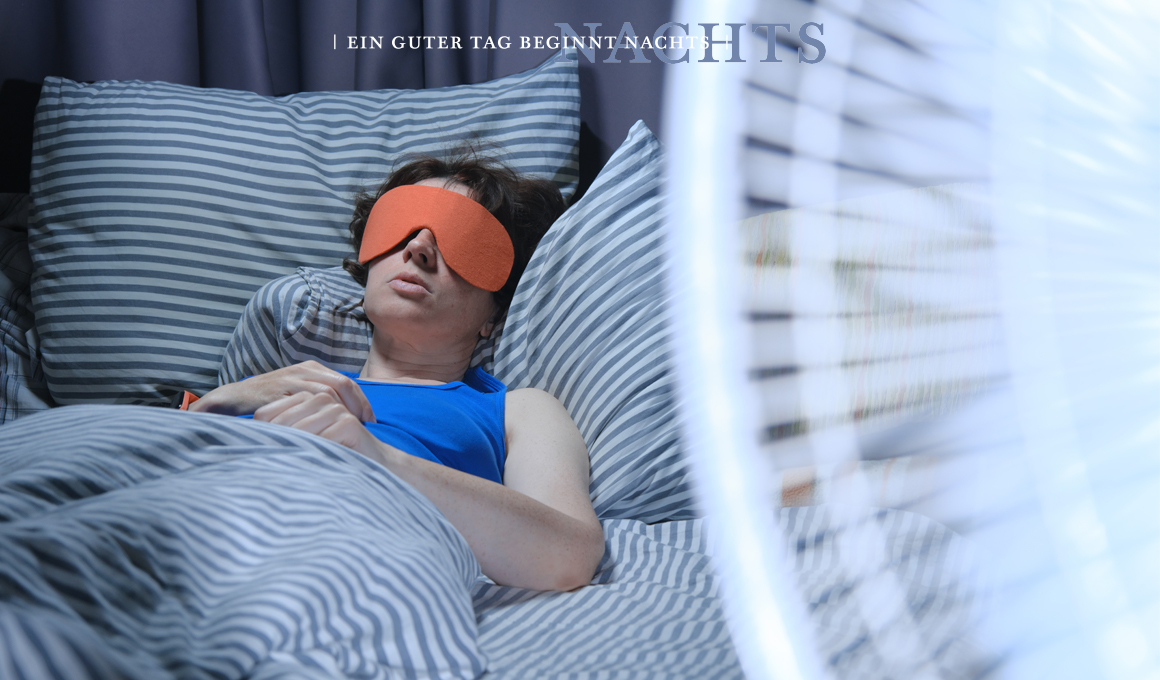
Use the fan with blackout curtains to block light. Try a comfortable mattress and pillows for better support. Consider a white noise machine if the fan noise is not enough. These small aids can help you fall asleep faster and stay asleep longer.
Frequently Asked Questions
Does Sleeping With A Fan Help Improve Sleep Quality?
Yes, a fan can improve sleep by creating white noise that blocks disruptive sounds. It also helps regulate room temperature, keeping you cool and comfortable for better rest.
Can A Fan Prevent Night Sweating During Sleep?
A fan promotes air circulation and lowers temperature, which can reduce night sweating. This cooling effect helps maintain a comfortable body temperature, leading to less sweating and improved sleep quality.
Is White Noise From A Fan Beneficial For Sleep?
Yes, white noise from a fan masks background noises, helping you fall asleep faster. It creates a consistent sound environment, reducing disturbances and promoting deeper, uninterrupted sleep.
Are There Any Health Risks Sleeping With A Fan On?
Generally, sleeping with a fan is safe. However, it may cause dryness in the eyes or throat for some people. Using a humidifier alongside can help prevent these minor issues.
Conclusion
Sleeping with a fan can help some people sleep better. The cool air and white noise may make falling asleep easier. It also helps reduce sweat and keeps the room fresh. Yet, it might not suit everyone. Some may find the noise or breeze annoying.
Try it for a few nights to see if it works for you. Good sleep is important, so find what feels right. A fan might be a simple way to improve your rest.

