
As an Amazon Associate I earn from qualifying purchases.
Have you ever wondered if snoring means you’re actually getting a good night’s sleep? Many people assume that if they’re out cold and snoring loudly, their sleep must be deep and restful.
But is that really true? What if snoring is a sign that your body isn’t resting as well as it should? Keep reading to discover what snoring really says about your sleep quality—and why understanding this could change the way you feel every morning.
Quick Navigation
What Causes Snoring
Snoring happens when air moves through your throat during sleep. This movement causes tissues to vibrate and make noise. Understanding what causes snoring helps to know if it affects your sleep quality.
Many factors cause snoring. These include how your body is built, your habits, and how you sleep. Each plays a role in airflow and noise production.
Anatomy And Airflow
Your throat and nose shape affect airflow. Narrow airways make it harder for air to pass. This causes tissues to vibrate more and create snoring sounds.
Extra tissue in the throat, large tonsils, or a long soft palate can block airflow. A deviated septum or nasal congestion also limits air passage. These blockages increase snoring.
Lifestyle Factors
Being overweight adds extra tissue around your neck. This narrows airways and causes louder snoring. Drinking alcohol relaxes throat muscles too much. This makes tissues flop and vibrate more.
Smoking irritates the lining of the throat and nose. It causes swelling and blocks airways. Lack of exercise weakens throat muscles, increasing snoring chances.
Sleep Positions
Sleeping on your back causes the tongue to fall backward. This blocks the airway partly and triggers snoring. Side sleeping keeps airways open and reduces snoring.
Raising the head during sleep helps keep airways clear. This position can lessen snoring sounds. Different sleep postures change how air flows through your throat.
Snoring And Sleep Quality
Snoring often seems harmless, but it can affect how well you sleep. Sound may be loud, but sleep quality is about more than noise. Restful sleep means your body and brain recover fully. Snoring can interrupt this important process.
Understanding how snoring links to sleep quality helps you recognize potential problems. Not all snoring is the same. Some people snore lightly, while others have heavy snoring that disrupts breathing. This difference changes how refreshing your sleep feels.
Effects On Restfulness
Snoring can cause small pauses in breathing during sleep. These pauses reduce oxygen levels briefly. The brain wakes up slightly to resume normal breathing. This breaks the deep sleep stages needed for rest. Even if you do not remember waking, the body feels tired.
Light snorers may not notice restfulness issues. Heavy snorers often feel less rested after sleep. Snoring lowers sleep quality by causing frequent disruptions. The body cannot repair fully without continuous deep sleep.
Daytime Fatigue Links
Snoring often leads to tiredness during the day. Poor sleep causes low energy and difficulty concentrating. People who snore may feel sleepy in work or school. This fatigue affects mood and productivity.
Ongoing snoring can increase the risk of sleep disorders like sleep apnea. Sleep apnea causes repeated breathing stops, worsening fatigue. Treating snoring and sleep problems helps improve daytime alertness. Rested days start with better sleep at night.
When Snoring Signals A Problem
Snoring is common and often harmless. Yet, it can sometimes signal a deeper health issue. Loud or frequent snoring deserves attention. It may point to a condition that affects your sleep quality and overall health.
Understanding when snoring is a problem helps in seeking the right care. Knowing the risks and complications guides better choices for your well-being.
Sleep Apnea Risks
Sleep apnea is a serious disorder linked to snoring. It causes breathing to stop and start during sleep. This disrupts rest and lowers oxygen levels. People with sleep apnea feel tired even after a full night’s sleep. Untreated sleep apnea increases risks of heart disease and stroke.
Health Complications
Chronic snoring can lead to several health problems. It raises blood pressure and stress on the heart. Snoring also harms mental focus and mood. Daytime sleepiness affects work and safety. Ignoring these signs can worsen health over time.
Diagnosing Snoring Issues
Snoring might seem harmless, but it can signal deeper sleep problems. Diagnosing snoring issues helps find the real cause. Proper diagnosis guides effective treatment and better sleep quality.
Sleep Studies
Sleep studies record your sleep patterns through the night. They track breathing, heart rate, and oxygen levels. These tests reveal if snoring affects breathing or causes pauses. Sleep studies often happen in a clinic or at home. Data from these studies helps doctors understand sleep disorders.
Medical Evaluations
Doctors examine your health and sleep habits during evaluations. They check your nose, throat, and mouth for blockages. Medical history and symptoms guide further testing. Evaluations may include questionnaires about sleep quality. This process helps identify causes like sleep apnea or allergies.
Snoring Remedies And Treatments
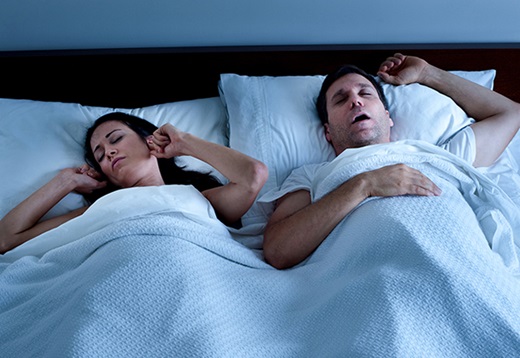
Snoring can disturb your sleep and your partner’s rest too. Many people wonder how to reduce or stop snoring. Treatments vary depending on the cause and severity. Some options are simple lifestyle changes. Others involve medical devices or surgery. Each approach aims to improve airflow and reduce noise during sleep.
Lifestyle Changes
Changing habits helps many people stop snoring. Losing extra weight reduces pressure on the throat. Avoiding alcohol before bed keeps muscles from relaxing too much. Sleeping on your side prevents the tongue from blocking the airway. Using nasal strips can open nasal passages. These small steps make breathing easier and reduce snoring.
Medical Devices
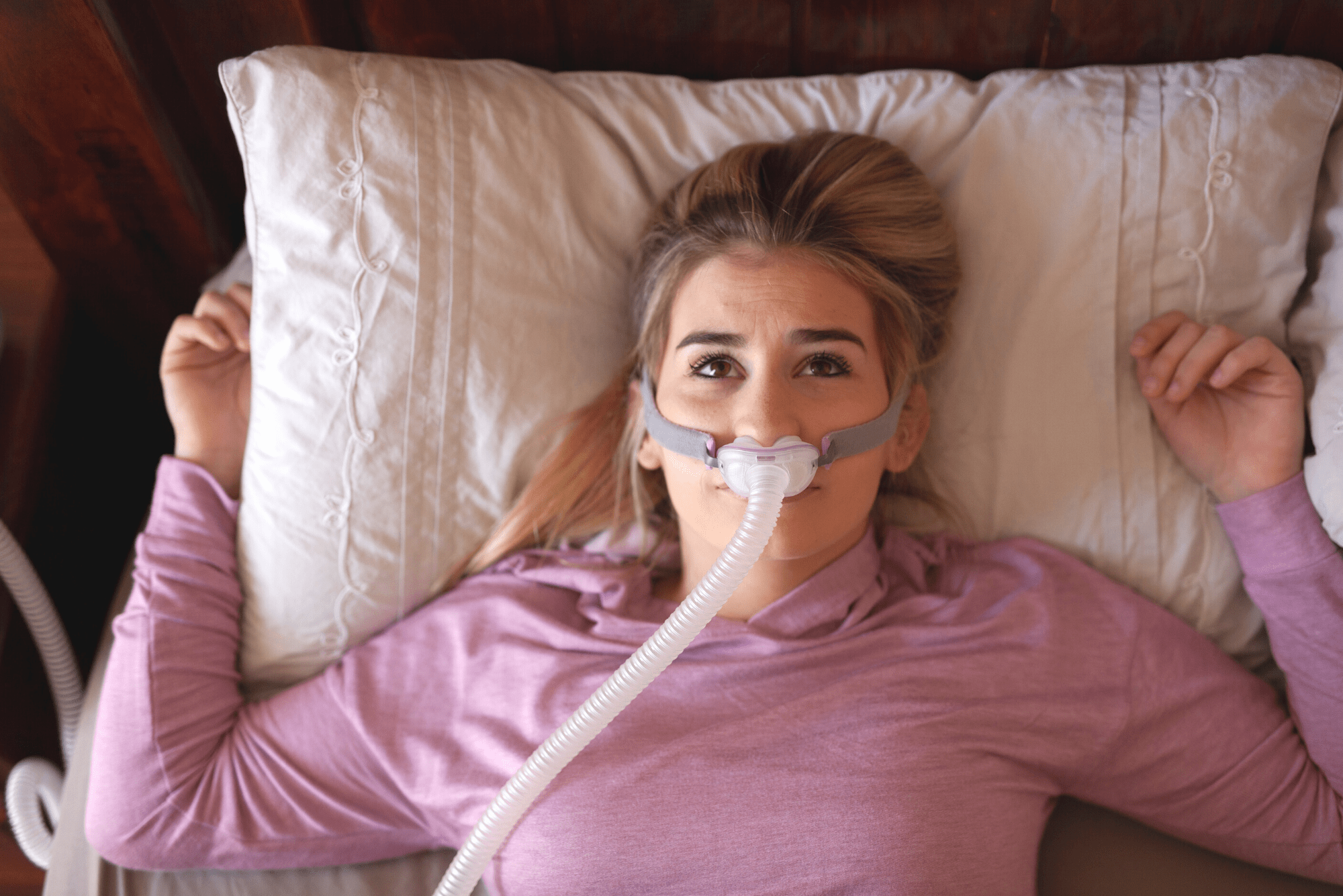
Medical devices help keep airways open during sleep. Continuous Positive Airway Pressure (CPAP) machines blow air through a mask. This prevents airway collapse and stops snoring. Mandibular advancement devices fit in the mouth. They move the jaw forward to open the airway. These devices require a doctor’s prescription and fitting. They often improve sleep quality for heavy snorers.
Surgical Options
Surgery may be needed for severe snoring or sleep apnea. Procedures remove or shrink tissue in the throat. Some surgeries reshape the airway to improve airflow. Surgery is a last resort after other treatments fail. A doctor can suggest the best option based on your condition.
Tips For Better Sleep Despite Snoring
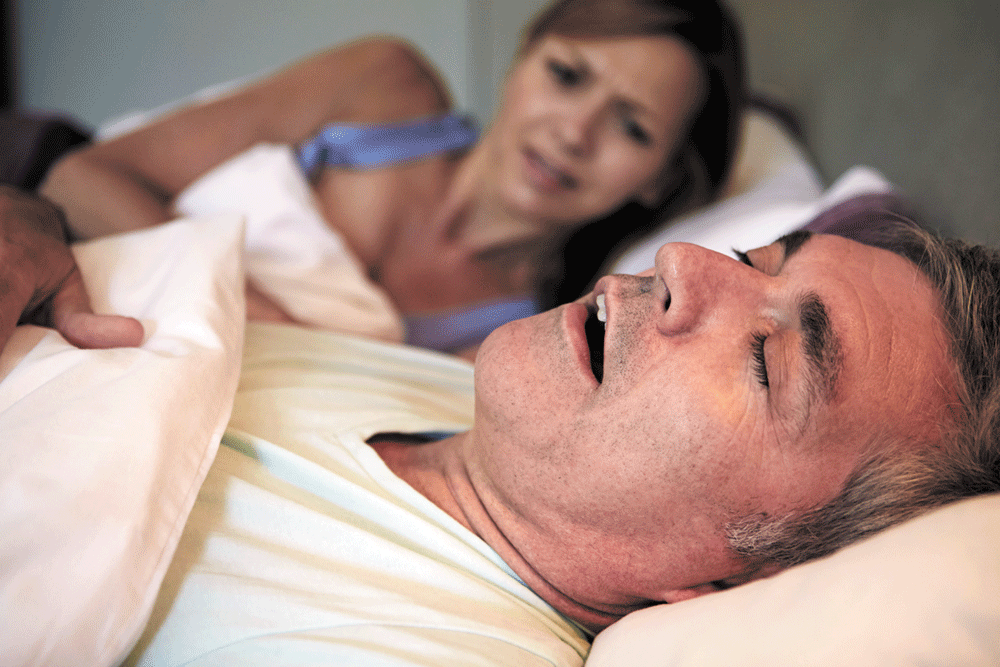
Snoring can disrupt sleep for both the snorer and their partner. It does not always mean poor sleep, but it can affect rest quality. Simple changes can improve sleep despite snoring. These tips focus on comfort and reducing snoring effects.
Sleeping Position Adjustments
Sleeping on your back can cause the tongue to block the throat. This often makes snoring worse. Try sleeping on your side instead. Use a body pillow to help stay in position. Elevate your head slightly with an extra pillow. This can open airways and reduce snoring.
Creating A Sleep-friendly Environment
Keep your bedroom dark, quiet, and cool. Use blackout curtains to block light. Earplugs or white noise machines can reduce noise. Maintain a comfortable temperature around 65°F (18°C). Avoid screens and bright lights before bed. This helps your body prepare for restful sleep.
Frequently Asked Questions
Does Snoring Mean You Are Sleeping Well?
Snoring does not always indicate good sleep quality. It often signals airway obstruction or disrupted breathing, which can reduce restfulness and cause daytime fatigue.
Can Snoring Cause Health Problems?
Yes, frequent snoring can lead to health issues like sleep apnea, heart disease, and high blood pressure. It may also affect mental alertness.
How Can Snoring Affect Sleep Quality?
Snoring can interrupt breathing and cause fragmented sleep. This reduces deep sleep stages, leading to poor rest and increased tiredness during the day.
When Should I See A Doctor About Snoring?
See a doctor if snoring is loud, frequent, or accompanied by gasping or choking. These symptoms may indicate sleep apnea needing medical attention.
Conclusion
Snoring does not always mean you sleep well. It can signal health problems like sleep apnea. Quiet sleep is often deeper and more restful. Paying attention to snoring helps protect your health. Talk to a doctor if snoring affects your rest.
Good sleep supports your mood, energy, and focus. Take snoring seriously for better nights and brighter days. Sleep well, live well.