
Do you ever lie in bed, tossing and turning, wishing you could fall asleep faster? What if a simple habit could help you relax and improve your sleep quality?
Stretching before bed might be the secret your body is craving. It’s easy, quick, and could make a big difference in how well you rest. Keep reading to discover how stretching can calm your mind, ease your muscles, and help you wake up feeling refreshed.
This small change could transform your nights—and your days.
Quick Navigation
Benefits Of Stretching At Night
Stretching at night offers many benefits that help improve sleep quality. It prepares the body and mind for rest. Simple stretches can make a big difference in how well you sleep. The calming effects of stretching help you fall asleep faster and enjoy deeper sleep.
Here are some key benefits of stretching before bed that promote better rest and relaxation.
Relaxing Muscles Before Sleep
Stretching gently loosens tight muscles. It reduces tension built up during the day. Relaxed muscles make it easier to lie down comfortably. This comfort helps you drift off to sleep without pain or stiffness.
Reducing Stress And Anxiety
Stretching calms the mind by focusing on slow, deep breathing. This reduces stress and anxiety levels. A calm mind prevents racing thoughts that often keep you awake. Stretching acts as a natural way to ease mental tension before bedtime.
Enhancing Blood Circulation
Stretching improves blood flow throughout the body. Better circulation delivers more oxygen to muscles and organs. This promotes healing and relaxation. Improved blood flow also helps regulate body temperature, making sleep more comfortable.
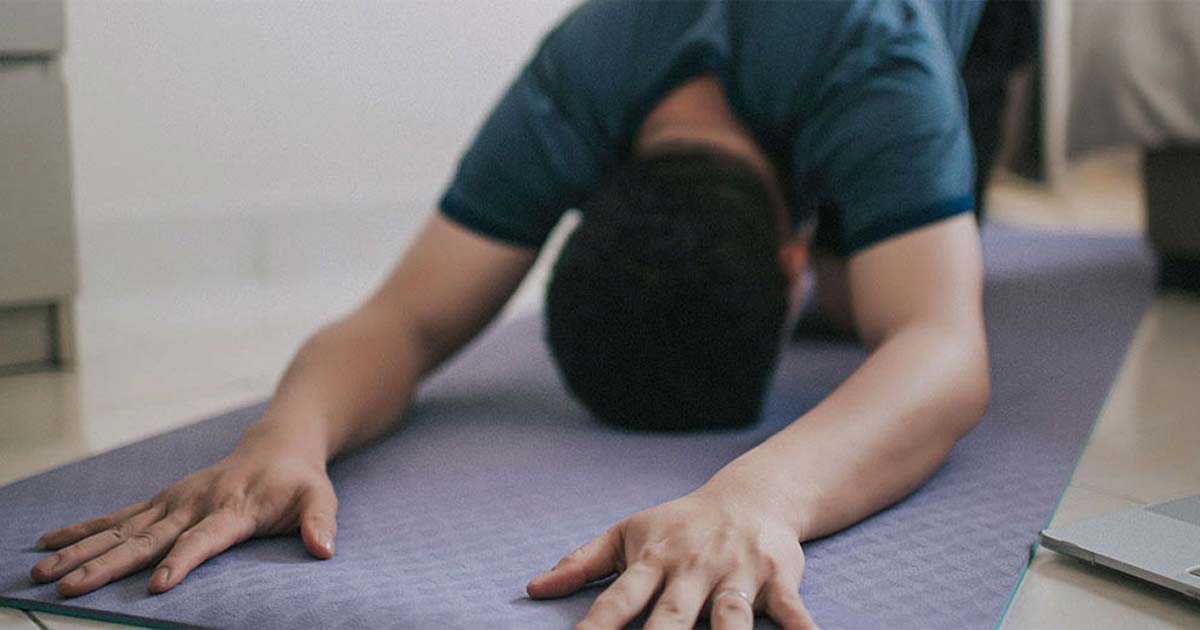
Scientific Evidence On Stretching And Sleep
Stretching before bed is a common routine for many people seeking better sleep. Scientific studies explore how this simple activity might affect sleep quality. Understanding these findings helps decide if stretching is worth adding to your nightly habits.
Studies Linking Stretching To Sleep Quality
Several studies show a connection between stretching and improved sleep. Participants who stretched before bed often reported feeling more relaxed. This relaxation can reduce stress, making it easier to fall asleep. Some research also notes fewer night wakings after stretching routines.
Effects On Sleep Latency And Duration
Sleep latency means how long it takes to fall asleep. Studies suggest stretching may reduce this time. People who stretch often fall asleep faster. Stretching might also increase total sleep time. This helps achieve deeper, more restful sleep stages.
Limitations Of Current Research
Many studies rely on small groups, limiting results. Some use self-reported data, which can be biased. Research methods vary, making comparisons difficult. More large-scale, controlled studies are needed. This will clarify how stretching truly impacts sleep.
Best Stretching Techniques For Bedtime
Stretching before bed can help your body relax and prepare for sleep. Choosing the right stretches is key to easing tension and calming your mind. Simple moves that are gentle and slow work best. Focus on stretches that feel good and do not strain your body.
Gentle Full-body Stretches
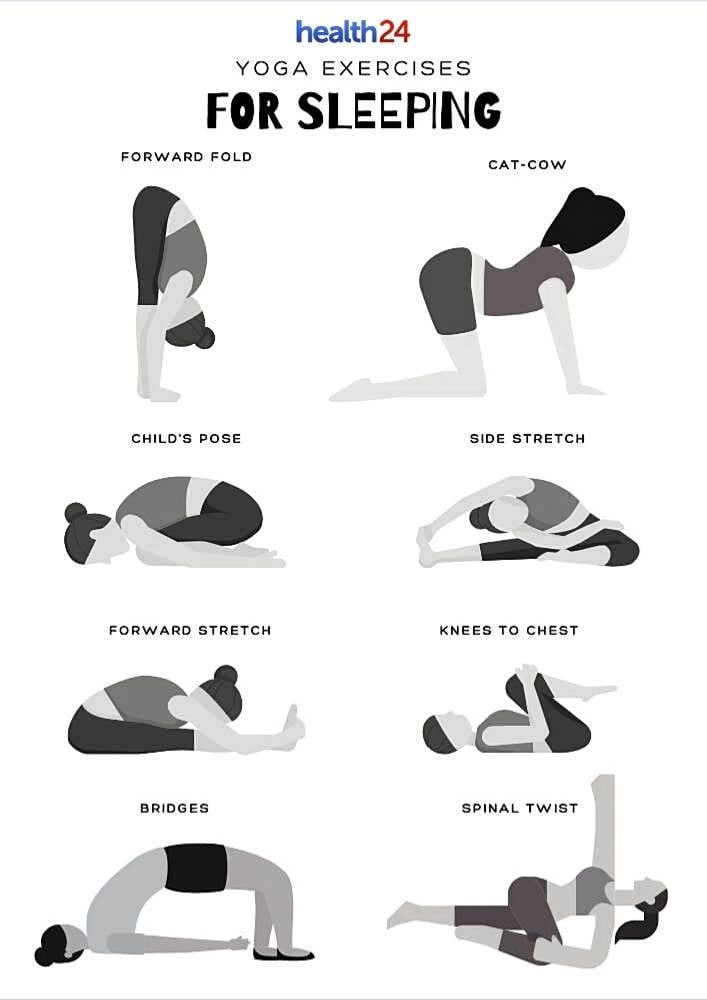
Start with slow, full-body stretches to release tight muscles. Reach your arms overhead and stretch your fingers wide. Try bending forward gently to touch your toes or as far as comfortable. These stretches help your whole body feel loose and calm.
Targeting Common Tension Areas
Focus on areas that hold stress, like your neck, shoulders, and lower back. Slowly tilt your head from side to side to ease neck tightness. Roll your shoulders forward and backward in smooth circles. Gently twist your torso while sitting or lying down to relax your back.
Breathing And Mindfulness Integration
Combine slow stretches with deep, steady breathing for better relaxation. Inhale deeply through your nose, then exhale slowly through your mouth. Pay attention to how your body feels with each stretch. This helps your mind calm down and prepares you for restful sleep.
Potential Risks And Considerations
Stretching before bed can help many people relax and sleep better. Still, there are some risks and things to think about. Doing the wrong stretches or pushing your body too hard might cause problems. Pay attention to your body’s needs to keep stretching safe and helpful.
Avoiding Overstretching
Stretching too hard can cause muscle pain or injury. Your muscles need gentle movement before sleep. Avoid pushing beyond your comfort level. Soft, slow stretches work best. Overstretching can make your body tense, not relaxed.
When Stretching Might Disrupt Sleep
Some types of stretching can wake you up instead of calming you. Vigorous or fast stretches can increase heart rate. That makes falling asleep harder. Choose calm, steady stretches to avoid this. Timing matters: stretch at least 30 minutes before bed.
Listening To Your Body’s Signals
Your body tells you what it needs. Stop stretching if you feel pain or discomfort. Mild tension is okay, pain is not. Notice how your body reacts after stretching. Adjust your routine to fit your comfort. Respect your limits to improve sleep safely.
Creating A Nighttime Stretching Routine
Creating a nighttime stretching routine helps your body relax before sleep. It signals your brain that the day is ending. This routine calms muscles and reduces tension. It can improve your sleep quality and make falling asleep easier. The key is to keep the routine simple and consistent.
Timing And Duration Tips
Stretching too close to bedtime might wake you up. Try to stretch 20 to 30 minutes before you sleep. Keep each stretch gentle and slow. Hold stretches for about 15 to 30 seconds. Avoid intense or fast movements that raise your heart rate. A short routine of 5 to 10 minutes often works best.
Combining Stretching With Other Sleep Habits
Stretching pairs well with other calming activities. Try deep breathing or meditation after stretching. Dim the lights and lower noise levels in your room. Avoid screens and bright lights before bed. These habits together prepare your mind and body for rest.
Tracking Improvements In Sleep
Notice how your sleep changes after stretching. Keep a simple sleep journal. Write down how long it takes to fall asleep. Note if you wake up less during the night. Track how you feel in the morning. This helps you see if stretching helps your sleep.

Frequently Asked Questions
Does Stretching Before Bed Help Improve Sleep Quality?
Stretching before bed relaxes muscles and reduces tension. This promotes deeper, more restful sleep and helps you fall asleep faster. It also eases stress, making it easier to maintain a regular sleep schedule.
How Long Should I Stretch Before Sleeping?
A gentle 5 to 10-minute stretching routine is ideal before bed. This duration helps relax your body without causing overstimulation or discomfort. Consistency is key for best sleep improvement results.
What Types Of Stretches Are Best Before Bedtime?
Focus on gentle, static stretches that target major muscle groups. Avoid intense or dynamic stretches, as they can increase alertness. Yoga poses like child’s pose and forward bends work well for relaxation.
Can Stretching Reduce Nighttime Muscle Cramps?
Yes, stretching before bed can prevent and reduce muscle cramps. It improves blood circulation and loosens tight muscles that cause cramps. Regular stretching helps maintain muscle flexibility and comfort during sleep.
Conclusion
Stretching before bed can help your body relax and ease muscle tension. It may calm your mind and prepare you for rest. Many people find that gentle stretches improve their sleep quality. Simple movements can lower stress and make falling asleep easier.
Try adding a short stretch routine to your nightly habits. See how your sleep changes with this small step. Better sleep starts with peaceful moments before bed. Give your body the chance to unwind and rest well.

