
As an Amazon Associate I earn from qualifying purchases.
Have you ever wondered why, despite a full night’s rest, you still wake up feeling tired and restless? The secret might lie in something you often overlook: electrolytes.
These tiny minerals play a huge role in your body’s ability to relax and recharge while you sleep. If you want to unlock deeper, more refreshing sleep and wake up energized, understanding how electrolytes affect your sleep balance is key.
Keep reading, and discover simple yet powerful ways to improve your nights and boost your days.
Quick Navigation
Role Of Electrolytes In The Body
Electrolytes are minerals that carry an electric charge. They are vital for many body functions. These minerals help balance fluids inside and outside cells.
They keep muscles working and nerves sending signals. They also control your heartbeat and hydration levels. Without the right balance, your body cannot work well.
Electrolytes also affect sleep. Proper levels can help you relax and rest better at night.
Key Electrolytes Affecting Sleep
Potassium, magnesium, calcium, and sodium are key electrolytes. They work together to support healthy sleep patterns. Potassium helps relax muscles and calm nerves. Magnesium promotes deep, restful sleep by calming the nervous system.
Calcium helps the brain use the amino acid tryptophan. This creates melatonin, the hormone that controls sleep. Sodium balances fluids and keeps cells functioning properly for good rest.
How Electrolytes Influence Nervous System
Electrolytes help nerves send electrical signals. These signals control body functions and responses. Without enough electrolytes, nerve signals slow down or misfire.
This can cause restless sleep or trouble falling asleep. Proper electrolyte balance helps nerves work smoothly. It keeps your nervous system calm, allowing for peaceful sleep.

Connection Between Electrolytes And Sleep Quality
Electrolytes play a key role in maintaining good sleep quality. These minerals help control nerve and muscle function. They also regulate hydration and balance fluids in the body. A proper balance of electrolytes supports healthy sleep patterns. Low or high levels can disrupt sleep and cause discomfort. Understanding this connection helps improve rest and overall health.
Electrolyte Imbalance And Sleep Disorders
An imbalance in electrolytes can lead to sleep problems. Low potassium or magnesium levels may cause muscle cramps or restless legs. These symptoms make falling asleep difficult. Too much sodium can increase blood pressure and lead to night awakenings. Such imbalances often cause insomnia or poor sleep quality. Correcting electrolyte levels may reduce these sleep disorders.
Impact On Sleep Cycles And Restfulness
Electrolytes affect the natural sleep cycle. Magnesium supports deep, restful sleep by calming the nervous system. Sodium and potassium work together to maintain cell function during sleep. Imbalances can shorten REM sleep, the stage where dreaming occurs. This reduces the feeling of restfulness after waking. Balanced electrolytes help maintain full sleep cycles and improve overall sleep quality.
Common Electrolyte Deficiencies Linked To Poor Sleep
Electrolytes play a key role in maintaining good sleep quality. Low levels of certain electrolytes can cause sleep problems. These deficiencies affect how the body relaxes and recovers during the night. Understanding common electrolyte deficiencies helps improve sleep naturally.
Magnesium And Relaxation
Magnesium helps calm the nervous system. It reduces stress and supports deeper sleep. Low magnesium can cause restless nights and trouble falling asleep. This mineral helps muscles relax and promotes a feeling of calm. People with magnesium deficiency often report poor sleep quality.
Potassium And Muscle Function
Potassium controls muscle contractions and nerve signals. A lack of potassium may cause muscle cramps at night. These cramps interrupt sleep and cause discomfort. Potassium also helps maintain a steady heartbeat during rest. Proper potassium levels support uninterrupted, restful sleep.
Calcium’s Role In Sleep Regulation
Calcium helps the brain produce melatonin, the sleep hormone. Low calcium can disrupt sleep cycles and cause waking at night. This mineral also aids muscle relaxation and nerve function. Calcium deficiency may lead to difficulty staying asleep. Ensuring enough calcium improves sleep regularity and quality.
Natural Ways To Restore Electrolyte Balance
Restoring electrolyte balance naturally supports better sleep and overall health. Electrolytes are minerals that help control nerve and muscle function. They also keep your body hydrated and maintain pH levels. Simple natural methods can keep these minerals in check and improve sleep quality.
Small changes in diet, hydration, and lifestyle can make a big difference. These methods are safe and easy to follow every day. Let’s explore some practical ways to restore and keep electrolyte balance naturally.
Dietary Sources Rich In Electrolytes
Eating foods high in electrolytes replenishes your body’s supply. Bananas are rich in potassium, which helps muscles relax. Spinach and kale provide magnesium, key for nerve function and sleep. Dairy products like milk and yogurt contain calcium, important for muscle contractions. Nuts and seeds deliver magnesium and potassium. Coconut water offers natural sodium and potassium, great for hydration. Including these foods daily supports electrolyte levels and sleep balance.
Hydration Tips For Electrolyte Maintenance
Drinking enough fluids prevents electrolyte imbalance caused by dehydration. Water is essential, but sometimes you need more. Natural drinks like coconut water or diluted fruit juices restore electrolytes better than plain water. Avoid sugary and caffeinated drinks that can cause dehydration. Sip fluids slowly throughout the day to maintain steady hydration. Proper hydration helps your body keep the right electrolyte levels and promotes restful sleep.
Lifestyle Habits Supporting Electrolyte Levels
Regular exercise helps balance electrolytes by improving circulation and sweating. Sweating removes excess salts, so replenish them afterward with healthy snacks. Avoid excessive alcohol, which can disrupt electrolyte balance and sleep quality. Manage stress through relaxation techniques like deep breathing or meditation. Adequate sleep itself supports electrolyte regulation. These habits keep your body’s minerals steady and improve overall sleep health.
Electrolyte Supplements And Sleep Enhancement
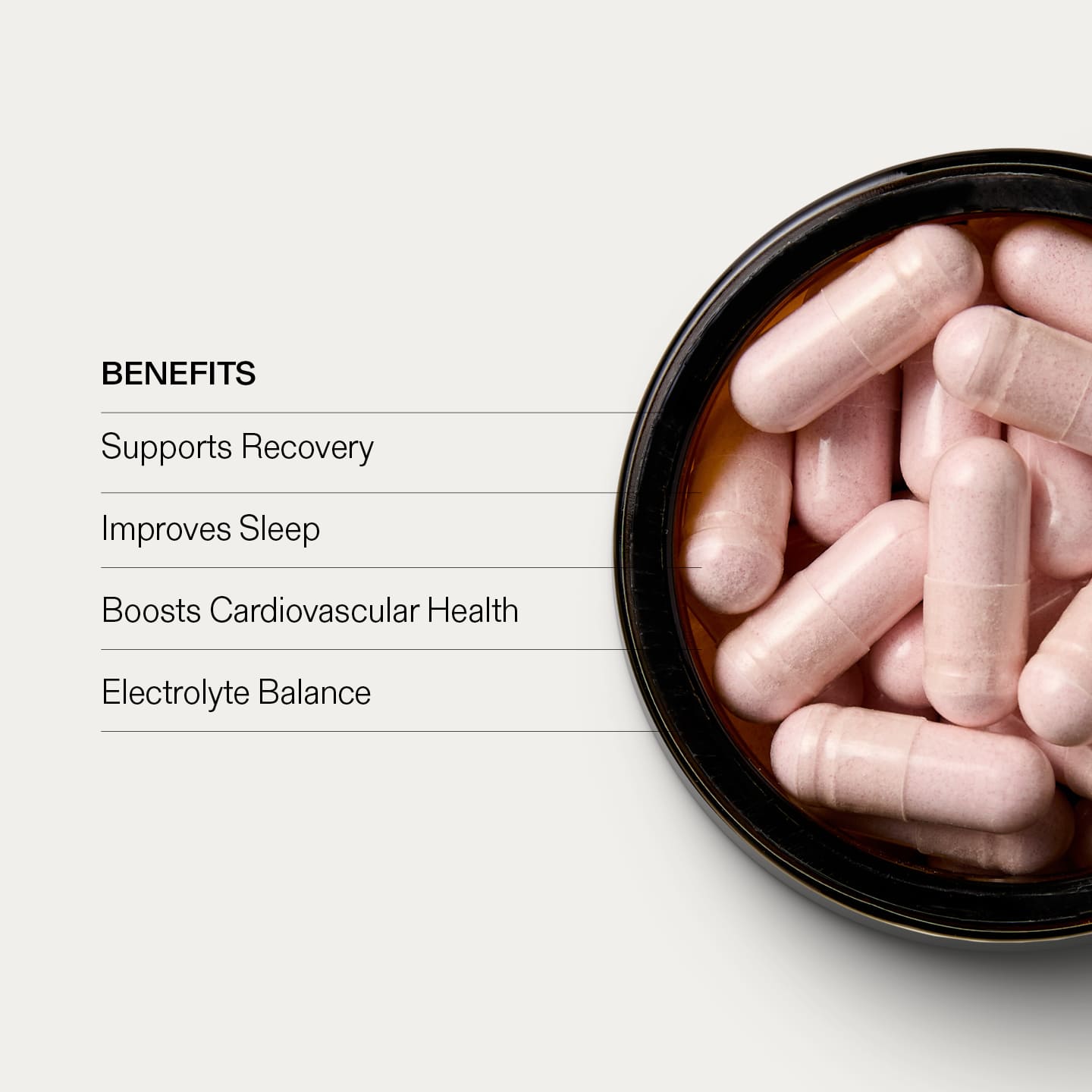
Electrolyte supplements can play a role in improving sleep quality. These minerals help keep your body balanced and support nerve and muscle function. Proper electrolyte levels might reduce night cramps and restlessness. This leads to deeper and more restful sleep.
When To Consider Supplementation
Consider electrolyte supplements if you sweat a lot or exercise daily. Illnesses with vomiting or diarrhea also cause electrolyte loss. People with irregular sleep or muscle cramps may benefit. Low electrolyte levels can disturb sleep patterns and cause fatigue. A healthcare provider can help decide if you need supplements.
Choosing The Right Electrolyte Supplement
Choose supplements with key minerals like sodium, potassium, magnesium, and calcium. Look for products with balanced amounts suited to your needs. Avoid supplements with high sugar or artificial ingredients. Natural options like electrolyte powders or tablets work well. Always follow dosage instructions to avoid side effects.
Signs Of Electrolyte Imbalance To Watch For
Electrolytes are minerals that help the body function well, especially during sleep. An imbalance can disrupt rest and cause health problems. Recognizing the signs of electrolyte imbalance is important for better sleep and overall wellness. These signs often show through physical symptoms that affect how well you sleep. Paying attention to these symptoms can help you maintain the right balance and improve your sleep quality.
Physical Symptoms Affecting Sleep
Muscle cramps or spasms can wake you up at night. Feeling very thirsty or dry mouth often signals low electrolytes. Headaches may occur due to dehydration or imbalance. Fatigue and weakness can make it hard to fall asleep. Irregular heartbeat or palpitations disturb the natural sleep rhythm. Restlessness or frequent waking might be linked to electrolyte issues. Numbness or tingling sensations in limbs can interrupt deep sleep stages.
When To Seek Medical Advice
Severe muscle cramps that do not improve need medical help. Persistent dizziness or fainting during the night is a warning sign. Confusion or difficulty concentrating may show a serious imbalance. Chest pain or irregular heartbeat requires immediate attention. If symptoms worsen or do not improve with hydration, see a doctor. Medical tests can check your electrolyte levels and guide treatment. Early help can prevent sleep problems from becoming serious health issues.
Tips For Combining Electrolyte Balance With Sleep Hygiene
Balancing electrolytes and good sleep habits can improve rest quality. Electrolytes like potassium, magnesium, and calcium help your body relax. Sleep hygiene means following habits that support healthy sleep. Combining both helps your body and mind recharge efficiently. Try simple tips to enhance sleep with proper electrolyte balance.
Creating A Sleep-friendly Environment
Keep your bedroom cool and quiet. A calm space helps your body relax. Use soft, dark curtains to block light. Light can interrupt your natural sleep cycle. Remove electronic devices that emit blue light. Blue light affects melatonin, the sleep hormone. A comfortable mattress and pillow reduce body stress. This helps muscles relax, supported by balanced electrolytes.
Routine Adjustments For Better Rest
Drink water with electrolytes during the day, not right before bed. This prevents waking up to use the bathroom. Avoid caffeine and heavy meals close to bedtime. These can disturb your sleep and electrolyte balance. Try a relaxing activity like reading or stretching before sleep. These habits signal your body to rest. Consistency in your sleep schedule strengthens your natural rhythm.

Frequently Asked Questions
What Role Do Electrolytes Play In Sleep Quality?
Electrolytes help regulate nerve and muscle function, impacting sleep cycles. Proper electrolyte balance supports relaxation and reduces sleep disruptions. Low levels may cause cramps or restlessness that affect sleep quality.
How Does Electrolyte Imbalance Affect Sleep Patterns?
Electrolyte imbalance can lead to muscle cramps and restless legs, disturbing sleep. It may also cause dehydration, leading to nighttime awakenings. Maintaining balance is essential for uninterrupted and restful sleep.
Which Electrolytes Improve Sleep Balance Naturally?
Magnesium, potassium, and calcium are key electrolytes that promote relaxation and sleep. Magnesium helps calm nerves, potassium reduces muscle cramps, and calcium supports melatonin production, aiding restful sleep.
Can Dehydration From Low Electrolytes Disrupt Sleep?
Yes, dehydration caused by low electrolytes can trigger thirst and frequent urination. This interrupts sleep and reduces overall sleep quality. Staying hydrated with balanced electrolytes is crucial for uninterrupted rest.
Conclusion
Electrolytes play a key role in a good night’s sleep. They help balance fluids and support nerve function. Drinking water with the right minerals can ease muscle cramps and calm the body. Sleep improves when electrolytes stay balanced throughout the day.
Simple changes like eating fruits or drinking electrolyte drinks help a lot. Keep your body hydrated and your minerals in check. Sleep better by caring for your electrolyte balance every day. Small habits make a big difference in rest and health.