
Have you ever wondered why some nights you wake up feeling refreshed, while other times you toss and turn, struggling to get a good rest? The secret might be hidden in your bedroom.
Your bedroom environment plays a huge role in how well you sleep. From the temperature to the lighting and even the noise levels, small changes around you can make a big difference in your sleep quality. If you want to wake up energized and ready to take on the day, understanding how your bedroom affects your rest is key.
Keep reading to discover simple tweaks that can transform your sleep—and your life.
Quick Navigation
Bedroom Temperature
Bedroom temperature plays a big role in how well you sleep. It affects your body’s ability to cool down or stay warm. Your body needs the right temperature to rest deeply and feel refreshed in the morning.
Ideal Temperature Range
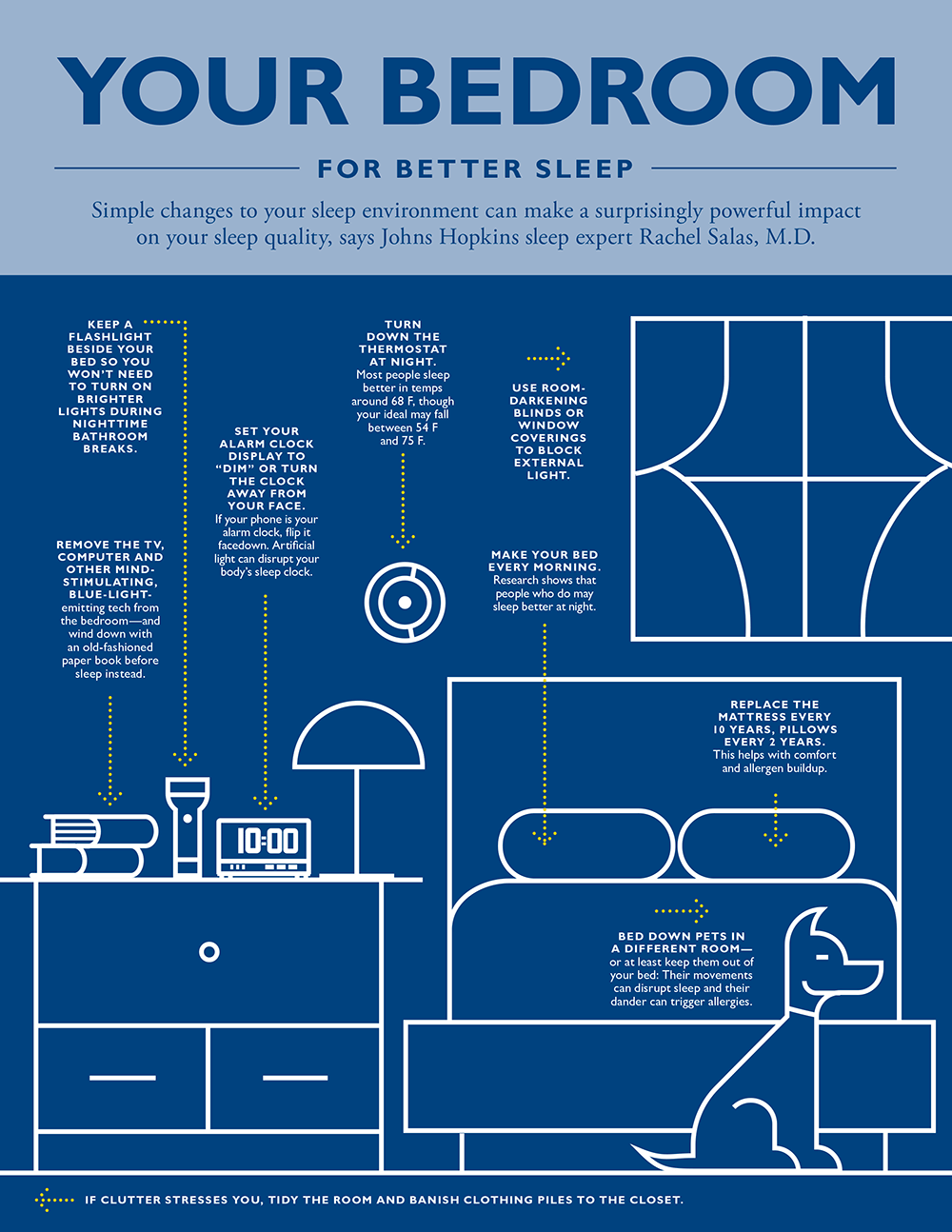
The best bedroom temperature for sleep is between 60 and 67 degrees Fahrenheit (15 to 19 degrees Celsius). This range helps your body lower its core temperature, which is needed to fall asleep fast. Too warm or too cold can disrupt your sleep cycle.
Effects Of Heat And Cold
Heat makes you sweat and toss in bed. It can cause restless nights and wakefulness. Cold temperatures can make your muscles stiff and slow your fall asleep. Both extremes reduce the time spent in deep, restful sleep.
Tips For Temperature Control
Use a fan or air conditioner to cool the room in hot weather. Add blankets or wear warm pajamas during cold nights. Keep windows slightly open for fresh air if safe. Use a thermostat to keep temperature steady all night.

Lighting And Sleep
Lighting plays a big role in how well you sleep. The right light helps your body know when to be awake and when to rest. Poor lighting can confuse your internal clock. This may cause trouble falling or staying asleep.
Impact Of Natural Light
Natural light signals your brain to stay awake during the day. It helps set your sleep-wake cycle. Morning sunlight boosts mood and alertness. Lack of daylight can make you feel tired and sleepy at odd times. Exposure to natural light keeps your body’s rhythm steady.
Role Of Artificial Lighting
Artificial lights can affect sleep quality too. Bright lights at night can trick your brain. They stop the release of melatonin, the sleep hormone. Blue light from screens is especially harmful. It makes falling asleep harder and reduces deep sleep. Using dim lights in the evening helps your body prepare for rest.
Best Lighting Practices
Use sunlight during the day to stay alert. Open curtains or spend time outside. In the evening, switch to soft, warm lights. Avoid screens at least one hour before bed. Consider blackout curtains to block outside lights. These steps improve sleep by supporting your body’s natural cycle.
Noise Levels
Noise levels in the bedroom play a big role in how well you sleep. Sounds can interrupt your rest and make it hard to fall asleep or stay asleep. Quiet surroundings help your brain relax and prepare for deep sleep. Understanding noise and how to reduce it improves your sleep quality.
How Noise Disrupts Sleep
Noise wakes your brain even during light sleep. Sudden sounds cause brief awakenings without full awareness. These interruptions stop your sleep cycles and reduce deep sleep. Over time, noise can lead to tiredness and poor health. Continuous or loud noise makes it harder to relax and feel safe in bed.
Common Noise Sources
Street traffic noise is common in many homes. Sounds from cars, motorcycles, and horns reach bedrooms easily. Neighbors can cause noise with loud talking or music. Indoor sounds like fans, clocks, or appliances also disturb sleep. Even pets moving or making noise affect rest.
Noise Reduction Strategies
Close windows to block outdoor sounds. Use heavy curtains or soundproof blinds for extra protection. White noise machines create steady sounds that cover sudden noises. Earplugs can help block disturbing sounds. Keep fans or air conditioners running softly to mask background noise.
Air Quality And Ventilation
Air quality and ventilation in the bedroom play a big role in how well you sleep. Clean air helps your body relax and breathe easy. Poor air can make you feel restless or tired. Proper airflow removes bad smells and brings in fresh oxygen. This keeps your room comfortable and healthy for sleep.
Benefits Of Fresh Air
Fresh air boosts oxygen levels in the room. It helps your brain and body work better during sleep. Cool, clean air can lower stress and calm your mind. You breathe easier and wake up feeling refreshed. Fresh air also reduces dust and allergens that can cause sneezing or coughing.
Effects Of Poor Air Quality
Stale or polluted air can cause headaches or allergies. It may make breathing difficult at night. Poor air quality can increase coughing and snoring. Dust, mold, and pet dander worsen asthma symptoms. Sleeping in a room with bad air lowers sleep quality and leaves you tired.
Improving Bedroom Air
Open windows for fresh air during the day. Use a fan to keep air moving at night. Air purifiers help remove dust and allergens. Keep plants that clean the air naturally. Avoid smoking or using strong chemicals in your bedroom. Clean bedding and vacuum regularly to reduce dust buildup.
Mattress And Bedding
The mattress and bedding play a key role in sleep quality. They create the immediate environment where your body rests. Comfort, support, and cleanliness all affect how well you sleep. Choosing the right mattress and bedding can reduce tossing and turning. It can also help you wake up refreshed and pain-free.
Choosing The Right Mattress
Pick a mattress that supports your spine well. It should feel firm but not hard. Memory foam, latex, or hybrid mattresses offer good support. Consider your sleeping position to find the best mattress type. Side sleepers need softer mattresses, while back sleepers need firmer ones. Replace your mattress every 7 to 10 years for best comfort.
Importance Of Bedding Materials
Choose bedding that feels soft and breathes well. Cotton and bamboo sheets allow air to circulate. These materials help keep your skin cool. Avoid synthetic fabrics that trap heat and cause sweating. Bedding affects body temperature during sleep. Cool, dry skin improves sleep quality and comfort.
Maintaining Clean Bedding
Wash sheets and pillowcases weekly to remove dirt and allergens. Dust mites and bacteria can build up in bedding. Clean bedding reduces allergy symptoms and skin irritation. Use hot water and gentle detergent for best results. Fresh bedding creates a healthier sleep environment and better rest.
Color And Decor
The colors and decor in your bedroom play a big role in how well you sleep. They set the mood and can either calm your mind or make it restless. Choosing the right shades and keeping the space tidy helps create a peaceful retreat. Simple decorations can also make the room feel more relaxing and inviting. These small details matter a lot for better sleep quality.
Colors That Promote Relaxation
Soft colors help your mind slow down. Shades like light blue, green, and lavender are known to calm nerves. Avoid bright or bold colors like red or orange. These can make you feel more awake. Pale tones create a gentle and restful space. They help lower stress and prepare you for sleep.
Minimalism And Clutter
A cluttered room can make your brain feel busy. Too many items create visual noise and distract from rest. Keep furniture and decorations simple. Clear surfaces and tidy corners help your mind relax. A minimal bedroom feels open and calm. It invites peace and better sleep.
Decor For A Calming Atmosphere
Choose decor that soothes your senses. Soft fabrics, like cotton or linen, add comfort. Natural elements like plants bring freshness and calm. Gentle lighting, such as lamps with warm bulbs, creates a cozy vibe. Avoid harsh lights and loud patterns. Simple, cozy decor helps you unwind and sleep well.
Technology In The Bedroom
Technology plays a big role in many bedrooms today. Phones, tablets, and TVs are common. These devices can affect how well you sleep. Understanding their impact helps improve sleep quality.
Effects Of Screens On Sleep
Screens emit blue light that tricks the brain. It stops the body from making melatonin. Melatonin is the hormone that helps you fall asleep. Using screens before bed can delay sleep. It can make you feel tired the next day.
Managing Electronic Devices
Turn off devices at least an hour before bed. Use night mode or blue light filters if needed. Set a regular time to stop using electronics. This routine helps your body prepare for sleep. Avoid checking phones or emails late at night.
Creating A Tech-free Zone
Keep the bedroom free from electronic devices. Use an alarm clock instead of a phone. Store devices outside the bedroom or out of reach. This reduces temptation to use them at night. A tech-free zone promotes calm and better rest.
Aromatherapy And Scents
Aromatherapy and scents play a key role in shaping your bedroom environment. Pleasant smells can calm your mind and body. They create a peaceful space that helps you fall asleep faster. Certain scents are known to promote relaxation and improve sleep quality. Using these scents in your bedroom can make a big difference.
Scents That Enhance Sleep
Lavender is one of the best scents for sleep. It lowers anxiety and helps you relax. Chamomile has a mild, soothing aroma that eases tension. Cedarwood’s warm scent can slow your breathing and heart rate. Vanilla provides a sweet smell that comforts the mind. These scents create a calm atmosphere ideal for rest.
Using Essential Oils Safely
Essential oils are strong and need careful use. Always dilute oils with a carrier oil before applying to skin. Avoid direct contact with eyes and sensitive areas. Keep oils away from children and pets. Use a few drops at a time to avoid overwhelming scents. Proper use ensures safety and effective results.
Incorporating Aromatherapy
Diffusers spread scents evenly in your bedroom. Add a few drops of essential oil to water in the diffuser. You can also use scented candles made with natural oils. Placing sachets or pillows with dried herbs near your bed works well too. Small changes make your room smell fresh and inviting. Create a soothing space that helps you rest better.
Frequently Asked Questions
How Does Room Temperature Impact Sleep Quality?
Room temperature affects sleep by influencing body heat regulation. Ideal sleep temperature is between 60-67°F. Too hot or cold rooms disrupt deep sleep and cause restlessness.
Can Lighting In The Bedroom Affect Sleep Patterns?
Yes, bright or blue light exposure before bed suppresses melatonin. Dim, warm lighting promotes relaxation and helps maintain natural sleep cycles, improving sleep quality.
What Role Does Noise Play In Bedroom Sleep Quality?
Noise can cause frequent awakenings and reduce deep sleep stages. Using white noise machines or earplugs can minimize disturbances and promote uninterrupted, restful sleep.
How Important Is Mattress Comfort For Better Sleep?
A comfortable mattress supports proper spine alignment and reduces pressure points. This leads to less tossing, turning, and overall better sleep quality throughout the night.
Conclusion
A peaceful bedroom helps your body and mind rest well. Quiet sounds and soft lights create calmness. A cool, clean room keeps you comfortable all night. Avoid clutter to feel relaxed and stress-free. Good air flow helps you breathe better while sleeping.
Small changes can improve your sleep quality a lot. Try these tips to make your bedroom sleep-friendly. Sleep better. Feel better. Live better.

