
Have you ever wondered why some nights you fall asleep easily, while others leave you tossing and turning? What if the secret to better sleep lies in what you eat for your evening meal?
Your dinner choices can have a powerful impact on how well you rest at night. You’ll discover how certain foods can either help you drift into deep sleep or keep you awake. Understanding this connection can transform your nights and boost your energy for the day ahead.
Keep reading to learn simple changes you can make tonight for better sleep tomorrow.
Quick Navigation
Evening Meals And Sleep Link
Evening meals have a strong link to how well you sleep. What and when you eat at night affects your sleep quality. Understanding this connection helps you choose better habits for restful nights.
Role Of Dinner Timing
Eating too close to bedtime can disturb sleep. The body needs time to digest food. Dinner at least two hours before bed helps avoid discomfort. Early meals support natural sleep rhythms and reduce acid reflux.
Impact Of Meal Size
Large meals at night make digestion harder. Overeating can cause restless sleep and awakenings. Smaller dinners are easier on the stomach. A light meal helps the body relax and prepare for sleep.
Influence Of Food Types
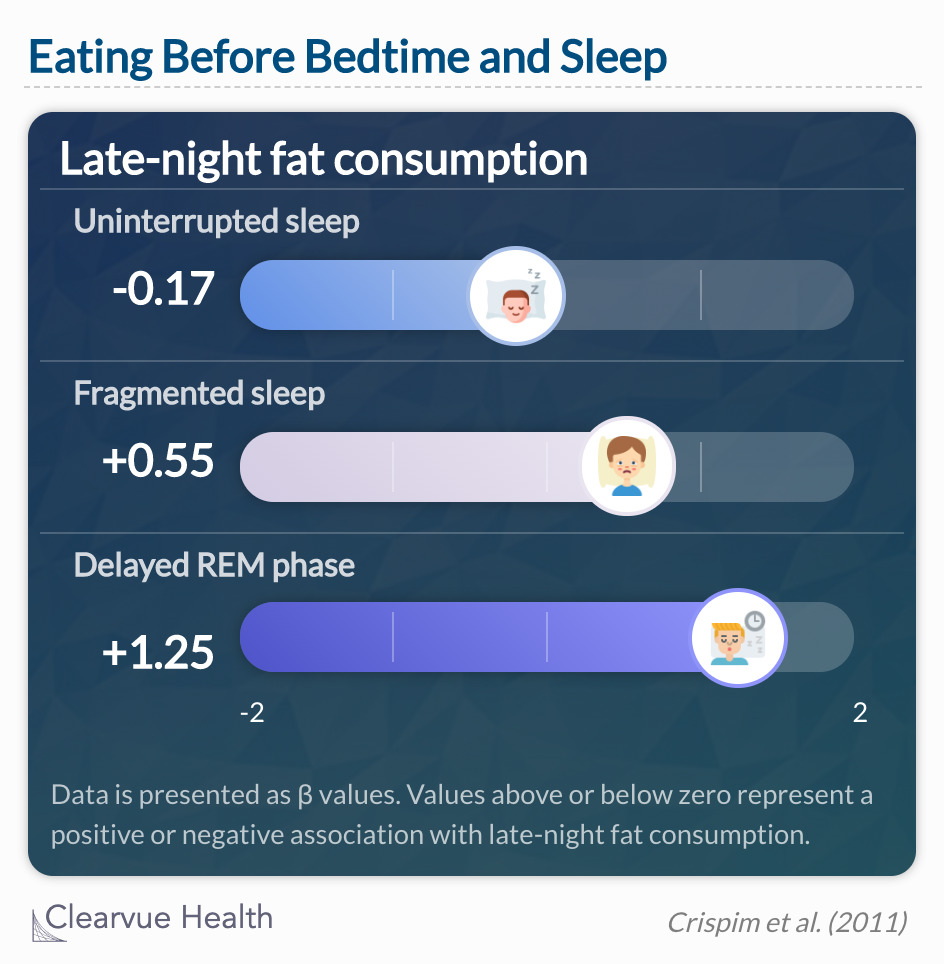
Foods high in fat or spice may disrupt sleep. They can cause indigestion or heartburn at night. Complex carbs and lean proteins promote better rest. Some foods like dairy and nuts contain sleep-friendly nutrients.
Foods That Promote Sleep
Choosing the right foods in the evening can help improve sleep quality. Certain nutrients and snacks support relaxation and prepare the body for rest. Eating well at night may lead to deeper and more restful sleep.
Sleep-boosting Nutrients
Some nutrients help the brain produce sleep hormones. Magnesium calms the nervous system and reduces stress. Tryptophan is an amino acid that raises melatonin levels. Vitamin B6 helps convert tryptophan into serotonin. Calcium supports the brain’s use of tryptophan.
Best Evening Snacks
Light snacks with sleep-friendly nutrients work best before bed. A small bowl of yogurt or cottage cheese provides calcium and protein. Bananas are rich in magnesium and potassium for muscle relaxation. Almonds offer magnesium and healthy fats to calm the body. Oatmeal contains melatonin and complex carbohydrates to promote sleep.
Herbal And Natural Aids
Herbal teas can soothe the body and mind. Chamomile tea is known for its calming effects. Valerian root may help reduce the time it takes to fall asleep. Lavender promotes relaxation and improves sleep quality. Natural aids like tart cherry juice contain melatonin to help regulate sleep cycles.
Foods That Disrupt Sleep
Evening meals play a big role in how well you sleep. Some foods can make it hard to fall asleep or cause restless nights. Knowing which foods to avoid helps improve sleep quality. Avoiding certain items at dinner can make a big difference.
Stimulants To Avoid
Caffeine is a common stimulant that disrupts sleep. Found in coffee, tea, and chocolate, it keeps the brain awake. Avoid these foods and drinks at least six hours before bed. Energy drinks and sodas also contain caffeine. They can delay sleep and reduce deep sleep phases.
Heavy And Spicy Meals
Eating large, heavy meals late at night can cause discomfort. The body works hard to digest food, making sleep difficult. Spicy foods may cause heartburn or acid reflux. These issues often lead to waking up during the night. Choose lighter meals for dinner to avoid these problems.
Alcohol And Sleep Quality
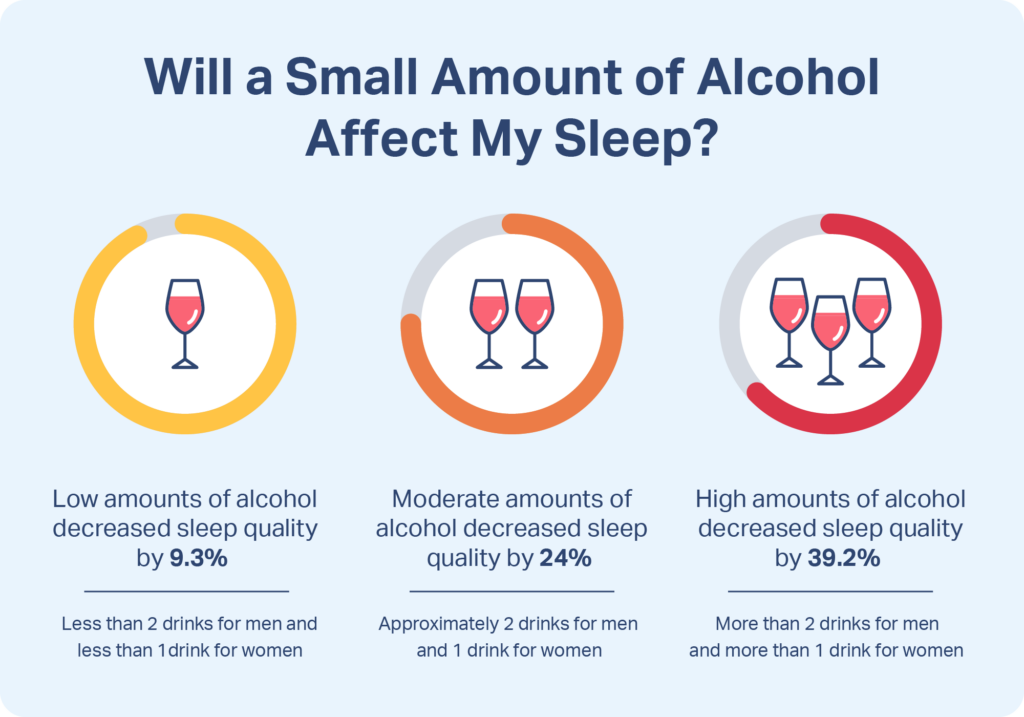
Alcohol may help you fall asleep faster, but it lowers sleep quality. It causes frequent awakenings and reduces REM sleep, the deep, restorative phase. Drinking alcohol close to bedtime can leave you feeling tired the next day. Limit alcohol intake in the evening for better rest.

Meal Patterns And Sleep Cycles
Meal patterns influence how well we sleep at night. The timing and frequency of meals affect the body’s internal clock. This clock controls sleep cycles and energy levels. Understanding meal patterns helps improve sleep quality and overall health.
Eating habits send signals to the brain. These signals affect hormones that regulate sleep and wakefulness. Consistent meal times support a steady sleep cycle. Irregular eating can disrupt this balance and cause restless nights.
Eating Frequency And Timing
Eating too often or too little can affect sleep. Frequent meals may cause digestion issues that disturb sleep. Large meals close to bedtime can lead to discomfort and poor rest. A balanced eating schedule helps the body prepare for sleep. Early dinners support the natural drop in body temperature needed to fall asleep.
Late-night Eating Effects
Eating late at night can disrupt sleep cycles. The body stays active to digest food instead of resting. This activity raises body temperature and delays sleep onset. Late meals can also cause acid reflux and indigestion. Avoiding food two to three hours before bed improves sleep quality.
Intermittent Fasting Benefits
Intermittent fasting limits eating to certain hours. This pattern helps reset the body’s internal clock. Fasting periods promote deeper and more restful sleep. It reduces nighttime awakenings and improves overall sleep efficiency. Many find better sleep by following a consistent fasting schedule.
Tips For Restful Nights
Good sleep starts with smart choices at dinner. What you eat and when you eat impact your sleep quality. Small changes in evening meals help you rest better. Follow these tips for peaceful nights and refreshing mornings.
Ideal Dinner Habits
Eat dinner at least two hours before bed. This gives your body time to digest food well. Avoid heavy or spicy meals late at night. These can cause discomfort and disrupt sleep. Choose lighter meals that are easy to digest.
Balancing Nutrients
Include a mix of protein, carbs, and healthy fats in dinner. Protein helps repair body tissues during sleep. Carbohydrates increase serotonin, a chemical that relaxes the brain. Healthy fats support overall health and keep you full. Avoid large amounts of sugar and caffeine near bedtime.
Creating A Sleep-friendly Routine
Make dinner a calm and relaxing time. Eat slowly and enjoy your food. Dim the lights and turn off screens during meals. This signals your body to prepare for rest. Stick to a regular dinner time to help your body clock stay steady.
Frequently Asked Questions
How Does Eating Late Affect Sleep Quality?
Eating late can disrupt your body’s internal clock. It may cause indigestion and reduce deep sleep stages, leading to poor sleep quality.
What Foods Improve Sleep When Eaten At Dinner?
Foods rich in tryptophan, magnesium, and melatonin, like turkey, nuts, and cherries, promote better sleep when consumed at dinner.
Can Heavy Evening Meals Cause Insomnia?
Yes, heavy meals increase digestion time and cause discomfort, making it harder to fall asleep and reducing overall sleep quality.
How Long Before Bed Should I Eat Dinner?
It’s best to eat dinner at least 2-3 hours before bedtime to allow proper digestion and promote restful sleep.
Conclusion
Eating the right foods in the evening helps you sleep better. Avoid heavy meals close to bedtime for a peaceful night. Choose light, balanced dinners to support restful sleep. Drinking water but not too much keeps you comfortable. Small changes in your meal timing can improve your rest.
Good sleep boosts mood, energy, and health. Try adjusting your evening meals and notice the difference. Sleep well, live well.

