
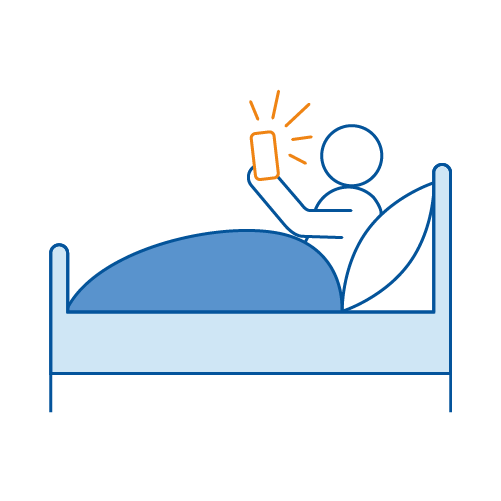
Do you often find yourself scrolling through your phone or watching shows late into the night? You might think it helps you unwind, but what if it’s actually stealing your sleep?
Your late-night screen habits could be messing with your ability to fall asleep and wake up refreshed. Imagine waking up feeling energized instead of tired and groggy. You’ll discover exactly how those glowing screens affect your sleep and simple changes you can make to protect your rest.
Keep reading—your best night’s sleep might be just a few tips away.
Quick Navigation
Screen Time And Sleep Cycle
Screen time before bed can change how your sleep cycle works. Using phones, tablets, or computers at night affects the body’s natural rhythm. This rhythm tells your body when to feel awake or sleepy. Light from screens can confuse this rhythm and make sleep harder.
Understanding how screen time impacts your sleep cycle helps you make better choices. Small changes can improve sleep quality and overall health.
Blue Light And Melatonin Suppression
Screens emit blue light, a bright and powerful light. This blue light tricks your brain into thinking it is daytime. It stops your body from making melatonin, the hormone that helps you sleep. Less melatonin means feeling less sleepy at night.
Delayed Sleep Onset
Using screens late can delay when you fall asleep. Your brain stays alert because of the screen light. This delay shortens your total sleep time. Falling asleep late can make mornings tough and leave you tired.
Reduced Rem Sleep
REM sleep is important for memory and mood. Screen use before bed can cut down REM sleep hours. Less REM sleep means feeling less refreshed and alert. Over time, this can affect how well you learn and remember.

Mental Health Consequences
Using screens late at night can harm your mental health. The light from screens tricks your brain. It makes it hard to relax and fall asleep. Poor sleep affects how you feel and think the next day. This can lead to several mental health problems.
Increased Anxiety And Stress
Screen use at night raises anxiety and stress levels. Bright screens keep your brain alert. This stops your mind from calming down. Stress hormones stay high, making it harder to sleep. Anxiety can grow worse with less rest. Nighttime screen habits create a cycle of worry and poor sleep.
Mood Swings And Irritability
Late-night screens can cause mood swings and irritability. Lack of sleep affects emotional control. Small problems feel bigger and harder to handle. You may feel grumpy or upset without a clear reason. Your patience lowers, leading to more conflicts and stress.
Cognitive Impairment
Using screens before bed harms your thinking skills. Poor sleep reduces focus and memory. Decision-making becomes slower and less accurate. It is harder to learn and solve problems. Over time, this can affect school or work performance. Nighttime screen use can dull your mental sharpness.
Physical Health Risks
Using screens late at night harms your body in many ways. It does more than just make you tired. The blue light from screens changes your sleep patterns. Poor sleep then leads to several health problems. Your body struggles to fight illness, keep weight steady, and avoid pain. Understanding these risks helps you protect your health better.
Weakened Immune System
Screen use at night stops your body from resting fully. Your immune system works less well without good sleep. You get sick more often and take longer to heal. The body’s defense against germs weakens. This makes colds and infections easier to catch.
Weight Gain And Metabolic Issues
Late-night screen use affects hormones that control hunger. You may feel hungrier and eat more unhealthy foods. Poor sleep also slows down how your body uses energy. These changes raise the risk of weight gain and diabetes. Staying up late with screens can disrupt your metabolism.
Eye Strain And Headaches
Watching screens in the dark strains your eyes. The bright light makes your eyes dry and tired. This strain often causes headaches and blurry vision. Long exposure can lead to ongoing discomfort and pain. Protecting your eyes means less pain and better focus.
Behavioral Patterns And Screen Addiction
Behavioral patterns around screen use at night often lead to addiction. Many people find it hard to stop using devices before bed. This habit disrupts sleep and harms health over time. Understanding these behaviors helps recognize the effects of screen addiction on sleep quality.
Compulsive Nighttime Usage
Many users feel a strong urge to check screens late at night. This compulsion keeps them scrolling or watching videos for hours. The brain craves the light and stimulation from screens. This habit delays falling asleep and reduces deep sleep phases. Over time, this compulsive use forms a cycle that is difficult to break.
Impact On Daily Routine
Late-night screen use often shifts sleep schedules later. People wake up tired and less alert during the day. This tiredness reduces productivity and mood. Daily routines become irregular, affecting work and personal life. Poor sleep from screen addiction creates a chain reaction of problems.
Social Isolation Effects
Screen addiction at night can reduce real-life social interactions. People may choose screen time over spending time with family or friends. This isolation increases feelings of loneliness and stress. Lack of social support worsens sleep problems. Healthy connections are important for mental and physical health.
Strategies To Minimize Impact
Late-night screen use can hurt sleep quality. Bright screens stop your brain from making melatonin. Melatonin is the hormone that helps you fall asleep. You can use simple strategies to reduce these effects. These steps help your mind relax and prepare for rest.
Establishing Screen Curfews
Set a time to stop using screens each night. Try to turn off devices at least one hour before bed. This helps your brain wind down naturally. Avoid TVs, phones, tablets, and computers late at night. Use this time for quiet activities like reading a book.
Using Blue Light Filters
Blue light filters reduce the bright blue glow from screens. Many devices have built-in settings for this. Turn on night mode or use special apps to filter blue light. These filters soften the light and lessen its impact on melatonin. Use them especially in the evening hours.
Incorporating Relaxation Techniques
Try relaxing activities to calm your mind before sleep. Deep breathing, gentle stretches, or meditation work well. These techniques lower stress and signal your body to rest. Avoid exciting or stressful content on screens at night. Focus on quiet, calming habits to prepare for sleep.

Frequently Asked Questions
How Does Late-night Screen Use Affect Sleep Quality?
Late-night screen use disrupts sleep by suppressing melatonin, the sleep hormone. It delays sleep onset and reduces deep sleep phases, leading to poor rest and daytime fatigue.
Why Does Blue Light From Screens Harm Sleep?
Blue light interferes with melatonin production, confusing the brain’s internal clock. This delay in melatonin release makes falling asleep harder and reduces overall sleep duration.
Can Screen Time Before Bed Cause Insomnia?
Yes, excessive screen time before bed can cause insomnia. It stimulates the brain and delays the natural sleep cycle, making it difficult to fall and stay asleep.
How Long Before Bed Should Screens Be Avoided?
Experts recommend avoiding screens at least 1 hour before bedtime. This helps restore melatonin levels and prepares the brain for restful sleep.
Conclusion
Late-night screen use can harm your sleep quality. Blue light from devices tricks your brain into staying awake. This can make falling asleep harder and reduce deep sleep. Poor sleep affects mood, focus, and health. Try to limit screen time before bed.
Choose quiet, dark environments to help your body relax. Small changes can lead to better rest and more energy. Sleep matters. Protect it by managing your screen habits at night.

