
As an Amazon Associate I earn from qualifying purchases.
Have you ever wondered why some nights you wake up feeling refreshed, while others leave you tired and groggy? The secret often lies in your daily habits.
The lifestyle choices you make—what you eat, how active you are, even your screen time—can dramatically change the quality of your sleep. Imagine unlocking simple changes that could help you fall asleep faster, stay asleep longer, and wake up energized.
Keep reading to discover how your lifestyle affects key sleep metrics and what you can do tonight to improve your rest. Your best sleep is closer than you think.
Quick Navigation
Sleep Metrics To Track
Tracking sleep helps understand how lifestyle changes affect rest. Sleep metrics give clear data on your sleep health. They help spot patterns and areas for improvement. Knowing what to track is the first step.
Here are key sleep metrics to watch for better sleep analysis.
Duration And Quality
Duration means how long you sleep each night. Most adults need 7 to 9 hours. Quality shows how restful your sleep is. Good quality means fewer awakenings and feeling fresh in the morning. Poor quality can cause tiredness and low energy.
Sleep Stages
Sleep has several stages: light, deep, and REM. Each stage has a role in your health. Deep sleep helps with body repair. REM sleep supports memory and mood. Tracking these stages reveals how balanced your sleep is. Lifestyle changes can shift this balance.
Sleep Latency And Efficiency
Sleep latency is the time it takes to fall asleep. Short latency means you fall asleep quickly. Long latency could signal stress or poor habits. Sleep efficiency measures time spent asleep versus time in bed. Higher efficiency means better rest. Lower efficiency suggests interrupted or restless sleep.
Diet And Sleep
Diet plays a big role in how well you sleep. What you eat affects your body’s ability to rest and recover. Certain foods and drinks can help you sleep better. Others can make it harder to fall asleep or stay asleep. Understanding these effects can help improve your sleep quality.
Impact Of Caffeine And Alcohol
Caffeine is a stimulant found in coffee, tea, and some sodas. It can keep you awake and reduce deep sleep. Avoid caffeine late in the day to sleep better at night.
Alcohol might help you fall asleep faster. But it can cause restless sleep and wake you up often. Drinking less alcohol leads to more restful sleep and better energy.
Foods That Promote Sleep
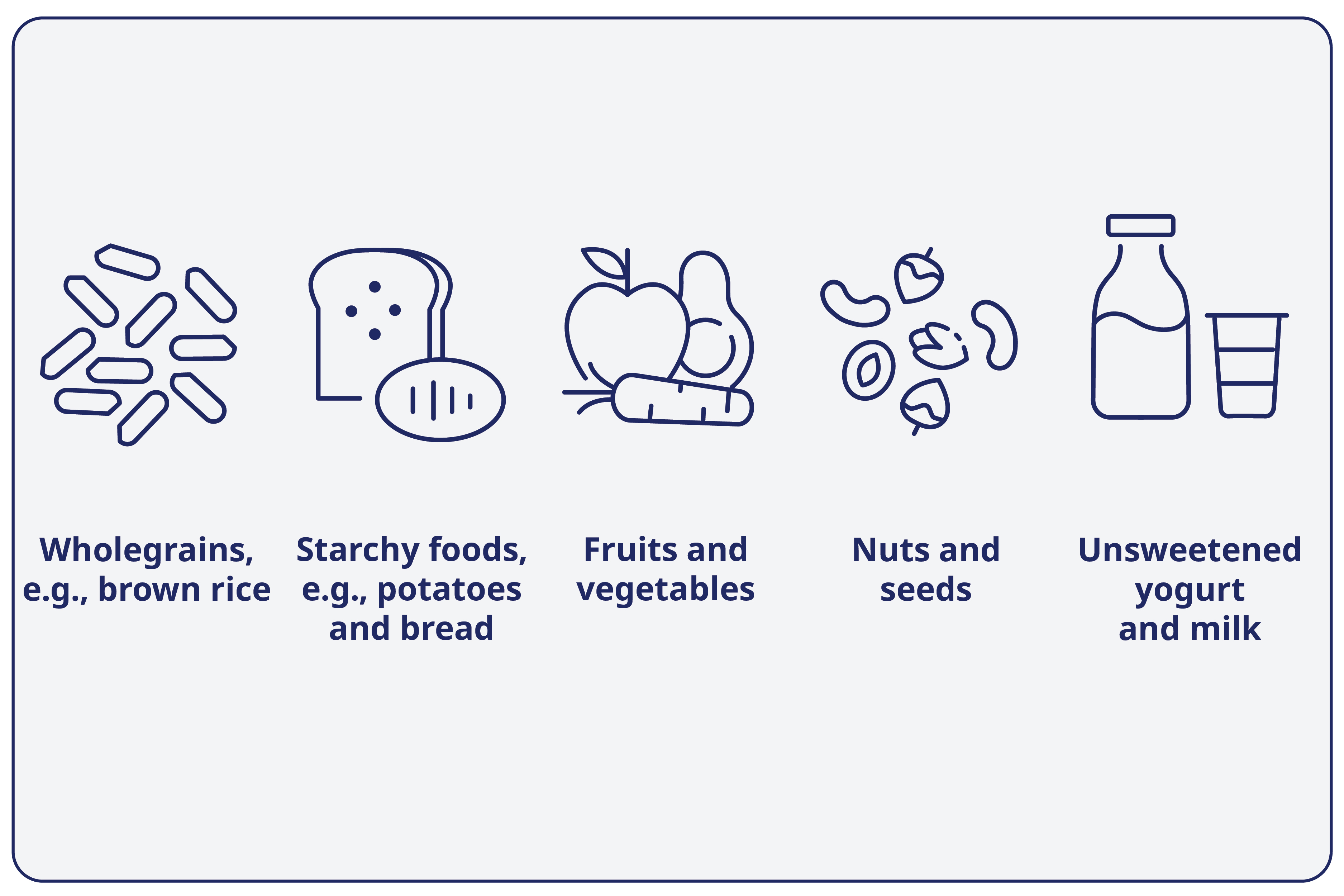
Some foods contain natural chemicals that help sleep. Examples include cherries, almonds, and bananas. These foods have melatonin or magnesium which aid relaxation.
Eating a small snack with protein and carbs before bed can help. It keeps blood sugar steady and prevents waking up hungry.
Timing Of Meals
Eating large meals right before bed can cause discomfort. It may lead to acid reflux and restless sleep. Try to finish eating at least two hours before bedtime.
Regular meal times help your body’s internal clock. This supports healthy sleep patterns and better rest overall.
Exercise And Rest
Exercise and rest are closely linked to good sleep. Physical activity helps the body relax and fall asleep faster. Rest allows muscles to recover and keeps energy high. Balancing exercise and rest improves overall sleep quality. Sleep metrics like deep sleep and total sleep time can get better with the right routine.
Best Time To Work Out
Morning exercise boosts energy for the day. It also helps set a natural sleep rhythm. Evening workouts can be okay but should end two to three hours before bed. Late exercise may raise heart rate and body temperature. This can make falling asleep harder. Find a time that fits your daily schedule and stick to it.
Exercise Types That Improve Sleep
Low-impact activities like walking and yoga calm the mind. These exercises reduce stress and ease muscle tension. Aerobic exercises such as swimming and cycling increase sleep depth. Strength training also helps by reducing anxiety and improving mood. A mix of these types can give the best sleep benefits.
Avoiding Overexertion
Too much exercise can cause stress and disrupt sleep. Overtraining makes it harder for the body to relax. Signs include muscle soreness and trouble falling asleep. Rest days are important to let the body heal. Light stretching or gentle walks on rest days aid recovery. Balance activity with rest for the best sleep results.
Stress And Sleep Patterns
Stress plays a major role in how well people sleep. It can change sleep patterns and affect the quality of rest. Stress makes it harder to fall asleep and stay asleep. Understanding stress and sleep can help improve sleep health.
Effects Of Stress Hormones
Stress triggers the release of hormones like cortisol. Cortisol keeps the body alert and awake. High levels of cortisol at night disrupt deep sleep stages. This leads to lighter, less restful sleep. It also causes waking up during the night. The body struggles to relax and recover.
Relaxation Techniques
Relaxation methods can lower stress and improve sleep. Techniques such as deep breathing and gentle stretching help calm the mind. These activities reduce the heart rate and ease muscle tension. Regular practice makes it easier to fall asleep faster. Sleep becomes deeper and more refreshing.
Mindfulness And Meditation
Mindfulness and meditation focus the mind on the present moment. They reduce worries and racing thoughts. This calming effect helps people enter sleep more easily. Meditation before bed lowers cortisol and promotes relaxation. Over time, these practices support healthier sleep patterns.
Screen Time And Blue Light
Screen time has a strong impact on sleep quality. Many people use phones, tablets, or computers before bed. These devices emit blue light that can change how the brain prepares for sleep. Understanding this effect helps improve sleep habits.
How Blue Light Affects Sleep
Blue light tricks the brain into thinking it is daytime. It stops the release of melatonin, the hormone that signals sleep. This makes falling asleep harder and reduces deep sleep phases. Sleep feels less refreshing after exposure to blue light.
Setting Device Curfews
Turning off screens at least one hour before bed helps the body relax. This break from devices allows melatonin levels to rise naturally. Setting a curfew for screen use creates a healthy routine. It improves the overall quality of sleep.
Using Night Mode Features
Many devices offer night mode or blue light filters. These settings reduce blue light exposure in the evening. Night mode uses warmer colors that are less disruptive to sleep. Activating these features supports better sleep patterns.
Sleep Environment Adjustments
Adjusting your sleep environment can change how well you rest. Small changes can improve sleep quality and duration. A good environment helps the body relax and prepare for deep sleep. Focus on temperature, light, noise, and bedding for better sleep metrics.
Optimizing Room Temperature
Room temperature affects how easily you fall asleep. Cooler rooms, about 60-67°F (15-19°C), help lower your body heat. This signals your body to sleep better. A room too hot or cold can cause restlessness and wakefulness. Keep your bedroom at a steady, comfortable temperature for better sleep cycles.
Light And Noise Control
Light can stop your body from producing melatonin, a sleep hormone. Use blackout curtains or eye masks to block light. Keep electronic screens away before bedtime to reduce blue light exposure. Noise can interrupt deep sleep stages. Use white noise machines or earplugs to create a quiet space. A calm, dark room supports longer and deeper sleep.
Comfortable Bedding Choices
Your bed comfort affects how well you sleep. Choose a mattress that supports your body shape and weight. Soft pillows keep your neck aligned and reduce discomfort. Use breathable sheets to prevent overheating. Clean and fresh bedding helps maintain a relaxing sleep area. Good bedding reduces tossing and turning during the night.
Consistency And Routine
Consistency and routine play a big role in improving sleep quality. Our bodies work best with regular habits. A steady schedule helps the internal clock stay balanced. This makes falling asleep and waking up easier. Repeating the same actions each night signals the brain it is time to rest. Over time, these habits can improve sleep metrics like total sleep time and sleep efficiency.
Benefits Of Fixed Sleep Schedule
Going to bed and waking up at the same time helps the body prepare for sleep. This reduces the time it takes to fall asleep. It also improves deep sleep phases, important for feeling rested. A fixed schedule prevents tiredness during the day. It supports better mood and focus. Sleep consistency lowers the chance of sleep disorders and fatigue.
Creating A Pre-sleep Ritual
A calming routine before bed tells the brain to relax. Simple activities like reading or gentle stretching work well. Avoid screens and bright lights that can confuse the brain. A warm drink or soft music can help too. Doing the same things every night trains the body to wind down. This leads to quicker sleep onset and better rest.
Weekends And Sleep Debt
Sleeping very late on weekends can confuse the body clock. This creates sleep debt, making it hard to wake up on weekdays. Large changes in sleep times reduce sleep quality. Keeping weekend sleep times close to weekday times supports better metrics. Short naps during the day can help without hurting nighttime sleep. Balance is key for long-term sleep health.
Frequently Asked Questions
How Do Lifestyle Changes Impact Sleep Quality?
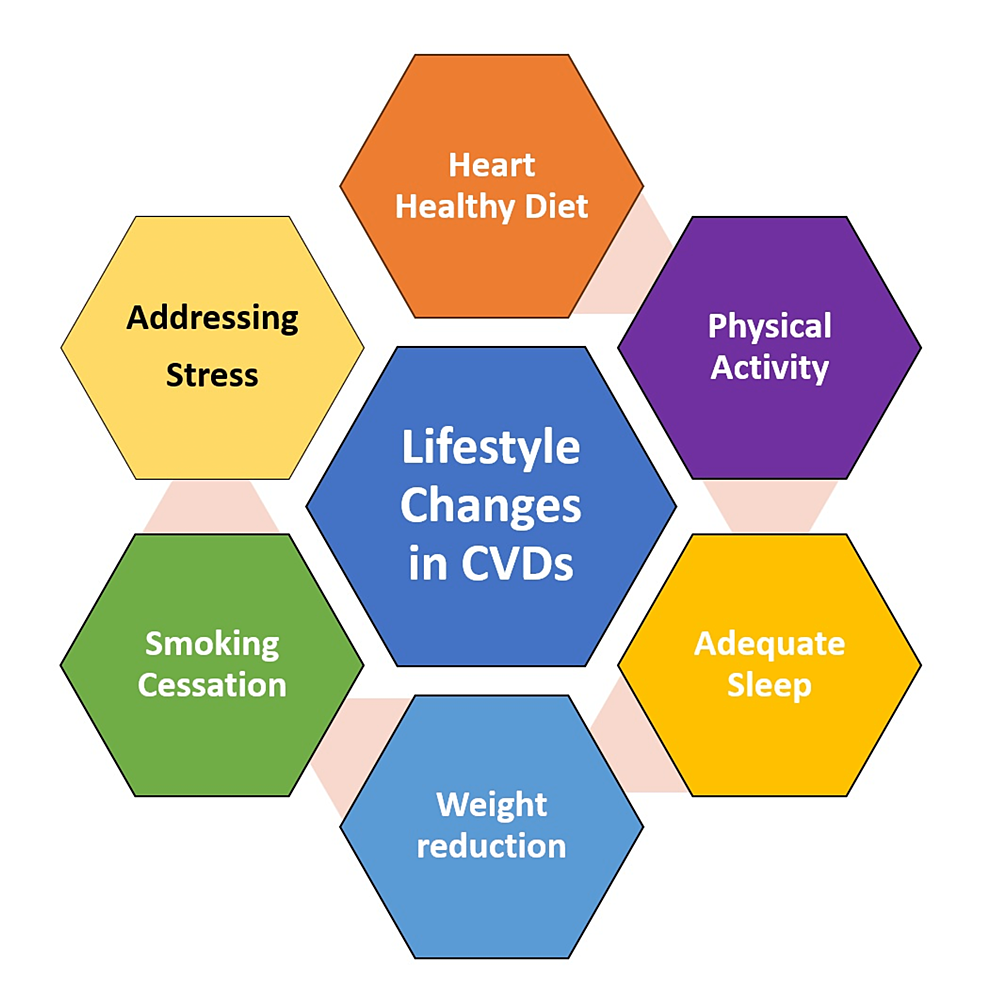
Lifestyle changes like diet, exercise, and stress management greatly influence sleep quality. Healthy habits promote deeper, more restful sleep. Poor habits can cause insomnia or fragmented sleep, reducing overall restfulness and energy levels.
Can Exercise Improve Sleep Metrics Effectively?
Yes, regular exercise improves sleep duration and efficiency. Physical activity reduces stress and promotes faster sleep onset. However, avoid intense workouts close to bedtime as they may disrupt sleep.
What Role Does Diet Play In Sleep Patterns?
Diet affects sleep through nutrient intake and meal timing. Balanced meals with tryptophan-rich foods support better sleep. Avoid caffeine or heavy meals near bedtime to prevent sleep disturbances.
How Does Stress Affect Sleep Measurements?
Stress increases cortisol, disrupting sleep cycles and reducing REM sleep. Managing stress through relaxation techniques can improve sleep duration and quality, leading to better overall rest.
Conclusion
Changing daily habits can improve your sleep quality greatly. Small adjustments in diet, exercise, and screen time help your body rest better. Sleep metrics like duration, depth, and consistency respond well to these changes. Better sleep means more energy and clearer thinking during the day.
Keep track of your sleep patterns to see progress. Healthy lifestyle choices create a positive cycle for rest and wellness. Start with one change and build from there. Good sleep supports a happier, healthier life.