
Have you ever wondered how many sleep cycles you actually need each night to feel truly rested? Sleep isn’t just about the hours you spend in bed—it’s about the quality and structure of your rest.
Knowing the right number of sleep cycles can unlock better energy, sharper focus, and improved mood every day. You’ll discover exactly what a sleep cycle is, how many you need, and simple tips to help you get the most out of your night’s sleep.
Keep reading to transform the way you rest and wake up feeling refreshed like never before.
Quick Navigation
Sleep Cycle Basics
Understanding sleep cycles helps improve your rest quality. Sleep is not one continuous state. It moves through different stages that repeat several times each night. Each cycle plays a key role in physical and mental health. Knowing the basics of sleep cycles clarifies how much sleep you need.
Stages Of Sleep
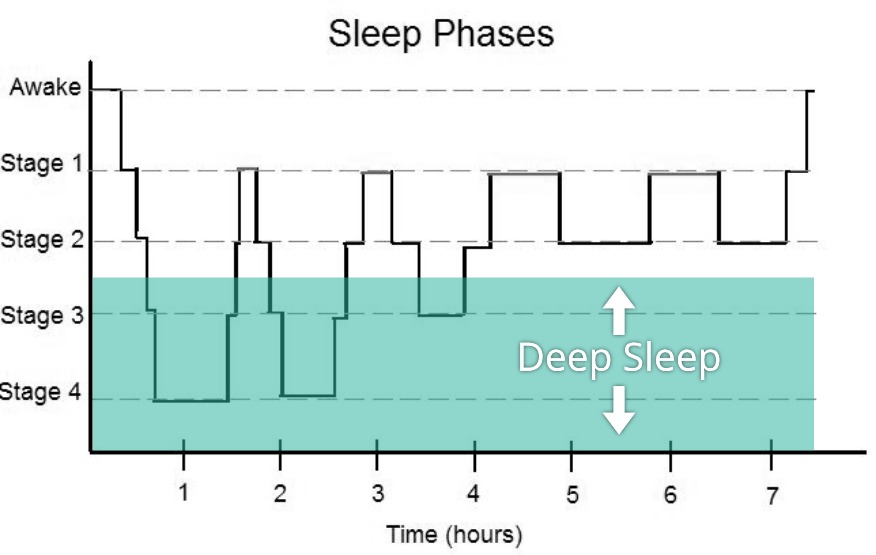
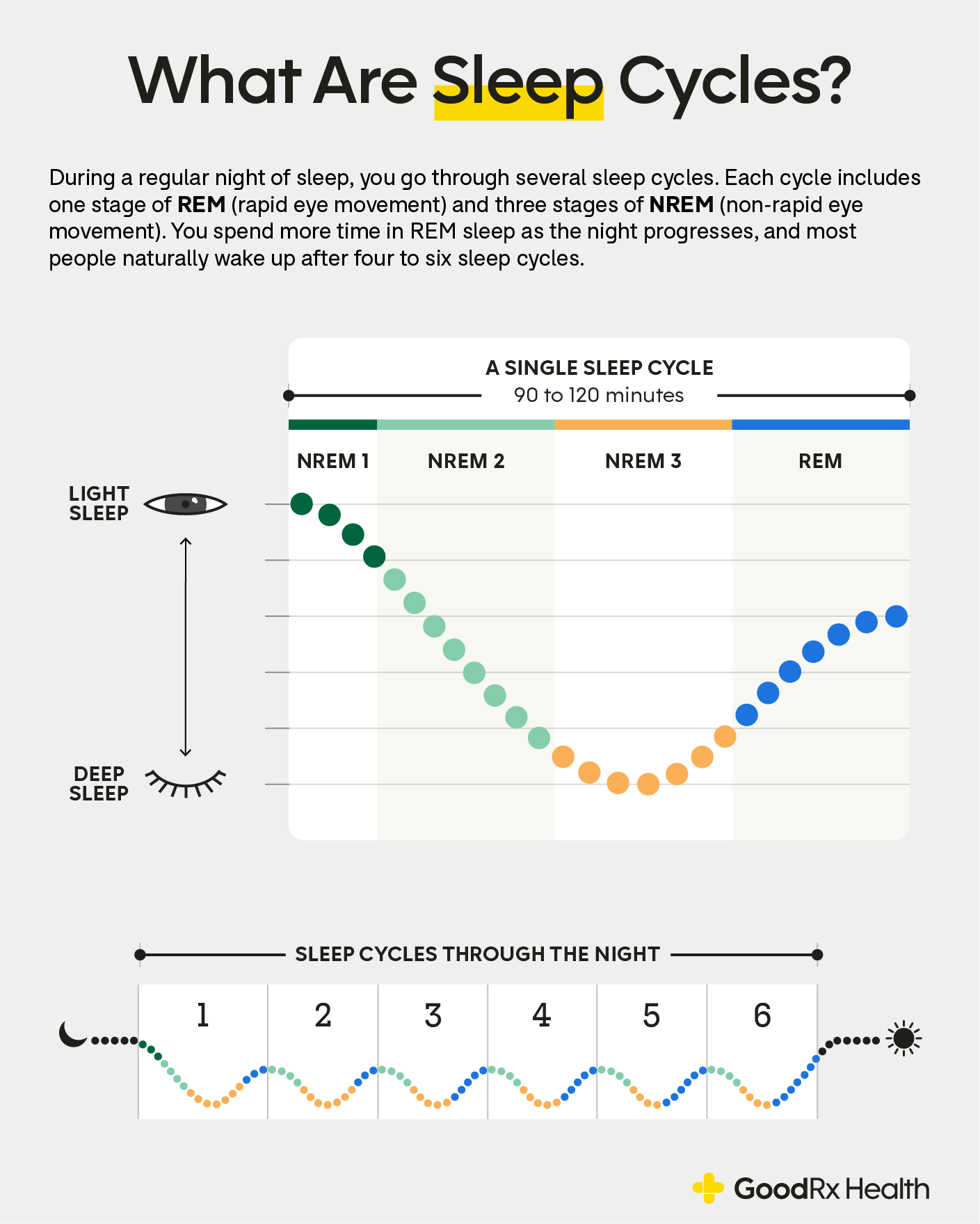
Sleep has two main types: non-REM and REM. Non-REM sleep has three stages: light sleep, deeper sleep, and the deepest sleep. Light sleep is the start, where your body relaxes. Deeper sleep helps repair muscles and boosts immune function. The deepest stage is very restorative for the body. REM sleep is when most dreaming happens. It supports brain functions like memory and learning.
Duration Of One Cycle
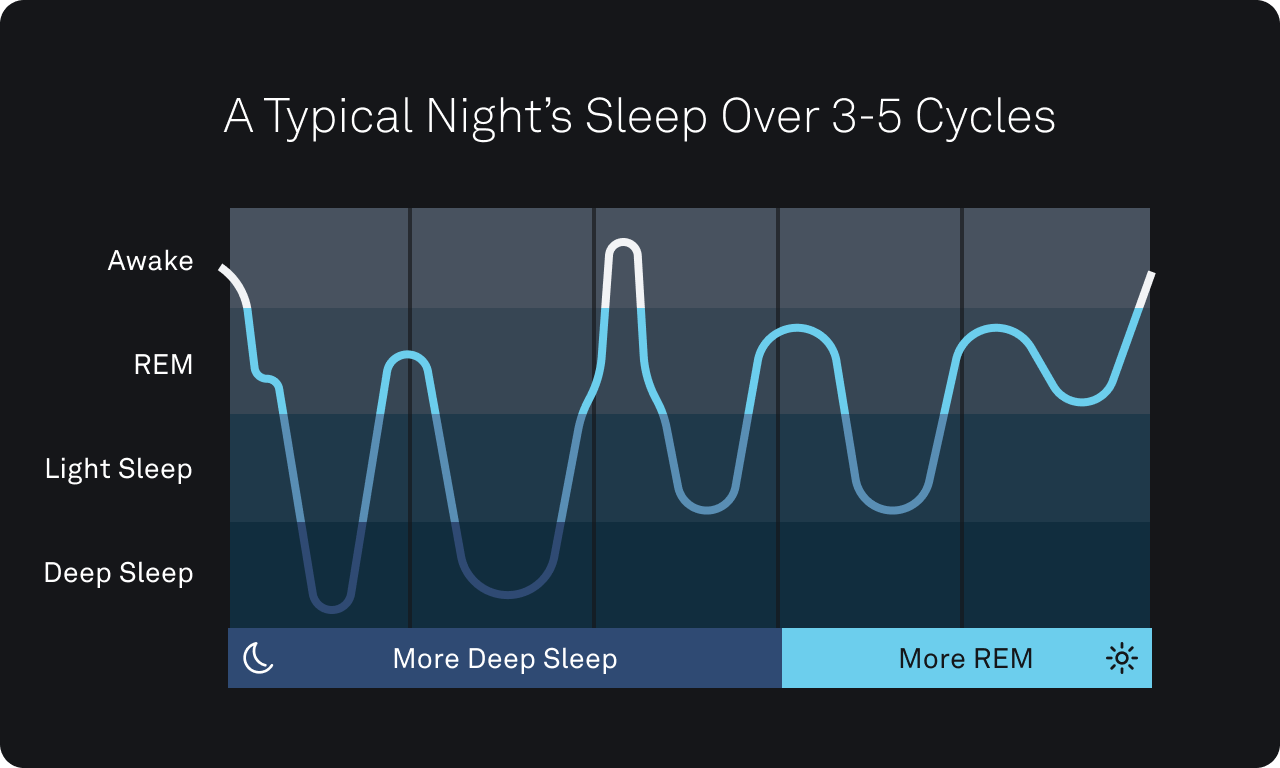
One full sleep cycle lasts about 90 minutes. It starts with light sleep, then moves to deeper stages, and ends with REM sleep. Each cycle repeats about four to six times during a normal night. Early cycles have more deep sleep, while later ones have longer REM sleep. This pattern helps your body and mind recover fully.
Ideal Number Of Sleep Cycles
Sleep cycles are important for good rest. Each cycle lasts about 90 minutes. During a cycle, the body moves through different sleep stages. These include light sleep, deep sleep, and REM sleep. The ideal number of sleep cycles helps the body repair and recharge. It also improves memory and mood. Understanding the right number can improve how you feel each day.
Recommended Cycles For Adults
Adults usually need four to six sleep cycles each night. This means about six to nine hours of sleep. Four cycles may be the minimum for feeling rested. Six cycles give the best rest for many people. Less than four cycles can cause tiredness the next day. More than six cycles might not add extra benefits.
Variations By Age Group
Children need more sleep cycles than adults. They may require six to nine cycles each night. Teenagers also need more sleep than adults. Older adults often need fewer cycles. Their sleep may be lighter and shorter. Age changes how many cycles a person needs. Adjust sleep times to match your age and needs.
Effects Of Sleep Cycle Disruption
Sleep cycles follow a natural rhythm, moving through stages of light and deep sleep. Disrupting these cycles affects your body and mind. It changes how well you feel the next day. Poor sleep cycle management can harm health and daily function.
Impact On Health
Interrupted sleep cycles reduce the quality of rest. This leads to tiredness and difficulty focusing. The immune system weakens, making illness more likely. Memory and learning can suffer. Long-term disruption increases risks of heart problems and diabetes. Mood disorders, such as anxiety and depression, may also rise.
Common Causes
Many factors disrupt sleep cycles. Stress and anxiety keep the mind active at night. Irregular sleep schedules confuse the body’s internal clock. Light from screens delays sleep onset. Caffeine and heavy meals before bed cause awakenings. Sleep disorders like insomnia and sleep apnea break cycles too.
Tips For Improving Sleep Cycles
Improving sleep cycles helps you wake up feeling refreshed. Quality sleep supports your health and mood. Simple steps can boost how well you cycle through sleep stages each night.
Creating A Sleep Schedule
Go to bed and wake up at the same time daily. Your body learns when to rest and when to be active. Avoid napping late in the day. Consistency helps your sleep cycles stay regular. This makes it easier to fall asleep and wake up naturally.
Optimizing Sleep Environment
Keep your bedroom dark, quiet, and cool. Use blackout curtains to block light. Earplugs or white noise can reduce noise distractions. Choose a comfortable mattress and pillows. Remove screens and bright lights before bedtime. A calm space helps your brain relax and enter deep sleep stages.
Tracking Your Sleep Cycles
Tracking your sleep cycles helps understand your sleep quality. It shows how many cycles you complete each night. This knowledge helps improve rest and daily energy.
Using Sleep Trackers
Sleep trackers measure movement, heart rate, and breathing. They estimate sleep stages like light, deep, and REM sleep. Many trackers come as wristbands or smartphone apps. Wear or use them consistently to get accurate data. Simple devices can reveal when you fall asleep and wake up. Advanced models show how long each sleep stage lasts.
Interpreting Sleep Data
Data shows total sleep time and cycle patterns. Aim for 4 to 6 complete cycles per night. Each cycle lasts about 90 minutes. Notice frequent waking or short cycles; these may signal poor sleep. Look for more deep and REM sleep for better rest. Use data to adjust bedtime or habits. Small changes improve sleep quality over time.
Frequently Asked Questions
How Many Sleep Cycles Do Adults Need Nightly?
Adults typically need 4 to 6 sleep cycles each night. Each cycle lasts about 90 minutes. This totals 6 to 9 hours of quality sleep for optimal health and function.
What Happens If I Miss Sleep Cycles?
Missing sleep cycles can cause fatigue and cognitive decline. It disrupts memory, mood, and immune function. Regularly missing cycles increases health risks like heart disease.
Can Naps Replace Full Sleep Cycles?
Short naps help boost alertness but don’t replace full sleep cycles. Naps lack deep and REM sleep stages. Full cycles are essential for physical and mental restoration.
How Do I Track My Sleep Cycles Effectively?
Use sleep trackers or apps to monitor cycles. They analyze movement and heart rate to estimate sleep stages. Tracking helps improve sleep quality and duration.
Conclusion
Getting enough sleep cycles helps your body and mind rest well. Most people need about four to six cycles each night. Each cycle lasts around 90 minutes and includes deep and light sleep. Skipping cycles can make you feel tired and less focused.
Try to keep a regular sleep schedule for better rest. Quality sleep improves mood, memory, and health. Remember, good sleep habits support your daily energy and well-being. Sleep well, feel better, and live healthier.

