
Have you ever tossed and turned at night, wondering why sleep just won’t come? You might not realize it, but the streetlights outside your window and the glowing screens of your devices could be the hidden culprits.
These everyday sources of light can seriously mess with your body’s natural sleep rhythm. If you want to wake up feeling refreshed and energized, understanding how these lights affect your sleep is the first step. Keep reading to discover the surprising ways streetlights and electronics disrupt your rest—and what you can do to fix it.
Quick Navigation
Impact Of Streetlights On Sleep
Streetlights brighten our nights but can harm our sleep. They change how our bodies know when to rest. This impact is a growing concern in cities and towns. Understanding this helps us protect our sleep health.
Artificial light at night can confuse our natural sleep cycle. It tricks the brain into thinking it is still daytime. This can make falling asleep harder and reduce sleep quality.
Light Pollution And Circadian Rhythms
Light pollution from streetlights disrupts our circadian rhythms. These rhythms are internal clocks that control sleep and wake times. Too much light at night delays sleep signals in the brain. This leads to trouble falling asleep and waking up tired.
Blue Light Effects On Melatonin
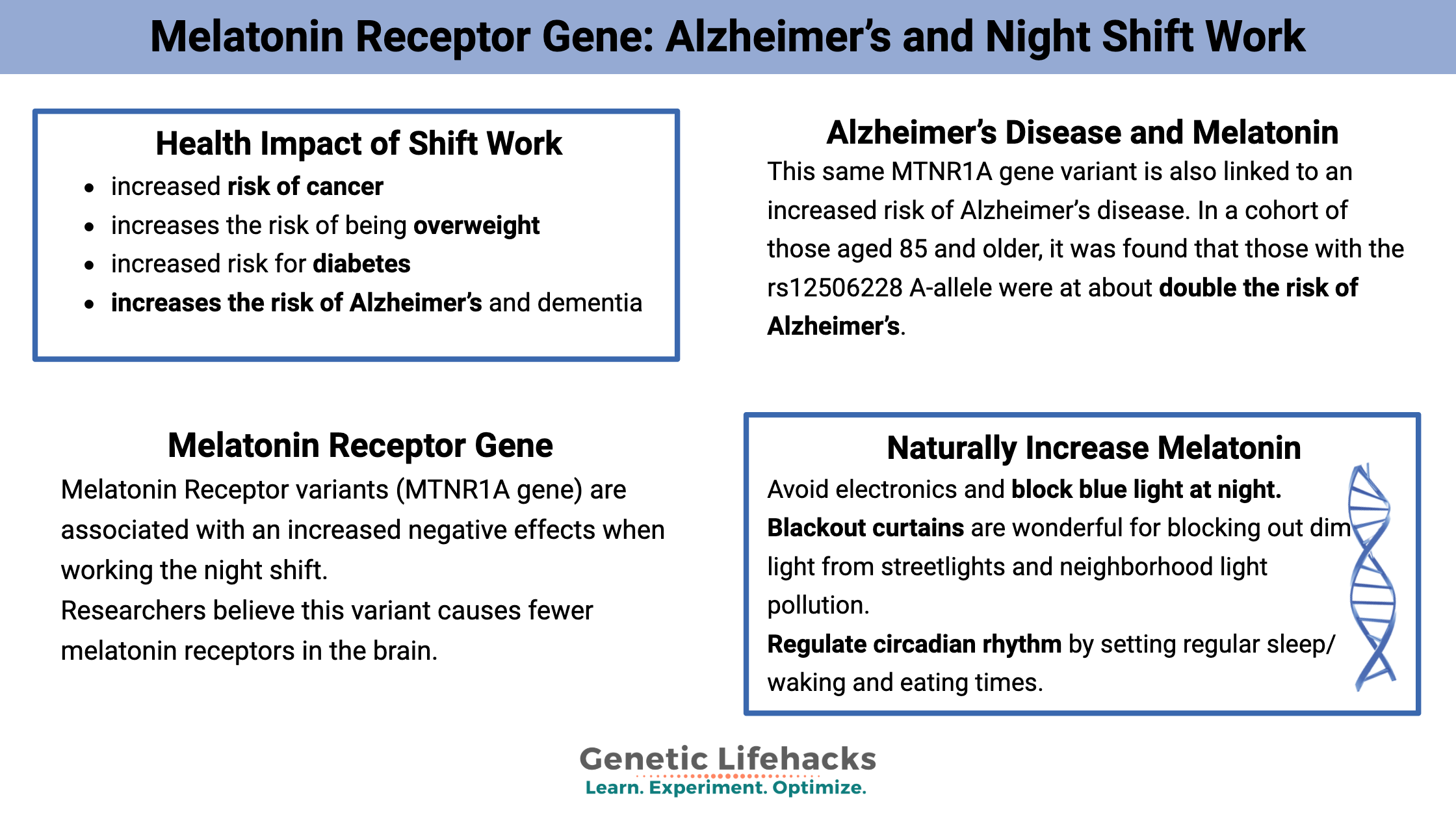
Streetlights often emit blue light, which is strong in stopping melatonin. Melatonin is the hormone that tells our body to sleep. Less melatonin means less sleep and more wakefulness. Blue light exposure at night can shift sleep patterns later.
Urban Nighttime Exposure
People living in cities face constant light exposure at night. Streetlights and electronic signs add to this light pollution. This constant light can lower sleep quality and increase stress. Urban nighttime light disrupts deep sleep phases, vital for rest and repair.
Electronics And Sleep Disruption
Electronics are part of daily life but can harm sleep quality. Bright screens and constant notifications keep the brain active. This makes it hard to fall asleep and stay asleep. Understanding how devices affect rest helps improve sleep habits.
Screen Time Before Bed
Using phones or tablets before bed exposes eyes to blue light. Blue light tricks the brain into thinking it is daytime. This lowers melatonin, the hormone that helps sleep. Even 30 minutes of screen time can delay sleep. Turning off screens an hour before bed helps the body prepare for rest.
Emf Exposure And Sleep Quality
Electronics emit electromagnetic fields (EMF) that may affect sleep. Some studies suggest EMF can disturb brain waves. This can reduce deep, restful sleep phases. Keeping devices away from the bed lowers EMF exposure. More research is needed, but caution is wise.
Sleep Interruptions From Device Notifications
Alerts from phones and tablets cause frequent sleep interruptions. Sounds or vibrations can wake a person from light sleep. This breaks the sleep cycle and causes tiredness. Setting devices to silent or Do Not Disturb mode improves sleep. Consistent, uninterrupted sleep feels more refreshing.
Health Risks Linked To Poor Sleep
Poor sleep affects health in many serious ways. Light from streetlights and electronics can disturb natural sleep patterns. This disruption leads to many health problems. Sleep is crucial for the body and mind to rest and recover. Without good sleep, the body struggles to work well. The risks of poor sleep are real and wide-ranging.
Increased Risk Of Chronic Diseases
Sleep loss raises the chance of heart disease and diabetes. The body cannot repair itself properly without enough rest. High blood pressure often appears in people with poor sleep. Obesity risk also grows due to disrupted hormones. These diseases develop quietly but cause major health problems later.
Mental Health Consequences
Poor sleep harms mood and emotional well-being. It increases feelings of anxiety and depression. The brain cannot regulate emotions well when tired. Stress levels rise, making it hard to relax. This cycle worsens mental health over time.
Impaired Cognitive Function
Sleep loss makes it hard to think clearly. Memory and attention suffer from lack of rest. Decision-making skills become weaker. Learning new things takes longer. This affects work, school, and daily activities.
Preventive Measures
Streetlights and electronics often stop us from sleeping well. Their light tricks our brains into thinking it is daytime. This lowers melatonin, the hormone that helps us sleep. Taking steps to reduce light exposure at night helps protect sleep. Here are some simple ways to do that.
Reducing Nighttime Light Exposure
Close curtains or blinds to block streetlight glow. Use blackout curtains for better results. Turn off outdoor lights near bedroom windows. Avoid bright screens at least one hour before bed. Dim your lights in the evening to signal your body. This helps prepare you for restful sleep.
Creating Electronics-free Zones
Keep phones, tablets, and laptops out of the bedroom. Make your bedroom a place for sleep only. Charging devices in another room reduces temptation. This stops screen light from disturbing your rest. Quiet, dark spaces help your brain relax fully.
Using Sleep-friendly Lighting Alternatives
Choose warm, dim lights for nighttime use. Use lamps with yellow or orange bulbs instead of white or blue light. Red or amber night lights are gentle and less disruptive. Smart bulbs with adjustable brightness can help too. These light types support natural sleep rhythms.
Future Research And Innovations
Future research and innovations aim to reduce the impact of streetlights and electronics on sleep. Scientists and engineers work on new ideas to make lighting safer and less disruptive. These advances focus on technology, health tracking, and community efforts to lower light pollution. Each area plays a key role in improving sleep quality for many people.
Advances In Lighting Technology
New lighting solutions use warmer colors to protect sleep cycles. LED lights with adjustable brightness and color reduce blue light exposure. Smart streetlights can dim during late hours to limit sleep disruption. Researchers test lighting that mimics natural light patterns. These technologies help balance safety and healthy sleep.
Wearable Sleep Monitoring Devices
Wearable devices track sleep patterns and light exposure all night. They provide data to help users understand how light affects their rest. Some devices alert users when blue light is too high. Sleep trackers guide better habits by showing clear results. This technology supports personalized sleep improvement plans.
Community Initiatives To Reduce Light Pollution
Communities promote dark sky programs to reduce unnecessary lighting. Local rules limit brightness and encourage shielded fixtures. Neighborhoods organize awareness campaigns on light pollution effects. These efforts help create quieter, darker environments for better sleep. Public support drives changes to protect night-time health.


Frequently Asked Questions
How Do Streetlights Affect My Sleep Quality?
Streetlights emit blue light that disrupts melatonin production. This hormone controls your sleep-wake cycle. Exposure at night can cause difficulty falling asleep and poor rest quality.
Can Electronics Before Bed Cause Insomnia?
Yes, electronics emit blue light that suppresses melatonin. Using devices before sleep delays your body’s natural sleep signals. This leads to trouble falling asleep and fragmented sleep.
What Types Of Light Disrupt Circadian Rhythms?
Blue and bright white lights are most disruptive. These lights confuse your brain’s internal clock. They reduce melatonin and delay the onset of deep sleep stages.
How Can I Reduce Sleep Disruption From Electronics?
Limit screen time at least one hour before bed. Use blue light filters or night modes on devices. Creating a dark, screen-free environment helps improve sleep quality.
Conclusion
Streetlights and electronics can keep your brain awake at night. Bright lights trick your body into thinking it is daytime. This stops your natural sleep signals from working well. Avoiding screens before bed helps your mind relax. Dim lights in the evening support better sleep.
Small changes can make a big difference in rest. Try to create a calm, dark sleeping space. Good sleep improves mood, focus, and health. Simple steps protect your nights from light disruption. Sleep well, feel better every day.

