
Are you tired of tossing and turning all night? Your bedroom might be the secret to finally getting the restful sleep you deserve.
Setting up your space the right way can help you fall asleep faster and wake up feeling refreshed. You’ll discover simple, effective steps to transform your bedroom into a sleep haven. Keep reading—your best night’s sleep is closer than you think.
Quick Navigation
Choose The Right Mattress
Choosing the right mattress is key to a good night’s rest. The mattress supports your body and helps you relax. A poor mattress can cause discomfort and disrupt sleep. Selecting one that fits your needs improves sleep quality and overall health.
Types Of Mattresses
Many mattress types exist. Memory foam molds to your body and relieves pressure points. Innerspring mattresses offer firm support with coils inside. Latex mattresses are durable and naturally breathable. Hybrid mattresses combine foam and springs for balanced comfort. Each type suits different sleepers and preferences.
Finding Your Comfort Level
Your comfort level depends on firmness and support. Soft mattresses feel plush but may lack support. Firm mattresses offer strong support but can feel hard. Medium firmness often works well for many people. Test mattresses in stores by lying down for a few minutes. Choose one that feels comfortable and supports your spine.
Mattress Maintenance Tips
Keeping your mattress clean and fresh extends its life. Use a mattress protector to guard against stains and dust. Rotate the mattress every 3 to 6 months to prevent wear in one spot. Vacuum the mattress surface regularly to remove dust mites. Avoid jumping or standing on the mattress to protect its structure.

Optimize Your Bedding
Optimizing your bedding plays a key role in improving sleep quality. The right bedding keeps you comfortable throughout the night. It helps regulate temperature and supports your body well. Choosing the best fabrics, pillows, and layers can make your bedroom a restful haven.
Selecting Breathable Fabrics
Choose bedding made from natural, breathable fabrics. Cotton and linen allow air to flow freely. They help wick away moisture and keep skin dry. Avoid synthetic materials that trap heat and cause sweating. Breathable fabrics create a cool, comfortable sleep environment.
Pillow Choices For Support
Pick pillows that match your sleeping position. For side sleepers, firm pillows keep your neck aligned. Back sleepers benefit from medium support pillows. Stomach sleepers should use soft, thin pillows to avoid strain. Good pillow support reduces neck pain and improves sleep quality.
Layering For Temperature Control
Use layers to adjust warmth during the night. Start with a fitted sheet, then add a light blanket. Keep a heavier comforter nearby for cold nights. Remove layers easily if you feel too warm. Layering helps maintain a steady, comfortable temperature all night.
Control Lighting
Controlling the lighting in your bedroom helps improve sleep quality. Bright or harsh lights can disturb your body’s natural rhythm. Creating a calm, dark space signals your brain it’s time to rest. Adjusting your bedroom light setup supports deeper, more restful sleep.
Benefits Of Blackout Curtains
Blackout curtains block outside light completely. They keep streetlights and early sun from waking you up. These curtains help your body produce melatonin, the sleep hormone. Darker rooms promote longer, uninterrupted sleep cycles. Installing blackout curtains is a simple fix for light pollution.
Using Soft Lighting
Soft lighting creates a relaxing atmosphere before bed. Choose lamps with warm, dim bulbs instead of bright overhead lights. Soft light reduces eye strain and calms your mind. Lower light intensity encourages your body to prepare for sleep. Use bedside lamps or string lights for gentle illumination.
Smart Lighting Solutions
Smart lights adjust brightness and color automatically. Set schedules to dim lights as bedtime nears. They can mimic sunset colors to ease your body into sleep mode. Control lights using apps or voice commands for convenience. Smart lighting helps maintain a consistent sleep routine.
Manage Noise Levels
Noise can disturb your sleep and make it harder to rest well. Managing noise levels in your bedroom helps create a calm and quiet space. Small changes can reduce sound and improve your sleep quality.
Soundproofing Techniques
Use thick curtains to block outside noise. Place rugs or carpets on the floor to absorb sound. Seal gaps around windows and doors to stop noise from entering. Soft furniture like cushions and upholstered chairs also help reduce echoes.
White Noise Machines
White noise machines create a steady sound that covers sudden noises. Sounds like rain, wind, or static can help your mind relax. These machines make it easier to fall asleep and stay asleep through the night.
Earplugs And Other Tools
Earplugs are a simple way to block noise. They come in foam or silicone types for comfort. Noise-canceling headphones can also reduce unwanted sounds. These tools help if you cannot control noise in your bedroom.
Regulate Room Temperature
Regulating your bedroom’s temperature plays a big role in sleep quality. The right temperature helps your body relax and fall asleep faster. A room that is too hot or too cold can disturb your rest. Adjusting your room temperature creates a calm, comfortable space for deep sleep.
Ideal Sleep Temperatures
The best temperature for sleep is usually between 60 and 67 degrees Fahrenheit. This range helps your body cool down naturally. Cooler rooms help lower your core body temperature, making it easier to fall asleep. Temperatures above 70 degrees can cause restlessness. Too cold a room may also wake you up during the night.
Cooling And Heating Options
Use a fan or air conditioner to cool your room in warm weather. A portable heater or central heating system works well in cold months. Choose devices with quiet settings to avoid noise disruptions. Smart thermostats can adjust temperature automatically. Layer your bedding to add warmth or remove layers as needed.
Ventilation Tips
Fresh air improves room temperature and air quality. Open a window for natural airflow when weather allows. Use exhaust fans or air purifiers to keep air moving. Avoid stuffy rooms by clearing clutter that blocks vents. Proper ventilation helps maintain a steady, comfortable temperature all night.
Create A Relaxing Atmosphere
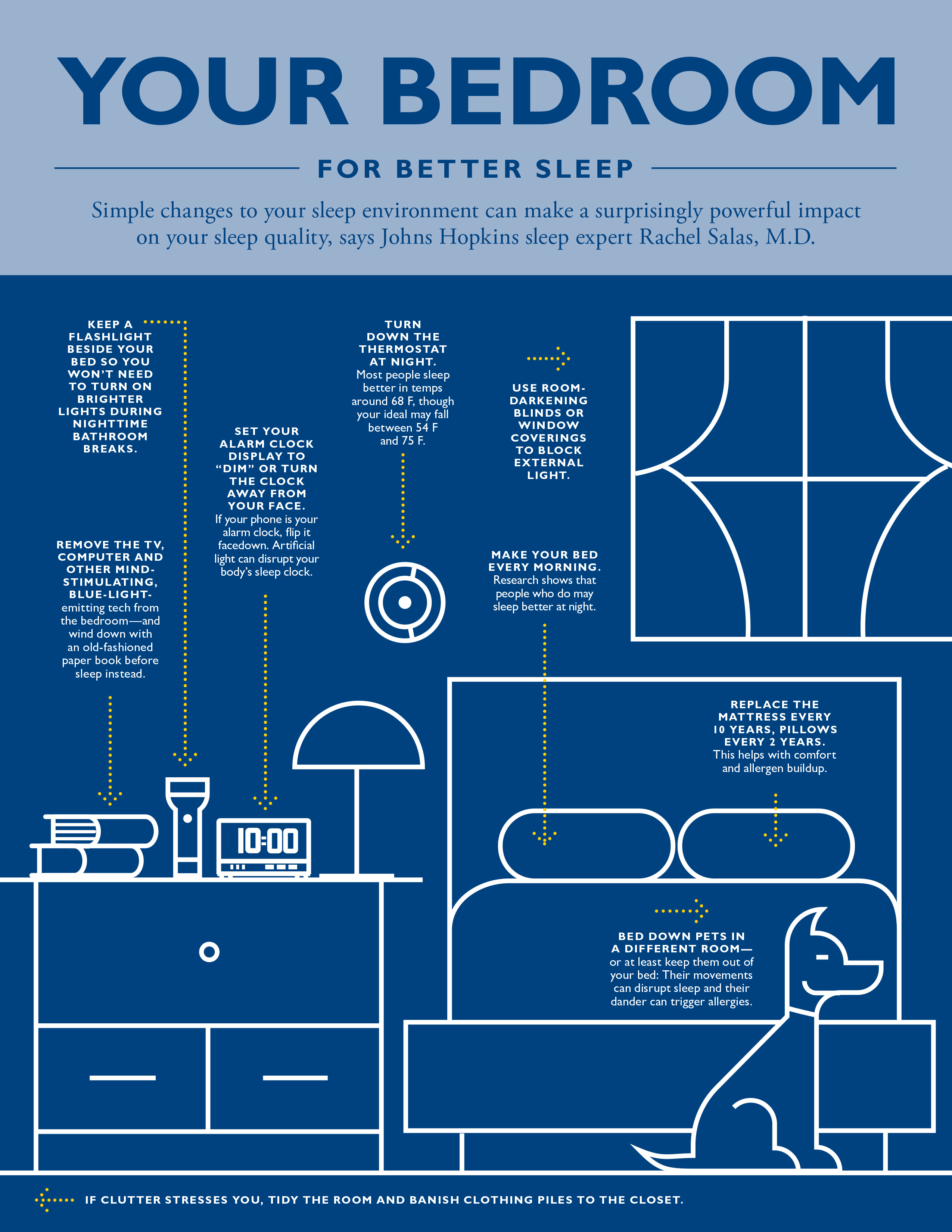
Creating a relaxing atmosphere in your bedroom helps your mind and body rest better. Your surroundings affect how quickly you fall asleep and how deep your sleep is. Soft colors, soothing scents, and simple design can all calm your senses. These small changes make a big difference in your sleep quality.
Calming Colors
Choose soft colors like light blue, pale green, or soft gray. These shades reduce stress and create peace. Avoid bright or bold colors that can cause excitement or tension. Painting your walls in calming colors helps your brain relax at night. Use bedding and curtains in matching soft tones for a cozy feel.
Aromatherapy Uses
Use scents like lavender, chamomile, or sandalwood to soothe your mind. Aromatherapy can lower anxiety and help you sleep faster. Use essential oil diffusers or scented candles with natural fragrances. Avoid strong or artificial smells that might distract or irritate. A light scent can create a gentle, peaceful environment.
Minimalist Decor
Keep your bedroom simple and clutter-free. Too many items can make the space feel busy and stressful. Use only essential furniture and decor that bring calmness. Clear surfaces and open spaces help your mind feel calm. A tidy room invites relaxation and better sleep naturally.
Organize Your Space
Organizing your bedroom creates a calm and restful space. A neat room helps your mind relax and prepares you for better sleep. Clutter can cause stress and distract your thoughts. Clear spaces feel inviting and peaceful. Start by making your bedroom simple and tidy.
Decluttering Strategies
Remove items you do not use or need. Sort through clothes, books, and personal things. Keep only what adds comfort or joy. Use three boxes: keep, donate, and trash. Be honest with yourself about what stays. Clear surfaces like dressers and nightstands. A clutter-free room feels larger and calmer.
Storage Solutions
Use smart storage to keep things out of sight. Drawers, baskets, and shelves work well. Store seasonal clothes in bins under the bed. Hooks on walls save floor space. Label boxes to find things easily. A good storage plan keeps your room clean and organized. Everything has its place, reducing mess.
Maintaining A Clean Room
Clean your bedroom regularly to keep it fresh. Dust surfaces and vacuum floors weekly. Change bedding often to improve comfort. Open windows to let fresh air in. Make your bed every morning for a tidy look. Small daily habits keep your space inviting and sleep-friendly.
Limit Electronics
Electronics in the bedroom can disturb your sleep. Screens emit light and sounds that keep your brain awake. Limiting electronics helps create a calm space for rest. This section explains why and how to reduce electronics in your bedroom.
Blue Light Impact
Blue light from phones and tablets tricks your brain. It tells your body to stay awake. This light lowers melatonin, a hormone that helps you sleep. Avoid screens at least one hour before bed. Use apps or settings that reduce blue light in the evening.
Tech-free Zones
Create areas in your home without electronic devices. Keep your bedroom a tech-free zone. This keeps your sleep space peaceful and calm. Charge your devices outside the bedroom. This stops notifications and distractions during the night.
Alternative Relaxation Activities
Replace screen time with quiet, relaxing activities. Read a book or listen to soft music. Try deep breathing or gentle stretching. These activities prepare your mind and body for sleep. They help you relax without bright lights or noise.
Frequently Asked Questions
How Does Bedroom Lighting Affect Sleep Quality?
Soft, dim lighting helps signal your body to relax. Avoid bright or blue lights before bedtime. Use blackout curtains or eye masks to block outside light. This creates a calming environment that supports better, deeper sleep.
What Temperature Is Best For A Bedroom To Sleep?
The ideal bedroom temperature for sleep is between 60-67°F (15-19°C). Cooler temperatures help lower your body’s core temperature, promoting restful sleep. Avoid overheating, which can disrupt sleep cycles and cause discomfort during the night.
How Can Noise Influence Bedroom Sleep Quality?
Noise can disrupt your sleep cycles and cause frequent awakenings. Use white noise machines or earplugs to mask disruptive sounds. A quiet room promotes uninterrupted, restorative sleep and improves overall sleep quality.
What Bedding Materials Improve Sleep Comfort?
Natural fabrics like cotton, linen, or bamboo are breathable and moisture-wicking. These materials regulate temperature and reduce night sweating. Comfortable bedding supports better sleep by keeping you cool and cozy throughout the night.
Conclusion
Creating a bedroom that helps you sleep well makes a big difference. Keep the room cool, quiet, and dark for better rest. Choose soft bedding and remove clutter to feel calm. Set a simple routine to relax before bed each night.
Small changes add up to peaceful, deep sleep. A good sleep space helps your body and mind feel fresh. Try these tips and enjoy better sleep every night.

