
As an Amazon Associate I earn from qualifying purchases.
Have you ever wondered how your eating habits might be affecting your sleep? If you’re trying intermittent fasting, you might notice changes in how well you rest at night.
Sleep quality is crucial for your energy, mood, and overall health. But can the timing of your meals really make a difference? You’ll discover the surprising connection between intermittent fasting and sleep. Keep reading to find out how adjusting when you eat could help you sleep better and feel more refreshed every day.
Quick Navigation
How Intermittent Fasting Affects Sleep
Intermittent fasting changes the way the body works during the day and night. It affects sleep by altering hormones and the body’s internal clock. Understanding these changes helps explain why fasting can improve or sometimes disrupt sleep. Sleep quality depends on many factors, and fasting influences several of them at once.
Hormonal Changes During Fasting
Fasting causes shifts in key hormones like insulin, cortisol, and melatonin. Lower insulin levels help regulate blood sugar, which can lead to more stable sleep. Cortisol, the stress hormone, may rise during fasting but usually drops before sleep. Melatonin, the sleep hormone, can increase, helping you fall asleep faster. These hormonal changes create a balance that supports better rest.
Impact On Circadian Rhythm
The circadian rhythm is the body’s natural clock, controlling sleep and wake times. Fasting can reset this clock by signaling the body to adjust meal and sleep times. Eating during daylight and fasting at night helps align the circadian rhythm. This alignment improves sleep timing and depth. Disrupted eating patterns may confuse the clock, leading to poor sleep.
Fasting And Sleep Stages
Sleep has different stages, including light, deep, and REM sleep. Fasting may increase deep sleep, which is the most restorative stage. Deep sleep helps repair the body and improve memory. Some studies show fasting reduces time spent awake during the night. Better sleep stages contribute to feeling refreshed and alert the next day.
Benefits Of Intermittent Fasting On Rest
Intermittent fasting can improve the quality of your rest significantly. This eating pattern changes how your body works during sleep. Many people notice better sleep after starting intermittent fasting. The benefits go beyond weight loss and digestion. Sleep is a key area where fasting helps the body recover and refresh.
Improved Sleep Duration
Intermittent fasting often leads to longer sleep time. Your body feels more balanced and ready to rest. Fasting helps regulate hormones that control sleep cycles. This balance allows you to fall asleep faster. Staying asleep for a longer time becomes easier. More hours of sleep support better health and energy.
Enhanced Sleep Efficiency
Sleep efficiency means how well you sleep during the night. Intermittent fasting improves this by reducing restless moments. Your body spends more time in deep, restful sleep stages. These stages are important for healing and memory. Better sleep efficiency means waking up refreshed. Your mind and body work better the next day.
Reduced Sleep Disturbances
Many people face problems like waking up at night. Intermittent fasting can lower these disturbances. It reduces inflammation and balances blood sugar levels. Stable blood sugar helps prevent night waking and sweating. Less discomfort means fewer interruptions in sleep. This leads to a more peaceful and calm night.
Potential Sleep Challenges With Fasting
Intermittent fasting can affect sleep in different ways. Some people find it hard to fall asleep or stay asleep during fasting periods. These sleep challenges can make fasting feel tougher and impact daily energy. Understanding common sleep issues helps manage them better while fasting.
Hunger And Insomnia
Hunger often grows stronger at night during fasting. This can cause discomfort and make it hard to fall asleep. The empty stomach sends signals that keep the brain alert. Hunger pangs can wake you up in the middle of the night. Skipping late meals may increase these feelings.
Energy Fluctuations
Fasting changes the body’s energy levels throughout the day. Some people feel very tired early in the fast. Others experience bursts of energy near bedtime. These ups and downs can disturb regular sleep patterns. The body adjusts slowly to new energy rhythms during fasting.
Stress And Cortisol Levels
Fasting can raise stress hormones like cortisol. High cortisol can keep the brain active at night. This makes it harder to relax and fall asleep. Stress from fasting may add to sleep trouble. Managing stress is important for better sleep quality.

Timing Your Meals For Better Sleep
Timing your meals plays a big role in how well you sleep. Eating at the right times can help your body rest better at night. It also supports your natural sleep cycle. This section shows how to set meal times for better sleep during intermittent fasting.
Choosing The Right Fasting Window
Select a fasting window that fits your daily routine. Early time-restricted feeding, like eating from 8 a.m. to 4 p.m., often improves sleep. It aligns with your body’s natural clock. Avoid very late eating periods that can disrupt rest. Consistency in meal timing helps your body prepare for sleep.
Avoiding Late-night Eating
Eating late at night can disturb your sleep quality. It may cause acid reflux or discomfort. Your body also works on digestion instead of resting. Stop eating at least two to three hours before bedtime. This pause helps your body relax and prepare for deep sleep. Late-night snacks can make falling asleep harder.
Meal Composition And Sleep Quality
What you eat affects how well you sleep. Meals rich in protein and healthy fats keep you full longer. Avoid heavy, spicy, or sugary foods close to bedtime. These can cause restlessness or energy spikes. Include foods with magnesium or tryptophan, which support sleep. Balanced meals during eating periods improve overall rest.
Tips To Maximize Sleep While Fasting
Maximizing sleep quality during intermittent fasting can improve overall health and energy. Sleep supports the body’s repair and helps maintain good mood. Fasting may change your usual sleep patterns. Using simple tips can help your body adjust and rest well.
Establishing A Sleep Routine
Go to bed and wake up at the same time every day. This helps your body know when to rest. Avoid sleeping in on weekends. Keep your bedroom cool and dark. Use comfortable bedding. A quiet room supports deeper sleep. Avoid screens at least one hour before bed. The blue light can disturb your sleep cycle.
Managing Caffeine And Hydration
Limit caffeine intake in the afternoon and evening. Caffeine stays in your system for hours. Drink enough water during your eating window. Staying hydrated helps the body function well. Avoid drinking large amounts of water close to bedtime. This can cause frequent bathroom trips and disrupt sleep.
Incorporating Relaxation Techniques
Try deep breathing exercises before bed. This lowers stress and calms the mind. Gentle stretching or yoga can release muscle tension. Listening to soft music or white noise may help block distractions. Avoid intense exercise right before sleeping. It can raise your energy and make falling asleep harder.

Who Should Be Cautious With Intermittent Fasting
Intermittent fasting can improve health for many people. Yet, some should be careful before starting. Fasting affects the body’s energy and sleep patterns. Certain groups might face risks or discomfort during fasting. Understanding who needs caution helps avoid problems. Sleep quality may change, so knowing the risks is important.
Sleep Disorders And Fasting
People with sleep disorders should be cautious with fasting. Conditions like insomnia or sleep apnea affect rest. Fasting can change hormone levels that control sleep. This might worsen sleep problems or cause new ones. Careful monitoring is necessary to keep good sleep quality. Interrupting regular eating times may disrupt the sleep cycle.
Medical Conditions To Consider
Certain medical conditions need special attention before fasting. Diabetes, low blood pressure, or heart issues are examples. Fasting can change blood sugar and energy levels. These shifts may cause harm or discomfort. Pregnant or breastfeeding women should avoid fasting. The body needs steady nutrition to support health during these times.
Consulting Healthcare Professionals
Talking to a healthcare professional is important before fasting. Doctors can assess health risks and give advice. They may suggest tests or monitor progress during fasting. A tailored plan can improve safety and results. Professional guidance helps avoid negative effects on sleep and health.
Frequently Asked Questions
Does Intermittent Fasting Improve Sleep Quality?
Intermittent fasting may enhance sleep by regulating circadian rhythms. It promotes better hormone balance, reducing sleep disturbances and improving overall sleep quality.
How Does Fasting Affect Melatonin Production?
Fasting can boost melatonin levels by aligning eating patterns with natural light cycles. This supports deeper, more restful sleep during fasting periods.
Can Intermittent Fasting Cause Sleep Problems?
Some people may experience initial sleep disruptions during fasting adaptation. These usually resolve as the body adjusts to new eating schedules.
What Is The Best Fasting Window For Better Sleep?
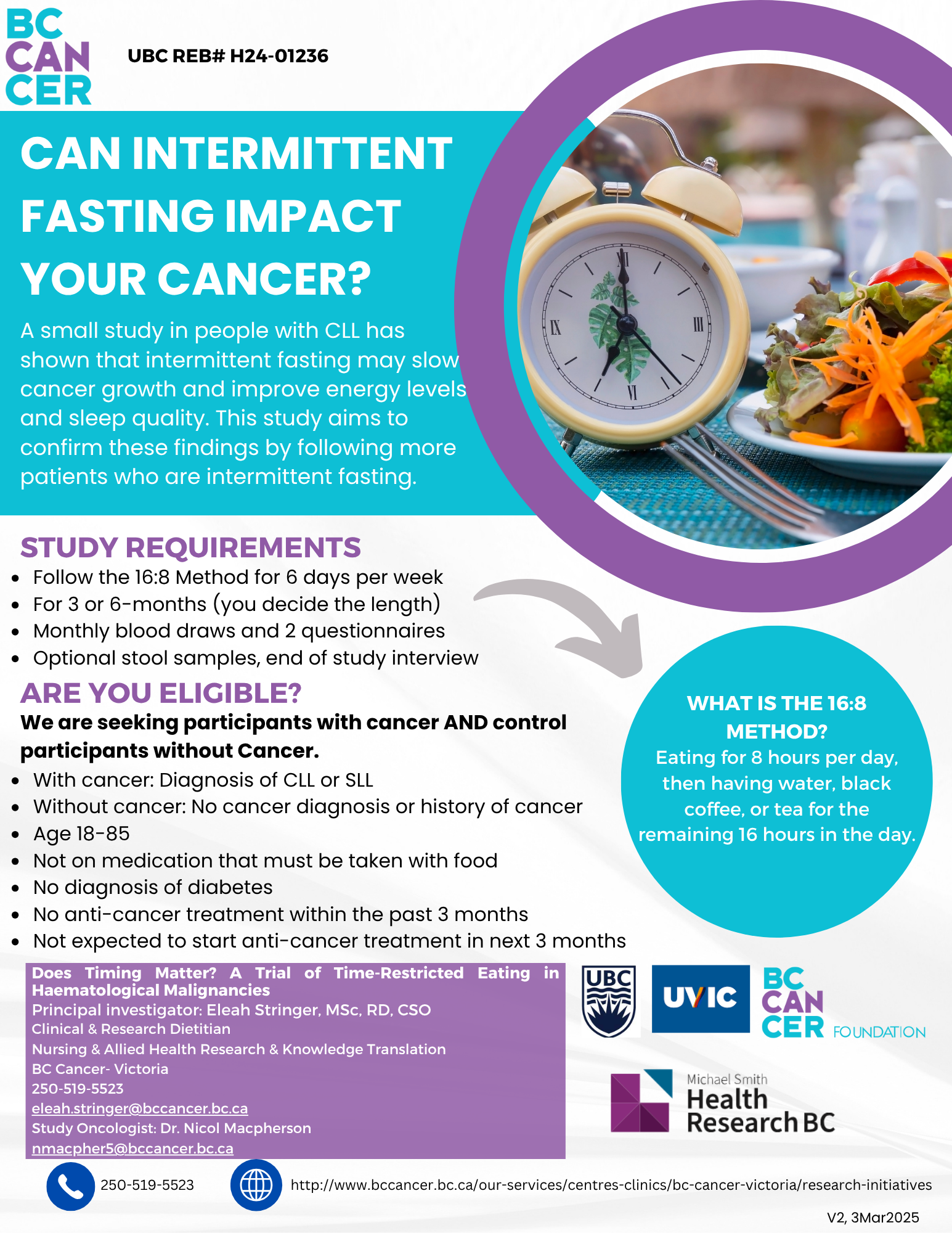
Eating earlier in the day, such as 16:8 fasting ending by early evening, supports natural sleep cycles and enhances sleep quality.
Conclusion
Intermittent fasting can help improve your sleep in many ways. It may regulate your body clock and reduce nighttime hunger. Better sleep can boost your energy and mood during the day. Remember, everyone’s body reacts differently to fasting. Pay attention to how you feel and adjust your routine.
Good sleep and healthy eating go hand in hand. Try to find a balance that works best for you. Sleep well, eat well, and feel better every day. Simple steps lead to long-term health.