
Have you ever wondered if your late-night workouts are messing with your sleep? You’re not alone.
Many people ask whether exercising at night can keep them tossing and turning or if it actually helps them rest better. The truth might surprise you. You’ll discover how nighttime exercise really affects your sleep and what you can do to make sure your workouts help rather than harm your rest.
Keep reading—you’ll find simple tips to improve your sleep without giving up your evening exercise routine.
Quick Navigation
Effects Of Night Exercise On Sleep Quality
Exercising at night can change how well you sleep. It affects different parts of your sleep cycle. Some people find it helps them rest, while others notice problems falling asleep. Understanding these effects helps you decide the best time to work out.
Many factors play a role, such as exercise type and how close it is to bedtime. Let’s explore how night exercise impacts sleep quality in detail.
Impact On Sleep Onset And Duration
Exercise raises your heart rate and body temperature. This can make it harder to fall asleep quickly. Some people take longer to start sleeping after late workouts. The time you spend sleeping might also become shorter. Yet, others fall asleep faster and sleep longer after exercise. The effects vary from person to person.
Influence On Sleep Stages
Sleep has different stages, including deep and REM sleep. Night exercise can affect these stages. It may increase deep sleep, which helps body recovery. REM sleep, important for memory, might reduce after late workouts. Changes in sleep stages can affect how rested you feel the next day.
Variations By Exercise Intensity
Light or moderate exercise usually improves sleep quality. It helps you relax and fall asleep easier. Intense workouts close to bedtime may cause sleep problems. High intensity raises adrenaline, which keeps you awake. Choosing the right intensity for night exercise is key for good sleep.
:max_bytes(150000):strip_icc()/Dotdash-VWFit-dos-and-donts-for-the-midnight-exerciser-1229781-9535b8525ace4c7ead9d00af9bea9d72.jpg)
Body’s Response To Evening Workouts
Exercising at night changes how your body works before sleep. Your body reacts differently to evening workouts than to morning or afternoon sessions. These changes affect your hormones, body temperature, and nervous system. Understanding these responses helps you know if night exercise is good or bad for sleep.
Hormonal Changes After Exercise
Physical activity triggers the release of hormones like adrenaline and cortisol. These hormones make you feel alert and awake. After night workouts, their levels can stay high for some time. This may delay your ability to fall asleep quickly. On the other hand, exercise also raises endorphins, which reduce stress and improve mood. The balance of these hormones influences your sleep quality.
Core Body Temperature And Sleep
Exercise raises your core body temperature. Normally, your body cools down before sleep to help you rest. Evening workouts can keep your body temperature elevated longer. This delay in cooling can make it harder to fall asleep. The timing and intensity of exercise affect how much your temperature rises. Light to moderate workouts may not impact sleep as much as intense sessions.
Role Of The Nervous System
Exercise activates the nervous system, especially the sympathetic part. This system is responsible for the “fight or flight” response. Night workouts can keep this system active, making relaxation difficult. Your heart rate and brain activity remain high after exercise. This heightened state can interfere with the natural winding down process needed for sleep.
Benefits Of Exercising At Night
Exercising at night offers many benefits for both body and mind. It can fit well into busy schedules and help improve overall well-being. Night workouts may help reduce stress and boost mood after a long day. This makes exercising in the evening a good choice for many people.
Understanding these benefits can help decide the best time to work out for better sleep and health.
Stress Reduction And Relaxation
Exercise helps lower stress hormones like cortisol. It also releases endorphins, natural mood lifters. Moving your body at night can calm your mind. It promotes relaxation, making it easier to unwind. This effect can prepare you for restful sleep.
Improved Mood And Mental Health
Night workouts boost serotonin and dopamine levels. These chemicals improve mood and reduce feelings of anxiety. Exercise helps clear your mind after a stressful day. It creates a sense of accomplishment and positivity. This can improve your mental health over time.
Flexibility In Scheduling
Evening exercise fits well with many daily routines. It allows more time for workouts without rushing. Night sessions can be longer and more focused. This flexibility helps maintain a regular exercise habit. It supports consistent physical activity for better health.
Potential Drawbacks Of Late Workouts
Exercising late at night can affect your sleep in several ways. Not everyone reacts the same to late workouts. Some people may find it harder to relax and fall asleep after exercising. Understanding these possible drawbacks helps you choose the best time for your workouts.
Difficulty Falling Asleep
Physical activity raises your heart rate and body temperature. These changes can make it tough to fall asleep quickly. Your body may stay alert longer than usual. This delay can reduce total sleep time and restfulness.
Increased Alertness And Energy
Exercise releases hormones like adrenaline and cortisol. These hormones increase alertness and energy levels. At night, this boost can keep your mind active. It may stop you from feeling sleepy at bedtime.
Possible Sleep Disruptions
Late workouts might cause frequent waking during the night. Your body may struggle to enter deep sleep stages. This leads to less restorative sleep. Poor sleep quality can affect mood and daily energy.
Tips For Night Exercisers
Exercising at night can affect your sleep in different ways. Some people find it helps them relax. Others feel too energized to fall asleep. Following simple tips can improve your night workout routine. These tips help you stay active without losing sleep.
Choosing The Right Workout Type
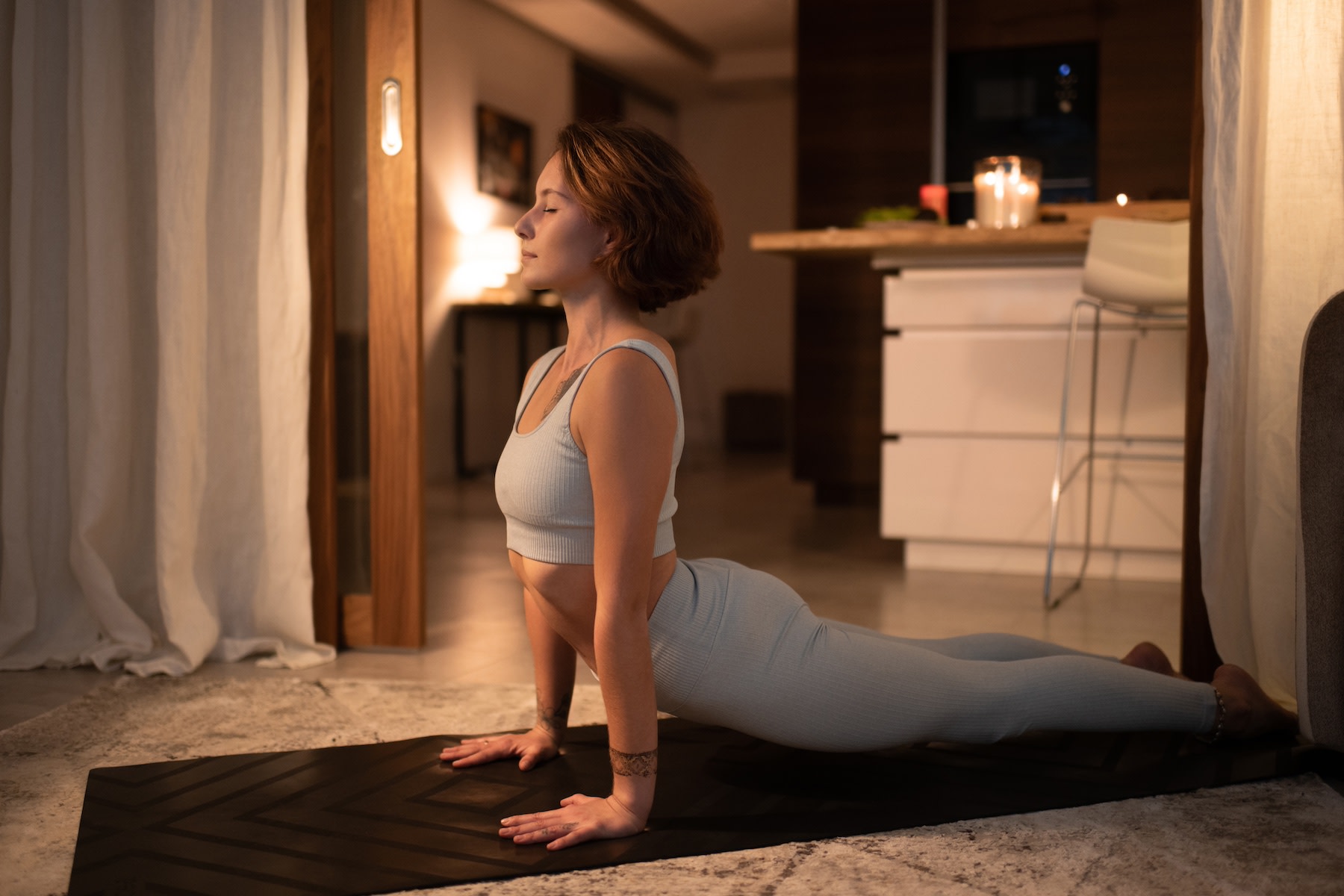
Pick exercises that do not raise your heart rate too much. Light yoga, stretching, or walking work well. Avoid intense cardio or heavy weight lifting late at night. These activities can increase alertness and make falling asleep harder.
Optimal Timing Before Bed
Finish your workout at least one hour before bedtime. This gap helps your body cool down and relax. Exercising too close to sleep can keep your brain awake. Plan your routine to give your body time to rest.
Post-exercise Relaxation Techniques
After exercise, try deep breathing or meditation. These calm your mind and reduce muscle tension. A warm shower can also help you unwind. Avoid screens and bright lights to prepare your body for sleep.
Individual Differences And Sleep Patterns
Exercise affects sleep differently for each person. Understanding individual differences helps explain why night workouts suit some but disrupt others. Sleep patterns, age, fitness level, and natural body rhythms all play a role. Discovering how these factors interact can improve your exercise and sleep routine.
Chronotypes And Exercise Timing
Chronotypes are natural preferences for being active at certain times. Some people are morning types, others are night owls. Night owls may find exercising late helps their energy without hurting sleep. Morning types might struggle to fall asleep after late workouts. Knowing your chronotype guides the best exercise times for you.
Age And Fitness Level Considerations
Age changes how exercise affects sleep. Younger people often recover faster and handle late workouts well. Older adults may feel more awake after night exercise, which can delay sleep. Fitness level also matters. Fit individuals may find night exercise less disruptive. Beginners might need to avoid intense workouts close to bedtime.
Personal Sleep Needs
Everyone needs different amounts of sleep. Some require 7 hours, others need 9. Exercise timing should support your sleep needs. If night exercise cuts sleep short, try earlier sessions. Pay attention to how your body reacts. Adjust workout times to protect your rest and recovery.
Frequently Asked Questions
Does Exercising At Night Affect Sleep Quality?
Exercising at night can affect sleep quality for some people. Intense workouts may raise heart rate and body temperature, making it hard to fall asleep. However, light to moderate exercise often improves sleep. Individual responses vary, so listen to your body’s signals.
How Long Before Bed Should I Stop Exercising?
It’s best to stop exercising at least 1-2 hours before bedtime. This allows your body to cool down and your heart rate to normalize. Ending workouts earlier helps promote relaxation and better sleep quality. Timing depends on workout intensity and personal tolerance.
Can Night Workouts Improve Sleep For Some People?
Yes, night workouts can improve sleep for some. Exercise releases endorphins and reduces stress, which aids sleep. For those who prefer evening exercise, it can enhance overall rest if done moderately. Consistency and personal comfort are key to benefits.
What Types Of Exercises Are Best At Night?
Light to moderate exercises like yoga, stretching, or walking are best at night. These activities promote relaxation without overstimulation. Avoid high-intensity workouts close to bedtime to prevent sleep disruption. Choose calming routines to prepare your body for rest.
Conclusion
Exercising at night does not always harm sleep quality. Many people sleep well after evening workouts. Some may feel energized and find it hard to relax. It depends on your body and routine. Try different times to see what works best.
Good sleep is important for health and energy. Keep a steady bedtime and avoid heavy exercise right before bed. Listen to your body’s signals. Night exercise can fit well into your lifestyle with small adjustments. Sleep well, stay active, and feel your best.

