
Have you ever wondered if sleeping in multiple short bursts throughout the day could be better for your health than the usual long night’s rest? Polyphasic sleep promises more waking hours and increased productivity, but is it truly good for your body and mind?
If you’re curious about whether this unusual sleep pattern can boost your energy or if it might actually harm your well-being, keep reading. This article will help you understand the facts behind polyphasic sleep and how it could affect your health.
Don’t make a decision about your sleep routine before you know the truth.
Quick Navigation
What Is Polyphasic Sleep
Polyphasic sleep is a sleep pattern that breaks total sleep into multiple sessions. Instead of sleeping once for a long time, people sleep several times in a day. This method aims to reduce total sleep hours while keeping the body rested. It challenges the usual monophasic sleep, which means one long sleep period at night. Polyphasic sleep can vary widely depending on how many sleep sessions and their lengths.
Types Of Polyphasic Sleep
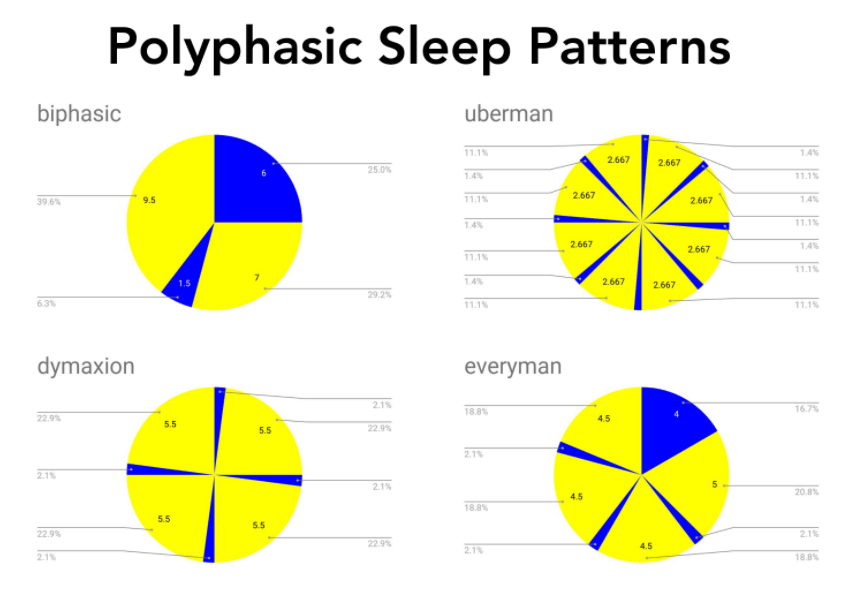
There are several types of polyphasic sleep. The most popular include the Everyman, Uberman, and Dymaxion schedules. Everyman usually has one core sleep of 3-4 hours and 2-3 short naps. Uberman involves six to eight 20-minute naps spread evenly across 24 hours. Dymaxion is the most extreme, with four 30-minute naps every six hours. Each type changes how much total sleep a person gets and how it is split.
Historical Context
Polyphasic sleep has roots in history and nature. Some famous people like Leonardo da Vinci and Nikola Tesla reportedly followed polyphasic sleep. Before modern lighting, humans might have naturally slept in segments. Many animals and some hunter-gatherer societies also sleep polyphasically. This shows the pattern is not new but shaped by lifestyle and environment.

Potential Benefits
Polyphasic sleep involves dividing sleep into multiple short periods throughout the day. This style of sleep may offer some benefits for certain people. These benefits often attract those wanting more hours of wakefulness or better focus. Understanding these potential advantages helps decide if polyphasic sleep fits a lifestyle.
Increased Wakeful Hours
Polyphasic sleep can increase total awake time. By breaking sleep into smaller chunks, some individuals report feeling rested with fewer total sleep hours. This can add extra hours to the day for work or hobbies. The idea is to reduce sleep without feeling tired. Some people use this method to gain more productive time daily.
Improved Productivity Claims
Some users say polyphasic sleep boosts their focus and efficiency. Short, frequent naps may help refresh the mind repeatedly. This can prevent long periods of tiredness. People who try this sleep pattern often report sharper concentration. It may also help maintain energy levels better than one long sleep period.
Health Risks And Concerns
Polyphasic sleep involves splitting sleep into multiple shorter sessions. This pattern may cause several health risks and concerns. Understanding these risks helps decide if this sleep style fits your lifestyle.
Impact On Cognitive Function
Polyphasic sleep can reduce total sleep quality. The brain needs deep sleep to rest and repair. Less deep sleep may cause memory problems. Concentration and decision-making skills often decline. People may feel more tired and less alert. These effects can harm work and daily tasks.
Effects On Physical Health
Short and interrupted sleep harms the body’s repair processes. The immune system weakens, increasing illness risk. Hormone levels may become unbalanced. This can affect metabolism and weight. Muscle recovery slows, leading to fatigue. Long-term sleep disruption can raise heart disease risk.
Scientific Research Findings
Scientific research on polyphasic sleep shows mixed results. Some studies find benefits, while others warn about risks. Understanding these findings helps us see the effects of this sleep pattern on health.
Studies Supporting Polyphasic Sleep
Some research suggests polyphasic sleep can improve alertness in short-term use. Studies on sailors and military personnel show they maintain performance with segmented sleep. Naps help reduce sleepiness and boost cognitive functions. These findings hint at polyphasic sleep’s potential in specific situations.
Studies Highlighting Dangers
Other studies reveal health risks linked to polyphasic sleep. Lack of continuous sleep may harm memory and learning. Poor sleep quality can weaken the immune system and increase stress. Long-term use might lead to chronic fatigue and mood problems. These risks raise concerns about polyphasic sleep’s safety for most people.
Expert Opinions
Experts have varied opinions on polyphasic sleep and its health effects. Understanding their views helps clarify the risks and benefits. These insights come from specialists who study sleep patterns and brain health. Their knowledge guides safe sleep habits for most people.
Sleep Specialists’ Views
Sleep specialists often warn against polyphasic sleep. They say it can disrupt the natural sleep cycle. Our bodies need long, continuous sleep for deep rest. Short, frequent naps may not provide enough deep sleep. This can lead to tiredness and poor focus. Specialists stress that regular sleep supports memory and mood. They advise most people to follow a monophasic sleep pattern.
Neurologists’ Perspectives
Neurologists study how sleep affects the brain. They note that polyphasic sleep can interfere with brain functions. Sleep helps clear toxins and supports nerve repair. Fragmented sleep might reduce these benefits. Some neurologists warn about risks like cognitive decline. They suggest further research before recommending polyphasic sleep. Brain health depends on consistent and quality sleep.
Who Might Benefit
Polyphasic sleep is not for everyone. Some people may find it helpful depending on their lifestyle and work demands. It involves breaking sleep into multiple short periods throughout the day and night. This can suit certain routines better than the traditional long sleep at night.
Understanding who might benefit helps decide if this sleep pattern fits your life. People with unusual schedules or high demands on their time often explore polyphasic sleep. It can offer more waking hours and better rest in some cases.
Shift Workers And Polyphasic Sleep
Shift workers face challenges with regular sleep times. Their work hours often change or happen overnight. Polyphasic sleep allows them to rest in smaller chunks. This can help manage tiredness and improve alertness.
Short naps during breaks support energy and focus. Splitting sleep periods helps adjust to irregular shifts. It reduces the risk of sleep deprivation effects. Many shift workers find this pattern more flexible for their needs.
Extreme Schedules And Adaptation
People with extreme schedules, like students or emergency responders, may try polyphasic sleep. It offers more time awake for work or study. The body adapts by entering deep sleep faster during naps.
This adaptation can improve overall sleep quality in less time. It helps maintain performance when full nights of sleep are not possible. The key is consistent timing and listening to the body’s signals.
Tips For Trying Polyphasic Sleep
Trying polyphasic sleep requires careful planning and patience. It is not easy to change your sleep pattern suddenly. Your body needs time to adjust to new sleep schedules. Following some tips can help you make this transition smoother and safer.
These tips focus on protecting your health and improving sleep quality. They also help you avoid feeling very tired or stressed during the change.
Gradual Transition Strategies
Start by shifting your sleep time little by little. Change your schedule by 15 to 30 minutes every few days. This slow change helps your body get used to the new rhythm. Avoid big jumps in your sleep time. They can cause strong tiredness and confusion.
Create a fixed schedule for naps and main sleep. Stick to it strictly, even on weekends. Consistency helps your body adapt faster. Also, reduce caffeine and screen time before sleep to improve rest. These habits support better sleep quality during the transition.
Monitoring Sleep Quality
Keep track of how you feel during the day. Note any signs of tiredness, mood changes, or focus problems. Use a sleep diary or app to record your sleep times and naps. This data helps you see if your sleep schedule works well.
Pay attention to how deep and restful your sleep is. If you feel very tired or sleepy often, adjust your schedule. Make sure your total sleep time is enough for your body’s needs. Don’t ignore signs of poor sleep quality. Good sleep is key to health and well-being.
Common Myths Debunked
Polyphasic sleep has gained attention for its unique approach to rest. Many people have questions about its health effects. Several myths confuse the real facts. Clearing up these myths helps understand polyphasic sleep better.
Many believe polyphasic sleep is risky or impossible to follow. These ideas often come from misunderstandings. Let’s debunk common myths and reveal the truth.
Myth: Less Sleep Is Always Better
Some think sleeping less means more time for activities. This is not true for everyone. Sleep needs vary by person, but all need enough rest. Cutting sleep too short harms brain and body health. Polyphasic sleep does not mean less total sleep. It splits sleep into parts but aims for enough hours overall.
Myth: Everyone Can Adapt Easily
Many believe anyone can switch to polyphasic sleep quickly. This idea ignores how the body works. Adjusting sleep patterns takes time and effort. Some people feel tired or stressed during adaptation. Not all bodies handle fragmented sleep well. Success depends on individual health, lifestyle, and consistency. Patience is key for those trying polyphasic sleep.
Frequently Asked Questions
What Is Polyphasic Sleep And How Does It Work?
Polyphasic sleep involves dividing sleep into multiple short naps throughout 24 hours. It contrasts with monophasic sleep, which has one long sleep. This pattern aims to reduce total sleep time while maintaining alertness and cognitive function. However, it requires strict scheduling and adaptation.
Is Polyphasic Sleep Healthy For Most People?
Polyphasic sleep may not be healthy for everyone. It can disrupt natural circadian rhythms and reduce deep sleep stages. While some adapt well, many experience fatigue and cognitive decline. Medical advice is recommended before adopting this sleep pattern.
What Are The Potential Benefits Of Polyphasic Sleep?
Polyphasic sleep can increase waking hours and productivity. It may help people with irregular schedules or shift work. Some report improved focus during naps. Benefits depend on individual adaptation and maintaining consistent sleep cycles.
What Are The Risks Of Polyphasic Sleep Patterns?
Risks include sleep deprivation, impaired memory, and weakened immunity. Irregular sleep may cause mood swings and reduced alertness. Long-term effects are not well studied, so caution is essential when trying polyphasic sleep.
Conclusion
Polyphasic sleep has both pros and cons for health. Some people feel more awake with short naps. Others may find it hard to focus or feel tired. Our bodies usually like regular, long sleep at night. Changing sleep patterns can affect mood and memory.
It’s important to listen to your body’s signals. Try small changes before switching fully. Sleep well, and stay healthy.

