
Have you ever wondered if sleeping on the floor could actually be better for your body? It might sound strange, but many people claim it helps improve their posture, reduces back pain, and even boosts overall sleep quality.
What if a simple change like this could make a big difference in how you feel every day? Keep reading to discover the surprising benefits and potential downsides of floor sleeping—so you can decide if it’s the right choice for your health and comfort.
Quick Navigation
Benefits Of Floor Sleeping
Sleeping on the floor may offer several health benefits for your body. It can help you feel more grounded and connected to your natural posture. Many people find that floor sleeping improves their overall comfort and rest.
Choosing the floor over a soft mattress can support your body in different ways. It encourages better alignment and reduces strain on muscles and joints.
Improved Spinal Alignment
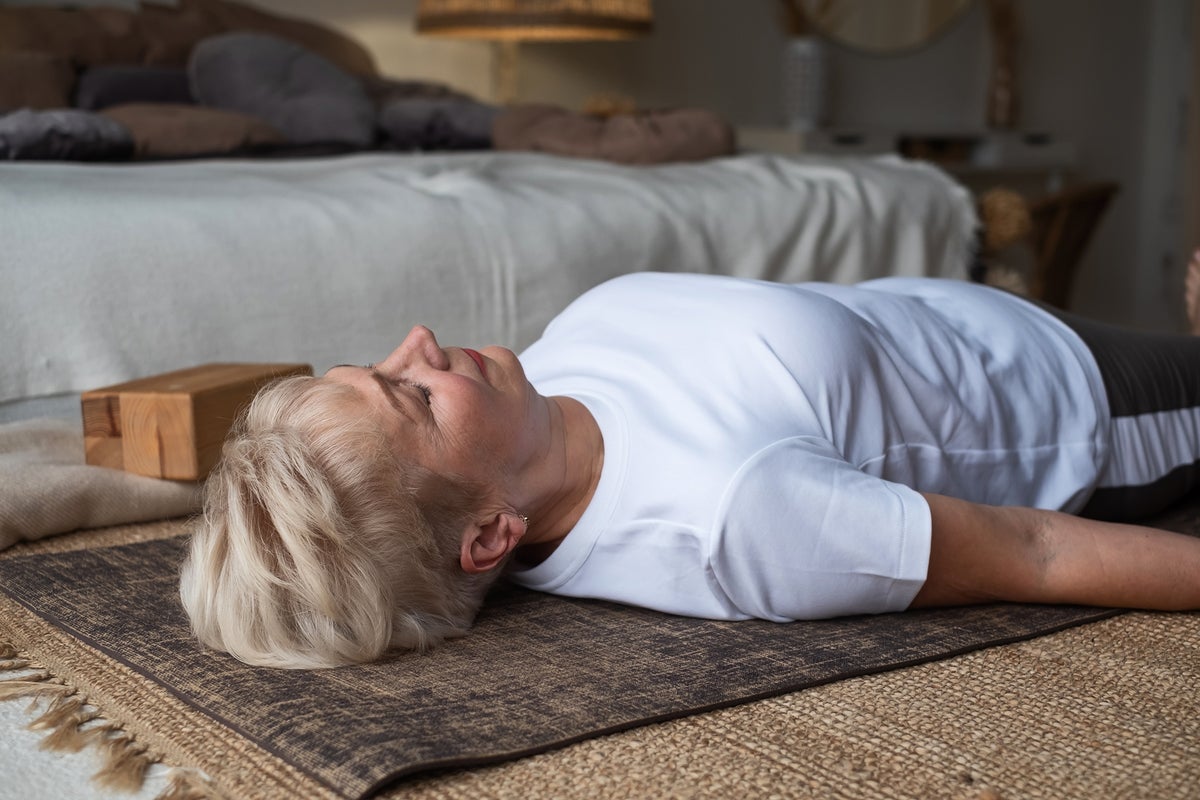
The firm surface of the floor supports a neutral spine position. This helps keep your head, neck, and back in a straight line. Proper spinal alignment reduces stress on your vertebrae. It may prevent slouching or awkward positions during sleep.
Enhanced Blood Circulation
Sleeping on the floor can improve blood flow throughout your body. A flat surface allows your body to rest evenly. This reduces pressure points that block circulation. Better blood flow means faster healing and less stiffness.
Reduced Back And Neck Pain
Many people report less back and neck pain after switching to floor sleeping. The firm base supports the muscles and joints properly. It prevents unnatural bending and twisting during sleep. This relief helps you wake up feeling refreshed and pain-free.
Potential Drawbacks
Sleeping on the floor has some benefits, but it also has drawbacks. These potential problems may affect your comfort and health. Understanding these issues helps you decide if this habit suits you.
Initial Discomfort And Adjustment
Your body might feel sore at first. Muscles and joints need time to adapt. Sleeping on a hard surface can cause stiffness. Expect some discomfort during the first few nights. Patience is key to adjust properly.
Unsuitability For Certain Conditions
People with back pain or arthritis may struggle. Floor sleeping can worsen some health problems. It might not support proper spinal alignment for all. Consult a doctor before changing your sleep surface. Safety should come before trying new habits.
Cold And Hard Surface Concerns
The floor can feel cold, especially in winter. Cold surfaces reduce sleep quality and cause chills. Hard floors offer no cushioning for pressure points. This can lead to pain in hips or shoulders. Using mats or blankets can help reduce these issues.
How Floor Sleeping Affects Sleep Quality
Sleeping on the floor changes how your body rests at night. It can affect your sleep quality in several ways. Some people find it harder to sleep, while others feel better. Understanding these effects helps you decide if floor sleeping suits you.
Impact On Sleep Duration
Sleeping on a hard surface may shorten sleep time at first. Your body needs time to adjust to the firmness. Some find themselves waking up more during the night. Over time, sleep duration might improve as comfort increases.
Effects On Sleep Depth
Floor sleeping can influence how deeply you sleep. A firm surface supports proper spine alignment, which helps deep sleep. Discomfort or pain may reduce sleep depth early on. Quality deep sleep is essential for body repair and energy.
Influence On Restfulness
Restfulness depends on how well your body relaxes. A firm floor can reduce tossing and turning for some people. Others might feel stiffness or aches that disturb rest. Good rest leaves you refreshed and ready for the day.
Tips For Transitioning To Floor Sleeping
Switching to floor sleeping can feel strange at first. The body needs time to adjust to a new surface. Taking small steps helps avoid discomfort and improves sleep quality. These tips guide you through a smooth change.
Choosing The Right Bedding
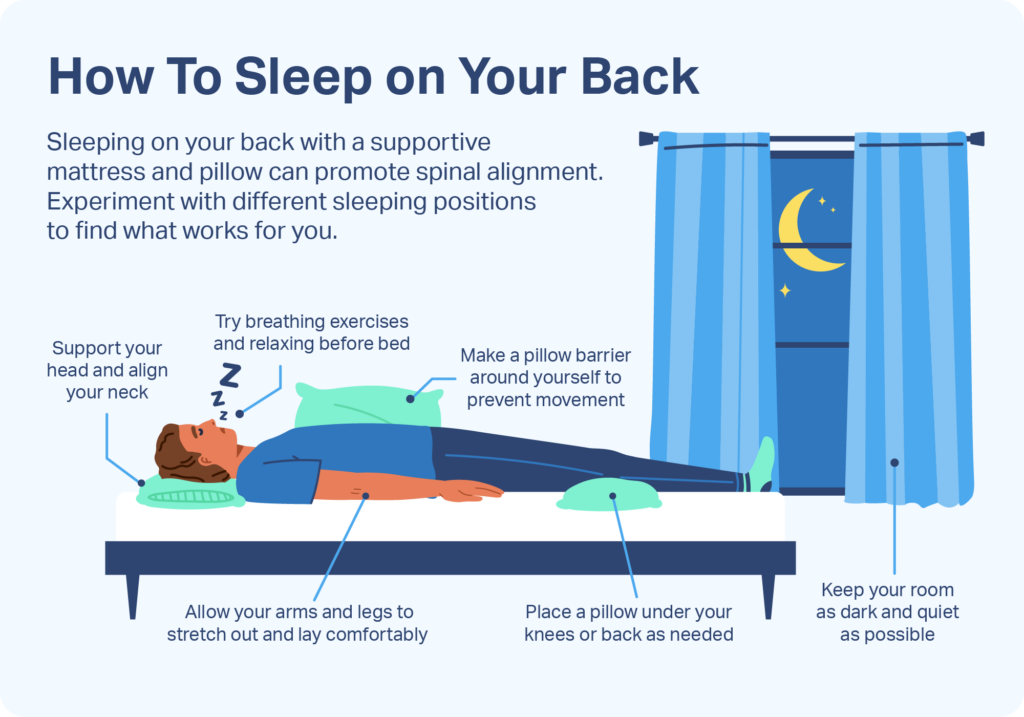
Select soft mats or thin mattresses for comfort. Use natural materials like cotton or wool to keep cool. Avoid thick or heavy bedding that traps heat. A firm surface supports your spine better than a soft bed. Add a pillow under your head for neck support.
Positioning For Comfort
Lie flat on your back or side for best support. Avoid sleeping on your stomach to reduce neck strain. Keep your legs slightly bent to ease lower back pressure. Use a small cushion under your knees if needed. Change positions gently to find what feels best.
Gradual Adaptation Techniques
Start with short naps on the floor to get used to it. Increase floor sleeping time by a few minutes each day. Combine floor sleep with your regular bed at first. Listen to your body and stop if pain occurs. Patience helps your muscles and joints adjust well.
Who Should Avoid Sleeping On The Floor
Sleeping on the floor is not suitable for everyone. Some people may feel pain or discomfort. Certain health issues make floor sleeping risky. It is important to know who should avoid it. Here are some groups that might want to skip this practice.
People With Joint Issues
Floor sleeping can put pressure on joints. People with arthritis or joint pain may suffer more. The hard surface does not cushion the body. This can cause stiffness and increase discomfort. Soft beds help reduce joint stress better.
Elderly Individuals
Older adults often have weaker bones and muscles. Getting up from the floor can be hard and unsafe. Falling risks increase without support or cushioning. A firm mattress with proper height is safer. Floor sleeping may lead to injuries in elderly.
Those With Allergies Or Respiratory Problems
Floors often collect dust, dirt, and allergens. People with asthma or allergies may have flare-ups. Breathing problems can get worse near the floor. A raised bed keeps allergens away from breathing zones. Clean bedding on a mattress is better for health.

Frequently Asked Questions
Does Sleeping On The Floor Improve Posture?
Sleeping on the floor can promote better posture by encouraging spinal alignment. It prevents sinking into soft mattresses, which can cause poor posture. However, comfort varies, and some may need time to adjust. Consistent practice can help strengthen back muscles and improve overall posture.
Is Floor Sleeping Good For Back Pain Relief?
Floor sleeping may relieve back pain by providing firm support and reducing pressure points. It helps keep the spine neutral and aligned. However, it is not suitable for everyone, especially those with existing joint issues. Consulting a healthcare professional is recommended before making the switch.
What Are The Health Risks Of Sleeping On The Floor?
Sleeping on the floor can cause discomfort, stiffness, or worsen joint pain if not done properly. It may also expose sleepers to cold, dust, or allergens. People with certain medical conditions should avoid it. Proper hygiene and gradual adaptation reduce potential health risks.
How Does Floor Sleeping Affect Sleep Quality?
Floor sleeping can improve sleep quality by promoting spinal alignment and reducing overheating. However, initial discomfort may disrupt sleep for some. Over time, many experience deeper rest and less tossing. Personal preference and body type largely influence sleep quality on the floor.
Conclusion
Sleeping on the floor may help improve posture and reduce back pain. It offers firmer support than many soft mattresses. Some people find it cooler and more comfortable. Yet, it is not perfect for everyone. Personal comfort and health needs matter most.
Trying it for a few nights can show if it suits you. Listen to your body’s signals. Choose what feels best for your rest and well-being. Good sleep matters above all.

