
Have you ever wondered if sleeping too much could actually harm your health? You might think that more sleep always means more rest and better recovery.
But what if getting extra hours in bed is doing more harm than good? Understanding how your body reacts to too much sleep can help you feel more energized and avoid hidden risks. Keep reading to discover why too much sleep might not be as harmless as you think—and how to find the right balance for your best self.
Quick Navigation
How Much Sleep Is Ideal
Sleep is vital for good health. But how much sleep is enough? The ideal amount varies by age and lifestyle. Knowing the right duration helps your body rest and repair well. Too little sleep harms your mind and body. Too much sleep can also cause problems.
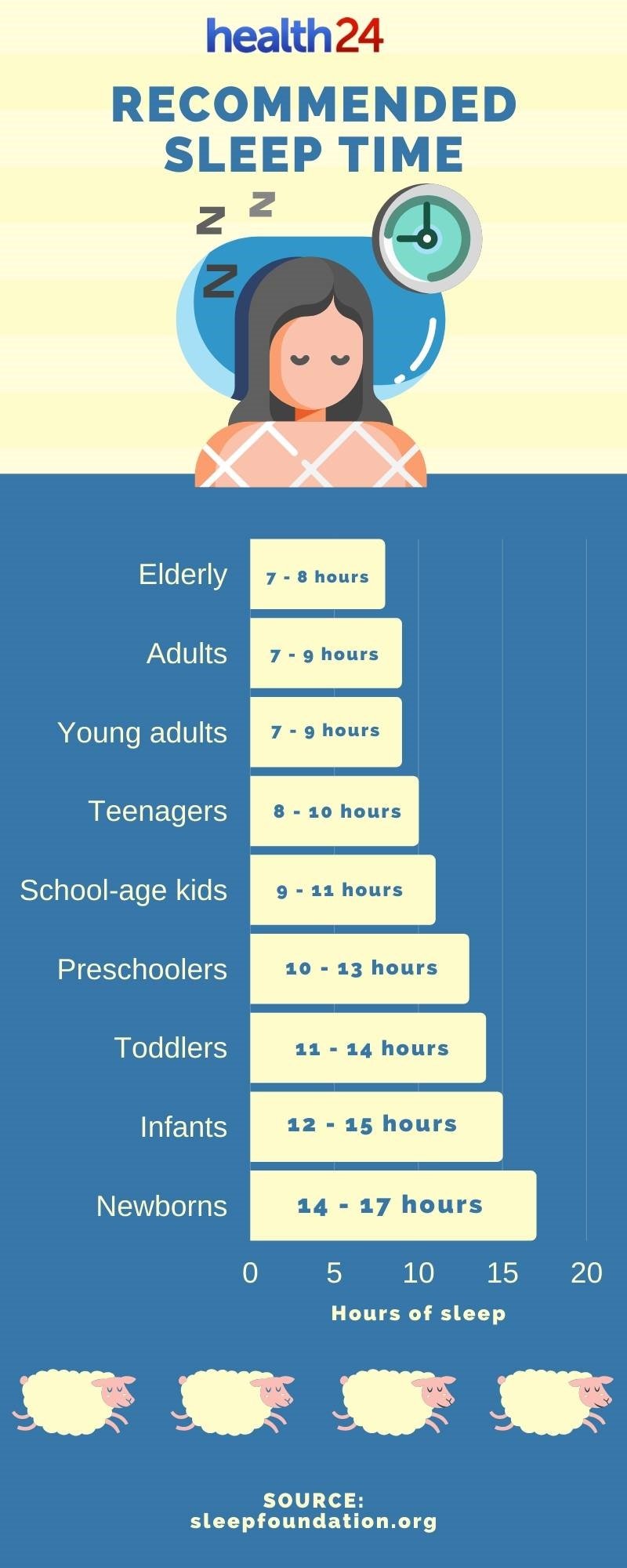
Recommended Sleep Duration By Age
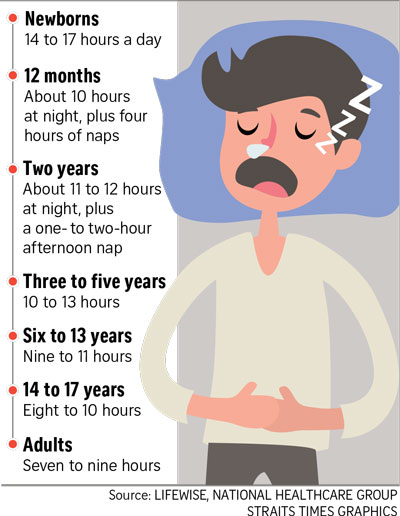
Babies need the most sleep, about 14 to 17 hours daily. Toddlers require 11 to 14 hours to grow strong. School-age children should get 9 to 12 hours. Teens need 8 to 10 hours for energy and focus. Adults usually do well with 7 to 9 hours. Older adults may need slightly less, around 7 to 8 hours.
Sleep needs differ because the body changes with age. The brain and body repair themselves during sleep. Following these guidelines supports better health and mood.
Signs Of Adequate Rest
How do you know if you slept enough? Feeling refreshed after waking is a key sign. You stay alert and focused throughout the day. Your mood remains steady without irritability or sadness. Physical signs include good energy and no constant yawning. Healthy sleep also helps your immune system stay strong.
Watch your body’s signals to find your perfect sleep time. Rest should leave you feeling ready for the day ahead.
Risks Of Excessive Sleep
Sleeping too much can cause problems for your body and mind. While sleep is important, too much can lead to risks. Understanding these dangers helps keep your health in check.
Impact On Mental Health
Excessive sleep can affect your mood. It may cause feelings of sadness or depression. Some people feel more tired and less motivated. Too much rest can disturb your brain’s balance. This can lead to anxiety and stress.
Physical Health Concerns
Sleeping too long can harm your body. It increases the risk of heart disease and stroke. Weight gain is common with too much sleep. It may also cause headaches and back pain. Your body needs a balance of rest and activity.
Effects On Cognitive Function
Too much sleep can slow your thinking. Memory problems may become more frequent. Concentration and focus can decrease. Your brain works best with regular sleep patterns. Oversleeping can disrupt this natural cycle.
Why Do Some People Oversleep
Oversleeping can happen for many reasons. Some people need more rest than others. At times, sleeping too much points to deeper issues. Understanding why oversleep occurs helps manage it better.
Underlying Medical Conditions
Some illnesses cause people to sleep more than usual. Conditions like hypothyroidism slow down the body. Depression also brings tiredness and the urge to sleep. Chronic pain can make rest feel necessary. These health problems often increase sleep needs.
Lifestyle Factors
Daily habits affect how much we sleep. Poor diet and lack of exercise can cause fatigue. Stress from work or family drains energy. Using screens late at night disrupts sleep cycles. Irregular sleep schedules confuse the body clock. These factors lead to oversleeping sometimes.
Sleep Disorders
Sleep disorders make restful nights hard to find. Sleep apnea causes breathing to stop during sleep. Narcolepsy brings sudden sleep attacks during the day. Restless leg syndrome interrupts sleep with discomfort. These disorders reduce sleep quality, causing extra sleep.

Sleep Quality Vs. Sleep Quantity
Sleep quality and sleep quantity are both important for good health. Many people think only about how long they sleep. Yet, the quality of sleep can be just as important as the amount. Poor sleep quality can make you feel tired, even after a long night. Good quality sleep helps your body repair and your mind stay sharp.
Importance Of Sleep Cycles
Sleep happens in cycles. Each cycle lasts about 90 minutes. These cycles include light sleep, deep sleep, and REM sleep. Deep sleep helps your body heal and grow. REM sleep supports memory and learning. Interrupting these cycles lowers sleep quality. You may wake up feeling tired or groggy. Good sleep means completing enough full cycles.
Tips For Better Sleep Quality
Keep a regular sleep schedule. Go to bed and wake up at the same time daily. Avoid screens before bedtime. The light can stop your brain from relaxing. Make your bedroom quiet and dark. Use a comfortable mattress and pillows. Avoid heavy meals and caffeine late in the day. Try relaxing activities like reading or gentle stretching. These habits improve sleep quality and how you feel in the morning.
How To Find Your Sleep Balance
Finding the right amount of sleep is key to feeling good every day. Too little sleep makes you tired. Too much can cause problems too. Balance helps your body and mind work well.
Understanding your sleep needs takes time. Watching your sleep habits helps you see what works best. Small changes can improve your rest and health.
Tracking Sleep Patterns
Start by keeping a sleep diary. Write down when you go to bed and wake up. Note how you feel during the day. Use apps or devices to track sleep quality. This gives clues about your sleep balance.
Adjusting Sleep Habits
Try to sleep and wake at the same time daily. Avoid heavy meals or caffeine close to bedtime. Create a quiet and dark sleep space. Limit screen time before sleeping. These habits help improve sleep quality.
When To See A Doctor
See a doctor if you feel tired even after long sleep. Difficulty falling asleep or staying asleep needs attention. Loud snoring or breathing problems during sleep are signs to check. A doctor can find causes and suggest treatment.
Frequently Asked Questions
Can Too Much Sleep Cause Health Problems?
Yes, oversleeping can lead to health issues like obesity, diabetes, and heart disease. It may also worsen mental health and cause headaches or back pain.
How Many Hours Of Sleep Are Ideal Daily?
Most adults need 7 to 9 hours of sleep each night. Consistent sleep within this range supports optimal health and daily functioning.
Does Too Much Sleep Affect Mental Health?
Oversleeping is linked to depression and anxiety. It may disrupt brain function and worsen mood or cognitive abilities over time.
Can Oversleeping Cause Fatigue Or Tiredness?
Yes, excessive sleep can disrupt your natural sleep cycle. This leads to increased tiredness and reduced energy during the day.
Conclusion
Sleeping too much can harm your health in many ways. It may cause tiredness, headaches, and mood problems. Your body needs a balanced amount of sleep to work well. Aim for seven to nine hours each night for best results.
Pay attention to how you feel after different sleep lengths. Finding the right sleep time helps you stay strong and alert. Remember, quality sleep matters as much as quantity. Take care of your sleep habits for a healthier life.

