
As an Amazon Associate I earn from qualifying purchases.
Are you struggling with sleep while following a low-carb diet? You’re not alone.
Many people notice changes in their sleep patterns when they cut carbs. But why does this happen? Understanding how low-carb diets affect your rest can help you sleep better and feel more energized. Keep reading to discover the surprising connection between your diet and your sleep, and learn simple tips to improve both.
Your best night’s sleep might be just a few changes away.
Quick Navigation
Low-carb Diet Basics
Low-carb diets have become popular for weight loss and health. These diets lower carbohydrate intake and increase proteins or fats. They change the way the body uses energy. Understanding the basics helps explain their effect on sleep and overall health.
Let’s explore what low-carb diets are, common types, and how they affect the body.
What Is A Low-carb Diet
A low-carb diet limits foods high in carbohydrates. This includes bread, pasta, rice, and sugary snacks. Instead, it focuses on eating more meat, fish, eggs, and vegetables. The goal is to reduce sugar and starch in the diet. This shift helps the body burn fat for energy.
Common Low-carb Diet Types
Many low-carb diets exist. The ketogenic diet is very low in carbs and high in fat. The Atkins diet starts low in carbs and gradually adds some back. The Paleo diet avoids processed foods and sugars. Each type varies in carb limits and food choices.
How Low-carb Affects The Body
Cutting carbs changes how the body gets energy. It shifts from using sugar to burning fat. This creates molecules called ketones for fuel. The body may also lose water weight early on. Energy levels can change, and some people feel more alert. These changes may impact sleep patterns too.
Sleep Patterns And Diet
Sleep patterns depend on many factors. Diet plays a key role in how well we rest. What we eat affects our sleep quality and duration. Some foods help us fall asleep faster. Others can disturb our sleep cycles. Understanding the link between diet and sleep can improve nightly rest.
Low-carb diets can change how the body sleeps. These changes often relate to nutrition and carbohydrate intake. Exploring how food impacts sleep sheds light on these effects.
Role Of Nutrition In Sleep
Nutrition provides the body with energy and nutrients needed for rest. Vitamins and minerals from food support brain functions that control sleep. A balanced diet helps maintain regular sleep patterns. Poor nutrition can lead to restless nights and tired days. Eating at regular times also supports the body’s internal clock.
Protein, fats, and carbs all impact sleep differently. Each nutrient helps the body produce hormones that regulate sleep. For example, tryptophan in protein-rich foods aids sleep hormone production. Healthy fats support brain health, which influences sleep quality.
How Carbs Influence Sleep Quality
Carbohydrates affect sleep in several ways. Eating carbs increases serotonin, a brain chemical that promotes calm and sleep. High-carb meals before bed may help people fall asleep faster. However, very low-carb diets can reduce serotonin levels, making sleep harder.
Carbs also affect blood sugar. Stable blood sugar supports steady energy and better sleep. Low-carb diets might cause blood sugar dips, leading to night wakings. Choosing the right type and amount of carbs can improve sleep quality.
Complex carbs like whole grains digest slowly, helping maintain steady blood sugar. Simple carbs cause spikes and drops, which may disrupt sleep. Balancing carb intake is key to healthy sleep patterns.
Sleep Changes On Low-carb Diets
Changing to a low-carb diet can affect your sleep in different ways. Many people notice changes in how they sleep soon after starting. Some experience trouble falling asleep, while others find their sleep quality improves over time.
Understanding these sleep changes helps you prepare for the transition. It also shows how your body adapts to a new way of eating. Sleep is vital for health, so noticing these shifts matters.
Initial Sleep Disruptions
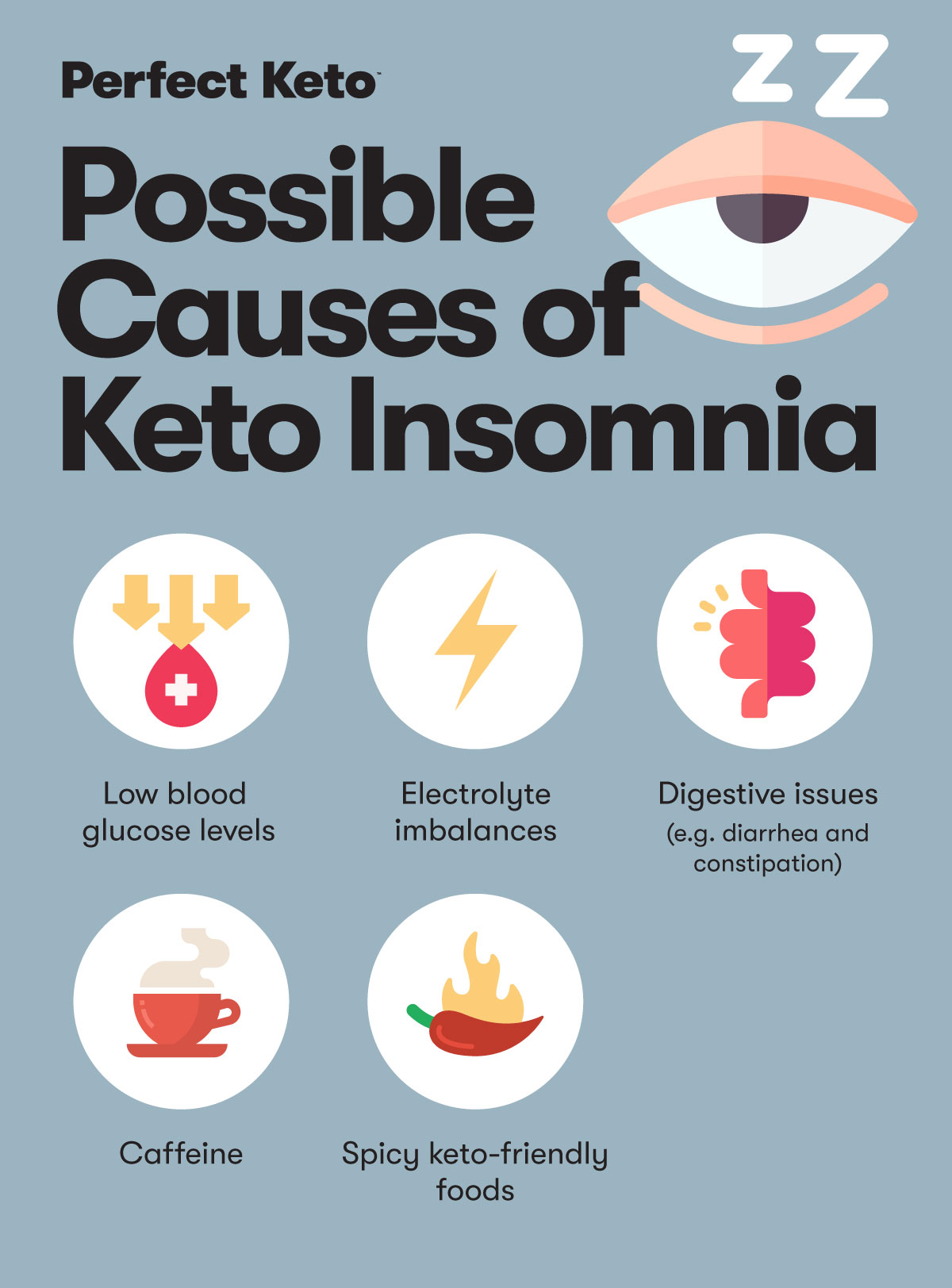
At the start of a low-carb diet, sleep may become restless. Some people find it harder to fall asleep or wake up more often. This happens because the body adjusts to lower sugar and carb levels. Energy changes and shifts in hormones can cause temporary sleep problems. These disruptions usually last a few days to a couple of weeks.
Long-term Sleep Improvements
After the initial phase, many report better sleep quality. Falling asleep becomes easier and sleep feels deeper. Lower carb intake can reduce night-time waking and improve overall rest. The body learns to use fat for energy, which stabilizes blood sugar. Stable blood sugar helps keep sleep cycles steady and calm.
Variations Among Individuals
Not everyone experiences sleep changes the same way. Some people feel no difference in sleep on low-carb diets. Others may have longer adjustment periods or different effects. Factors like age, health, and diet strictness influence sleep outcomes. Personal habits and stress levels also play a role in sleep quality.
Biological Mechanisms Behind Sleep Shifts
Low-carb diets can change how people sleep. These diets affect the body’s biology. The changes happen at a deep level. Hormones, brain chemicals, and body clocks all shift. These shifts explain why sleep changes occur. Understanding these mechanisms helps explain the sleep patterns on low-carb diets.
Impact On Hormones And Neurotransmitters
Low-carb diets alter hormone levels in the body. Insulin drops because less sugar enters the blood. Lower insulin affects other hormones like cortisol. Cortisol controls stress and alertness. Changes in cortisol can make falling asleep harder or easier. Neurotransmitters like serotonin and GABA also shift. These chemicals control mood and relaxation. Their balance affects sleep quality and timing.
Effects On Melatonin And Circadian Rhythm
Melatonin is the hormone that controls sleep cycles. Low-carb eating can change melatonin production. This hormone tells the body when to sleep and wake. The circadian rhythm, or body clock, depends on melatonin. A low-carb diet may shift this rhythm earlier or later. This shift can cause people to feel sleepy at new times. Regular melatonin patterns support deep, restful sleep.
Role Of Ketones In Sleep Regulation
Ketones are molecules made when carb intake is very low. The brain uses ketones for energy instead of sugar. Ketones influence brain activity and sleep patterns. Some studies suggest ketones help calm the brain. This calming effect can improve sleep quality. Ketones might also affect how long people stay in deep sleep. Their role in sleep is still being researched.
Potential Benefits Of Low-carb Diets On Sleep
Low-carb diets may offer several benefits for sleep quality. Many people notice changes in how they rest after cutting carbs. These changes can help improve overall sleep patterns and daytime energy levels. Better sleep supports good health and daily performance. Understanding these benefits can help decide if a low-carb diet fits your lifestyle.
Reduced Sleep Apnea Symptoms
Low-carb diets can help reduce weight, a key factor in sleep apnea. Losing weight often eases pressure on the airway. This leads to fewer breathing interruptions during sleep. People report less snoring and better breathing at night. These changes can make sleep more restful and less fragmented.
Improved Deep Sleep Stages
Deep sleep is crucial for body repair and memory. Low-carb diets may increase the time spent in deep sleep. This means more restorative rest each night. Better deep sleep helps you wake feeling refreshed. It also supports brain function and immune health.
Enhanced Energy And Alertness
Good sleep boosts energy and alertness during the day. Low-carb diets help stabilize blood sugar, avoiding energy crashes. Stable energy levels improve focus and mood. Many people feel more awake and less tired after low-carb meals. This helps maintain productivity and a positive mindset all day long.
Challenges And Side Effects
Starting a low-carb diet can bring many changes, especially to your sleep. Some people face challenges and side effects as their body adjusts. These changes may affect sleep quality and patterns.
Understanding these challenges helps you prepare and manage them better. Knowing what to expect eases anxiety and improves your experience.
Sleep Disturbances During Adaptation
During the first days or weeks, sleep may become restless. Your body switches from using carbs to fat for energy. This change can cause shorter sleep and frequent waking.
Some people report vivid dreams or trouble falling asleep. These sleep disturbances usually lessen as your body adapts. Patience is key during this phase.
Managing Insomnia And Restlessness
Simple steps can help reduce insomnia and restlessness. Avoid caffeine and heavy meals before bedtime. Create a calm and dark sleep environment.
Try relaxation techniques like deep breathing or gentle stretching. Keep a regular sleep schedule by going to bed and waking up at the same time. These habits support better sleep.
When To Seek Professional Advice
If sleep problems last beyond a few weeks, consider medical advice. Persistent insomnia or extreme tiredness could signal other issues. A healthcare provider can check for underlying problems.
Professional help ensures safe and effective management of sleep and diet changes. Don’t ignore severe or worsening symptoms. Early intervention improves outcomes.
Tips For Better Sleep On Low-carb Diets
Low-carb diets can change your sleep patterns. Some people may feel restless or find it hard to fall asleep. Simple steps can improve your rest while on this diet. These tips help your body adjust and feel relaxed at night.
Optimizing Meal Timing
Eating too close to bedtime can disturb sleep. Try to finish your last meal at least two hours before bed. This allows your body to digest food fully. Avoid heavy or large meals late in the evening. A regular eating schedule helps balance your energy and sleep cycles.
Incorporating Sleep-friendly Foods
Certain low-carb foods support better sleep. Choose foods rich in magnesium like spinach and nuts. Magnesium helps calm your muscles and nerves. Include small portions of dairy or eggs for natural tryptophan. Tryptophan boosts the production of sleep hormones. Avoid caffeine and sugary snacks late in the day.
Lifestyle Changes To Support Rest
Create a relaxing bedtime routine to signal your body. Dim lights and reduce screen time an hour before sleep. Try light stretching or deep breathing exercises. Keep your bedroom cool and quiet for comfort. Regular exercise during the day also improves sleep quality. Consistency in sleep times trains your body to rest well.

Frequently Asked Questions
How Do Low-carb Diets Affect Sleep Quality?
Low-carb diets can improve sleep by stabilizing blood sugar levels. However, some people may experience initial sleep disturbances. Overall, many report deeper, more restful sleep after adapting to low-carb eating.
Can Low-carb Diets Cause Insomnia?
Yes, low-carb diets may cause temporary insomnia due to reduced carb intake affecting serotonin production. This usually resolves after a few weeks as the body adapts.
Do Low-carb Diets Influence Sleep Duration?
Low-carb diets may slightly increase sleep duration for some individuals. Improved metabolic health and reduced nighttime hunger often contribute to longer, uninterrupted sleep.
Is Keto Diet Linked To Sleep Changes?
The keto diet, a type of low-carb diet, can cause sleep pattern shifts. Initial phases might disrupt sleep, but many experience better sleep quality over time.
Conclusion
Low-carb diets can affect your sleep in many ways. Some people sleep better, while others may feel restless. Changes in energy and hormones play a big role. It takes time for your body to adjust. Pay attention to how you feel each night.
Small diet tweaks might help improve your rest. Sleep well to stay healthy and active. Keep track of your sleep patterns and diet habits. This way, you can find the best balance for your body.