
Have you ever wondered what happens in your brain when you dream? That magical part of sleep is called REM sleep, and it plays a big role in how you feel and think every day.
Understanding REM sleep can help you improve your mood, memory, and even your health. You’ll discover what REM sleep really is, why it matters to you, and simple tips to make the most of it. Keep reading—you’re about to unlock the secrets of your sleep that could change the way you live.

Quick Navigation
What Is Rem Sleep
REM sleep is a special part of our sleep cycle. It stands for Rapid Eye Movement. This stage is very important for our brain and body. During REM sleep, our brain is very active, almost like when we are awake. This stage helps with memory, learning, and mood. Most dreaming happens in REM sleep.
Characteristics Of Rem Sleep
During REM sleep, your eyes move quickly from side to side. Your breathing becomes faster and irregular. Your heart rate also changes. Your muscles relax completely and become almost paralyzed. This stops you from acting out your dreams. Brain waves during REM look similar to when you are awake. This stage usually starts about 90 minutes after you fall asleep.
How Rem Differs From Other Sleep Stages
Sleep has different stages: light, deep, and REM. Light sleep is when you can wake up easily. Deep sleep is very restful and helps your body heal. REM sleep is unique because the brain is very active. Unlike deep sleep, your eyes move quickly in REM. Muscle tone is lost in REM but not in other stages. REM is the time when most dreaming happens. It repeats several times during the night, getting longer each time.

Why Rem Sleep Matters
REM sleep is a special part of your sleep cycle. It helps your body and brain work well. This stage of sleep lasts about 20 to 25% of your total sleep time. It is important for many reasons. Understanding why REM sleep matters can help you value your rest more.
During REM sleep, your brain stays active. This activity supports key functions like memory and emotions. Without enough REM sleep, these functions may not work properly. Let’s explore the main reasons REM sleep is so important.
Role In Memory And Learning
REM sleep helps your brain save new information. It moves memories from short-term to long-term storage. This process makes learning easier. When you study or practice skills, REM sleep improves recall. Missing REM sleep can cause forgetfulness. Your brain needs this phase to sort and store facts clearly.
Impact On Emotional Health
REM sleep affects how you feel each day. It helps process emotions and reduce stress. This sleep stage supports mood balance. Lack of REM sleep can cause irritability and anxiety. It also helps you handle tough situations better. Your emotional health depends on enough REM sleep to reset your mind.
How Rem Sleep Affects The Body
REM sleep plays a big role in how your body and mind rest. This sleep stage helps repair your brain and body. It also boosts memory and learning. Understanding what happens during REM sleep shows why it matters for health.
During REM sleep, the body changes in many ways. These changes affect how well you feel the next day. Your brain works hard, and your body goes through physical shifts. Both parts work together to refresh you.
Brain Activity During Rem
The brain is very active in REM sleep. It fires signals like when you are awake. This activity helps process emotions and memories. Dreams occur mostly in this stage. The brain sorts through the day’s information. It strengthens important memories and clears less important ones.
Physical Changes In Rem Stage
Your body shows clear signs during REM sleep. Breathing becomes faster and irregular. Heart rate and blood pressure rise. Muscles become very relaxed and almost paralyzed. This stops you from acting out your dreams. Eyes move quickly under the eyelids. These changes keep your body safe and ready for the next day.
Factors That Influence Rem Sleep
REM sleep is a vital part of our sleep cycle. Many factors can change how much REM sleep we get. These factors affect our brain and body during rest. Understanding them helps improve sleep quality and health.
Age And Rem Patterns
Age plays a big role in REM sleep patterns. Babies spend most of their sleep in REM. As we grow, REM sleep decreases. Older adults usually get less REM sleep than younger people. This change can affect memory and mood. Knowing this helps us adjust sleep habits at different ages.
Lifestyle And Environment Effects
Our daily habits shape REM sleep. Stress and irregular sleep schedules reduce REM sleep. Quiet and dark rooms help increase REM phases. Caffeine and alcohol can interrupt REM cycles. Regular exercise promotes better REM sleep. Small changes in lifestyle improve sleep quality and brain health.
Common Rem Sleep Disorders
REM sleep is a vital part of the sleep cycle. It plays a big role in memory and mood. Some people face problems during REM sleep. These problems are called REM sleep disorders. They can affect sleep quality and overall health. Understanding these disorders helps in finding the right treatment.
Rem Sleep Behavior Disorder
REM Sleep Behavior Disorder (RBD) causes people to act out dreams. Normally, muscles stay relaxed during REM sleep. In RBD, this muscle paralysis is lost. People may move, talk, or even hit during dreams. It can cause injuries to themselves or their bed partners. RBD is often linked with other brain problems. Early diagnosis helps to manage symptoms safely.
Effects Of Rem Sleep Deprivation
Missing REM sleep affects the brain and body. It can cause memory problems and trouble learning. Mood changes like irritability and anxiety are common. The immune system also weakens without enough REM sleep. Long-term deprivation can lead to serious health issues. Regular REM sleep is essential for mental and physical health.
Tips To Improve Rem Sleep
Improving REM sleep can boost memory, mood, and overall health. Good REM sleep helps your brain rest deeply. You can take simple steps to get better REM sleep every night.
Establishing A Sleep Routine
Go to bed and wake up at the same time daily. Your body likes regular patterns. Avoid naps late in the day. This helps your body prepare for deep sleep. Try relaxing activities before bed, like reading or gentle stretching. Avoid screens and bright lights one hour before sleep.
Creating A Sleep-friendly Environment
Keep your bedroom cool and dark. Light and heat can disturb your sleep cycles. Use blackout curtains or a sleep mask. Reduce noise with earplugs or white noise machines. Choose a comfortable mattress and pillows. Remove phones and TVs from the bedroom. A calm environment supports better REM sleep.
How Technology Impacts Rem Sleep
Technology plays a big role in how we sleep, especially REM sleep. REM sleep is the stage where dreams happen. It helps our brain rest and grow. Many gadgets and screens affect this sleep stage. Understanding these effects can help improve your sleep quality.
Devices like phones, tablets, and computers emit blue light. This light changes our body clock. It tricks the brain into thinking it is daytime. This makes it harder to fall asleep and reach deep REM sleep.
Blue Light And Sleep Disruption
Blue light blocks melatonin, the sleep hormone. Less melatonin means less REM sleep. Using screens before bed causes trouble falling asleep. It also reduces sleep quality. Turning off devices an hour before bed helps. Using blue light filters on screens can reduce harm.
Sleep Tracking Devices
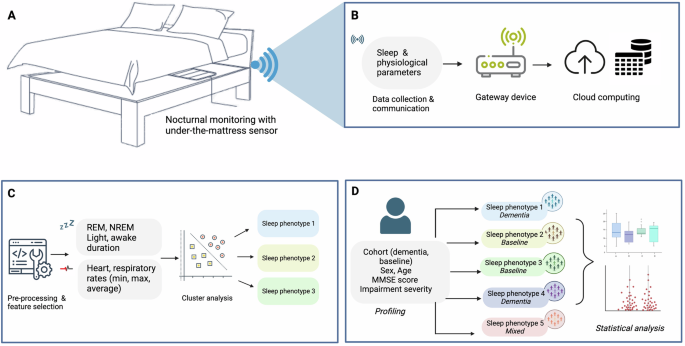
Sleep trackers monitor your sleep stages, including REM. They use sensors to check movement and heart rate. This data helps understand your sleep patterns. Some devices suggest better sleep habits. However, trackers are not always fully accurate. Use them as a helpful guide, not a strict rule.
Frequently Asked Questions
What Is Rem Sleep And Why Is It Important?
REM sleep is a deep sleep phase where dreaming occurs. It helps with memory, learning, and emotional health. Without enough REM sleep, brain function and mood can suffer.
How Long Does Rem Sleep Last Each Night?
REM sleep usually takes up 20-25% of total sleep. It cycles every 90 minutes, increasing in length towards morning. On average, adults get 90-120 minutes of REM sleep nightly.
What Happens To The Body During Rem Sleep?
During REM sleep, eyes move rapidly, muscles relax, and brain activity rises. Heart rate and breathing become irregular. This stage supports brain restoration and emotional processing.
Can Lack Of Rem Sleep Affect Mental Health?
Yes, insufficient REM sleep can lead to memory problems, anxiety, and depression. It disrupts emotional regulation and cognitive functions. Prioritizing REM sleep helps maintain mental wellbeing.
Conclusion
REM sleep plays a key role in how your body and mind heal. It helps you feel rested and ready for the day. Good sleep supports memory, mood, and learning. Paying attention to your sleep habits can improve REM sleep.
Try to keep a regular bedtime and avoid screens before sleep. Small changes often lead to better rest. Sleep well, and your body will thank you. Understanding REM sleep brings you closer to healthier sleep habits. Rest is simple. Sleep is important.

