
As an Amazon Associate I earn from qualifying purchases.
Have you ever wondered if tracking your sleep every night really makes a difference? You might think it’s just another tech trend, but what if keeping an eye on your sleep could unlock better energy, mood, and focus?
Imagine waking up feeling truly refreshed—not tired or groggy. You’ll discover the surprising benefits and possible downsides of tracking your sleep. By the end, you’ll know exactly whether it’s worth making this a part of your daily routine. Ready to find out?
Let’s dive in.
.webp)
Quick Navigation
Benefits Of Tracking Sleep
Tracking your sleep can help you understand how well you rest each night. It gives clear information about your sleep habits. This knowledge can lead to better choices for your health. Many people find it useful to see patterns and changes over time. Sleep tracking tools provide data that shows the quality and length of your sleep. This helps in making small adjustments that improve your rest.
Improved Sleep Quality
Sleep tracking shows how deep and restful your sleep is. It points out interruptions and wake-up times. You can see if you reach enough deep sleep stages. This helps you change habits to sleep better. Adjusting bedtime or avoiding screens can improve sleep quality. Tracking makes you more aware of factors affecting your rest.
Identifying Sleep Patterns
Tracking reveals your regular sleep and wake times. It helps spot if you sleep too little or too much. You can detect changes in sleep caused by stress or illness. Knowing your patterns helps you create a better sleep routine. Regular tracking highlights trends that are hard to notice otherwise.
Boosting Daytime Energy
Good sleep leads to more energy during the day. Tracking helps ensure you get enough rest each night. Better sleep means improved focus and mood. You can avoid feeling tired or sluggish at work or school. Tracking encourages habits that support consistent daytime alertness.
Potential Drawbacks
Tracking sleep every night might seem helpful, but it has some downsides. Knowing these can help you decide if it’s right for you. Some issues could affect your peace of mind and your trust in the devices.
Sleep Anxiety Risks
Watching your sleep closely can cause stress. You might worry too much about the numbers. This stress can make it harder to fall asleep. The pressure to get perfect sleep can backfire.
Data Accuracy Concerns
Sleep trackers are not always precise. They can miss important details or show wrong data. Relying on this data can lead to wrong conclusions. This may cause unnecessary changes to your sleep habits.
Overdependence On Devices
Relying too much on gadgets can reduce your own awareness. You might ignore natural signs of tiredness. This dependence can make you less confident in your body’s signals. It’s important to balance device data with how you feel.
When To Track Sleep
Tracking sleep helps understand your rest better. It shows patterns and highlights problems. Knowing when to track sleep makes it more useful. Some times are more important than others to check your sleep.
Tracking sleep during certain moments can guide better choices. It can support health, improve fitness, or adjust your daily habits.
During Lifestyle Changes
Changing your daily routine affects sleep. New jobs, moving to a new place, or changing work shifts can disrupt rest. Tracking sleep during these times shows how your body adapts. It helps spot if changes cause poor sleep. You can then make small adjustments to sleep better.
Managing Health Conditions
Sleep impacts many health issues. Conditions like anxiety, depression, or sleep apnea need close watch. Tracking sleep helps doctors understand your symptoms. It guides better treatment and care. You see how medicines or therapies affect your rest. Good sleep tracking supports better health management.
Improving Athletic Performance
Athletes need good sleep to perform well. Tracking sleep reveals if you get enough rest to recover. It helps find the best sleep routine before big events. Sleep tracking shows if training affects your rest negatively. Adjusting sleep can boost energy and focus during workouts.
Choosing The Right Tools
Choosing the right tools to track your sleep is important for accurate results. The market offers many options that suit different needs and budgets. Picking the right one can help you understand your sleep patterns better.
Not every tool works the same way. Some focus on comfort, while others offer detailed data. Knowing what to expect helps you make a smart choice.
Wearables Vs. Apps
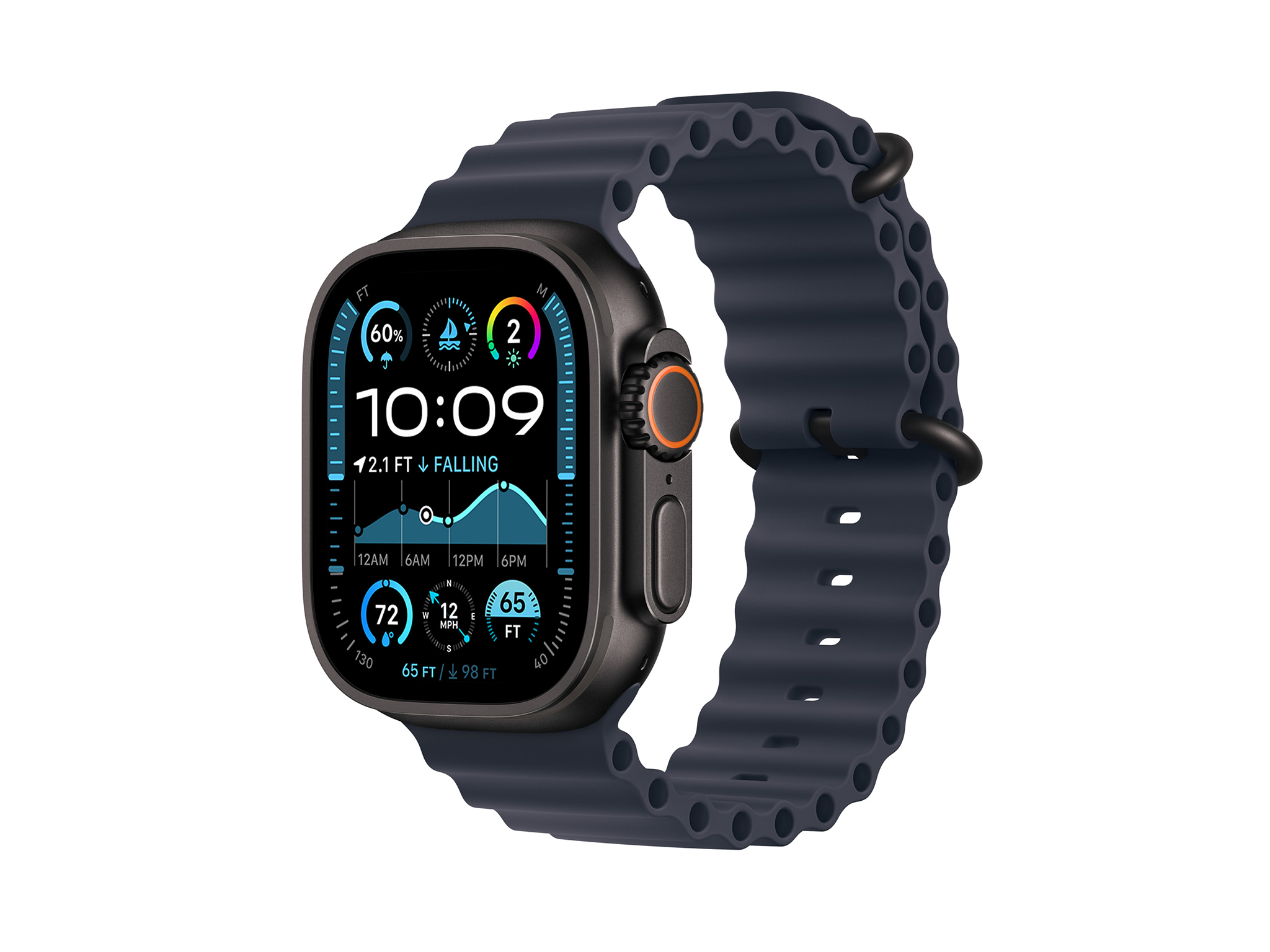
Wearables include devices like smartwatches and fitness bands. They track sleep by sensing movements and heart rate. Wearables offer data all night without needing a phone nearby.
Apps use your smartphone’s sensors or require you to place the phone on the bed. They are easy to use and often free. Apps may not be as accurate as wearables but still provide useful insights.
Features To Look For
Look for tools that measure sleep stages like deep, light, and REM sleep. Heart rate monitoring helps track your body’s rest state. A user-friendly app or display makes data easy to read.
Some tools offer silent alarms or sleep coaching. These features help improve your sleep habits over time. Regular updates and good customer support add value too.
Budget-friendly Options
Many affordable tools provide good sleep tracking basics. Simple wearables can cost less than high-end models but still work well. Free or low-cost apps are great for beginners.
Start with what fits your budget and needs. You can always upgrade later if you want more features. Consistency matters more than expensive gadgets for better sleep tracking.
Tips For Effective Sleep Tracking
Tracking your sleep can give useful insights into your rest patterns. It helps you understand what affects your sleep quality. To get the best results, follow some simple tips for effective sleep tracking. These tips ensure your data is accurate and helpful.
Consistency Matters
Track your sleep every night to see clear patterns. Avoid skipping nights, as this breaks the data flow. Consistent tracking helps you notice small changes over time. Use the same device or method each night for steady results.
Combining With Sleep Hygiene
Good sleep habits improve your tracking results. Keep a regular bedtime and wake-up time. Avoid screens and caffeine before bed. Create a calm, dark, and cool room. These habits make your sleep data more reliable.
Interpreting Your Data
Look for trends, not single nights. Notice if your sleep time increases or decreases. Pay attention to how you feel in the morning. Use your data to make small changes and check the effects. Remember, numbers show patterns, not perfection.

Frequently Asked Questions
Should I Track My Sleep Every Night?
Tracking sleep nightly helps identify patterns and improve rest quality. It reveals disturbances and sleep duration, guiding healthier habits.
Can Sleep Tracking Improve My Overall Health?
Yes, sleep tracking highlights issues like insomnia or apnea. Improved sleep boosts energy, mood, and reduces health risks such as heart disease.
Are Sleep Trackers Accurate Enough For Daily Use?
Most modern trackers provide fairly accurate data on sleep stages and duration. However, they may not replace professional sleep studies for medical diagnoses.
How Does Tracking Sleep Impact Mental Well-being?
Regular sleep tracking encourages better sleep hygiene. Good sleep supports mental clarity, reduces stress, and improves emotional stability.
Conclusion
Tracking sleep every night can help you notice patterns and improve rest. Small changes often lead to better sleep quality and health. Pay attention to how you feel each day and adjust habits if needed. Balance is key; tracking should not cause stress or obsession.
Use the data as a helpful guide, not a strict rule. Good sleep supports energy, mood, and focus. Try tracking for a while and see what works best for you. Sleep well, live well.