
As an Amazon Associate I earn from qualifying purchases.
Do you often wake up feeling tired, or does your partner complain about your loud snoring? What if the way you sleep could be the key to quieter nights and better rest?
Your sleep position plays a bigger role in snoring than you might think. Understanding how your body’s alignment affects airflow can help you breathe easier and sleep soundly. Keep reading to discover simple changes you can make tonight that could transform your sleep—and your life.
Quick Navigation
How Sleep Position Affects Snoring
Sleep position plays a big role in snoring. The way you lie down changes how air flows through your throat. Some positions make snoring worse. Others help keep the airway open. Understanding these effects can help reduce snoring and improve sleep quality.
Back Sleeping And Snoring
Sleeping on your back often causes louder snoring. The tongue and soft tissues fall backward. This blocks the airway and makes breathing noisy. Many people snore more in this position. It can also lead to pauses in breathing during sleep.
Side Sleeping Benefits
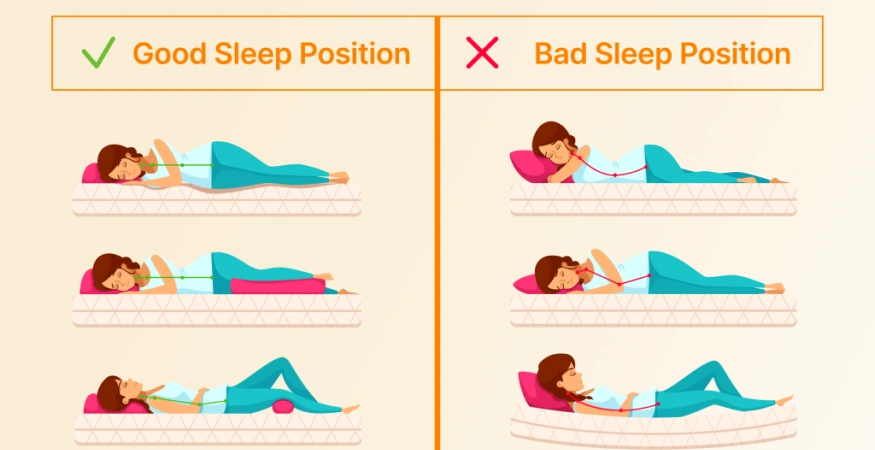
Sleeping on your side usually reduces snoring. The airway stays clearer and less blocked. Side sleeping helps keep the tongue forward. It lowers the chance of airway vibration. This position is often recommended for better breathing at night.
Stomach Sleeping Impact
Sleeping on your stomach may reduce snoring for some. It keeps the airway open by stopping the tongue from falling back. But this position can cause neck and back pain. It may also strain your spine over time. Use a thin pillow to ease discomfort if you sleep this way.
Common Causes Of Snoring
Snoring happens when the airflow in the throat is partly blocked during sleep. This causes the tissues to vibrate, making the snoring sound. Understanding what causes this blockage helps to reduce or stop snoring. Common reasons include airway obstruction, nasal problems, and lifestyle choices.
Airway Obstruction
The airway can narrow or block due to extra throat tissue or a large tongue. This happens more during sleep when muscles relax. Sleeping on the back makes the tongue fall backward, blocking airflow. Some people have a small airway naturally, which raises snoring risk.
Nasal Issues
Nasal congestion or a crooked septum can make breathing hard. When air cannot flow freely through the nose, people breathe through the mouth. Mouth breathing often leads to louder snoring. Allergies, colds, or sinus problems also cause nasal blockage and snoring.
Lifestyle Factors
Being overweight adds fat around the throat, narrowing the airway. Alcohol relaxes throat muscles too much, increasing snoring chances. Smoking irritates the airways and causes swelling. Poor sleep habits and certain medications can also increase snoring.
Best Sleep Positions To Reduce Snoring
Choosing the right sleep position can help reduce snoring. The position affects airflow in the throat. Some positions keep airways open and reduce vibrations that cause snoring. Simple changes in how you sleep might improve breathing and lessen snoring.
Left Vs Right Side Sleeping
Sleeping on the side helps keep airways open. The left side is often better for snoring than the right. It may improve airflow and reduce pressure on the throat. Both sides are better than sleeping on the back. Back sleeping allows the tongue to block the airway, causing louder snoring.
Using Pillows For Support
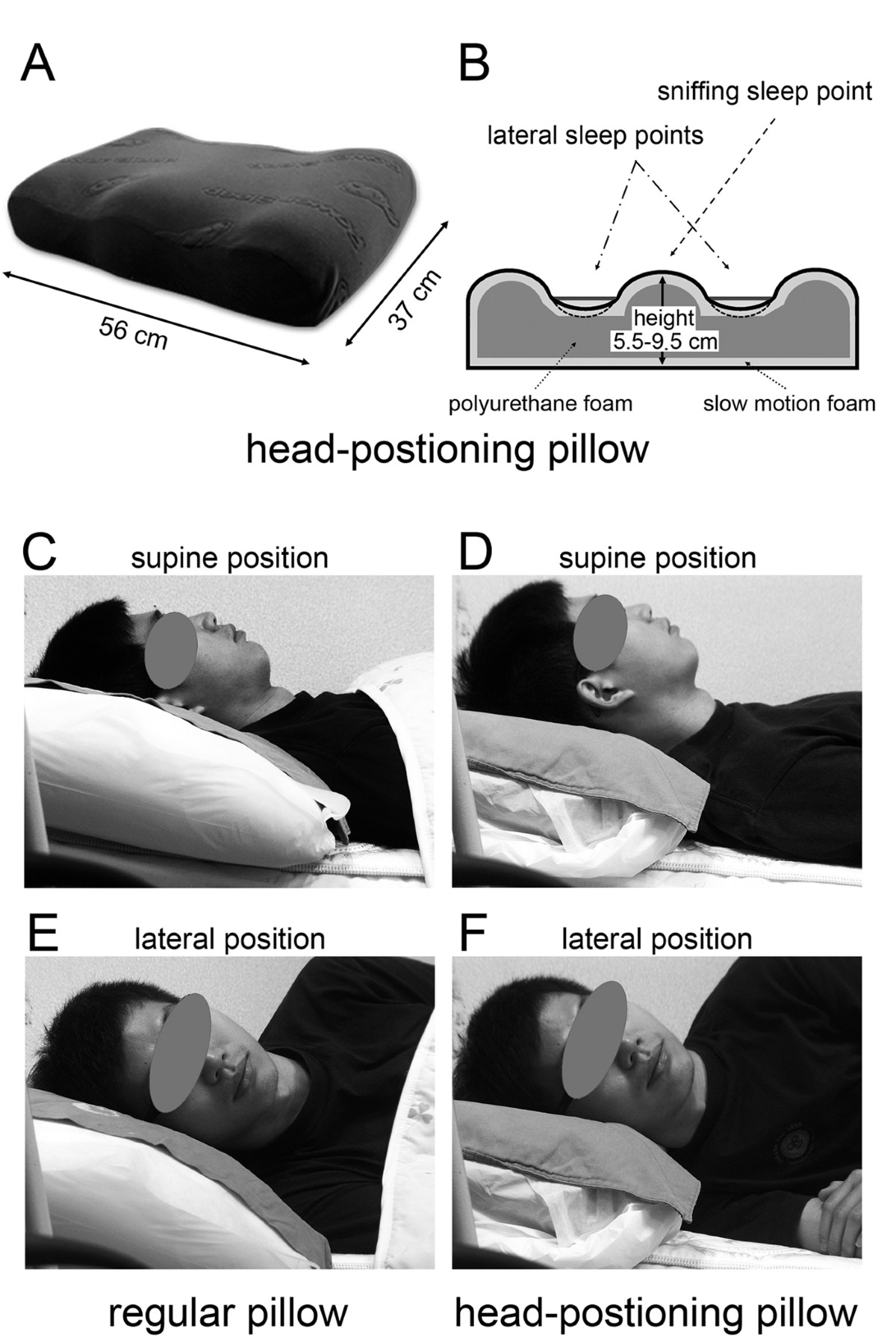
Pillows can help keep the head and neck aligned. Proper support prevents the airway from narrowing. Special pillows are designed to reduce snoring by keeping the head slightly raised. Using a firm pillow can stop the head from tilting back. This keeps the airway clear and reduces snoring sounds.
Elevated Head Positions
Elevating the head helps open nasal passages. Raising the upper body by a few inches can ease breathing. This position reduces pressure on the throat muscles. It prevents the tongue from falling back and blocking airflow. An adjustable bed or extra pillows can create this position for better sleep and less snoring.
Techniques To Train New Sleep Habits
Changing how you sleep can reduce snoring and improve sleep quality. Training your body to adopt new sleep habits takes time and simple steps. Using tools and techniques helps make the change easier and more effective.
Positional Therapy Devices
Positional therapy devices help keep you sleeping on your side. These devices include special pillows and wearable belts. They prevent you from rolling onto your back, the main cause of snoring. Many devices are comfortable and easy to use. Over time, they train your body to stay in a better position.
Behavioral Tips For Switching Positions
Changing sleep position requires patience and practice. Try placing a pillow behind your back to stop rolling. Going to bed in the desired position helps too. Practice side sleeping during naps to build the habit. Avoid sleeping on your stomach, as it can strain your neck.
Tracking Sleep Patterns
Tracking sleep helps you see progress and find problems. Use a sleep diary or a phone app to record your position and snoring. Note how you feel after waking up. This data guides you to improve your sleep habits. It also motivates you to keep trying new techniques.
Additional Tips To Minimize Snoring
Snoring can disturb sleep and affect health. Changing sleep position helps, but more steps can reduce snoring further. Small changes in lifestyle and habits can make a big difference.
Weight Management
Extra weight, especially around the neck, can squeeze airways. This makes snoring louder and more frequent. Losing even a little weight can open airways. Regular exercise and a healthy diet help maintain a good weight.
Avoiding Alcohol Before Bed
Alcohol relaxes throat muscles too much. This can block airways and cause snoring. Avoid drinking alcohol at least two hours before sleep. This keeps muscles firm and airways clearer.
Nasal Strips And Sprays
Nasal strips lift nasal passages to improve airflow. They are easy to use and drug-free. Nasal sprays reduce swelling inside the nose. Both can help people who snore due to blocked noses.
When To Seek Medical Help
Snoring can be more than just a noisy nuisance. It may signal a serious health issue. Knowing when to seek medical help is important. Ignoring symptoms might cause bigger problems later. This section guides you on key signs and next steps.
Signs Of Sleep Apnea
Sleep apnea causes breathing to stop briefly during sleep. Loud, frequent snoring is a common sign. Gasping or choking sounds at night can occur. Feeling very tired during the day is another clue. Morning headaches and difficulty concentrating might appear. Notice if snoring disturbs your partner often. These signs suggest a need for medical evaluation.
Diagnostic Tests
Doctors use tests to find the cause of snoring. A sleep study is the most common test. It records breathing, heart rate, and oxygen levels during sleep. Home sleep tests may be available for some. These tests help doctors understand the severity. Results guide treatment choices and improve health outcomes.
Treatment Options
Treatment depends on the cause and severity of snoring. Lifestyle changes can help mild cases. Losing weight and avoiding alcohol before bed are useful. Special devices keep airways open during sleep. In some cases, surgery might be needed. Doctors tailor treatment to each patient’s needs. Proper care improves sleep and reduces health risks.

Frequently Asked Questions
What Sleep Positions Cause The Most Snoring?
Sleeping on your back often causes more snoring. This position lets the tongue fall backward, blocking the airway. Side sleeping can reduce snoring by keeping airways open. Elevating your head slightly may also help minimize snoring.
Can Changing Sleep Position Reduce Snoring?
Yes, changing sleep positions can reduce snoring. Sleeping on your side keeps airways open and reduces vibration. Avoiding back sleeping is key to preventing airway blockage. Position adjustments are a simple, effective way to lessen snoring.
Why Does Back Sleeping Increase Snoring?
Back sleeping increases snoring because gravity pulls the tongue backward. This blocks the airway partially, causing vibrations and snoring sounds. It also relaxes throat muscles, worsening airway obstruction. Side sleeping helps maintain open airways, reducing snoring risk.
Is Side Sleeping The Best Position To Stop Snoring?
Side sleeping is often the best position to stop snoring. It keeps airways open and prevents tongue blockage. Most snorers find relief by avoiding back sleep. However, individual results may vary, so try different positions for best results.
Conclusion
Choosing the right sleep position can reduce snoring effectively. Sleeping on your side often helps keep airways open. Avoid sleeping on your back to lower snoring chances. Small changes in habits can improve your sleep quality. Better sleep leads to improved health and mood.
Try adjusting your sleep position tonight for a quieter rest. Simple steps make a big difference in snoring problems. Keep experimenting to find what works best for you. Sweet dreams and peaceful nights await.