
Have you ever wondered why sometimes you wake up feeling refreshed, and other times groggy and tired? The secret lies in your sleep cycles.
Understanding what sleep cycles are can help you improve your rest and boost your energy every day. You’ll discover how these natural rhythms work, why they matter to your health, and simple tips to make the most of your sleep.
Keep reading to unlock the power of your sleep cycles and wake up feeling truly renewed.
Quick Navigation
Sleep Cycle Basics
Understanding the basics of sleep cycles helps improve sleep quality. Sleep cycles are patterns your brain follows while you rest. These cycles repeat several times during the night. Each cycle includes different stages that serve important functions.
Knowing how these stages work can help you recognize why sleep matters. It also explains why waking up at certain times feels better than others.
Stages Of Sleep
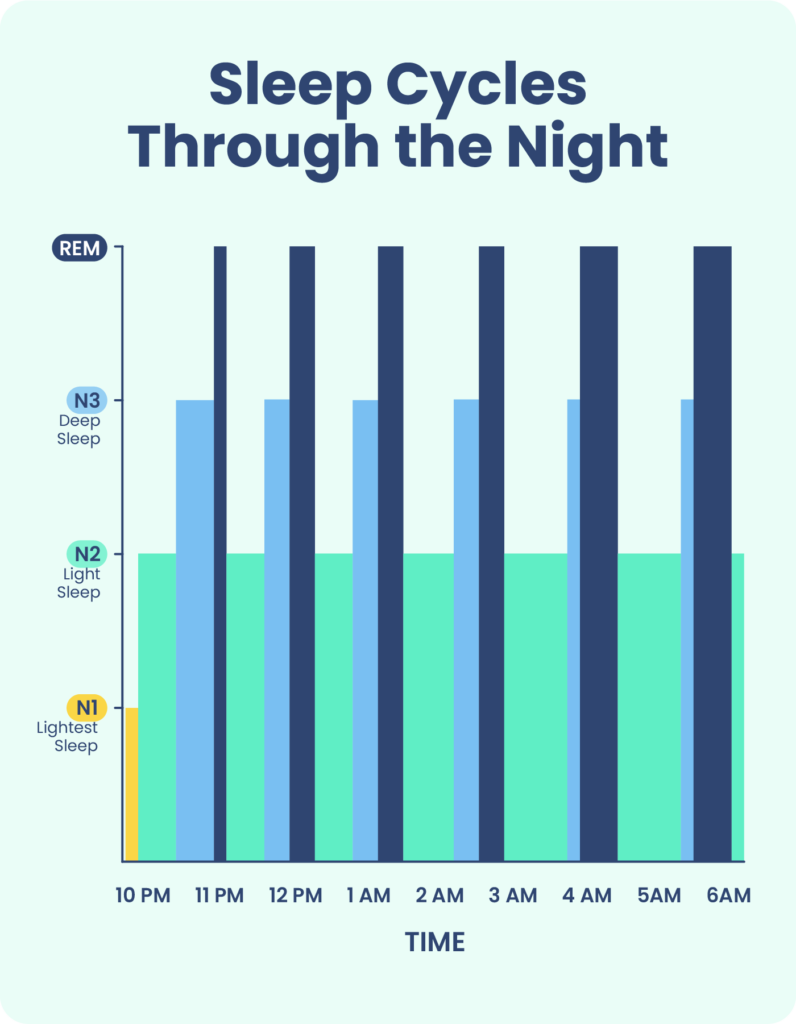
Sleep has two main types: Non-REM and REM sleep. Non-REM sleep has three stages. Stage 1 is light sleep, where you start to fall asleep. Stage 2 is deeper and helps body functions slow down. Stage 3 is the deepest sleep, important for repair and growth. REM sleep is when dreaming happens. It helps the brain process emotions and memories.
Duration Of Each Stage
Stage 1 lasts about 5 to 10 minutes. Stage 2 takes up nearly half of the sleep time. Stage 3 can last 20 to 40 minutes in the first cycle. REM sleep starts short but grows longer with each cycle. The first REM stage may last 10 minutes. Later, it can reach up to an hour.
How Cycles Repeat
A full sleep cycle lasts about 90 to 120 minutes. After one cycle ends, the next begins. Usually, people go through four to six cycles each night. Early cycles have more deep sleep. Later cycles contain longer REM stages. This pattern helps balance physical rest and brain activity.

Role Of Rem And Non-rem
Sleep cycles consist of two main stages: REM and Non-REM. Each stage plays a unique role in rest and brain function. Understanding these stages helps explain why sleep is vital for health.
Characteristics Of Rem Sleep
REM stands for Rapid Eye Movement. During this stage, eyes move quickly under the eyelids. The brain becomes more active, almost like when awake. Dreams mostly happen in REM sleep. Muscles relax deeply, preventing body movement. This stage usually starts about 90 minutes after falling asleep.
Functions Of Non-rem Sleep
Non-REM sleep has three phases, getting deeper each time. It helps the body repair itself. Growth and immune systems work better during this stage. Heart rate and breathing slow down. Blood pressure drops, allowing the body to rest fully. This stage prepares the brain for the next REM cycle.
Impact On Memory And Learning
Both REM and Non-REM sleep support memory and learning. Non-REM helps store facts and information. REM sleep links ideas and solves problems. Lack of either stage can cause poor memory and focus. Good sleep cycles improve brain function and help learning skills.
Factors Affecting Sleep Cycles
Sleep cycles change for many reasons. These changes affect how well you rest and feel during the day. Knowing what affects your sleep cycles can help you improve your sleep quality. Here are some key factors that influence your sleep patterns.
Age And Sleep Patterns
Age plays a big role in sleep cycles. Babies sleep more and have shorter cycles. Adults have longer sleep cycles with deeper rest. Older adults often sleep less and wake up more at night. These changes are normal as the body ages.
Lifestyle Influences
Daily habits impact sleep cycles greatly. Eating late or drinking caffeine can delay sleep. Stress and lack of exercise also disrupt sleep patterns. Using screens before bed can reduce deep sleep. A healthy routine supports regular sleep cycles.
Sleep Disorders Impact
Sleep disorders disturb normal sleep cycles. Conditions like insomnia make falling asleep hard. Sleep apnea causes frequent waking during the night. Restless leg syndrome interrupts deep sleep phases. Treating these disorders helps restore good sleep cycles.
Signs Of Disrupted Sleep Cycles
Sleep cycles are essential for feeling rested and healthy. Disrupted sleep cycles can cause many problems. They affect how well you function during the day. Knowing the signs helps you recognize if your sleep is off.
Common Symptoms
Feeling tired even after a full night’s sleep is a key sign. Difficulty falling asleep or waking up often also shows disruption. You might feel sleepy during the day or have trouble focusing. Mood changes like irritability or sadness can happen too. Some people notice headaches or poor memory as well.
Long-term Health Effects
Ongoing sleep disruption can harm your body and mind. It may increase the risk of heart disease and diabetes. Your immune system can weaken, making illness more likely. Mental health issues like anxiety and depression can grow worse. Poor sleep cycles also affect weight and energy levels over time.
Tips To Improve Sleep Cycles
Improving your sleep cycles can boost your energy and mood. Simple steps help your body rest better. Follow these tips to support a healthy sleep rhythm.
Establishing Consistent Sleep Schedule
Go to bed and wake up at the same time daily. Your body likes routine and adapts to regular hours. Avoid changing your schedule on weekends. Consistency strengthens your natural sleep-wake cycle. It helps you fall asleep faster and wake refreshed.
Optimizing Sleep Environment
Keep your bedroom cool, dark, and quiet. Use blackout curtains or a sleep mask to block light. Limit noise with earplugs or white noise machines. Choose a comfortable mattress and pillows. A peaceful space invites restful and deep sleep.
Avoiding Sleep Disruptors
Limit caffeine and heavy meals before bedtime. Avoid screens like phones or TVs at least one hour before sleep. Blue light interrupts melatonin, the sleep hormone. Reduce stress through relaxation techniques like deep breathing. These habits prevent interruptions and improve sleep quality.

Technology And Sleep Monitoring
Technology has changed how we understand and track sleep cycles. Devices and apps now help us watch sleep patterns closely. These tools show when we sleep deeply or lightly. They make sleep data easy to see and use. Knowing sleep cycles helps improve rest quality and daily energy.
Wearable Sleep Trackers
Wearable sleep trackers are small devices worn on wrists or fingers. They use sensors to track movements and heart rate. This data helps estimate sleep stages like REM or deep sleep. Many trackers sync data to phones for easy review. They work all night without disturbing sleep.
Apps For Sleep Analysis
Sleep analysis apps use phone sensors or connect with trackers. Apps record sounds, movements, and sleep times. They create graphs showing sleep cycle changes through the night. Some apps offer tips to improve sleep habits. They help users understand their sleep patterns better.
How Data Can Help
Sleep data reveals patterns and problems in rest. It shows if sleep is short or interrupted. Users can adjust routines based on this information. Doctors can use data to diagnose sleep disorders. Tracking sleep cycles helps create better sleep schedules. Good sleep data leads to healthier, more restful nights.
Frequently Asked Questions
What Are The Main Stages Of Sleep Cycles?
Sleep cycles consist of four stages: NREM stages 1, 2, 3, and REM sleep. Each stage has distinct brain activity and functions. These stages repeat multiple times during a full night of sleep, supporting memory, restoration, and overall health.
How Long Does One Sleep Cycle Last?
A complete sleep cycle lasts about 90 to 110 minutes. Each cycle includes light sleep, deep sleep, and REM phases. Multiple cycles occur throughout the night, allowing the body and brain to rest and recover effectively.
Why Are Sleep Cycles Important For Health?
Sleep cycles regulate brain functions like memory, learning, and emotional balance. Proper cycling improves physical restoration, immune function, and mental clarity. Disrupted cycles can lead to fatigue, cognitive issues, and poor overall health.
How Can I Improve My Sleep Cycle Naturally?
Maintain a consistent sleep schedule, avoid caffeine before bedtime, and create a calm sleeping environment. Regular exercise and limiting screen time help regulate your natural sleep cycles for better quality rest.
Conclusion
Sleep cycles shape how well you rest each night. They repeat several times while you sleep. Each cycle has different stages that affect your body and mind. Good sleep cycles help you feel refreshed and alert. Poor cycles can make you tired and unfocused.
Understanding these cycles helps you improve your sleep habits. Try to keep a regular sleep schedule for best results. Quality sleep supports your health and daily energy. Pay attention to your sleep patterns to feel your best.

