
Have you ever wondered why, no matter how tired you feel, falling asleep can sometimes feel impossible? The secret to better rest might not just be about how long you sleep but how you prepare for it.
This is where sleep hygiene comes in. Understanding what sleep hygiene means and how it affects your nightly routine can transform your sleep quality and boost your energy every day. Keep reading to discover simple yet powerful habits that can help you wake up refreshed and ready to take on the day.
:max_bytes(150000):strip_icc()/what-is-sleep-hygiene-5085887-FINAL-831b8421e75249f0952fbf4efb0adda7.png)
Quick Navigation
Basics Of Sleep Hygiene
Good sleep is key to feeling well every day. Sleep hygiene means habits and routines that help you sleep better. These small actions can change your nights and improve your health.
Understanding the basics of sleep hygiene helps you create a healthy sleep routine. This section explains what sleep hygiene means and why it is important for you.
What Sleep Hygiene Means
Sleep hygiene is the set of habits that help you get good sleep. It includes things like the time you go to bed and your bedroom environment. Simple habits like avoiding screens before bed or keeping a regular sleep schedule are part of sleep hygiene. Good sleep hygiene prepares your body and mind to fall asleep easily and stay asleep.
Why Sleep Hygiene Matters
Poor sleep affects your mood, focus, and energy. It can also harm your immune system and heart health. Following good sleep hygiene helps prevent these problems. It can improve your memory and make you feel rested. Healthy sleep habits also reduce stress and improve your overall quality of life.
Daily Habits For Better Sleep
Good sleep starts with daily habits. Simple routines can improve rest and help the body relax. These habits support natural sleep patterns and make falling asleep easier. Consistency matters a lot for better sleep quality.
Consistent Sleep Schedule
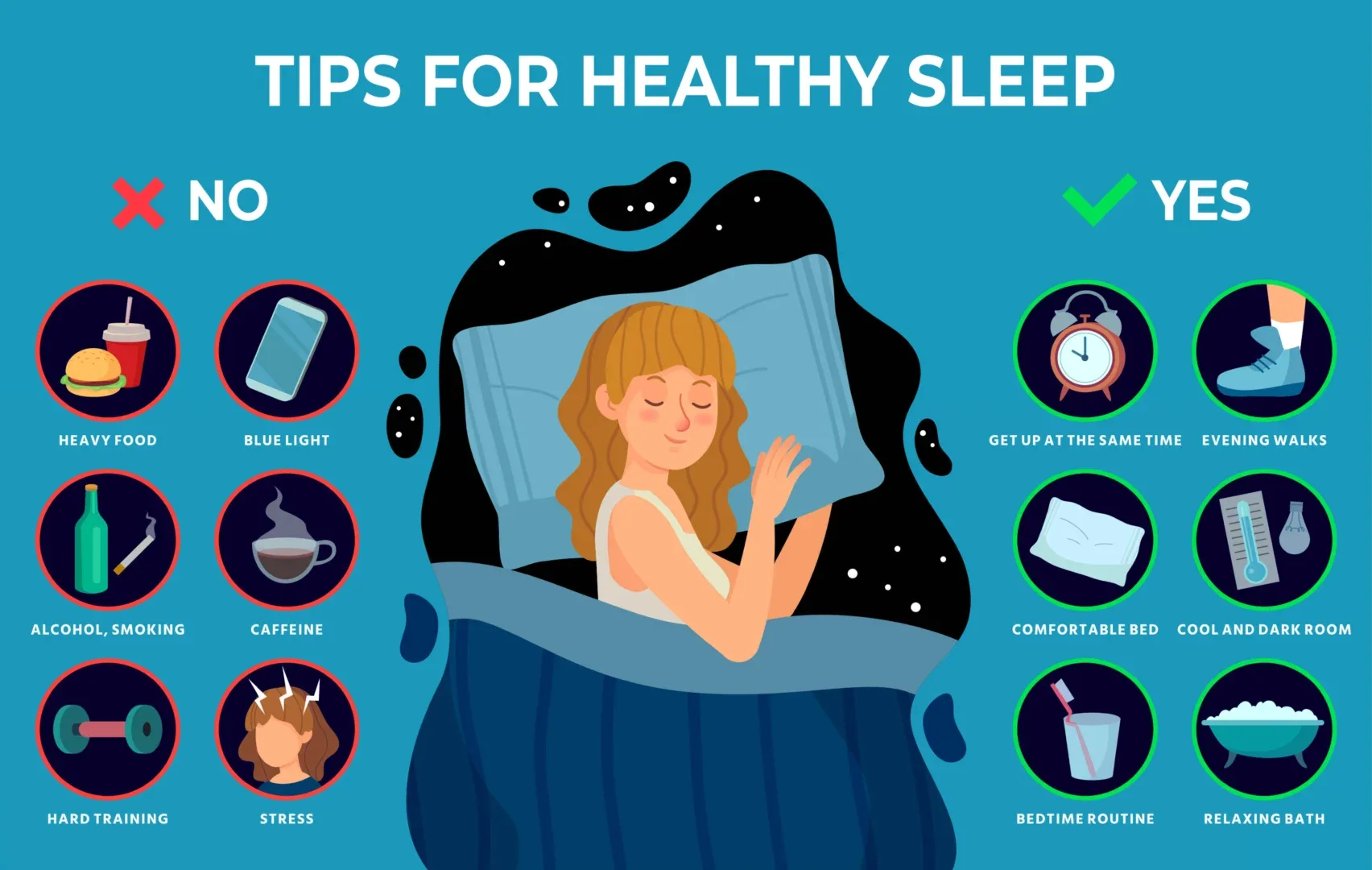
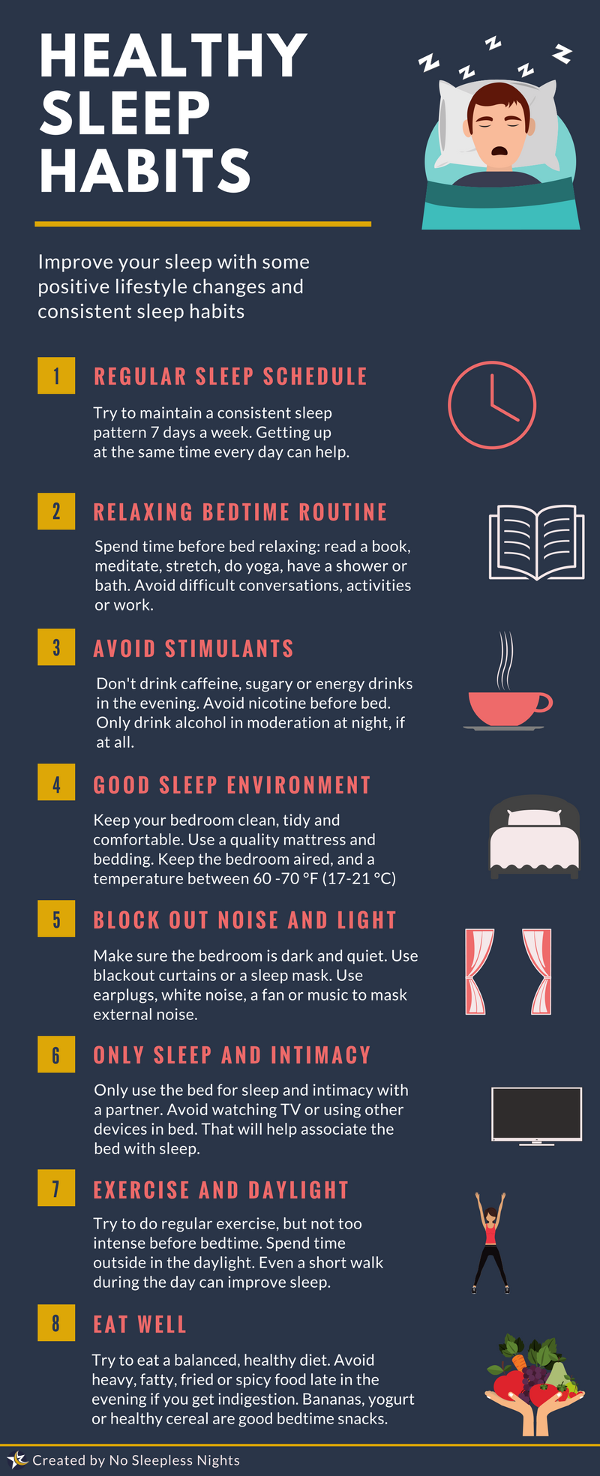
Going to bed and waking up at the same time helps set your body clock. This routine trains your brain to expect sleep at specific times. Avoid changing sleep times on weekends to keep your rhythm steady. A regular schedule makes waking up easier and improves sleep depth.
Balanced Diet And Hydration
Eating healthy foods supports overall sleep health. Include fruits, vegetables, and whole grains in your meals. Drink enough water during the day but reduce intake before bed. Heavy meals or too much liquid late can disturb sleep. A balanced diet helps your body relax and prepare for rest.
Limiting Caffeine And Alcohol
Caffeine can stay in the body for hours and block sleep. Avoid coffee, tea, and energy drinks in the afternoon and evening. Alcohol might make you sleepy, but it disrupts deep sleep cycles. Limiting these drinks helps you fall asleep faster and enjoy better sleep quality.
Optimizing Your Sleep Environment
Optimizing your sleep environment is a key step toward better rest. Small changes in your bedroom can improve how fast you fall asleep and the quality of your sleep. A calm, comfortable space helps your mind and body relax.
Ideal Room Temperature
Keep your bedroom cool. The best temperature is usually between 60 and 67 degrees Fahrenheit (15 to 19 degrees Celsius). A cooler room helps your body lower its core temperature, which signals it to sleep. Avoid rooms that are too hot or too cold to prevent waking up at night.
Reducing Noise And Light
Noise and light can disturb your sleep without you noticing. Use thick curtains or blackout blinds to block outside light. Earplugs or white noise machines can help mask loud sounds. A quiet, dark room creates a peaceful setting for deeper sleep.
Choosing The Right Mattress And Pillows
A good mattress supports your body and keeps your spine straight. Choose one that feels comfortable but firm enough to avoid sinking. Pillows should support your neck and head without bending your spine. Proper bedding reduces aches and helps you rest better all night.
Pre-sleep Activities
Pre-sleep activities shape how well you rest at night. They prepare your body and mind for sleep. Good habits before bed help you fall asleep faster. They also improve sleep quality and keep your sleep cycle steady.
Relaxation Techniques
Relaxation calms your mind and lowers stress. Try deep breathing or gentle stretching to relax. Meditation and listening to soft music also help. These methods slow your heart rate and ease tension. Relaxed muscles and a quiet mind make sleep easier.
Avoiding Screens Before Bed
Screens emit blue light that tricks your brain. It signals your body to stay awake. Avoid phones, tablets, and computers at least 30 minutes before sleep. Instead, read a book or listen to calm sounds. This reduces alertness and helps your body wind down.
Creating A Bedtime Routine
A routine signals your body that sleep time is near. Do the same activities in the same order nightly. Brush your teeth, wash your face, and dim the lights. Consistency trains your brain to expect sleep. A steady routine helps you fall asleep faster and sleep well.
Managing Stress And Mental Health
Managing stress and mental health plays a key role in good sleep hygiene. Stress can keep your mind active, making it hard to fall asleep. Taking steps to calm your mind supports better rest. Simple habits can ease your thoughts and improve sleep quality.
Mindfulness And Meditation
Mindfulness means paying full attention to the present moment. It helps stop racing thoughts that disturb sleep. Meditation is a practice that trains your mind to relax. A few minutes of meditation can lower stress and quiet your mind before bed. Try breathing deeply or focusing on a calm image. This helps your body prepare for rest.
Journaling To Clear Your Mind
Writing down your thoughts can reduce worry and stress. Journaling lets you express feelings and organize your ideas. Spend five minutes before bed listing what’s on your mind. This simple act can ease tension and make sleep come easier. It frees your brain from holding onto stressful thoughts at night.
When To Seek Professional Help
Knowing when to seek professional help is important for good sleep hygiene. Sleep problems can affect your health and daily life. Recognizing signs early can lead to better treatment and rest.
Signs Of Sleep Disorders
Difficulty falling asleep or staying asleep often signals a problem. Feeling very tired during the day despite enough hours of sleep is another sign. Loud snoring, gasping for air, or waking up choking could mean sleep apnea. Restless legs or sudden jerks while sleeping may point to other disorders. Poor concentration, mood swings, and irritability may also show a sleep issue.
Consulting A Sleep Specialist
A sleep specialist can diagnose and treat sleep disorders. They use tests like a sleep study to understand your sleep patterns. Treatment can include lifestyle changes, therapy, or medication. Early consultation helps prevent long-term health problems. Do not wait if sleep issues affect your daily life or health.
Frequently Asked Questions
What Is The Definition Of Sleep Hygiene?
Sleep hygiene refers to habits and practices that promote good sleep quality. It includes routines like consistent sleep schedules and a restful environment.
Why Is Sleep Hygiene Important For Health?
Good sleep hygiene improves sleep quality, boosts mood, and supports cognitive function. Poor habits can lead to insomnia and health issues.
How Can I Improve My Sleep Hygiene?
Maintain a regular sleep schedule, avoid caffeine before bed, create a dark, quiet room, and limit screen time at night.
What Are Common Sleep Hygiene Mistakes To Avoid?
Inconsistent sleep times, using electronics before bed, consuming caffeine late, and having an uncomfortable sleep environment disrupt sleep quality.
Conclusion
Good sleep starts with good habits. Sleep hygiene helps your body rest well each night. Simple steps like a regular bedtime and a calm room make a big difference. Avoid screens and heavy meals before sleep. These small changes improve your energy and mood.
Try to keep your sleep routine steady every day. Better sleep means better health and focus. Start with one habit today and feel the change tomorrow. Sleep well, live well.

