
Have you ever wondered why you feel sleepy at night and awake during the day? Or why sometimes your energy dips right when you need it most?
The answer lies in something called your circadian rhythm. This natural internal clock controls many important functions in your body, from sleep to mood to even digestion. Understanding how your circadian rhythm works can help you improve your health, boost your energy, and feel more in control of your day.
Keep reading to discover what the circadian rhythm is and how it affects you every single moment.
Quick Navigation
The Body’s Internal Clock
The body’s internal clock controls the natural cycles in the body. It tells us when to sleep, eat, and wake up. This clock follows a roughly 24-hour cycle. It helps keep our body working well and in sync with the day and night. Understanding this clock helps us learn how our body functions every day.
How Circadian Rhythm Works
The circadian rhythm is set by a small part of the brain called the suprachiasmatic nucleus. This area receives light signals from the eyes. Light helps reset the clock each day. The clock sends signals to different parts of the body. These signals control when hormones are released and when body temperature changes. This keeps many functions running on a daily schedule.
Key Biological Processes Regulated
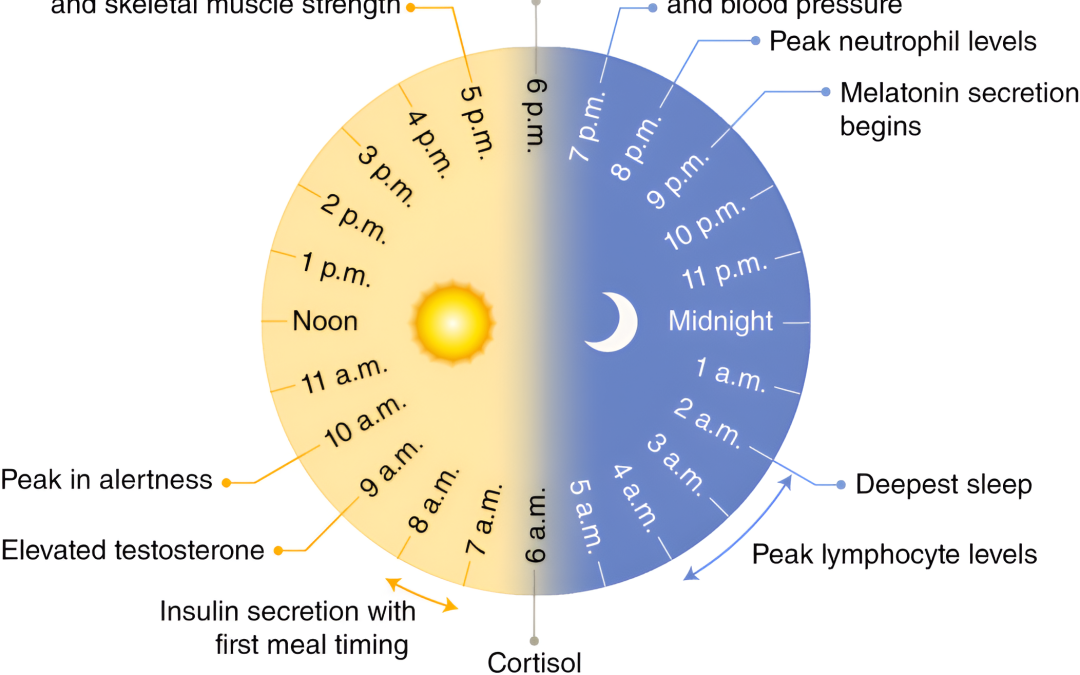
The internal clock controls sleep and wake cycles. It also manages hormone levels, like melatonin and cortisol. Body temperature rises and falls in a daily pattern. The rhythm affects digestion and appetite too. Even blood pressure and immune function follow this cycle. These processes help keep the body balanced and healthy.
Role Of Light And Darkness
The circadian rhythm is a natural, internal process that controls the sleep-wake cycle. Light and darkness play a key role in keeping this rhythm on track. They act as signals that tell the body when to be awake and when to rest. Understanding how light and darkness affect this rhythm helps improve sleep and overall health.
Impact Of Natural Light
Natural light helps reset the circadian rhythm every day. Morning sunlight sends a strong signal to the brain that it is time to wake up. This boosts alertness and mood. Exposure to daylight also helps regulate hormones like melatonin, which controls sleep. Spending time outside during the day supports a healthy sleep cycle and better energy levels.
Effects Of Artificial Light
Artificial light can confuse the circadian rhythm. Bright screens and indoor lights at night trick the brain into thinking it is still daytime. This can delay the production of melatonin, making it harder to fall asleep. Using artificial light late at night may cause poor sleep quality and tiredness the next day. Limiting screen time and dimming lights before bed helps protect the natural rhythm.
Circadian Rhythm And Sleep
The circadian rhythm is a natural process that controls many body functions. One of its most important roles is managing sleep. This internal clock tells your body when to feel awake and when to feel sleepy. It follows a roughly 24-hour cycle, influenced by light and darkness in your environment.
Proper circadian rhythm helps you get good quality sleep. It allows your body to rest, repair, and prepare for the next day. Disruptions to this rhythm can cause sleep problems and affect overall health.
Sleep-wake Cycle
The sleep-wake cycle is the pattern of feeling alert and tired throughout the day. This cycle depends on the circadian rhythm. During the day, light signals your brain to stay awake. At night, darkness signals your body to produce melatonin, the sleep hormone.
This cycle repeats every 24 hours. It helps you fall asleep and wake up naturally. Keeping a regular sleep schedule supports a healthy circadian rhythm and improves sleep quality.
Common Sleep Disorders
Many sleep disorders happen when the circadian rhythm is off. Insomnia is one common disorder where people find it hard to fall or stay asleep. Another is delayed sleep phase disorder, where the sleep schedule is shifted later than normal.
Shift work sleep disorder affects those working night shifts or changing schedules often. These disorders cause tiredness, poor concentration, and health issues. Fixing circadian rhythm problems can reduce sleep disorders and improve rest.
Influence On Mental And Physical Health
The circadian rhythm affects both the mind and body in many ways. It controls daily cycles of alertness, sleep, and energy. This internal clock helps maintain balance for mental health and physical wellness.
Disruptions in this rhythm can lead to mood swings, tiredness, and health issues. Understanding its influence can help improve overall well-being.
Mood And Cognitive Function
The circadian rhythm shapes mood by regulating sleep and wake times. Poor sleep often causes irritability and stress. A steady rhythm supports clear thinking and better memory.
People with regular sleep patterns find it easier to focus. Mood disorders like depression link closely to circadian disruptions. Keeping the rhythm steady can reduce these risks.
Metabolism And Immune System
The circadian rhythm guides metabolism, affecting how the body uses energy. It controls hormone release, digestion, and appetite. A balanced rhythm helps maintain a healthy weight.
Immune function also relies on this cycle. The body fights infections better when the rhythm is stable. Disrupted rhythms may weaken immune defenses and slow healing.
Disruptions To The Rhythm
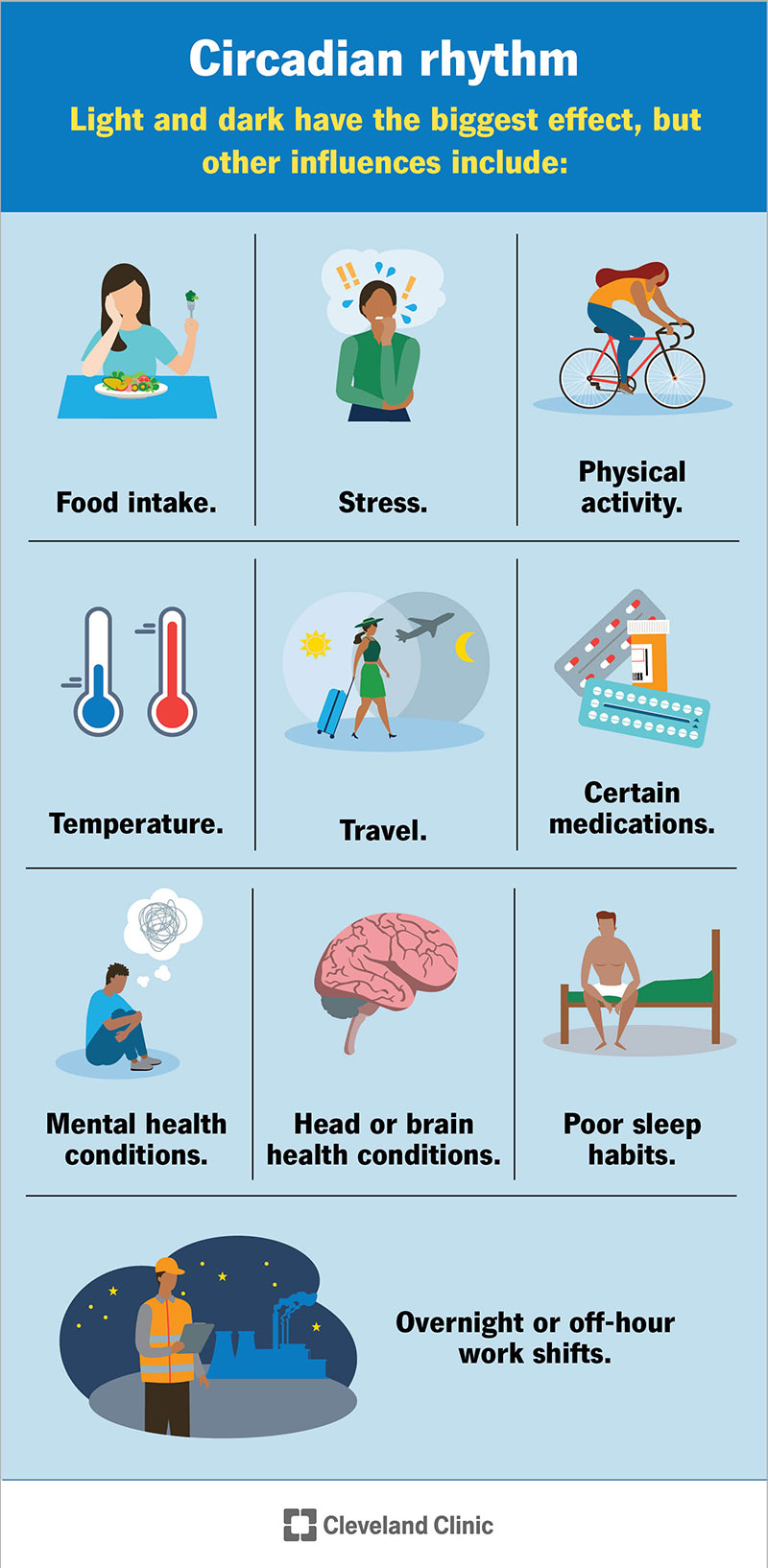
The circadian rhythm is a natural 24-hour cycle that controls many body functions. It helps regulate sleep, hunger, mood, and energy. This rhythm depends on regular cues from light and darkness. Disruptions to this rhythm can cause problems with health and well-being.
Disruptions happen when the normal cycle gets out of sync. This can lead to poor sleep, tiredness, and trouble focusing. Some disruptions come from work schedules and travel. Others come from daily habits and lifestyle choices.
Shift Work And Jet Lag
Shift work often forces people to be awake at night. This breaks the natural sleep-wake cycle. The body struggles to adjust, causing fatigue and stress. Over time, it can increase the risk of heart disease and diabetes.
Jet lag happens after traveling across time zones. The body clock stays on the old time. This causes tiredness, headaches, and difficulty concentrating. Recovery may take several days as the rhythm resets.
Lifestyle Factors
Using screens late at night disrupts the circadian rhythm. The blue light from devices tricks the brain into thinking it is daytime. This lowers melatonin, the sleep hormone, making it hard to fall asleep.
Irregular meal times and lack of exercise also affect the rhythm. Eating late or skipping meals can confuse the body’s signals. Lack of physical activity reduces the quality of sleep and energy levels.
Ways To Support Your Natural Clock
Supporting your natural clock helps keep your body and mind balanced. It improves sleep, mood, and overall health. Simple daily habits can align your circadian rhythm effectively.
Healthy Sleep Habits
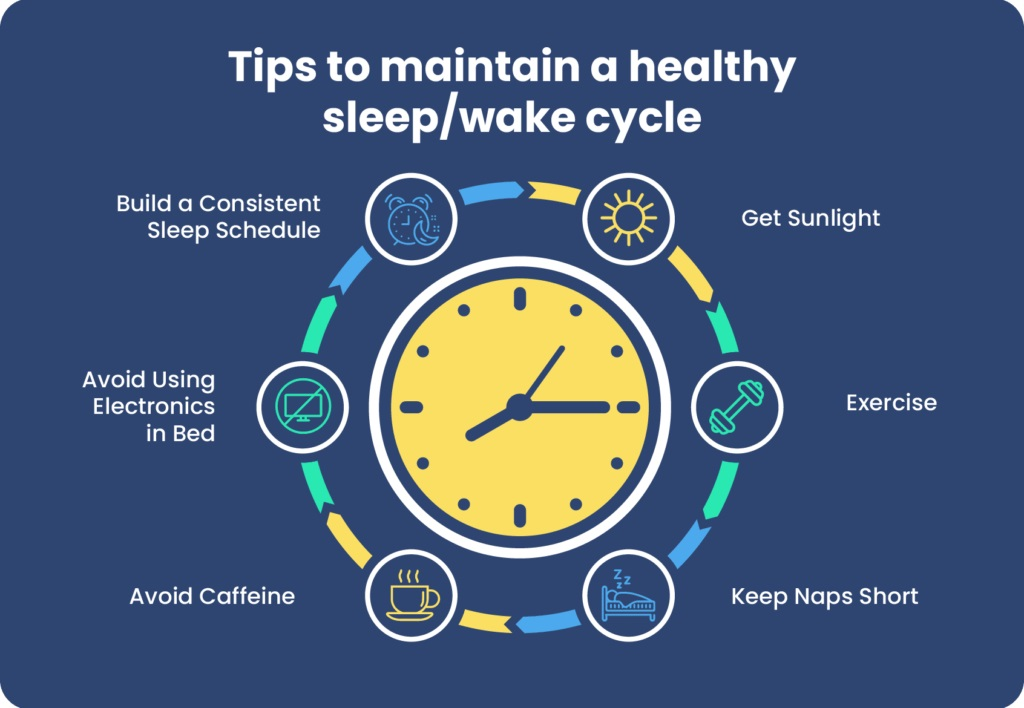
Go to bed and wake up at the same time each day. This consistency trains your body to follow a steady rhythm. Avoid screens at least one hour before bedtime. The blue light from devices can confuse your brain. Create a calm, dark, and cool sleep environment. These conditions help your body relax and fall asleep faster.
Light Exposure Strategies
Natural light is a powerful cue for your circadian rhythm. Spend time outside in the morning to boost alertness. Open curtains to let sunlight into your home during the day. Reduce bright artificial lights in the evening to prepare your body for rest. Use dim, warm lights at night to signal it is time to wind down.
Meal Timing And Exercise
Eat meals at regular times to support your body clock. Avoid heavy meals late at night to prevent sleep disruptions. Exercise during daylight hours to increase energy and improve sleep quality. Avoid intense workouts close to bedtime as they can keep you awake. Gentle stretching or yoga can relax your body before sleep.
Frequently Asked Questions
What Is The Circadian Rhythm In Simple Terms?
The circadian rhythm is your body’s internal 24-hour clock. It regulates sleep, wakefulness, and many bodily functions. This natural cycle responds to light and darkness, helping maintain overall health and energy levels daily.
How Does Circadian Rhythm Affect Sleep Quality?
Circadian rhythm controls the timing of sleep by signaling when to feel sleepy or alert. Disruptions can cause poor sleep quality, leading to fatigue and health issues. Keeping a consistent sleep schedule supports a healthy circadian rhythm and better rest.
Can Circadian Rhythm Influence Mental Health?
Yes, circadian rhythm impacts mood and cognitive functions. Disruptions may increase risks of depression and anxiety. Maintaining regular sleep-wake cycles promotes emotional stability and mental well-being by supporting brain function.
What Factors Can Disrupt The Circadian Rhythm?
Common disruptors include irregular sleep schedules, excessive screen time, shift work, and jet lag. These factors confuse your internal clock, causing sleep problems and health issues. Managing light exposure and routine helps keep your rhythm balanced.
Conclusion
The circadian rhythm controls our sleep and wake times. It helps our bodies know when to rest and when to be active. Keeping a regular schedule supports this natural clock. Good sleep improves mood, energy, and health. Simple habits like going to bed early can help.
Understanding your circadian rhythm can guide better daily choices. Small changes lead to better rest and well-being. Your body works best when you respect its natural timing.

