
Have you ever tossed and turned all night, struggling to get comfortable? The secret to a good night’s sleep might be closer than you think.
Your bedroom temperature plays a huge role in how well you rest. But what is the ideal temperature to help you fall asleep faster and wake up refreshed? Keep reading, because discovering the perfect sleep temperature could change the way you sleep forever.
Quick Navigation
Optimal Temperature Range
Finding the right temperature for your bedroom helps you sleep better. Your body cools down naturally to prepare for sleep. A room that is too hot or too cold can stop this process.
The ideal temperature range supports this natural cooling. It creates a comfortable space where your body can rest deeply.
Recommended Degrees For Adults
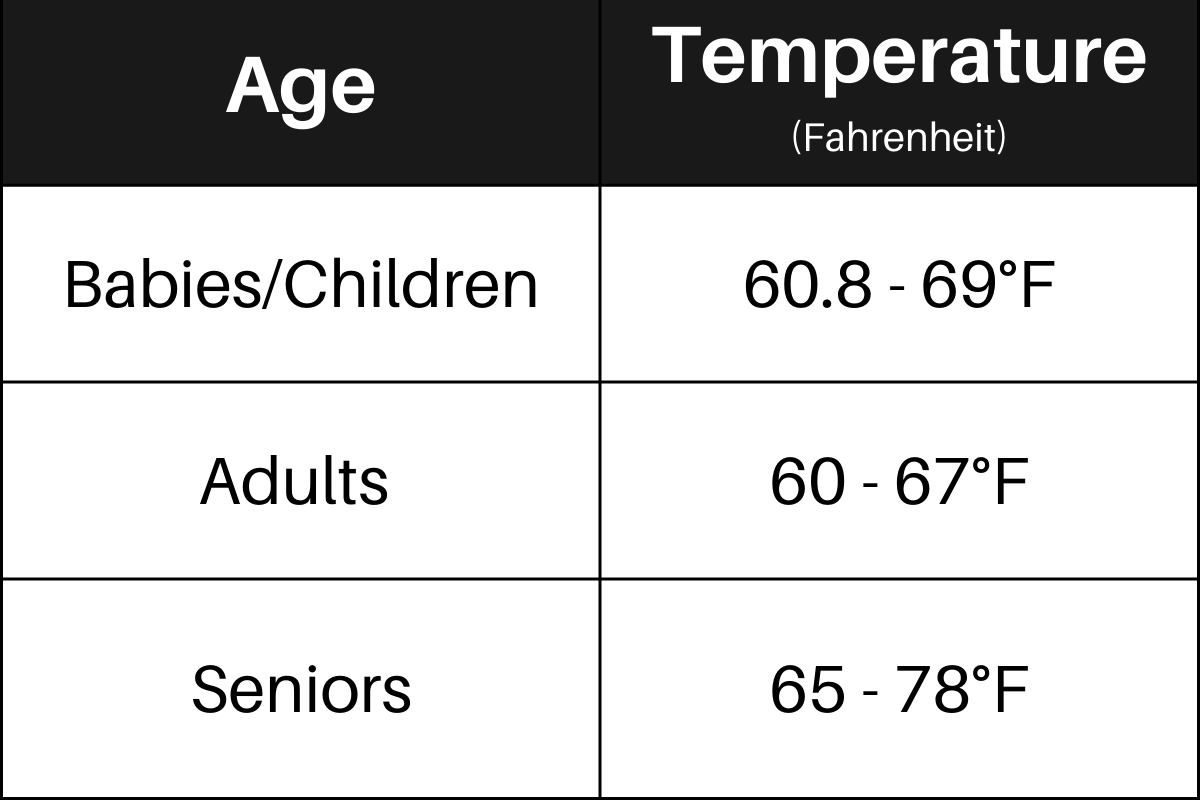
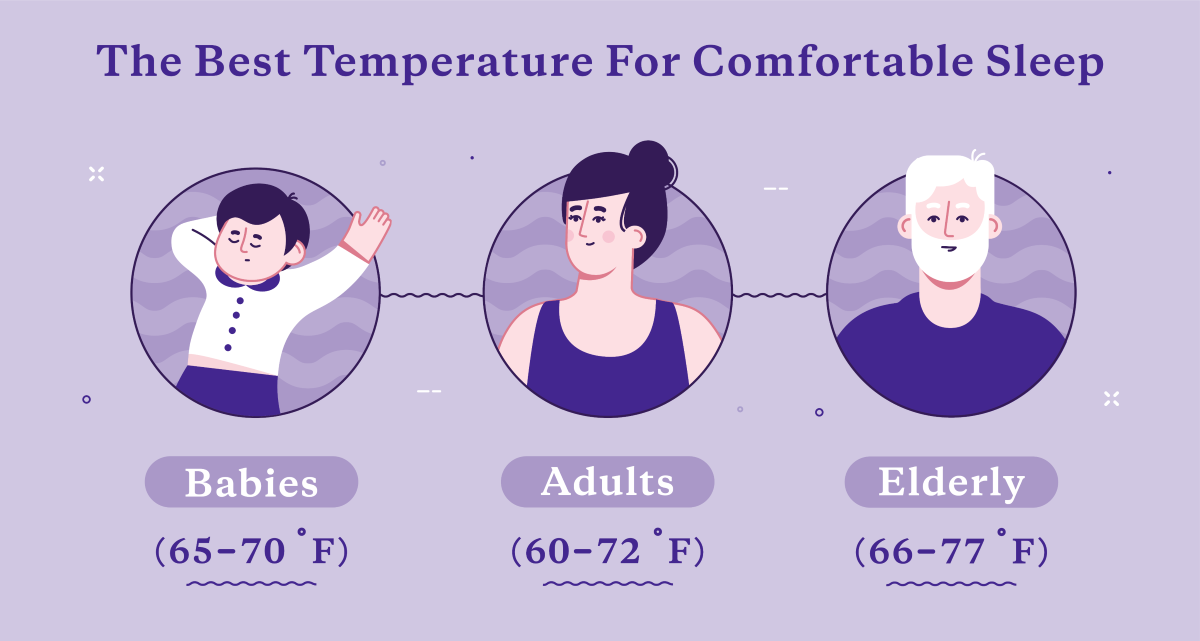
Adults generally sleep best between 60 and 67 degrees Fahrenheit (15 to 19 degrees Celsius). This range helps the body lower its temperature. Cooler rooms promote longer and more restful sleep cycles. Many people feel sleepy faster at this temperature.
Variations By Age Group
Children and babies need slightly warmer rooms, usually between 65 and 70 degrees Fahrenheit (18 to 21 degrees Celsius). Older adults may prefer warmer temperatures too, around 68 to 72 degrees Fahrenheit (20 to 22 degrees Celsius). Their bodies may not regulate temperature as well.
Seasonal Adjustments
Temperature needs can change with the seasons. In winter, a warmer room helps avoid chills. In summer, cooler air prevents overheating. Using fans or air conditioners can help keep the room comfortable year-round.
How Temperature Affects Sleep Quality
Temperature plays a big role in how well you sleep. Your bedroom’s temperature affects your body’s ability to rest deeply. Too hot or too cold can stop good sleep cycles. Understanding this can help you sleep better each night.
Sleep quality depends on keeping your body temperature in a certain range. This balance helps your brain and body relax fully. Let’s explore how temperature affects different parts of your sleep.
Body Temperature And Sleep Cycles
Your body temperature naturally drops to start sleep. This drop signals your brain to produce melatonin, the sleep hormone. A cool room helps your body lower its temperature faster. If the room is warm, your body stays hot, making sleep harder.
During the night, your temperature changes with sleep stages. A stable environment supports smooth transitions between these stages. The right temperature helps your body follow its natural rhythm.
Impact On Rem And Deep Sleep
REM sleep is where dreaming happens, and deep sleep helps repair your body. Both need the right temperature to work well. Too warm, and REM sleep may shorten. Too cold, and deep sleep might get interrupted.
Keeping your room cool, around 60-67°F (15-19°C), supports long REM and deep sleep phases. This creates a restful night and better energy the next day.
Common Sleep Disruptions
High or low temperatures cause frequent waking and restlessness. Sweating or shivering wakes you up often. These disruptions reduce total sleep time and make you feel tired.
Even small changes in bedroom temperature can affect sleep quality. A consistent, comfortable temperature helps avoid these problems. This way, you stay asleep longer and wake feeling refreshed.
Factors Influencing Bedroom Temperature
Bedroom temperature affects how well you sleep. Many factors change the temperature in your room. Understanding these factors helps create a better sleep environment. Small changes can make a big difference in comfort and rest.
Room Insulation And Ventilation
Good insulation keeps your bedroom warm in winter and cool in summer. Poor insulation lets heat escape or enter easily. Ventilation helps fresh air flow through the room. Open windows or vents can lower room temperature. Closed windows trap heat, making the room warmer. Proper insulation and ventilation balance room temperature well.
Bedding And Sleepwear Choices
The type of bedding affects how warm you feel. Heavy blankets keep you hot, while light sheets cool you down. Choose breathable materials like cotton for better airflow. Sleepwear also matters. Thick pajamas trap heat, thin clothes let heat escape. Adjust bedding and clothes to control your body temperature at night.
Humidity Levels
Humidity changes how hot or cold your room feels. High humidity makes the air feel warmer and sticky. Low humidity can make the air dry and cooler. Using a humidifier or dehumidifier adjusts the moisture in the air. Balanced humidity helps your body stay comfortable and sleep better.

Tips To Maintain Ideal Temperature
Keeping the right temperature in your bedroom helps you sleep better. Too hot or too cold can disturb your rest. Small changes make a big difference. Here are practical tips to keep your room cozy and comfy all night.
Using Fans And Air Conditioners
Fans move air around, cooling your skin and making you feel cooler. They use less energy than air conditioners. Air conditioners lower the room temperature quickly. Set them to about 65-70°F for best sleep. Use a timer to turn them off after you fall asleep.
Heating Solutions For Cold Nights
Heaters warm the room when it gets cold. Electric heaters are easy to use and safe. Use warm blankets or a hot water bottle for extra heat. Avoid overheating the room, which can make sleep hard. Keep heaters away from flammable items.
Smart Thermostat Settings
Smart thermostats adjust temperature automatically. Set them to lower heat or cooling at night. Some models learn your schedule and save energy. Use the app to change settings without getting up. This keeps your room comfortable all night long.
Personalizing Bedroom Climate
Finding the right bedroom temperature is not a one-size-fits-all task. Each person’s ideal sleep climate varies. Personalizing your bedroom temperature helps improve your sleep quality. It creates a comfortable space that fits your unique needs. Small changes make a big difference in how you rest and wake up.
Listening To Your Body’s Signals
Your body shows clear signs about your comfort. Feeling too hot or cold at night means an adjustment is needed. Notice if you sweat or shiver during sleep. These clues guide you to set the temperature just right. Trust your body’s feedback for better rest.
Adjusting For Health Conditions
Health issues can affect your temperature needs. Conditions like arthritis or menopause may cause night sweats or chills. Adjust your bedroom climate to ease these symptoms. Cooler air might help reduce sweating. Warmer air can soothe aches. Tailor your environment to support your health.
Balancing Partner Preferences
Sharing a bedroom means balancing two temperature needs. One might prefer cooler air, the other warmer. Try using separate blankets or fans to meet both needs. Another option is adjusting the thermostat to a middle ground. Communication helps find a comfortable solution for both.
Frequently Asked Questions
What Temperature Is Best For A Comfortable Sleep?
The ideal bedroom temperature for sleep is between 60-67°F (15-19°C). This range helps lower your body temperature, promoting deeper and more restful sleep.
How Does Room Temperature Affect Sleep Quality?
Room temperature influences your body’s ability to regulate heat. A cooler room prevents overheating, reduces wakefulness, and improves sleep cycles and overall rest.
Can A Warm Bedroom Disrupt Sleep?
Yes, a warm bedroom can cause discomfort and sweating. It raises your body temperature, leading to restless sleep and frequent awakenings.
Should I Adjust Bedroom Temperature Seasonally?
Yes, adjusting temperature with seasons helps maintain comfort. Cooler settings in winter and moderate cooling in summer support consistent sleep quality.
Conclusion
Finding the right bedroom temperature helps you sleep better every night. Most people feel best between 60 and 67 degrees Fahrenheit. Too hot or too cold can make sleep hard. A cool room helps your body relax and rest deeply.
Try adjusting your thermostat or using fans to stay comfortable. Small changes can improve your sleep quality a lot. Sweet dreams start with the perfect sleep temperature. Give it a try and see the difference yourself.

