
As an Amazon Associate I earn from qualifying purchases.
Have you ever checked your sleep report and noticed a section called “light sleep” and wondered what it really means for your rest? Understanding this part of your sleep can unlock important clues about how well your body and mind recover each night.
You’ll discover why light sleep matters, how it affects your energy, and what you can do to improve it. Keep reading to learn how to make every minute of your sleep work better for you.
Quick Navigation
Light Sleep Basics
Light sleep is a key part of your sleep cycle. It helps your body rest and prepares you for deeper sleep stages. Understanding light sleep can explain why you feel refreshed or tired after waking up.
This stage is often seen in sleep reports. It shows how long you spend in lighter rest before deep sleep or waking up. Let’s explore the basics of light sleep to understand its role better.
Stages Of Sleep Cycle
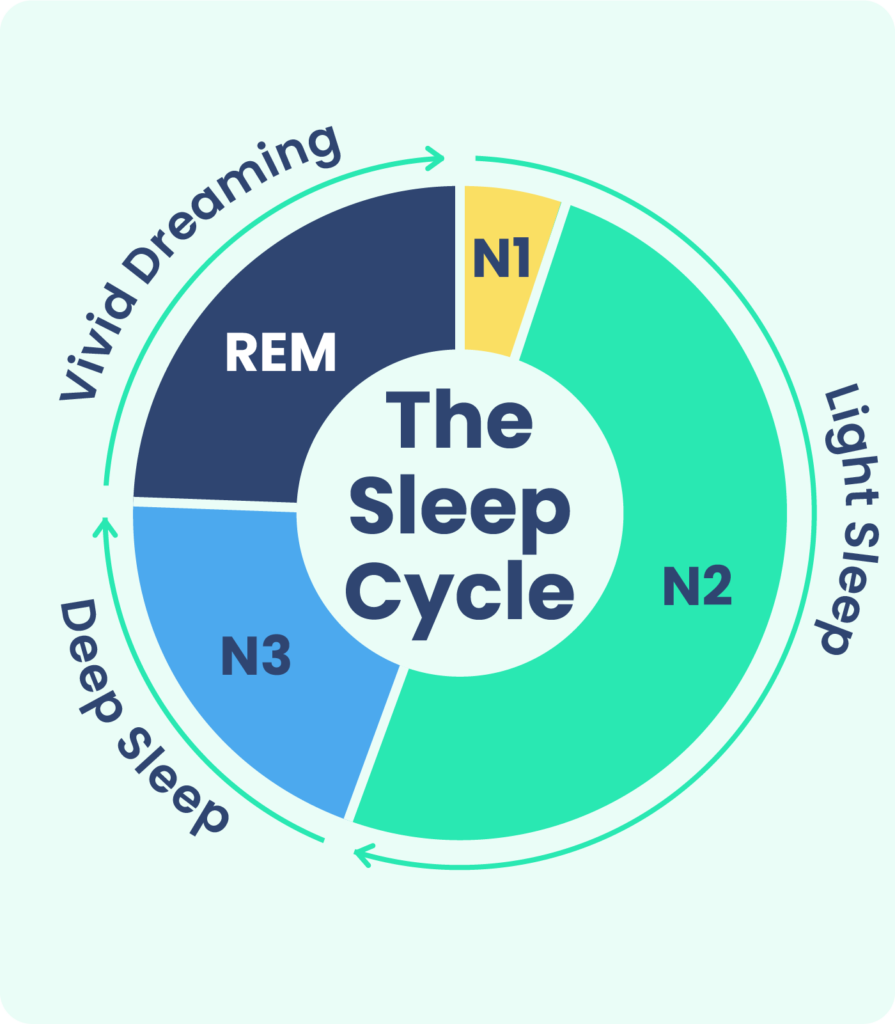
Sleep has several stages. It starts with light sleep, moves to deep sleep, and ends with REM sleep. Light sleep is the first stage after falling asleep. It usually lasts for 5 to 10 minutes.
This stage repeats many times during the night. Each cycle lasts about 90 minutes. Light sleep acts as a bridge between being awake and deeper sleep stages.
Characteristics Of Light Sleep
During light sleep, your body begins to relax. Heart rate and breathing slow down. Muscles loosen but can still move easily. You can wake up quickly from light sleep.
Your brain waves slow but stay active. This is why you may hear sounds or respond to your environment. Light sleep helps your body repair and restore energy for the next day.
Light Sleep In Sleep Reports
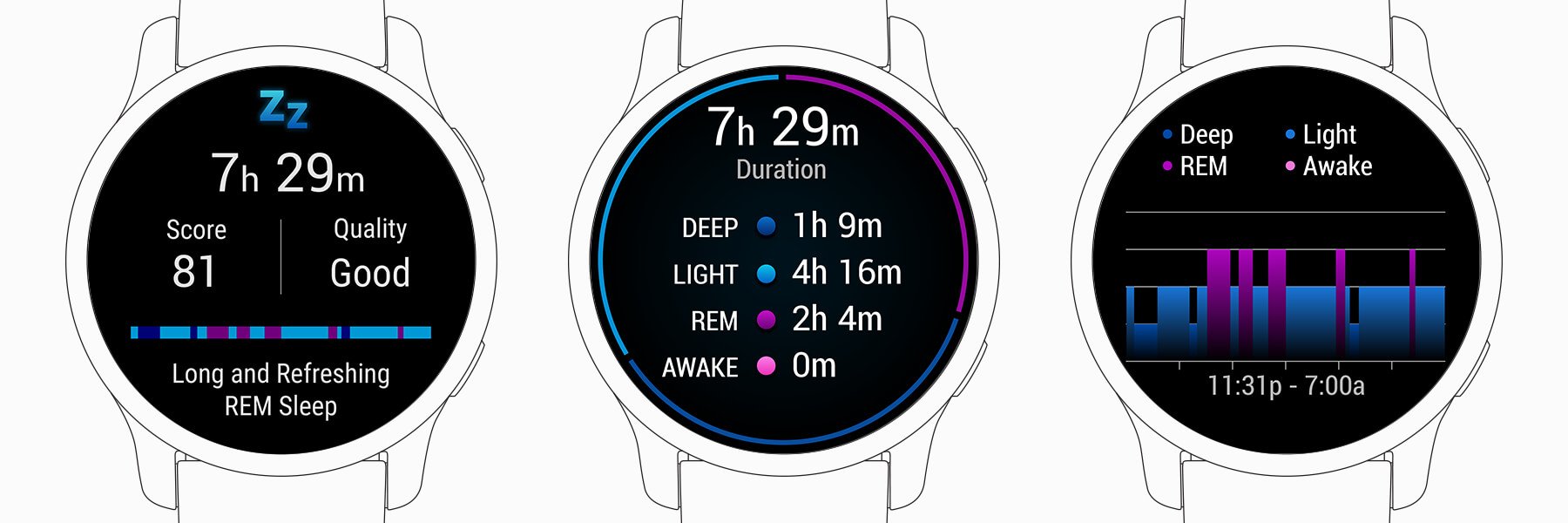
Light sleep is a key part of your nightly rest. It appears clearly in sleep reports. This stage is when your body starts to relax, but you can still wake up easily. Understanding light sleep helps you know how well you recover each night.
Sleep reports break down your night into stages. Light sleep often takes up a big part. It is important for memory and brain function. It also helps your body prepare for deep sleep.
How Light Sleep Is Measured
Sleep devices track brain waves, heart rate, and movement. These signs show when you are in light sleep. Your brain waves slow down but stay active. Sensors detect these changes and mark the stage.
Movement also tells the device about your sleep stage. Small shifts mean you might be in light sleep. Heart rate tends to drop but not as low as deep sleep. The device uses these clues to identify light sleep periods.
Common Metrics And Terms
Sleep reports use terms like “Stage 1” and “Stage 2” for light sleep. Stage 1 is the transition from wakefulness to sleep. Stage 2 is deeper but still light. Most light sleep is Stage 2.
Reports often show light sleep as a percentage of total sleep time. They also list minutes spent in this stage. These numbers help you see if you get enough rest for recovery.
Impact On Rest Quality
Light sleep plays a big part in how well you rest each night. It acts as a bridge between deep sleep and waking moments. This stage helps your brain and body prepare for deeper sleep phases. The quality of light sleep can affect how fresh and alert you feel the next day.
Too little light sleep can make you feel groggy or forgetful. Too much might stop you from reaching the deeper, more restful sleep stages. Understanding light sleep’s role helps explain why some nights feel more refreshing than others.
Role In Memory And Learning
Light sleep helps the brain sort and store new information. It moves memories from short-term to long-term storage. This process makes learning easier and helps you remember facts better. Skipping light sleep can make it harder to focus and recall details.
Effects On Physical Restoration
During light sleep, the body repairs cells and tissues. It also helps regulate breathing and heart rate. This stage supports muscle recovery and boosts immune function. Poor light sleep can slow down healing and leave you feeling tired.
Balancing Light And Deep Sleep
Balancing light and deep sleep is important for a healthy sleep cycle. Both stages play unique roles in rest and recovery. Light sleep helps the body transition between wakefulness and deep sleep. Deep sleep restores energy and supports memory. Understanding how these stages work together can improve sleep quality.
Ideal Sleep Stage Proportions
Sleep consists of multiple stages, including light and deep sleep. Light sleep usually makes up about 50% to 60% of total sleep time. Deep sleep accounts for 10% to 20%. The rest includes REM sleep. Each stage has a purpose. Too much light sleep can leave you feeling tired. Too little deep sleep may affect memory and health.
Factors That Influence Sleep Stages
Several factors affect the balance of light and deep sleep. Age changes sleep patterns naturally. Younger people tend to get more deep sleep. Stress and anxiety can increase light sleep and reduce deep sleep. Sleep environment also matters. Noise and light can interrupt deep sleep. Physical activity and diet play roles too. Good habits help maintain the right sleep balance.
Improving Light Sleep
Improving light sleep can help you feel more rested and energized. Light sleep is a stage where your body starts to relax but is still somewhat aware of the surroundings. Enhancing this stage can lead to better overall sleep quality. Small changes in habits and the bedroom setup can make a big difference.
Lifestyle Changes
Stick to a regular sleep schedule. Going to bed and waking up at the same time helps your body find a rhythm. Avoid caffeine and heavy meals before bedtime. These can keep your brain active and delay sleep. Try gentle exercise during the day. Moving your body can improve sleep depth and reduce light sleep interruptions.
Sleep Environment Tips
Keep your bedroom cool and dark. A quiet space helps your brain relax deeply. Use blackout curtains or a sleep mask to block light. Remove electronic devices or use “do not disturb” modes. Blue light from screens can stop your body from entering deep sleep. Choose a comfortable mattress and pillows. Supportive bedding reduces tossing and turning during light sleep.
When To Seek Help
Understanding when to seek help about your light sleep can improve your overall rest. Light sleep is a normal part of the sleep cycle. But too much light sleep or poor sleep quality may signal a problem. Knowing the signs helps you act early and protect your health.
Not all sleep issues require medical help. Yet, some signs should not be ignored. Getting a professional opinion can lead to better diagnosis and treatment. This section explains key signs and how to find the right specialist.
Signs Of Sleep Disorders
Waking up feeling tired despite enough sleep is a warning sign. Loud snoring or gasping for air during sleep may indicate sleep apnea. Difficulty staying asleep or falling asleep often points to insomnia. Excessive daytime sleepiness can affect daily activities and safety. Nighttime restlessness or frequent awakenings also suggest a sleep problem.
Consulting Sleep Specialists
Start by talking to your primary care doctor about your sleep issues. They may refer you to a sleep specialist. Sleep specialists study sleep disorders and use tests like polysomnography. These tests measure brain waves, breathing, and heart rate during sleep. Specialists create personalized plans to improve your sleep quality. Early consultation can prevent worsening of symptoms and improve life quality.

Frequently Asked Questions
What Does Light Sleep Indicate In Sleep Reports?
Light sleep is a sleep phase where your body rests but remains easily awakened. It helps with memory and physical recovery. Sleep reports show light sleep duration to assess sleep quality and cycles.
How Much Light Sleep Is Normal Per Night?
Adults typically spend 50-60% of their sleep in light sleep. This usually equals 3 to 4. 5 hours per night. Variations depend on age, health, and lifestyle factors.
Can Too Much Light Sleep Affect Health?
Excessive light sleep may reduce restorative deep sleep and REM stages. This can lead to fatigue, poor concentration, and weakened immunity over time.
How Is Light Sleep Measured In Sleep Reports?
Sleep trackers use movement, heart rate, and brain activity to identify light sleep. Data is then shown as time spent in this phase during the night.
Conclusion
Light sleep is a normal part of your sleep cycle. It helps your body rest and prepare for deep sleep. Too much light sleep might make you feel tired the next day. Sleep reports show how much light sleep you get each night.
Understanding this can help you improve your sleep quality. Good sleep supports your health and energy. Pay attention to your sleep patterns. Small changes can make a big difference in how you feel. Keep track and aim for balanced sleep stages every night.