
Have you ever noticed how a good night’s sleep can change your entire day? When you stick to a consistent bedtime, your body and mind thank you in ways you might not expect.
You feel more focused, energized, and ready to tackle whatever comes your way. But why does going to bed at the same time every night make such a difference? You’ll discover the simple yet powerful reasons why consistent bedtimes matter—and how making this small change can improve your health, mood, and productivity.
Keep reading to unlock the secret to better sleep and a better you.
Quick Navigation
Benefits Of Consistent Bedtimes
Setting a regular bedtime helps the body and mind work better. It creates a steady rhythm that supports overall health. Consistent bedtimes bring many benefits that improve daily life. Sleep becomes deeper and more refreshing. Mental clarity and mood get better. The immune system grows stronger to fight illnesses. Here are key benefits of keeping a steady bedtime routine.
Improved Sleep Quality
Going to bed at the same time helps the body know when to rest. This regular schedule improves sleep cycles. You fall asleep faster and stay asleep longer. Deep sleep stages increase, which aid repair and healing. Waking up feels easier and more natural. Better sleep quality boosts energy and focus during the day.
Enhanced Mental Health
Consistent bedtimes support brain function and mood stability. Lack of sleep can cause stress and anxiety. Regular sleep helps reduce these feelings. It also improves memory and decision-making skills. A steady sleep pattern lowers the risk of depression. Mental health is stronger with good sleep habits.
Boosted Immune Function
Sleep is crucial for a healthy immune system. Regular bedtimes help the body produce infection-fighting cells. This makes it easier to fight off viruses and bacteria. People who sleep well get sick less often. Consistent rest also speeds up recovery from illness. Immune strength depends on steady, quality sleep.
How Bedtime Affects Your Body Clock
Bedtime plays a key role in keeping your body clock steady. Your body clock, also called the circadian rhythm, controls many daily functions. It tells your body when to sleep, wake, eat, and rest. A consistent bedtime helps this clock stay on track. Irregular bedtimes can confuse your body clock. This can lead to feeling tired, stressed, or unwell. Understanding how bedtime affects your body clock can help improve your sleep and health.
Role Of Circadian Rhythms
Circadian rhythms are natural cycles that repeat every 24 hours. They guide your sleep-wake cycle and other body functions. The brain’s internal clock adjusts to light and dark outside. Going to bed at the same time every night keeps these rhythms steady. This regularity helps your body prepare for sleep. It signals when to release sleep hormones and when to wake up. Disrupted rhythms can cause sleep problems and fatigue.
Impact On Hormone Release
Your body releases hormones according to your sleep schedule. Melatonin is a hormone that makes you feel sleepy. It starts rising in the evening and drops in the morning. Consistent bedtimes help melatonin release at the right time. Cortisol, the stress hormone, peaks in the morning to wake you up. If you sleep at different times, hormone levels may fall out of sync. This can affect mood, alertness, and overall health.
Connection To Energy Levels
Energy levels depend on how well your body clock works. A steady bedtime helps your body get enough deep sleep. Deep sleep restores energy and repairs cells. Without it, you may feel tired during the day. Irregular sleep times can cause daytime sleepiness and low focus. Sticking to a set bedtime boosts energy and improves daily performance.
Consequences Of Irregular Sleep Schedules
Irregular sleep schedules can cause serious problems for your health and daily life. When bedtimes vary each night, the body’s natural rhythm gets disturbed. This leads to many negative effects that affect the mind and body. Understanding these consequences helps highlight why consistent bedtimes matter.
Increased Risk Of Chronic Diseases
Irregular sleep disrupts the body’s internal clock. This disruption raises the risk of heart disease and diabetes. Poor sleep patterns also increase blood pressure. Over time, these issues build up, leading to serious health problems.
Mood And Cognitive Impairments
Sleep inconsistency harms brain function. It causes memory problems and lowers concentration. Mood swings and irritability become more common. Learning and decision-making abilities also suffer. This makes daily tasks harder and less productive.
Weakened Immune Response
The immune system needs regular sleep to stay strong. Irregular sleep weakens its defense against germs. This leads to more frequent colds and infections. Healing and recovery slow down as well. The body becomes less able to fight illness.
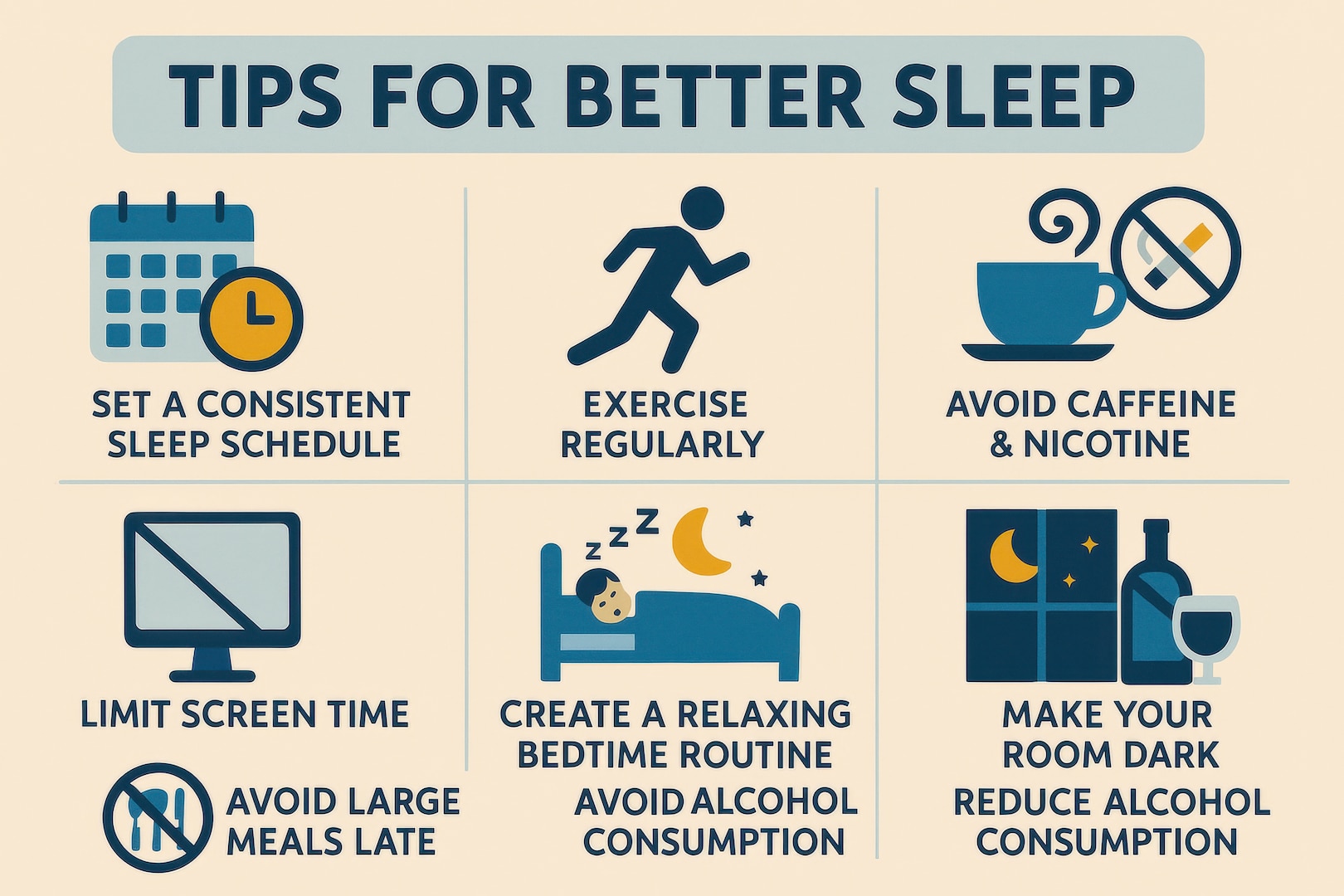
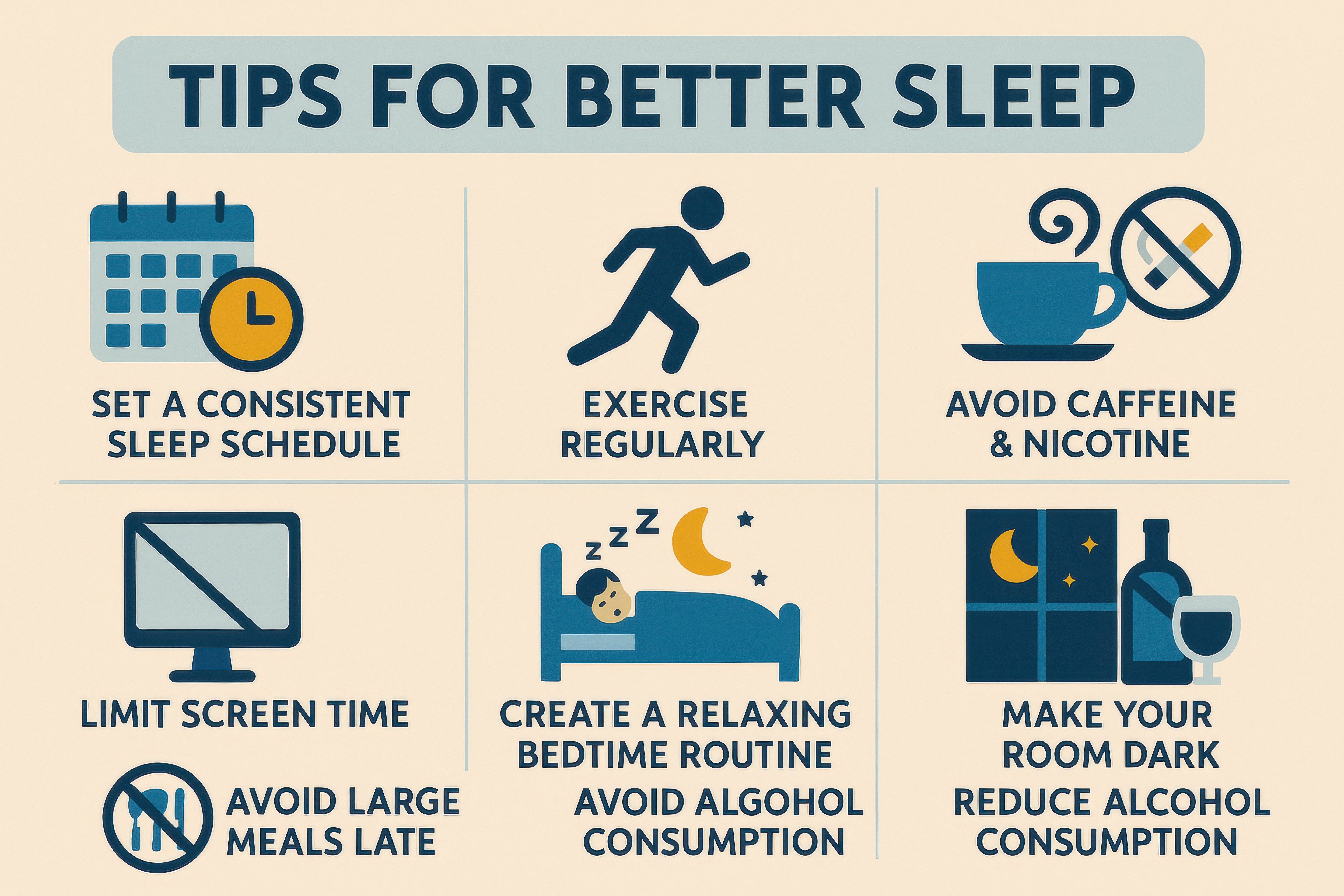
Tips For Establishing Consistent Bedtimes
Setting a regular bedtime can improve your sleep quality. It helps your body know when to rest and wake up. Sticking to a schedule can make falling asleep easier and reduce tiredness during the day.
Here are some simple tips to help set and keep consistent bedtimes.
Creating A Relaxing Evening Routine
Start winding down an hour before bed. Try calming activities like reading or listening to soft music. Avoid heavy meals or vigorous exercise close to bedtime. Dim the lights to signal your body it is time to relax.
Limiting Screen Time Before Bed
Turn off phones, tablets, and computers at least 30 minutes before sleep. The blue light from screens can keep your brain alert. Instead, choose activities that help you relax without screens. This can make falling asleep faster and easier.
Managing Stress And Anxiety
Stress can keep your mind active and delay sleep. Try deep breathing exercises or gentle stretching to calm your body. Writing down worries or plans can clear your mind. A calm mind helps you fall asleep and stay asleep.
Tracking And Adjusting Sleep Patterns
Tracking and adjusting sleep patterns help improve your sleep quality. It shows how well you stick to your bedtime and wake time. You learn what affects your sleep and how to fix it. This process supports better health and daily energy.
Using Sleep Journals Or Apps
Write down when you go to bed and wake up. Note how you feel in the morning. Use apps to track sleep duration and restlessness. These tools give clear data about your sleep habits. They help spot patterns and problems easily.
Recognizing Sleep Debt
Sleep debt happens when you miss sleep over time. It makes you tired and less alert. Notice if you feel sleepy during the day. This shows you need more rest. Catching sleep debt early helps you avoid health issues.
Making Gradual Changes
Change your bedtime slowly, about 15 minutes each night. This helps your body adjust without stress. Stick to the new time every day, even weekends. Small steps lead to better sleep habits and more energy.
Frequently Asked Questions
Why Is A Consistent Bedtime Important For Health?
A consistent bedtime helps regulate your body’s internal clock. It improves sleep quality, boosts mood, and supports overall health. Regular sleep patterns reduce the risk of chronic diseases and enhance daily energy levels.
How Does Consistent Sleep Affect Mental Health?
Consistent sleep reduces stress, anxiety, and depression. It supports brain function and emotional stability. Regular bedtimes promote better focus, memory, and cognitive performance throughout the day.
Can Regular Bedtimes Improve Physical Performance?
Yes, regular bedtimes help the body recover and repair. They enhance muscle growth, coordination, and reaction time. Consistent sleep supports better physical endurance and reduces injury risk.
What Happens If Bedtime Varies Daily?
Irregular bedtimes disrupt your circadian rhythm. This can cause poor sleep quality, fatigue, and mood swings. It may also lead to decreased productivity and weakened immune function.
Conclusion
Consistent bedtimes help your body feel rested and strong. Sleep improves mood, focus, and memory every day. A regular schedule supports healthy growth and healing. Good sleep habits protect your heart and brain health. Small changes in bedtime can lead to big benefits.
Try setting a bedtime and sticking to it daily. Your mind and body will thank you later. Better sleep means better life—simple as that.

