
Have you ever made a choice you later regretted after a night of little sleep? That’s not just bad luck—your brain really struggles when you don’t get enough rest.
Sleep deprivation doesn’t just make you tired; it clouds your judgment and slows down your decision-making. You’ll discover exactly why missing out on sleep can lead to poor choices and how it affects the way you think. Keep reading to learn what happens inside your mind when you’re running on empty—and how you can protect yourself from costly mistakes.

Quick Navigation
How Sleep Affects Brain Function
Sleep is vital for the brain to work well. It helps clear out waste and repair cells. Lack of sleep slows down these processes. The brain’s ability to think clearly drops. This harms how people judge situations.
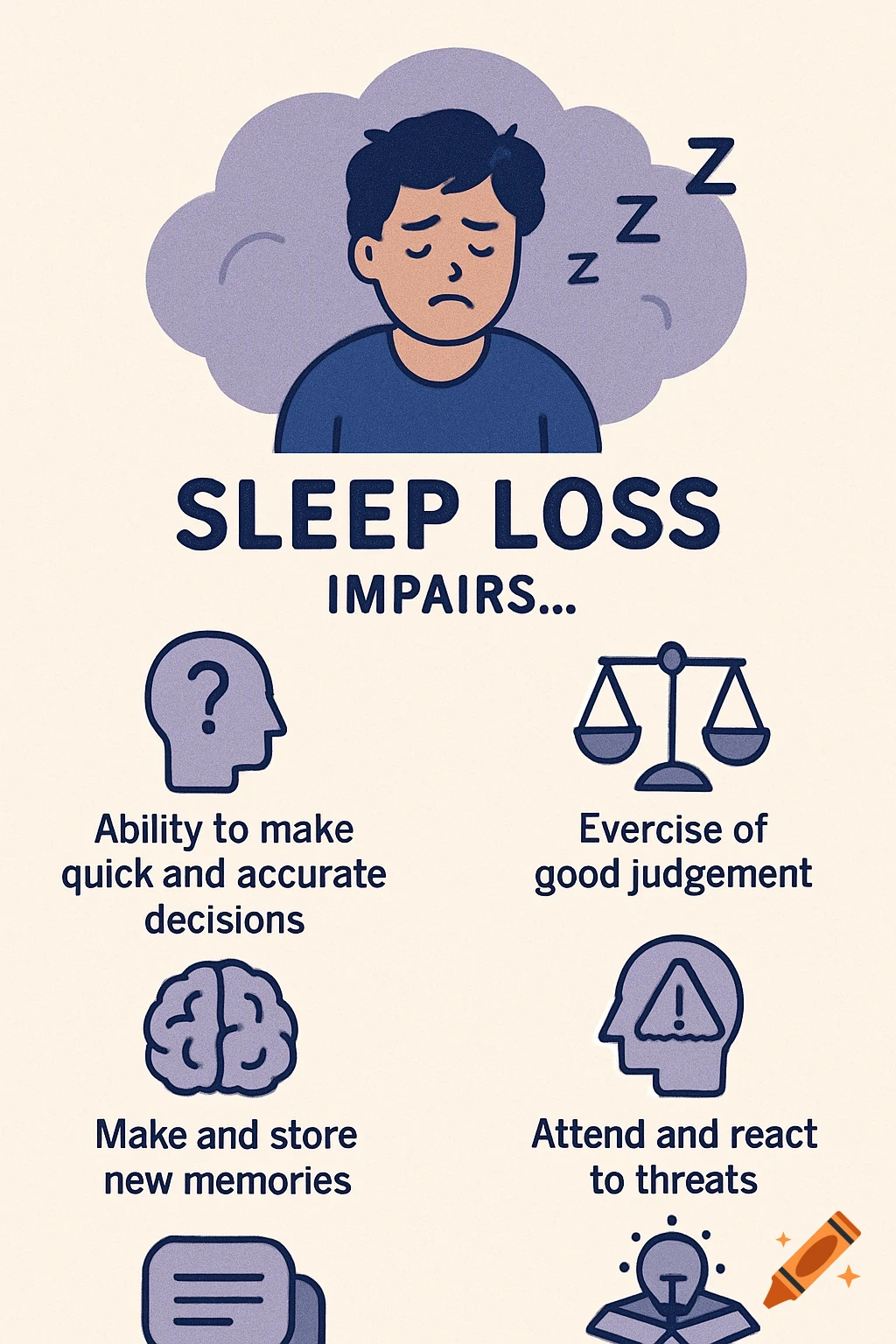
Sleep also supports memory and learning. Without enough rest, the brain struggles to focus. This makes decisions harder and less accurate. Understanding the role of sleep shows why judgment gets weak.
Role Of Sleep In Cognitive Processes
Sleep helps the brain process information. It sorts memories and stores important facts. This improves learning and recall. Without sleep, these tasks become difficult.
Rest also boosts attention and problem-solving skills. When tired, these abilities slow down. Poor sleep reduces mental sharpness. This causes mistakes and poor judgment.
Impact On Decision-making Areas
The prefrontal cortex controls decisions. Sleep loss reduces its activity. This part struggles to weigh options or predict outcomes.
Emotional centers become more active without sleep. This leads to impulsive choices. People may react without thinking clearly.
Overall, sleep deprivation disrupts brain balance. This weakens judgment and decision-making skills.
Consequences Of Sleep Loss On Judgment
Sleep loss affects how well the brain makes decisions. Lack of sleep weakens judgment skills. It lowers the ability to think clearly and choose wisely. This can cause mistakes in daily life and risky situations.
Judgment depends on focus, quick thinking, and understanding risks. Sleep deprivation harms all these parts. This section explains the main effects of sleep loss on judgment.
Reduced Attention And Focus
Sleep deprivation makes it hard to concentrate. The mind wanders and misses details. This loss of focus leads to poor choices. People may overlook important information. Tasks take longer and errors increase.
Impaired Risk Assessment
Judging danger becomes tricky without enough sleep. The brain fails to weigh risks well. Sleep-deprived people often underestimate threats. They may take unsafe chances. This can cause accidents or bad outcomes.
Slowed Reaction Times
Sleep loss slows how fast the brain reacts. Quick decisions become difficult. This delay affects responses in critical moments. It can be dangerous in driving or work. Slower reactions raise the chance of errors.
Emotional Effects Linked To Poor Sleep
Poor sleep affects emotions deeply. It changes how people feel and react. Emotions become harder to control. This leads to poor choices and bad judgment. Sleep deprivation makes feelings stronger and harder to manage. These emotional changes explain why tired people often act differently.
Increased Irritability And Mood Swings
Sleep loss makes people more irritable. Small problems feel bigger than they are. Patience wears thin quickly. Mood swings happen more often and without warning. This emotional instability affects decisions and interactions. It can cause conflicts at work or home. Tired minds struggle to stay calm and balanced.
Heightened Stress Response
Stress levels rise after poor sleep. The body reacts more strongly to stress. This causes anxiety and worry to increase. Clear thinking fades as stress grows. Higher stress reduces the ability to solve problems. The brain stays in a fight-or-flight mode. This weakens judgment and slows decision-making.

Real-life Risks Of Sleep Deprivation
Sleep deprivation affects how people think and make decisions. It lowers focus and slows reaction times. These changes can lead to real problems in daily life. The risks are clear and serious.
Understanding these risks helps us see why good sleep matters. It protects safety and keeps work steady. Below are key dangers linked to poor sleep.
Accidents And Safety Hazards
Sleep loss causes slow responses and poor judgment. Drivers who are tired have a higher chance of crashes. Workers using machines face bigger risks of injury. Simple tasks can become dangerous without enough rest. Sleep deprivation increases mistakes that harm safety.
Workplace Errors And Productivity Loss
Tired employees make more errors at work. They miss details and forget steps. Productivity drops as focus fades and energy sinks. Tasks take longer and quality goes down. Companies lose time and money due to sleep-related mistakes. Rest is key for sharp thinking and good results.
Biological Mechanisms Behind Impairment
Sleep deprivation affects the brain deeply. It changes how brain cells work and connect. These biological shifts hurt clear thinking and good judgment. Understanding these changes helps explain why tiredness leads to poor choices.
Neurochemical Changes
Sleep loss alters brain chemicals that control mood and focus. Levels of dopamine and serotonin drop. These chemicals help regulate emotions and decision-making. When they are low, people feel more stressed and confused. This imbalance makes it hard to weigh options carefully.
Stress hormones like cortisol increase with less sleep. High cortisol worsens anxiety and impairs memory. This combination disturbs thinking and judgment. The brain struggles to stay calm and alert.
Altered Brain Connectivity
Sleep deprivation weakens connections between brain areas. Communication between the prefrontal cortex and amygdala falters. The prefrontal cortex manages planning and control. The amygdala processes emotions and threats. Poor connection leads to stronger emotional reactions and weaker control.
This change causes impulsive decisions and poor risk assessment. The brain shifts from logical thinking to emotional response. Judgment becomes clouded by fear or stress. The result is often rash or unsafe choices.
Strategies To Improve Sleep Quality
Improving sleep quality helps clear the mind and sharpens judgment. Better sleep supports focus and decision-making. Simple changes can create a big difference.
Creating A Sleep-friendly Environment
Keep your bedroom quiet and dark. Use thick curtains or a sleep mask to block light. Lower the room temperature to around 65°F (18°C). Remove electronic devices that make noise or light. Choose a comfortable mattress and pillows. A calm and cool room helps your body relax.
Establishing Healthy Sleep Habits
Go to bed and wake up at the same time daily. Avoid caffeine and heavy meals close to bedtime. Turn off screens at least one hour before sleep. Try relaxing activities like reading or gentle stretching. Limit naps to 20 minutes early in the day. These habits train your body to sleep better.
Frequently Asked Questions
How Does Sleep Deprivation Affect Decision-making?
Sleep deprivation reduces brain activity in critical areas. This impairs risk assessment, problem-solving, and emotional control. Poor sleep leads to slower thinking and impulsive decisions, lowering judgment quality.
Why Is Judgment Impaired After Poor Sleep?
Lack of sleep disrupts the prefrontal cortex, which governs judgment. This causes difficulty weighing options and predicting outcomes. As a result, individuals make riskier or less thoughtful choices.
Can Sleep Deprivation Increase Risky Behavior?
Yes, sleep deprivation heightens risk-taking by affecting impulse control. Tired brains struggle to evaluate dangers properly. This often leads to reckless actions and poor judgment in daily tasks.
How Long Does Sleep Deprivation Impair Judgment?
Impaired judgment can begin after one night of insufficient sleep. Effects worsen with prolonged sleep loss. Recovery usually requires several nights of quality sleep to restore normal decision-making.
Conclusion
Sleep deprivation hurts how you think and make choices. It slows your mind and blurs clear thinking. Poor sleep leads to mistakes and bad decisions. Your brain needs rest to work its best. Avoid cutting sleep short to keep sharp judgment.
Good sleep helps you stay safe and focused daily. Remember, rest is not a luxury but a must. Prioritize sleep for better decisions and a healthier life.

