
Do you often feel tired during the day or find it hard to focus? If you’re a teenager, this might be because you’re not getting enough sleep.
Sleep isn’t just about rest—it’s a powerful tool your body and brain need to grow, learn, and stay healthy. Imagine waking up feeling refreshed, full of energy, and ready to take on anything. You’ll discover why sleep is so important for you as a teen and how getting more of it can change the way you feel every day.
Keep reading—you deserve to know the secret to better health and happiness.
Quick Navigation
Sleep Patterns In Teens
Teenagers have unique sleep patterns that differ from children and adults. These patterns change because of biological and social factors. Understanding these changes helps explain why teens need more sleep.
Sleep affects teens’ mood, focus, and health. Many teens do not get enough sleep, which impacts their daily life. Knowing common sleep problems helps parents and teens find better solutions.
Changes During Adolescence
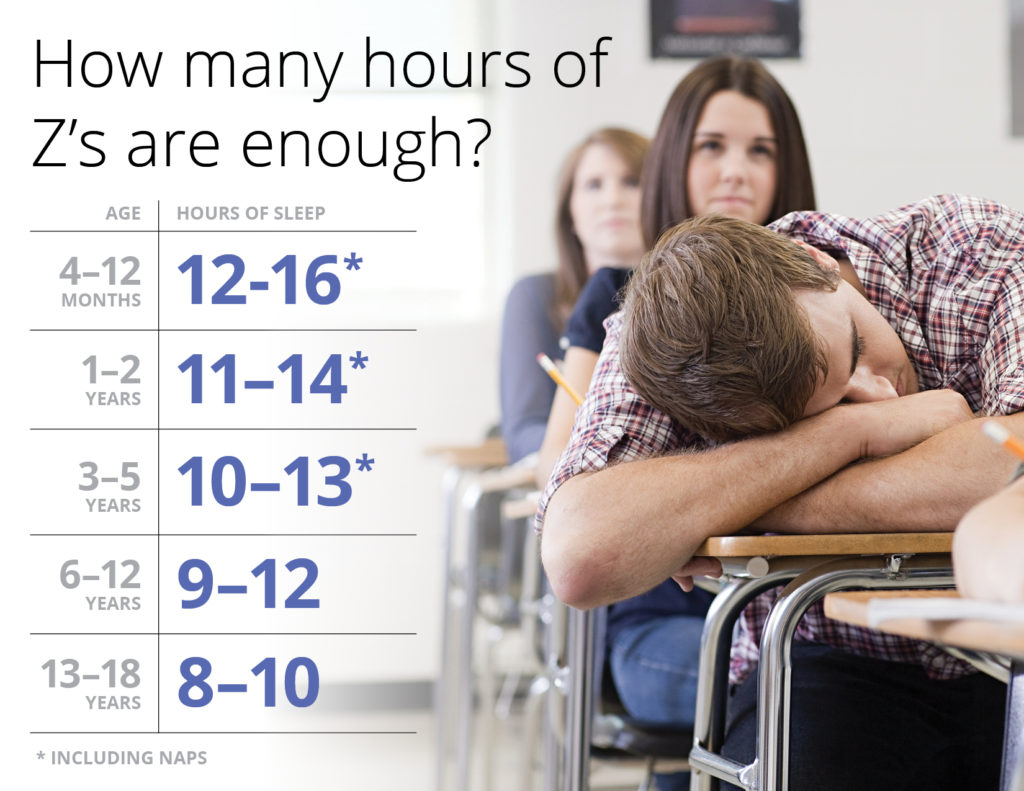
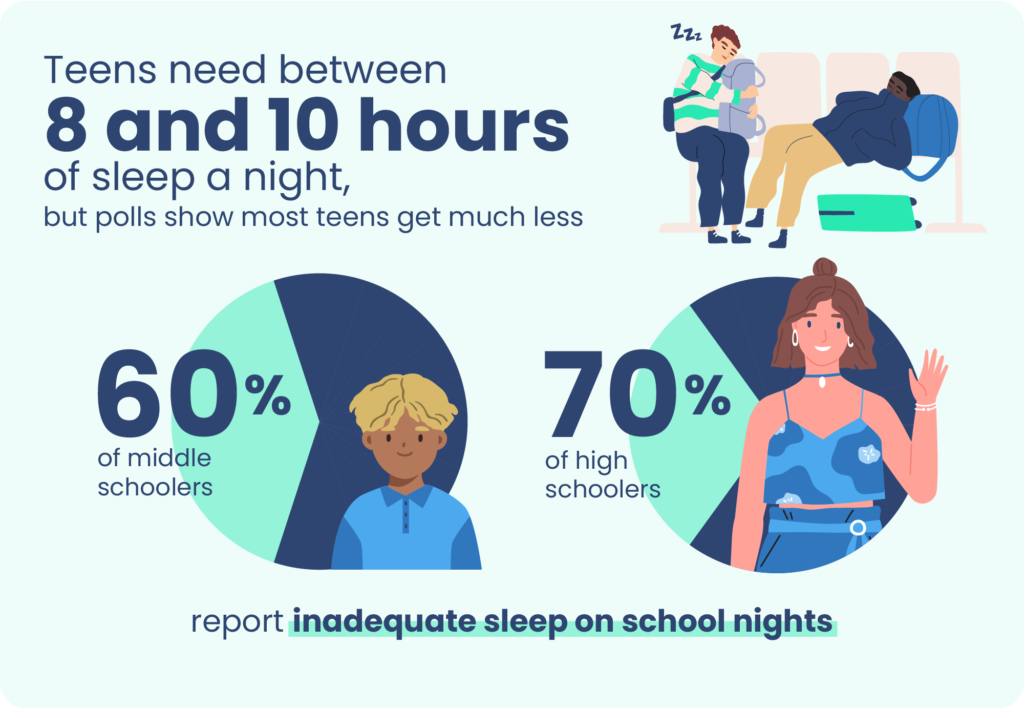
During adolescence, the body’s internal clock shifts later. Teens feel sleepy later at night and want to wake up later. This shift is natural and caused by changes in hormones. It makes early school times difficult for teens. Their bodies need about 8 to 10 hours of sleep each night.
Common Sleep Problems
Many teens struggle to fall asleep on time. Phone use and screen light can delay sleep even more. Stress and homework add to the problem. Some teens experience insomnia or restless sleep. These issues reduce the total sleep time and affect health.
Impact On Physical Growth
Sleep plays a big role in the physical growth of teenagers. During sleep, the body does important work to help teens grow taller and stronger. Without enough rest, their growth can slow down or stop. Teenagers need more sleep because their bodies grow fast and need extra care.
Good sleep helps the body produce hormones and build muscles. These are key parts of growing up healthy and strong. Missing sleep affects these processes and can cause problems in physical development.
Role Of Growth Hormones
Growth hormones are chemicals that help the body grow. The brain releases these hormones mostly during deep sleep. They help bones get longer and muscles get bigger. Teenagers need plenty of deep sleep to get enough growth hormones.
Without enough sleep, the body makes less growth hormone. This can slow down height and weight gain. Poor sleep habits may also cause other health issues linked to low hormone levels.
Sleep And Muscle Development
Muscles grow and repair during sleep. After active days, muscles need rest to get stronger. Sleep helps reduce soreness and rebuild muscle tissue. Teens who don’t sleep enough may feel weak and tired.
Strong muscles support bones and help with daily activities. Good sleep keeps muscles healthy, helping teens stay active and fit. Lack of sleep can make muscles lose strength and slow growth.
Cognitive Benefits
Sleep is very important for teenagers’ brains. It helps them think better and learn new things. Without enough sleep, their brain cannot work at its best. Sleep supports many brain functions that are key for school and daily life.
Memory Consolidation
Sleep helps the brain save new information. During sleep, the brain sorts and stores memories. This process makes it easier to remember facts and skills. Teens who sleep well recall information better in class. Memory consolidation also helps with long-term learning.
Improved Attention And Focus
A good night’s sleep improves attention during the day. Sleep refreshes the brain, making it easier to focus. Teens who get enough sleep find it easier to pay attention in school. Lack of sleep leads to trouble concentrating and more mistakes.
Emotional Health
Emotional health is very important for teenagers. Sleep plays a big role in how they feel inside. Without enough rest, emotions can become hard to handle. Teenagers may feel more sad, angry, or upset. Good sleep helps keep their feelings balanced and calm.
Sleep affects the brain areas that control emotions. It helps teens deal with challenges better. They think clearly and react calmly. This makes everyday life easier and happier.
Mood Regulation
Sleep helps control mood swings in teenagers. Without enough sleep, moods can change quickly. Teens may feel irritable or grumpy for no clear reason. Good sleep makes it easier to stay calm and positive. It supports a steady mood throughout the day.
Reducing Anxiety And Stress
Sleep lowers feelings of anxiety and stress. When teens sleep well, their minds feel less worried. Stress from school or friends becomes easier to handle. Poor sleep makes anxiety worse and harder to manage. Rest helps the brain reset and feel peaceful.
Academic Performance
Academic performance is very important for teenagers. Good grades and strong skills help them build a bright future. Sleep plays a big role in how well teens learn and remember information. Without enough rest, their brains cannot work at their best.
Better Learning Outcomes
Sleep helps the brain process and store new information. Teens who get enough sleep remember lessons better. Their focus improves during classes. This leads to higher test scores and better understanding.
When teens sleep well, their attention stays sharp. They can follow instructions easily and complete homework faster. This makes learning less stressful and more effective.
Enhanced Problem Solving Skills
Sleep also supports critical thinking and creativity. Well-rested teens can solve problems faster. They think clearly and make better decisions.
Without enough sleep, the brain struggles to connect ideas. This makes tasks like math and science harder. A good night’s sleep helps teens face challenges with confidence.
Long-term Health Effects
Sleep plays a big role in a teenager’s long-term health. Lack of sleep can cause serious health problems later in life. Good sleep habits help keep the body strong and healthy. Teens need enough sleep to avoid risks that can last for years.
Prevention Of Chronic Illnesses
Not sleeping enough raises the chance of chronic diseases. These include diabetes, heart problems, and obesity. Sleep helps regulate hormones that control hunger and blood sugar. Without enough rest, the body struggles to manage these functions. Teens who sleep well reduce their risk of these illnesses.
Immune System Support
Sleep is vital for a strong immune system. It helps the body fight off infections and heal faster. When teens do not get enough sleep, their immune defenses weaken. This makes them get sick more often and take longer to recover. Good sleep builds a powerful immune system that protects health.
Tips For Better Sleep
Good sleep is very important for teenagers. It helps their body and mind grow well. Many teens do not get enough sleep. Below are tips for better sleep. These tips help teens feel more rested and ready for the day.
Creating A Sleep-friendly Environment
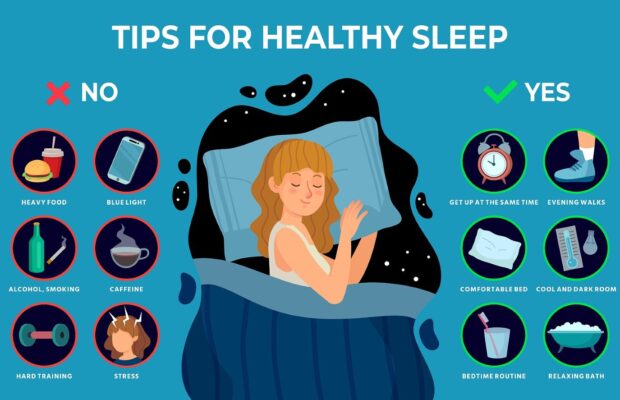
Keep the bedroom dark and quiet. Use curtains or blinds to block light. Turn off loud devices or use earplugs. Make the room cool, around 65 to 70 degrees Fahrenheit. Choose a comfortable mattress and pillows. Remove phones and screens from the bed area. This helps the brain relax and get ready to sleep.
Healthy Sleep Habits
Go to bed and wake up at the same time daily. Avoid caffeine and sugary drinks before bedtime. Stop using phones and computers at least one hour before sleep. Try relaxing activities like reading or listening to soft music. Exercise during the day, but not right before bed. These habits make it easier to fall asleep fast and sleep deeply.
Frequently Asked Questions
Why Do Teenagers Need More Sleep Than Adults?
Teenagers require more sleep due to rapid brain development and hormonal changes. Sleep supports memory, learning, and emotional health. Unlike adults, teens typically need 8-10 hours, while adults need 7-9 hours. Insufficient sleep in teens can impair focus and increase health risks.
How Does Lack Of Sleep Affect Teen Mental Health?
Sleep deprivation in teens can cause mood swings, anxiety, and depression. It disrupts brain function, reducing emotional regulation and stress management. Poor sleep also impairs judgment and decision-making. Ensuring adequate sleep helps maintain mental stability and overall well-being in teenagers.
What Are The Consequences Of Insufficient Sleep For Teens?
Insufficient sleep can lead to poor academic performance, memory problems, and decreased concentration. Teens may experience irritability, weakened immune systems, and higher risk of obesity. Chronic sleep deprivation increases the likelihood of accidents and long-term health issues like diabetes and heart disease.
How Can Parents Help Teens Get Better Sleep?
Parents can encourage consistent sleep schedules and limit screen time before bed. Creating a relaxing bedtime routine and a comfortable sleep environment aids rest. Reducing caffeine and promoting physical activity also improve sleep quality. Supportive habits help teens develop healthy sleep patterns.
Conclusion
Teenagers need enough sleep to stay healthy and focused. Sleep helps their brains grow and keeps their moods steady. Without enough rest, they struggle in school and feel tired all day. Parents and schools should support good sleep habits for teens.
Small changes, like setting a regular bedtime, can make a big difference. Sleep is not a luxury—it’s a must for every teenager’s well-being. Better sleep means better life. Simple as that.

