
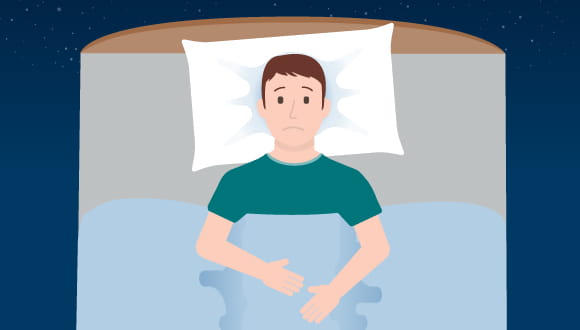
Have you ever woken up in the middle of the night feeling hot and restless? If your room is too warm, it might be the reason behind your interrupted sleep.
When your body can’t cool down properly, it struggles to keep you comfortable and asleep. Understanding why this happens can help you take simple steps to sleep better and wake up refreshed. Keep reading to discover what’s really going on when heat steals your peaceful night.
Quick Navigation
How Room Temperature Affects Sleep
Room temperature plays a big role in how well you sleep. If your room is too warm, it can wake you up during the night. Your body needs to cool down to fall asleep and stay asleep. A warm room stops this natural cooling and interrupts your sleep.
Body Temperature And Sleep Cycles
Your body temperature drops as you get ready to sleep. This drop helps your body enter deep sleep. If the room is too hot, your body cannot cool down enough. This keeps you in lighter sleep or wakes you up. Good sleep depends on your body temperature going down and staying low.
Ideal Sleep Temperature Range
The best room temperature for sleep is usually between 60 and 67 degrees Fahrenheit. This range helps your body cool off naturally. Rooms warmer than 70 degrees can make you feel restless. Cooler rooms help you fall asleep faster and sleep longer. Setting the right room temperature improves your sleep quality and stops night wakings.
Physical Reactions To Warm Environments
Warm rooms can cause your body to react in ways that disturb sleep. These physical reactions make it hard to stay asleep or fall back asleep. The body works hard to cool down, which can lead to discomfort and waking up at night. Understanding these reactions helps explain why heat affects sleep quality.
Increased Heart Rate And Discomfort
Heat causes your heart to beat faster. This helps pump blood to the skin to release heat. A faster heart rate can make you feel restless and uncomfortable. This discomfort interrupts deep sleep phases. Your body struggles to relax fully in warm conditions. This leads to frequent waking during the night.
Sweating And Dehydration Effects
Sweating is the body’s natural way to cool down. In a warm room, sweating increases a lot. Losing too much water causes dehydration. Dehydration can cause dry mouth and headaches. These symptoms disturb your sleep and cause wakefulness. Your body tries to balance temperature but loses fluids quickly. This cycle repeats, making restful sleep difficult.
Sleep Disorders Linked To Heat
Heat in the bedroom affects more than comfort. It can cause real sleep problems. Many sleep disorders get worse when the room is too warm. Understanding these helps improve your rest and health.
Body temperature plays a key role in sleep quality. A warm room stops the body from cooling down. This disrupts natural sleep cycles and causes discomfort. Some disorders react strongly to heat, making nights restless.
Insomnia Triggered By Heat
Insomnia means trouble falling or staying asleep. Heat makes this problem worse. High temperatures increase body stress and cause sweating. This leads to frequent awakenings during the night. People with insomnia find it harder to relax in warm rooms.
Heat raises heart rate and breathing speed. These changes keep the mind alert. Rest becomes shallow and short. The room temperature should stay cool to avoid these effects.
Restless Leg Syndrome And Warmth
Restless Leg Syndrome (RLS) causes an urge to move legs. Warm environments often increase this feeling. Heat can worsen nerve sensations and muscle discomfort. This leads to more leg movements and less sleep.
Cooling the room or using fans may reduce RLS symptoms. Lower temperatures help muscles relax. Better sleep follows when the legs feel calm.
Environmental Factors That Make Rooms Warmer
Rooms can feel hotter than they actually are. This happens because of several environmental factors. These factors stop heat from leaving the room. They also add more heat inside the room. This makes it hard to sleep well. Understanding these factors can help you keep your room cooler at night.
Poor Ventilation And Airflow
Rooms with poor ventilation trap warm air inside. Without fresh air coming in, heat builds up. Windows that do not open or blocked vents cause this. Airflow is important. It moves hot air out and brings cooler air in. When air is still, the room temperature rises. This can wake you up during the night.
Heat-generating Electronics
Electronics like TVs, computers, and chargers create heat. Leaving them on or plugged in adds extra warmth. Even small devices can raise room temperature. The heat from these electronics stays in the room. This makes the space feel warmer than it is. Turning off devices can help keep the room cool.
Lifestyle Habits That Influence Nighttime Waking
Nighttime waking can be linked to habits you follow during the day and before sleep. Your lifestyle affects your body temperature and comfort at night. Small changes in your routine can reduce waking up in a warm room. Understanding these habits helps you improve your sleep quality.
Some common habits raise your body heat or cause discomfort. These include eating heavy meals or drinking alcohol before bed. Also, the clothes and bedding you choose play a big role in how hot you feel.
Heavy Meals And Alcohol Before Bed
Eating large meals close to bedtime makes your body work harder to digest food. This process raises your internal temperature. A warm body can make it hard to stay asleep in a hot room.
Alcohol may help you fall asleep faster but disrupts sleep later. It causes your body to sweat and feel hot as it processes the alcohol. This rise in temperature often wakes you up during the night.
Clothing And Bedding Choices
Wearing thick or non-breathable clothes to bed traps heat. This makes your skin hot and uncomfortable. Light, loose, and natural fabrics allow your skin to breathe better.
Heavy blankets or synthetic sheets hold heat close to your body. Choosing lightweight and breathable bedding helps keep your body cool. Cooling fabrics and lighter blankets prevent overheating and waking.
Tips To Keep Your Room Cool At Night
Waking up hot and sweaty can ruin your sleep. Keeping your room cool helps you rest better. Simple changes can make a big difference. Here are some tips to keep your room cool at night.
Effective Cooling Techniques
Use a fan to move air around the room. Open windows at night to let cool air in. Close curtains during the day to block sunlight. Turn off heat-producing devices before bedtime. Place a bowl of ice in front of the fan. This cools the air as it blows across the ice.
Choosing The Right Bedding Materials
Pick bedding made of natural fibers like cotton or linen. These materials breathe better and keep you cool. Avoid heavy blankets that trap heat. Use lightweight sheets that allow air flow. Choose pillows with cooling gel or breathable covers. This helps prevent overheating while you sleep.
When To Seek Medical Advice
Waking up at night due to a warm room can sometimes be more than a simple discomfort. When sleep interruptions happen often and affect daily life, it may be time to consider medical advice. Understanding when to seek help is important for better sleep and health.
Persistent Nighttime Wakefulness
Waking up at night once in a while is normal. But frequent wakefulness might signal a problem. If warmth causes you to wake every night, it disrupts your rest. Poor sleep can lead to tiredness, mood changes, and poor focus. Persistent wakefulness needs attention to avoid long-term health effects.
Identifying Underlying Health Issues
Sometimes, waking up hot points to deeper health concerns. Conditions like menopause, infections, or hormone imbalances cause night sweats. Sleep apnea or anxiety also disturb sleep and raise body temperature. A doctor can find these causes and suggest treatment. Early diagnosis helps improve sleep and overall well-being.

Frequently Asked Questions
Why Does Warmth Disrupt Sleep At Night?
Warmth raises your body temperature, making it hard to fall and stay asleep. Your body cools naturally during sleep, so a hot room interrupts this process and causes wakefulness.
How Does A Warm Room Affect Sleep Quality?
A warm room increases discomfort and sweating, leading to frequent awakenings. Poor sleep quality results from the body’s struggle to regulate temperature and maintain deep sleep cycles.
Can Room Temperature Cause Insomnia Symptoms?
Yes, excessive warmth can trigger insomnia-like symptoms by preventing restful sleep. Overheating disturbs your sleep rhythm, causing difficulty in falling asleep and frequent night wakings.
What Is The Ideal Bedroom Temperature For Sleep?
The ideal temperature is between 60-67°F (15-19°C). This range supports the natural drop in body temperature, promoting comfortable and uninterrupted sleep.
Conclusion
Sleeping in a warm room can disrupt your rest and cause night waking. Your body needs to cool down to sleep well. Warm air makes it hard to stay comfortable and peaceful. Try to keep your bedroom cool and fresh.
Small changes, like a fan or open window, help a lot. Better sleep means better energy and health. Pay attention to your room temperature for a restful night. Sweet dreams start with the right environment.

