
Have you ever noticed how a good night’s sleep makes it easier to remember things the next day? Your memory isn’t just about how much you study or practice—it’s also about how well you rest.
Sleep plays a powerful role in helping your brain store and organize information. If you want to boost your memory and sharpen your mind, understanding the connection between sleep and memory is key. Keep reading to discover how simple changes to your sleep routine can unlock your brain’s full potential.
Quick Navigation
Sleep And Memory Connection
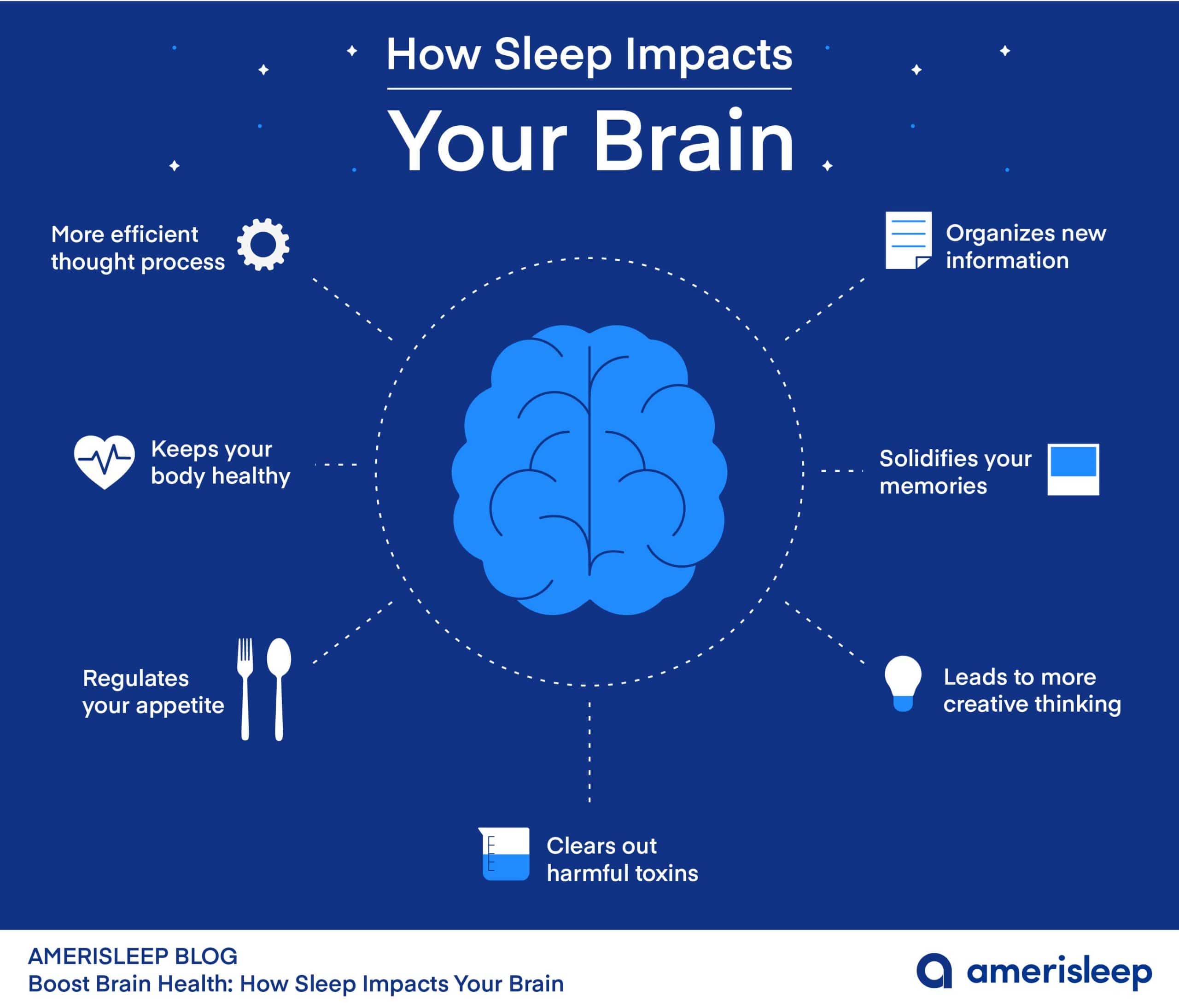
Sleep plays a key role in how our memory works. It helps the brain store and keep information. Without good sleep, memory can become weak and forgetful. Understanding the link between sleep and memory can help improve learning and focus.
Role Of Sleep Stages
Sleep has several stages, each important for the brain. The two main types are REM and non-REM sleep. Non-REM sleep helps clear the brain and prepare it for new information. REM sleep supports the creation of strong memories. Both stages work together to support memory.
Memory Consolidation Process
During sleep, the brain changes short-term memories into long-term ones. This process is called memory consolidation. The brain replays events and facts from the day. This helps store important information in a stable way. Good sleep allows this process to happen well.
Impact Of Sleep Deprivation
Not getting enough sleep harms memory. It stops the brain from storing new information. People find it harder to focus and remember things. Sleep deprivation also affects the ability to learn. Regular, full sleep is needed for a healthy memory.
Types Of Memory Enhanced By Sleep
Sleep plays a key role in improving different types of memory. It helps the brain store and organize information. This makes learning easier and recall faster. Various memory types get stronger during sleep. Understanding these types can show why good sleep matters.
Declarative Memory
Declarative memory stores facts and events. This includes names, dates, and places. Sleep helps move this information from short-term to long-term memory. It also makes memories clearer and easier to recall. Without enough sleep, remembering details becomes harder.
Procedural Memory
Procedural memory involves skills and actions. Examples include riding a bike or playing piano. Sleep helps the brain practice and perfect these skills. It strengthens the connections needed for smooth performance. Missing sleep can slow down learning new skills.
Emotional Memory
Emotional memory stores feelings linked to events. Sleep helps process and balance these emotions. It reduces stress and helps manage emotional reactions. Good sleep supports better mood and emotional health. Poor sleep can make emotions harder to control.
Brain Activity During Sleep
During sleep, the brain is far from quiet. It works hard to process and store the information gathered throughout the day. This activity is essential for memory improvement. Understanding the brain’s actions during sleep helps explain why rest is vital for learning and recall.
Hippocampus Function
The hippocampus plays a key role in forming new memories. During sleep, it helps transfer memories to other brain areas for long-term storage. This process protects memories from fading or being lost. The hippocampus works mostly during deep sleep stages.
Neural Replay
Neural replay is the brain’s way of rehearsing the day’s experiences. Neurons fire in patterns similar to those during waking hours. This replay strengthens memory traces and helps solidify learning. It often happens during slow-wave sleep, supporting memory consolidation.
Synaptic Plasticity
Synaptic plasticity refers to the brain’s ability to change connections between neurons. Sleep enhances this process by pruning weak links and strengthening important ones. This balance improves memory storage and brain efficiency. Good sleep promotes healthy synaptic plasticity for better recall.

Improving Memory Through Better Sleep
Better sleep helps the brain store and recall information. Memory improves as the brain processes the day’s experiences during rest. Good sleep clears the mind and strengthens learning. It also supports focus and problem-solving skills. Improving sleep quality can boost memory in daily life.
Sleep Hygiene Tips
Create a calm and dark bedroom for sleep. Keep the room cool and quiet. Avoid screens at least one hour before bed. Try to go to bed and wake up at the same time every day. Avoid caffeine and heavy meals before sleeping. These habits help the body prepare for rest.
Optimal Sleep Duration
Adults need seven to nine hours of sleep each night. Children and teens need even more. Sleeping too little or too much can harm memory. Consistent sleep duration helps the brain work well. Track sleep hours and adjust routines for balance.
Managing Sleep Disorders
Sleep problems like insomnia or sleep apnea affect memory. These disorders disrupt deep sleep and brain function. Consult a doctor if sleep is often restless or short. Treatment can improve sleep quality and memory. Good management supports brain health and daily focus.
Lifestyle Factors Affecting Sleep And Memory
Sleep and memory are closely linked. Many lifestyle factors affect how well we sleep and how strong our memory becomes. Small changes in daily habits can lead to better sleep quality. This, in turn, helps the brain store and recall information more easily.
Diet And Hydration
The food you eat impacts your sleep and memory. Heavy meals before bed can cause discomfort and disrupt sleep. Eating balanced meals with fruits, vegetables, and whole grains supports brain health. Drinking enough water keeps the body hydrated and the brain sharp. Avoid caffeine and sugary drinks late in the day. These can keep you awake and reduce sleep quality.
Exercise Impact
Regular exercise improves sleep patterns and memory function. Physical activity helps the body fall asleep faster and enjoy deeper rest. Morning or afternoon workouts are best to avoid sleep disturbances. Exercise increases blood flow to the brain, supporting memory and learning. Even light activities like walking make a difference.
Stress Management
Stress harms sleep quality and memory. High stress levels make it hard to fall asleep and stay asleep. Practice relaxation techniques such as deep breathing or meditation daily. Managing stress calms the mind and helps memory work better. A peaceful mind leads to restful sleep and sharper recall.
Technology And Sleep Quality
Technology impacts how well we sleep and how our memory improves. It can help or hurt sleep quality. Understanding its role can lead to better rest and sharper memory.
Sleep Trackers
Sleep trackers measure how long and how well you sleep. They use sensors to track movement and heart rate. These devices show sleep patterns and stages. Knowing this helps you adjust habits for better sleep. Better sleep supports stronger memory and learning.
Blue Light Effects
Blue light comes from screens on phones, tablets, and computers. It tricks the brain into thinking it is daytime. This stops the body from making melatonin, the sleep hormone. Less melatonin means harder time falling asleep. Poor sleep weakens memory and focus the next day.
Apps For Better Sleep
Many apps help improve sleep quality through sounds or guided meditation. Some teach relaxation techniques to ease the mind. Others remind you to keep a regular sleep schedule. Using these tools can lead to deeper sleep. Deep sleep is important for memory consolidation.
Frequently Asked Questions
How Does Sleep Affect Memory Retention?
Sleep helps consolidate memories by transferring them from short-term to long-term storage. This process improves recall and learning efficiency.
What Sleep Stage Is Best For Memory Improvement?
Deep sleep, especially slow-wave sleep, is crucial for strengthening new memories and enhancing cognitive functions.
Can Lack Of Sleep Impair Memory?
Yes, insufficient sleep disrupts memory consolidation, leading to forgetfulness and reduced ability to learn new information.
How Many Hours Of Sleep Improve Memory?
Most adults need 7-9 hours of quality sleep to optimize memory and cognitive performance.
Conclusion
Sleep plays a key role in keeping your memory strong. It helps your brain store and organize information. Without enough rest, your mind may feel foggy and forgetful. Good sleep habits improve focus and learning every day. Try to sleep well to boost your memory naturally.
Your brain will thank you with sharper recall and clearer thoughts. Sleep is not just rest—it is brain care. Give your mind the break it needs to remember better.