
As an Amazon Associate I earn from qualifying purchases.
Have you ever wondered what really happens to your brain while you sleep? It’s more than just “shutting down” for the night.
Your brain stays incredibly busy, working behind the scenes to keep you sharp, healthy, and ready for the day ahead. Understanding these hidden processes can change how you see sleep—and why it’s so important for your memory, mood, and overall well-being.
Keep reading to discover the fascinating ways your brain transforms during sleep and why missing out could be holding you back.
Quick Navigation
Brain Waves And Sleep Stages
Sleep is not just rest for the body. The brain stays active during sleep. It cycles through different stages marked by unique brain waves. These waves show how deeply you are sleeping. Understanding these stages helps explain why sleep is vital for memory, learning, and health.
Rem And Non-rem Sleep
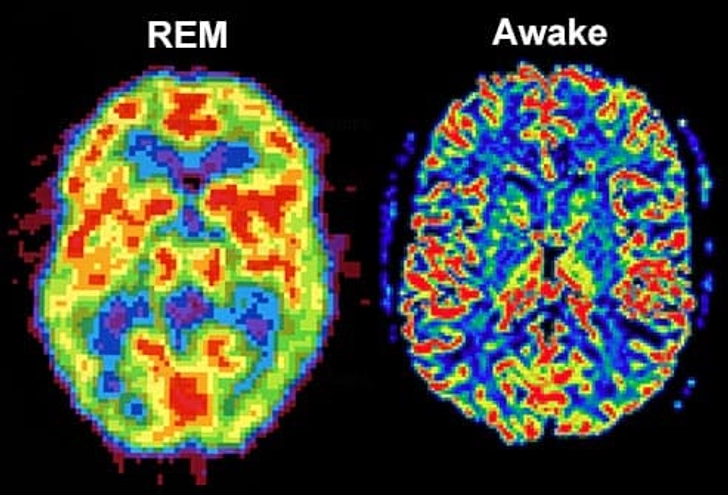
Sleep splits into REM and Non-REM phases. REM stands for Rapid Eye Movement. During REM, brain waves look similar to when awake. This stage is when most dreaming happens. Non-REM sleep has slower brain waves. It includes light and deep sleep stages.
Slow-wave Sleep
Slow-Wave Sleep is the deepest Non-REM stage. Brain waves here are very slow and large. This stage helps the brain rest and repair. It also supports memory and learning. People in Slow-Wave Sleep are hard to wake.
Sleep Cycle Progression
Sleep moves in cycles of about 90 minutes. Each cycle passes through Non-REM stages first. Then it reaches REM sleep. Early cycles have more deep sleep. Later cycles include longer REM periods. This pattern repeats several times during the night.
Memory And Learning
Sleep plays a key role in how the brain handles memory and learning. It helps the brain store new information and skills. During sleep, important processes happen that make memories stronger and learning easier. The brain also sorts through emotions linked to memories. This section explains these crucial brain activities during sleep.
Memory Consolidation
Memory consolidation is the process of making new memories stable. During deep sleep, the brain moves information from short-term to long-term storage. This helps you remember facts and events better. The brain replays the day’s memories to strengthen them. Without enough sleep, memories can become weak or lost.
Skill Enhancement
Skills improve while you sleep. The brain practices tasks learned during the day. This includes physical skills like playing sports or musical instruments. Sleep helps the brain fine-tune movements and responses. As a result, you perform better after a good night’s rest.
Emotional Memory Processing
Sleep also helps process emotional memories. It sorts feelings linked to past experiences. This reduces stress and anxiety related to those memories. The brain cleans up emotional clutter, making it easier to focus. Proper sleep supports better emotional balance and mental health.
Brain Detox And Repair
Sleep is not just rest for your body; it is a vital time for your brain to clean and heal itself. During sleep, your brain activates special processes that clear out harmful waste and repair damaged cells. This detox and repair work helps keep your brain healthy and sharp.
Glymphatic System Activation
The glymphatic system acts like a cleaning crew for your brain. It becomes active mainly during deep sleep. This system uses fluid to flush out toxins that build up while you are awake. Without this process, waste can accumulate and harm brain cells.
Waste Clearance
Brain cells produce waste from daily activity. Sleep allows the brain to remove this waste efficiently. Harmful proteins, such as beta-amyloid, are washed away during sleep. Clearing these substances lowers the risk of memory problems and brain diseases.
Cellular Repair Mechanisms
Sleep triggers repair processes at the cellular level. Brain cells fix damage caused by stress and daily wear. New proteins and molecules are made to support cell health. These repairs help maintain brain function and prevent early aging.
Emotional Regulation
Sleep plays a key role in managing emotions. It helps your brain sort feelings and keep your mood steady. Without enough sleep, emotions can become harder to control. Your brain works on balancing stress and calming your mind during rest.
Stress Hormone Balance
Sleep lowers levels of stress hormones like cortisol. High cortisol makes you feel anxious and restless. During deep sleep, your body reduces this hormone. This process calms your brain and helps you feel less stressed the next day.
Mood Stabilization
Good sleep supports steady moods. It prevents mood swings and irritability. Your brain resets emotional responses while you rest. This reset helps you respond calmly to daily events. People with poor sleep often feel more upset or moody.
Dreams And Emotional Processing
Dreams help your brain process emotions. They act like a safe space to work through feelings. During REM sleep, your brain connects emotions with memories. This connection helps you understand and manage emotions better. Dreams can reduce emotional tension and promote healing.
Impact Of Sleep Deprivation
Sleep deprivation has a strong impact on the brain’s function and health. Missing enough sleep affects many brain processes. It can change how you think, feel, and behave. The brain needs rest to work well and repair itself.
Without enough sleep, the brain struggles. Problems with memory, focus, and mood often appear. The risks grow higher with ongoing lack of sleep. Understanding these effects helps to value good sleep habits.
Cognitive Impairment
Sleep loss slows down your thinking and reaction time. Concentration becomes difficult, and memory weakens. Learning new information takes longer. Decision-making skills drop. Simple tasks feel harder and take more effort. The brain cannot process information as fast or clearly.
Emotional Instability
Sleep deprivation affects emotions deeply. It causes irritability and mood swings. People feel more stressed and anxious. Controlling feelings becomes harder. Empathy and social skills may decline. The brain’s emotional centers lose balance without rest.
Long-term Brain Health Risks
Chronic sleep loss increases risks for serious brain issues. It raises chances of developing dementia and Alzheimer’s disease. Brain cells cannot repair properly. Inflammation and damage build up over time. Good sleep protects the brain and helps keep it healthy for years.
Optimizing Brain Health During Sleep
Sleep plays a key role in keeping your brain healthy and strong. During sleep, your brain clears out toxins and repairs cells. This helps improve memory, focus, and mood. To get these benefits, you need quality sleep every night. Optimizing brain health during sleep means making good habits that support deep, restful sleep.
Sleep Hygiene Tips
Keep a regular sleep schedule. Go to bed and wake up at the same time daily. Avoid caffeine and heavy meals close to bedtime. Limit screen time before sleep to reduce blue light exposure. Try relaxing activities like reading or gentle stretches before bed. These steps help your brain prepare for rest.
Creating A Sleep-friendly Environment
Make your bedroom quiet, dark, and cool. Use blackout curtains or a sleep mask to block light. Remove noisy devices or use earplugs if needed. Choose a comfortable mattress and pillows. A calm and cozy space helps your brain relax and fall asleep faster.
Lifestyle Choices For Better Sleep
Exercise regularly but avoid intense workouts late in the day. Manage stress with meditation or deep breathing. Avoid alcohol and nicotine, as they can disrupt sleep cycles. Stay hydrated, but reduce fluids before bedtime. Healthy habits support better brain function and quality rest.

Frequently Asked Questions
What Changes Occur In The Brain During Sleep?
During sleep, the brain shifts through different stages, including REM and deep sleep. These stages help with memory, learning, and brain restoration. Brain activity slows during deep sleep and becomes more active during REM, supporting emotional and cognitive functions.
How Does Sleep Affect Brain Memory Consolidation?
Sleep strengthens and organizes memories by transferring information from short-term to long-term storage. This process mainly occurs during deep and REM sleep stages. Proper sleep enhances learning and recall, making it vital for cognitive performance and memory retention.
Why Is Rem Sleep Important For Brain Function?
REM sleep supports brain functions like emotional regulation and problem-solving. During REM, the brain processes emotions and consolidates complex memories. This stage also promotes creativity and mental health by balancing neural connections.
Can Lack Of Sleep Damage The Brain?
Chronic sleep deprivation impairs cognitive functions and increases the risk of brain diseases. It can reduce attention, memory, and decision-making skills. Over time, poor sleep can contribute to neurodegenerative disorders like Alzheimer’s disease.
Conclusion
Sleep helps your brain rest and repair every night. It clears out waste and strengthens memory. Your brain sorts through the day’s information while you dream. Good sleep supports focus, mood, and problem-solving skills. Without enough rest, your brain struggles to work well.
Prioritizing sleep improves brain health and daily life. Simple habits like regular sleep times help a lot. Sleep is not just rest; it’s brain care. Give your brain the sleep it needs to thrive.