
As an Amazon Associate I earn from qualifying purchases.
Have you ever noticed how a bad night’s sleep can leave you feeling irritable or down the next day? Your mood is closely tied to the quality of your sleep, and understanding this connection can help you take control of your emotional well-being.
Imagine waking up feeling calm, energized, and ready to face any challenge—this is the power of good sleep. You’ll discover how sleep affects your mood and simple steps you can take to improve both. Keep reading to unlock the secret to a happier, more balanced you.
Quick Navigation
Sleep And Emotional Health
Sleep plays a big role in keeping our emotions steady. It helps our brain handle feelings better. Without good sleep, emotions can become harder to control. Understanding how sleep affects emotional health can improve mood and daily life.
Emotional health means feeling balanced and calm. Sleep supports this by helping the brain process feelings and stress. It also helps with memory, which affects how we react to events. Regular sleep keeps mood swings low and positivity high.
The Link Between Sleep And Mood
Sleep and mood are closely connected. When we sleep well, the brain resets emotional signals. This makes it easier to stay calm and happy. Poor sleep blocks this process, leading to irritability and sadness.
Good sleep also improves decision-making and social skills. These help us handle stressful situations better. Emotional problems often start when sleep is weak or missing. Restoring sleep can quickly improve mood and feelings.
Effects Of Sleep Deprivation On Emotions
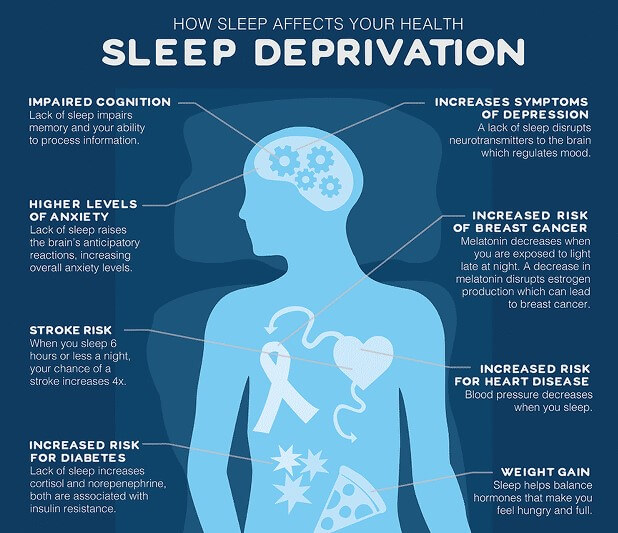
Sleep deprivation causes strong negative emotions. People feel more anxious, angry, or sad after little sleep. The brain reacts more strongly to stress and pain.
Lack of sleep lowers the ability to control emotions. This can cause overreactions or mood swings. It also reduces empathy, making social interactions harder.
Sleep loss increases the risk of mental health problems. Depression and anxiety are more common in sleep-deprived people. Protecting sleep can reduce these risks and improve emotional balance.

Brain Mechanisms Behind Sleep And Mood
Sleep plays a key role in how the brain controls mood. The connection between sleep and emotions is complex. It involves different parts of the brain and chemical messengers. These brain mechanisms help explain why poor sleep often leads to mood problems.
Understanding these processes helps us see how good sleep supports mental health. The brain works through various systems to balance feelings and reactions. Let’s explore some important brain parts and functions involved in sleep and mood regulation.
Role Of The Amygdala
The amygdala is the brain’s emotion center. It processes fear, anger, and pleasure. Sleep helps regulate amygdala activity. Without enough rest, the amygdala becomes overactive. This can cause stronger emotional reactions and mood swings. Good sleep keeps this area calm and balanced.
Impact On Neurotransmitters
Neurotransmitters are chemicals that send signals in the brain. Sleep affects key neurotransmitters like serotonin and dopamine. These chemicals influence happiness and stress levels. Poor sleep reduces their production and balance. This leads to feelings of sadness and anxiety. Proper sleep restores neurotransmitter function and mood stability.
Sleep Stages And Emotional Processing
Sleep has different stages, including REM and deep sleep. Each stage plays a role in handling emotions. REM sleep helps process emotional memories and reduces stress. Deep sleep supports brain repair and mood regulation. Skipping these stages can disrupt emotional balance. Healthy sleep cycles promote better mood control.
Sleep Patterns That Support Emotional Balance
Sleep plays a key role in keeping our emotions steady. Good sleep patterns help the brain manage feelings better. This section explains which sleep habits support emotional balance. Learn how a steady routine, deep sleep, and REM sleep affect mood.
Understanding these patterns can help improve mood and reduce stress. Let’s explore the sleep habits that keep emotions healthy and stable.
Importance Of Consistent Sleep Schedule
Going to bed and waking up at the same time each day helps the body’s internal clock. This regularity makes falling asleep easier and improves sleep quality. A steady sleep schedule reduces mood swings and irritability. It trains the brain to expect rest at certain times. This predictability helps emotional stability across the day.
Benefits Of Deep Sleep
Deep sleep is the stage when the body repairs itself. It also strengthens the brain’s ability to handle stress. During deep sleep, the brain clears out harmful chemicals. This process refreshes the mind and improves mood. People with enough deep sleep often feel calmer and more positive. Lack of deep sleep can lead to anxiety and sadness.
Rem Sleep And Emotional Regulation
REM sleep is the stage when most dreaming happens. It plays a big role in processing emotions and memories. During REM sleep, the brain sorts through emotional experiences. This helps reduce negative feelings and supports emotional healing. REM sleep also improves problem-solving and creativity. Without enough REM sleep, emotions may feel overwhelming or confusing.
Common Sleep Disorders Affecting Mood
Sleep plays a big role in how people feel every day. When sleep is poor, mood often suffers. Many common sleep disorders can cause strong changes in emotions. Understanding these disorders helps explain why mood swings happen.
Sleep problems and mood changes often go hand in hand. The brain and body need restful sleep to manage emotions well. When sleep is disturbed, feelings like anxiety, sadness, and stress can grow. Here are some common sleep disorders that affect mood deeply.
Insomnia And Anxiety
Insomnia makes falling or staying asleep hard. This lack of sleep raises anxiety levels. People with insomnia often feel restless and worried. Their minds race, making calm hard to find. Anxiety can also make insomnia worse, creating a tough cycle. Both conditions feed each other, lowering mood and energy.
Sleep Apnea And Depression
Sleep apnea causes breathing to stop briefly during sleep. This disrupts deep sleep and causes tiredness. Poor sleep from apnea increases the risk of depression. The brain does not get enough rest to regulate mood. Depression symptoms like sadness and low interest become stronger. Treating sleep apnea often helps lift mood.
Restless Leg Syndrome And Emotional Distress
Restless Leg Syndrome (RLS) causes an urge to move legs at night. This movement makes falling asleep difficult. Lack of sleep leads to emotional distress and irritability. People with RLS report feeling frustrated and stressed. The constant discomfort disturbs peace of mind. RLS can drain emotional strength over time.
Natural Ways To Improve Sleep For Better Mood
Good sleep plays a big role in keeping your mood steady and positive. Natural ways to improve sleep help your mind relax and feel calm. These small changes make a big difference in how you feel each day. Try these easy tips to sleep better and boost your mood.
Establishing A Relaxing Bedtime Routine
Create a simple routine before bed. Doing the same things each night tells your brain it is time to rest. Try reading a book or listening to soft music. Avoid screens and bright lights at least 30 minutes before sleep. This helps your body prepare for rest.
Optimizing Sleep Environment
Make your bedroom calm and quiet. Use dark curtains or a sleep mask to block light. Keep the room cool, around 65°F (18°C). Remove noise or use white noise machines to cover sounds. A comfortable mattress and pillows support good sleep posture.
Mindfulness And Stress Reduction Techniques
Practice deep breathing or gentle stretching before bed. These techniques calm your mind and body. Try focusing on your breath or repeating a calming word. Reducing stress helps you fall asleep faster and sleep more deeply. Mindfulness strengthens your mood and reduces worry.
Lifestyle Factors Influencing Sleep And Mood
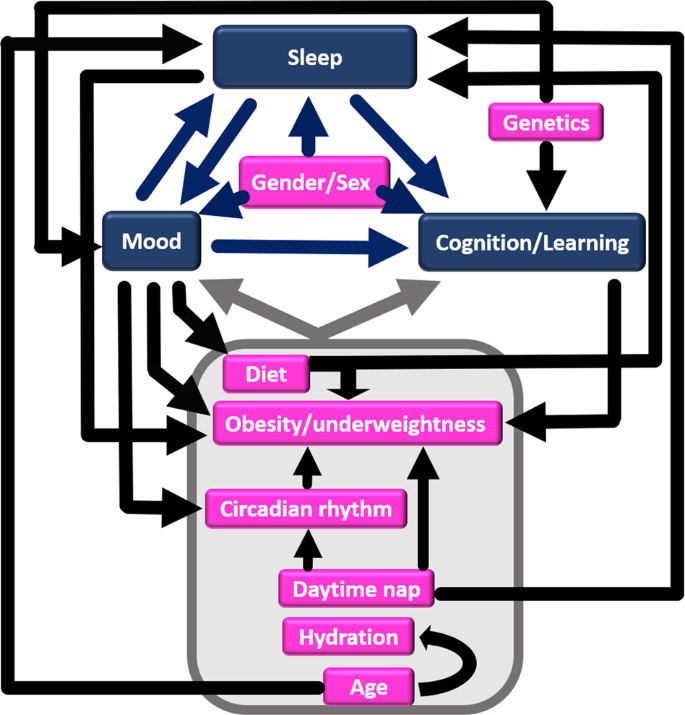
Sleep and mood are deeply connected. Daily habits shape both how well you sleep and how you feel emotionally. Simple changes in lifestyle can improve your rest and lift your mood. Small steps in diet, exercise, and screen use make a big difference.
Diet And Sleep Quality
What you eat affects your sleep. Heavy meals late at night can cause discomfort and disrupt sleep. Foods high in sugar or caffeine can keep you awake. Eating balanced meals with fruits, vegetables, and whole grains supports better rest. Drinking enough water also helps your body relax at night.
Exercise And Emotional Well-being
Regular exercise improves mood and sleep. Physical activity releases chemicals that reduce stress and anxiety. Even a short walk each day can boost your feelings of happiness. Exercise tires your body in a good way, making it easier to fall asleep and stay asleep.
Limiting Screen Time Before Bed
Screens emit blue light that tricks your brain into staying alert. Using phones, tablets, or computers before bed can delay sleep. Try to stop screen use at least one hour before bedtime. Reading a book or listening to calming music helps your brain wind down for rest.
When To Seek Help For Sleep And Mood Issues
Sleep and mood are closely linked. Poor sleep can cause mood swings, anxiety, and sadness. Knowing when to seek help is important. It can stop problems from getting worse. Early action can improve both sleep and emotional health.
Recognizing Persistent Mood Changes
Notice mood changes that last more than two weeks. Feeling sad, angry, or anxious often is a sign. Mood swings that disrupt daily life need attention. Difficulty concentrating or loss of interest in activities also matters. These signs may signal a deeper problem.
Consulting Sleep Specialists
Sleep specialists can diagnose sleep disorders. They use tests like sleep studies to find issues. A good specialist will ask about your sleep habits and mood. They create a plan to improve your rest and feelings. Early consultation helps prevent long-term problems.
Therapeutic Options For Sleep And Emotional Health
Therapy can help manage mood and sleep problems. Cognitive-behavioral therapy (CBT) is effective for insomnia and anxiety. Relaxation techniques teach how to calm the mind. Sometimes, medication supports sleep and mood improvement. A combined approach often works best.
Frequently Asked Questions
How Does Sleep Affect Emotional Stability?
Sleep helps balance brain chemicals that regulate emotions. Poor sleep increases irritability and stress. Good sleep improves mood and emotional resilience.
Can Lack Of Sleep Cause Mood Disorders?
Yes, chronic sleep deprivation raises the risk of depression and anxiety. It disrupts emotional processing and coping mechanisms.
What Sleep Stages Influence Mood Regulation?
REM sleep is crucial for processing emotions. Deep sleep supports brain recovery and stress relief. Both stages are vital for a stable mood.
How Many Hours Of Sleep Improve Mood?
Most adults need 7-9 hours of quality sleep nightly. This duration supports optimal brain function and emotional health.
Conclusion
Sleep plays a key role in keeping your mood steady. Good rest helps your brain handle emotions better. Without enough sleep, feelings can become harder to control. Small changes in sleep habits can improve how you feel daily. Try to keep a regular sleep schedule for best results.
Remember, a good night’s sleep supports a happier mind. It’s a simple step to boost your mental well-being. Sleep well, feel better.